
Burusho
Hunza Valley, Gilgit-Baltistan, Pakistan BurushaskiUrdu
The Burusho people, also known as Hunza, are an ethnic group native to the Hunza Valley in the Gilgit-Baltistan region of Pakistan. They are known for their unique language, Burushaski, and their rich cultural heritage.
Historical Context
The Burusho people have a long history in the Hunza Valley, with origins that are not entirely clear but are believed to be linked to Central Asian tribes. They have maintained a distinct cultural identity despite various invasions and influences.
Migration Patterns
Historically, the Burusho have been relatively isolated due to their mountainous terrain, with limited migration. However, some have moved to urban areas in Pakistan for education and employment.
Conflict And Resilience History
The Burusho have faced challenges from external invasions and internal conflicts but have shown resilience by preserving their culture and autonomy.
Diaspora Perspectives
The Burusho diaspora, though small, maintains strong ties to their homeland and actively participates in cultural preservation efforts.
Regional Variations
There are slight cultural variations among Burusho communities in different valleys, influenced by geography and interaction with neighboring cultures.
Bridging Notes
Efforts are ongoing to bridge cultural gaps through education and cultural exchange programs.
Spiritual And Religious Practices
The Burusho practice Islam, predominantly Ismaili Shia, which influences their spiritual and daily life practices.
Beliefs And Worldview
The Burusho worldview is shaped by their Islamic faith, respect for nature, and a strong sense of community and family.
Cultural Proverbs Sayings
Proverbs often emphasize wisdom, patience, and the importance of community.
Naming Conventions And Terms Of Address
Names often reflect Islamic traditions, and terms of address show respect for elders and community leaders.
Health And Mental Health
Traditional health practices are complemented by modern healthcare. Mental health is often addressed within the family or community.
Mental Health Views
Mental health is sometimes stigmatized, but community support plays a crucial role in addressing issues.
Traditional Healers
Traditional healers, known as 'Hakims', are respected for their knowledge of herbal medicine.
Gender Roles In Healthcare
Women are primary caregivers, but both genders participate in healthcare decisions.
Healthcare Barriers
Geographical isolation and limited access to modern healthcare facilities pose challenges.
Education And Learning Styles
Education is highly valued, with a focus on both traditional knowledge and modern education.
Learning Styles
Learning is often communal, with an emphasis on oral traditions and practical skills.
Parental Engagement
Parents are actively involved in their children's education, often prioritizing it despite economic challenges.
Family And Social Structure
The Burusho community is organized around extended family units, with strong kinship ties and communal decision-making.
Discipline And Behavior
Discipline is maintained through community norms and respect for elders.
Authority Attitudes
Elders and community leaders hold significant authority and are respected for their wisdom.
Etiquette And Customs
Etiquette emphasizes respect, hospitality, and communal harmony.
Community Strengths Resilience
The Burusho community is known for its resilience, adaptability, and strong social cohesion.
Art Music And Expression
Music and dance are integral to Burusho culture, with traditional instruments like the 'dadang' (drum) and 'surnai' (flute).
Cultural Symbols Motifs
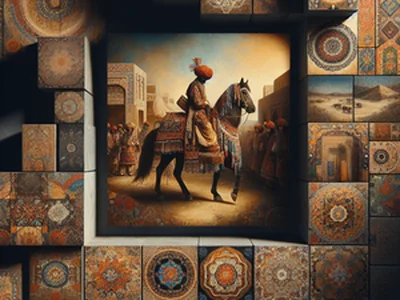
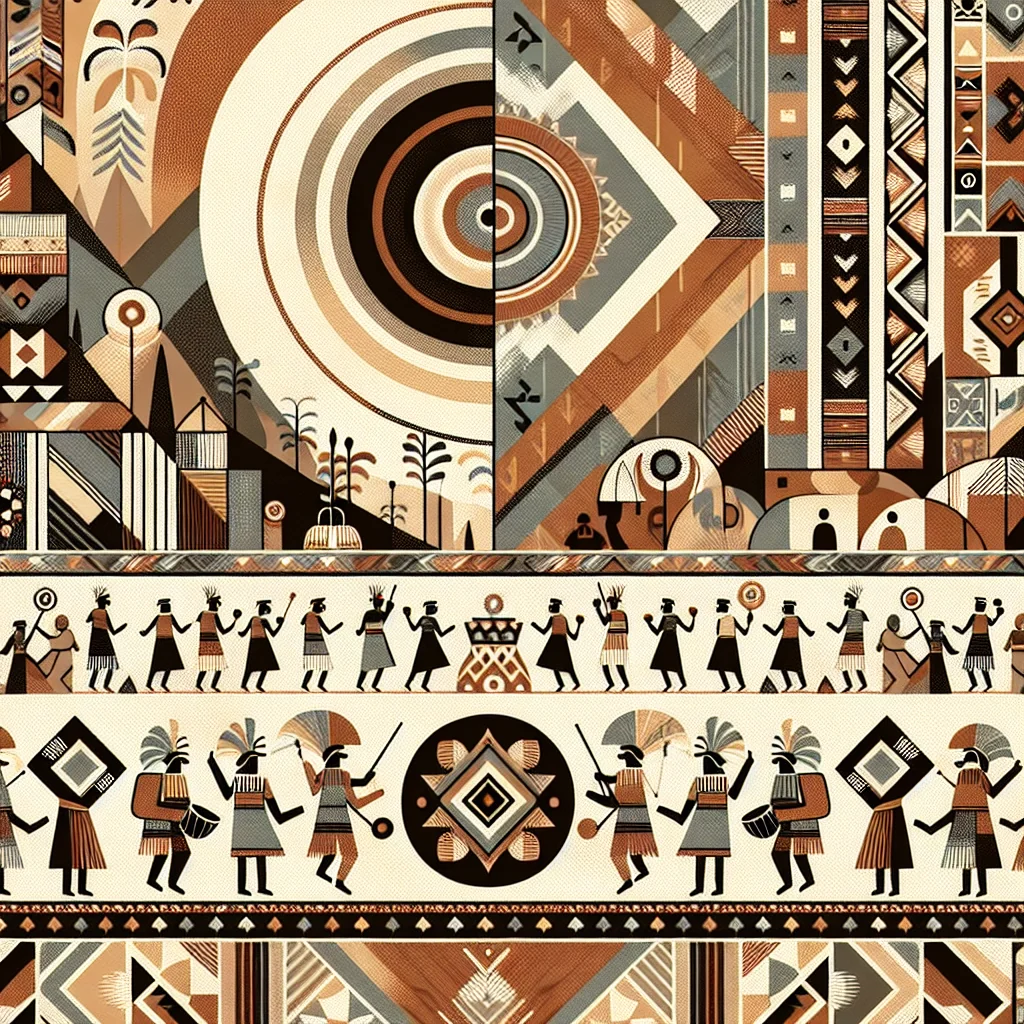
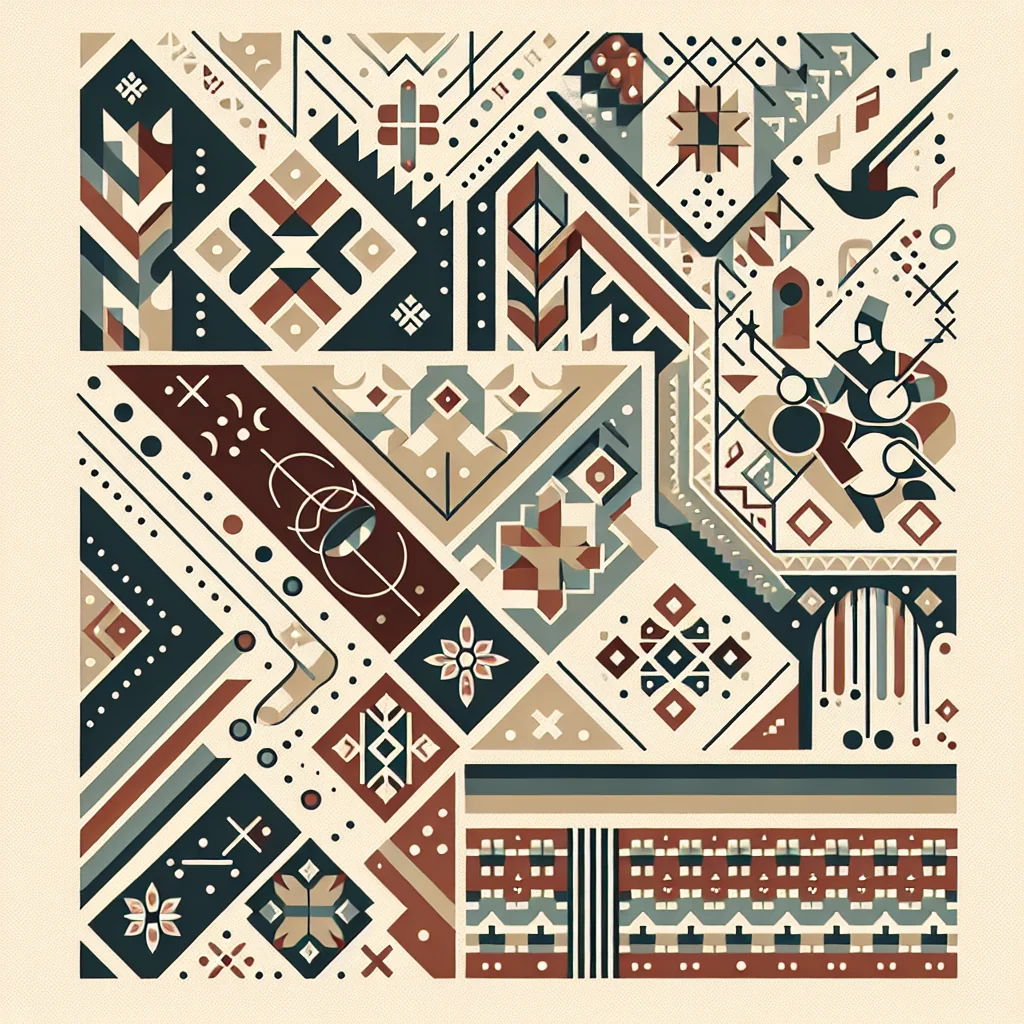
Traditional motifs often feature natural elements and geometric patterns.
What Brings Joy
Festivals, music, and communal gatherings are sources of joy and cultural expression.
Celebrations Joyful Traditions
Festivals such as Nowruz and religious celebrations are marked with music, dance, and feasting.
Cultural Calendar And Holidays
The cultural calendar includes Islamic holidays and local festivals like the Spring Blossom Festival.
Additional Notes
Cultural expression is a vital part of Burusho identity, reflecting their history and values.
Economic Context And Occupations
The economy is primarily agrarian, with tourism and small-scale trade as supplementary sources of income.
Housing And Living Arrangements
Traditional stone houses are common, often accommodating extended families.
Nutrition And Dietary Norms
The diet is largely vegetarian, with an emphasis on locally grown fruits, vegetables, and grains.
Interpretation Needs
Interpretation services are needed for Burushaski speakers in healthcare and legal settings.
Interpreter Notes
Interpreters should be familiar with cultural nuances and the Burushaski language.
Documentation Traditions
Oral traditions are strong, with storytelling and poetry being key forms of cultural documentation.
Interactions With Other Cultures
The Burusho have historically interacted with neighboring cultures through trade and cultural exchange.
Conflict Resolution Mechanisms
Conflicts are often resolved through community mediation and the involvement of elders.
Cultural Exchange Programs
Cultural exchange programs with neighboring regions promote mutual understanding and respect.
Trade Relations
Trade with neighboring regions includes agricultural products and handicrafts.
Shared Artistic Projects
Collaborations in music and arts with neighboring cultures are common.
Intercultural Marriages
Intercultural marriages occur, often strengthening ties with neighboring communities.
Shared Educational Initiatives
Educational initiatives with other cultures focus on language and cultural preservation.
Youth Perspectives
Youth are increasingly pursuing education and employment opportunities outside the valley.
Education Initiatives
Initiatives focus on improving access to education and integrating modern technology.
Future Challenges
Challenges include balancing modernization with cultural preservation and addressing economic opportunities.
Youth Employment Trends
Many young people seek employment in urban areas, often in education and tourism.
Future Visions
The community envisions a future where tradition and modernity coexist harmoniously.
Youth Leadership Roles
Youth are encouraged to take on leadership roles in community development projects.
Innovation And Startups
There is a growing interest in startups, particularly in tourism and sustainable agriculture.
Festivals And Celebrations
Festivals like Nowruz and the Spring Blossom Festival celebrate cultural heritage and natural beauty.
Traditional Medicine Practices
Herbal remedies and traditional healing practices are widely used.
Environmental Practices
Sustainable farming and water conservation are key environmental practices.
Rituals
Rituals often involve music, dance, and communal gatherings.
Rites Of Passage
Rites of passage include ceremonies for births, marriages, and coming of age.
Culinary Traditions
Culinary traditions emphasize local ingredients and communal meals.
Climate Adaptation Strategies
Adaptation strategies include terraced farming and efficient water management.
Biodiversity Conservation
Efforts are made to conserve local flora and fauna, recognizing their cultural significance.
Sustainable Tourism Practices
Tourism is managed to minimize environmental impact and benefit the local community.
Renewable Energy Use
There is increasing use of renewable energy sources like solar power.
Community Involvement In Practices
Community involvement is crucial in environmental and cultural preservation efforts.
Environmental Education Programs
Programs focus on educating the youth about sustainable practices and environmental stewardship.
Notable Figures
Notable figures include community leaders and cultural ambassadors who promote Burusho heritage.
Cultural Innovations
Innovations include the integration of traditional and modern music styles.
Literary Works
Oral literature, including poetry and folklore, is a significant cultural contribution.
Architectural Styles
Traditional stone architecture reflects adaptation to the mountainous environment.
Scientific Contributions
Contributions in agriculture, particularly in sustainable practices, are notable.
Culinary Innovations
Culinary innovations focus on health and sustainability, using local ingredients.
Global Influence
The Burusho culture influences global perceptions of sustainable living and cultural resilience.
Awards And Recognition
Recognition often comes from cultural preservation and sustainable tourism initiatives.
Modern Influences
Modern influences include technology, education, and global cultural trends.
Digital Presence
There is a growing digital presence, with social media used to promote culture and tourism.
Globalization Effects
Globalization brings both opportunities and challenges in maintaining cultural identity.
Urbanization Effects
Urbanization leads to increased migration but also opportunities for economic growth.
Technology Adoption
Technology is increasingly adopted in education and communication.
Hybrid Cultural Forms
Hybrid cultural forms emerge as traditional practices blend with modern influences.
Social Media Presence
Social media is used to connect with the diaspora and promote cultural events.
Challenges
Challenges include cultural preservation amidst modernization and economic pressures.
Preservation Efforts
Efforts focus on documenting language, traditions, and promoting cultural education.
Cultural Artwork
Community Discussion
Further Reading
Explore credible external sources to deepen your understanding of Burusho culture.