
Buryats
Siberia, primarily in the Republic of Buryatia, Russia. BuryatRussian
The Buryats are an indigenous people primarily residing in the Buryatia Republic of Russia, known for their rich cultural heritage and traditions.
Historical Context
The Buryats have a history that dates back to the Mongol Empire, with influences from both Mongolian and Russian cultures. They have maintained a distinct identity despite historical pressures.
Migration Patterns
Historically, the Buryats were nomadic, migrating across Siberia and Mongolia. In the 20th century, many settled due to Soviet policies.
Conflict And Resilience History
The Buryats have faced cultural suppression during the Soviet era but have shown resilience by preserving their language and traditions.
Diaspora Perspectives
Buryat diaspora communities exist in Mongolia and China, maintaining cultural ties and traditions.
Regional Variations
There are variations in dialect and customs among Buryats in different regions, influenced by local geography and historical interactions.
Bridging Notes
Efforts are ongoing to bridge cultural gaps through education and cultural exchange programs.
Spiritual And Religious Practices
Buryats practice Tibetan Buddhism and shamanism, with rituals and ceremonies that honor nature and ancestors.
Beliefs And Worldview
Their worldview is shaped by a deep respect for nature, community, and spiritual harmony.
Cultural Proverbs Sayings
Buryat proverbs often emphasize wisdom, patience, and the importance of community.
Naming Conventions And Terms Of Address
Names often reflect Buddhist influence, and terms of address show respect for elders and family hierarchy.
Health And Mental Health
Traditional Buryat medicine incorporates herbal remedies and spiritual healing practices.
Mental Health Views
Mental health is often viewed through a spiritual lens, with shamanic practices used for healing.
Traditional Healers
Shamans and herbalists play a crucial role in traditional health practices.
Gender Roles In Healthcare
Women often serve as caregivers, while men may take on roles as traditional healers.
Healthcare Barriers
Access to modern healthcare can be limited in rural areas, with language and cultural barriers present.
Education And Learning Styles
Education emphasizes both modern academic subjects and traditional cultural knowledge.
Learning Styles
Learning often involves storytelling, oral traditions, and community participation.
Parental Engagement
Parents are actively involved in their children's education, emphasizing cultural heritage.
Family And Social Structure
Buryat society is traditionally organized around extended families and clans, with strong community ties.
Discipline And Behavior
Discipline is often community-based, with an emphasis on respect and responsibility.
Authority Attitudes
Respect for elders and community leaders is a fundamental aspect of Buryat culture.
Etiquette And Customs
Customs include hospitality, respect for nature, and participation in communal events.
Community Strengths Resilience
The Buryat community is known for its resilience, maintaining cultural identity through collective efforts.
Art Music And Expression
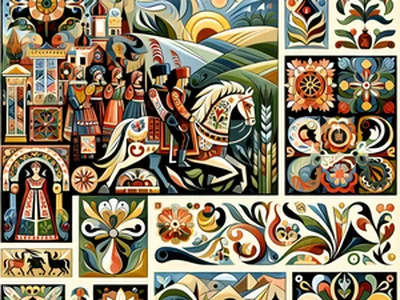
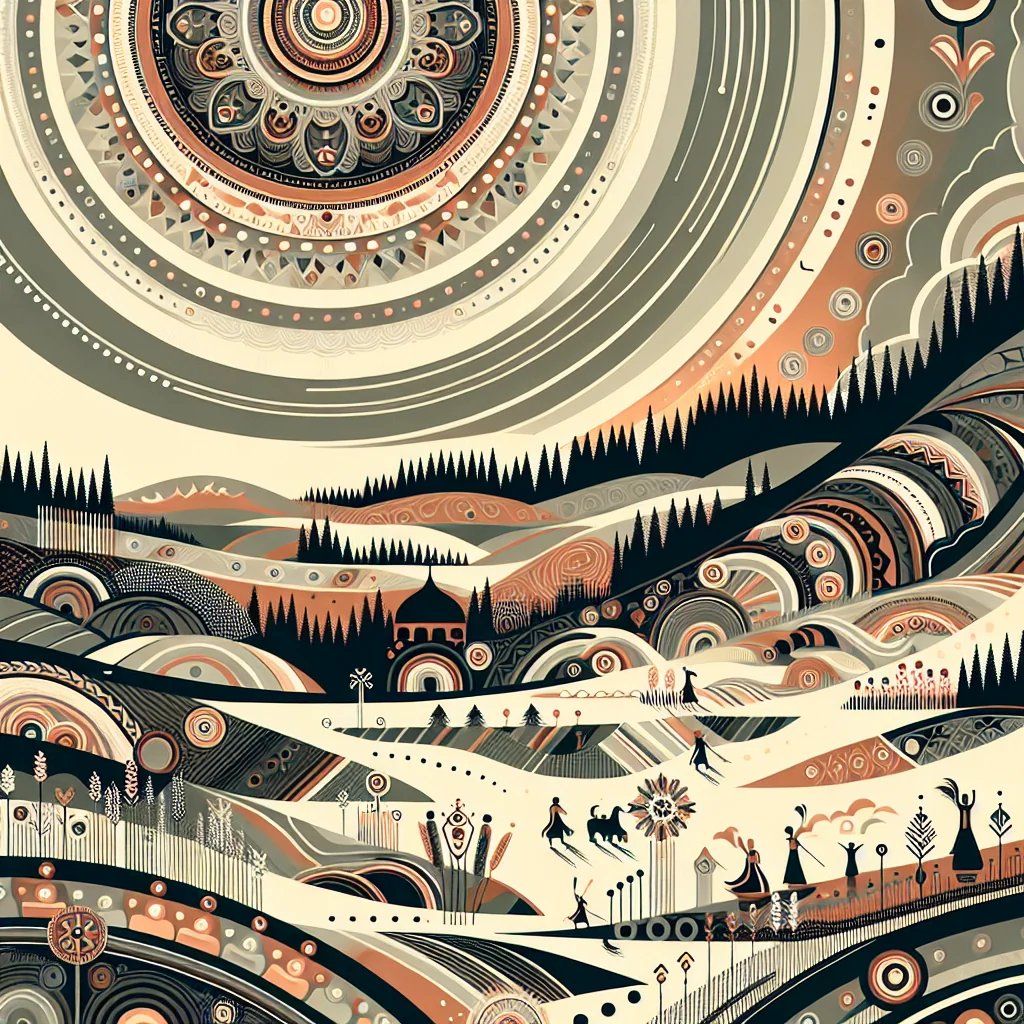
Buryat art includes traditional music, dance, and crafts, often reflecting spiritual themes.
Cultural Symbols Motifs
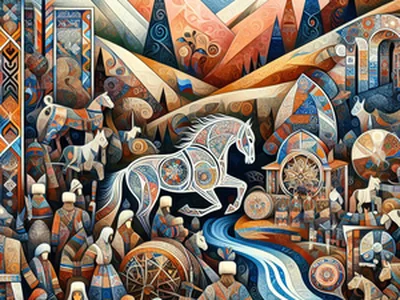
Common symbols include the yurt, horses, and Buddhist iconography.
What Brings Joy
Community gatherings, festivals, and traditional music are sources of joy.
Celebrations Joyful Traditions
Festivals such as Sagaalgan (New Year) are celebrated with music, dance, and rituals.
Cultural Calendar And Holidays
The Buryat calendar includes Buddhist and shamanic holidays, as well as seasonal festivals.
Additional Notes
Buryat culture is rich in oral traditions and storytelling, which are integral to cultural expression.
Economic Context And Occupations
Traditional occupations include herding, agriculture, and crafts, with increasing participation in modern professions.
Housing And Living Arrangements
Many Buryats live in yurts or traditional wooden houses, with urban migration leading to more modern housing.
Nutrition And Dietary Norms
The diet traditionally includes dairy, meat, and grains, with a focus on locally sourced foods.
Interpretation Needs
Interpretation services are often needed for Buryat speakers in healthcare and legal settings.
Interpreter Notes
Interpreters should be familiar with Buryat cultural nuances and dialects.
Documentation Traditions
Oral traditions are strong, with increasing efforts to document language and culture in written form.
Interactions With Other Cultures
Buryats have historically interacted with Mongols and Russians, influencing their culture.
Conflict Resolution Mechanisms
Traditional conflict resolution involves community elders and shamanic practices.
Cultural Exchange Programs
There are initiatives to promote cultural exchange with Mongolian and Russian communities.
Trade Relations
Historically, trade involved livestock and crafts, with modern trade expanding to various goods.
Shared Artistic Projects
Collaborations in music and art with neighboring cultures are common.
Intercultural Marriages
Intermarriage with Russians and Mongols has influenced cultural practices.
Shared Educational Initiatives
Educational programs often include cultural exchanges with neighboring regions.
Youth Perspectives
Buryat youth are increasingly engaged in preserving their culture while embracing modernity.
Education Initiatives
Programs focus on bilingual education and cultural heritage preservation.
Future Challenges
Challenges include cultural preservation amidst globalization and economic development.
Youth Employment Trends
Youth are moving towards diverse professions, balancing traditional and modern roles.
Future Visions
A future where Buryat culture thrives alongside modern advancements.
Youth Leadership Roles
Youth are taking active roles in cultural preservation and community leadership.
Innovation And Startups
There is a growing interest in startups that blend traditional knowledge with modern technology.
Festivals And Celebrations
Sagaalgan and other seasonal festivals celebrate cultural heritage and community.
Traditional Medicine Practices
Herbal remedies and spiritual healing are integral to Buryat medicine.
Environmental Practices
Sustainable herding and respect for nature are key environmental practices.
Rituals
Rituals often involve offerings to spirits and nature deities.
Rites Of Passage
Ceremonies mark life stages such as birth, marriage, and death, often involving community participation.
Culinary Traditions
Cuisine includes dishes like buuz (dumplings) and traditional dairy products.
Climate Adaptation Strategies
Adaptation includes traditional knowledge of weather patterns and sustainable practices.
Biodiversity Conservation
Efforts focus on preserving native species and traditional herding lands.
Sustainable Tourism Practices
Tourism initiatives emphasize cultural respect and environmental sustainability.
Renewable Energy Use
There is growing interest in integrating renewable energy into traditional practices.
Community Involvement In Practices
Community plays a central role in maintaining and adapting cultural and environmental practices.
Environmental Education Programs
Programs aim to educate youth on sustainable practices and cultural heritage.
Notable Figures
Dashi Namdakov, a renowned Buryat sculptor and artist.
Cultural Innovations
Innovations in blending traditional music with modern genres.
Literary Works
Buryat literature includes epic poetry and modern novels reflecting cultural themes.
Architectural Styles
Traditional yurts and wooden houses reflect Buryat architectural heritage.
Scientific Contributions
Contributions in ethnography and environmental sciences by Buryat scholars.
Culinary Innovations
Fusion of traditional Buryat cuisine with modern culinary techniques.
Global Influence
Buryat culture influences global understanding of Siberian and Mongolic traditions.
Awards And Recognition
Recognition in international art and cultural festivals for Buryat contributions.
Modern Influences
Influences from Russian and global cultures are evident in modern Buryat society.
Digital Presence
Increasing digital presence through social media and online cultural platforms.
Globalization Effects
Globalization brings both opportunities and challenges for cultural preservation.
Urbanization Effects
Urbanization leads to shifts in traditional lifestyles and increased cultural blending.
Technology Adoption
Adoption of technology in education and cultural preservation efforts.
Hybrid Cultural Forms
Emergence of cultural forms that blend traditional and modern elements.
Social Media Presence
Active social media presence helps in cultural promotion and community engagement.
Challenges
Challenges include cultural assimilation, language preservation, and economic pressures.
Preservation Efforts
Efforts focus on language revitalization, cultural education, and community initiatives.
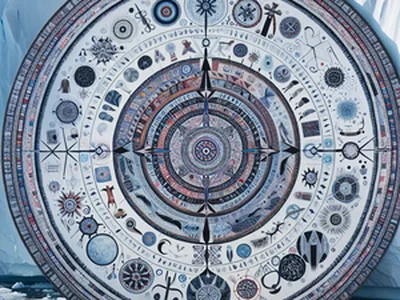
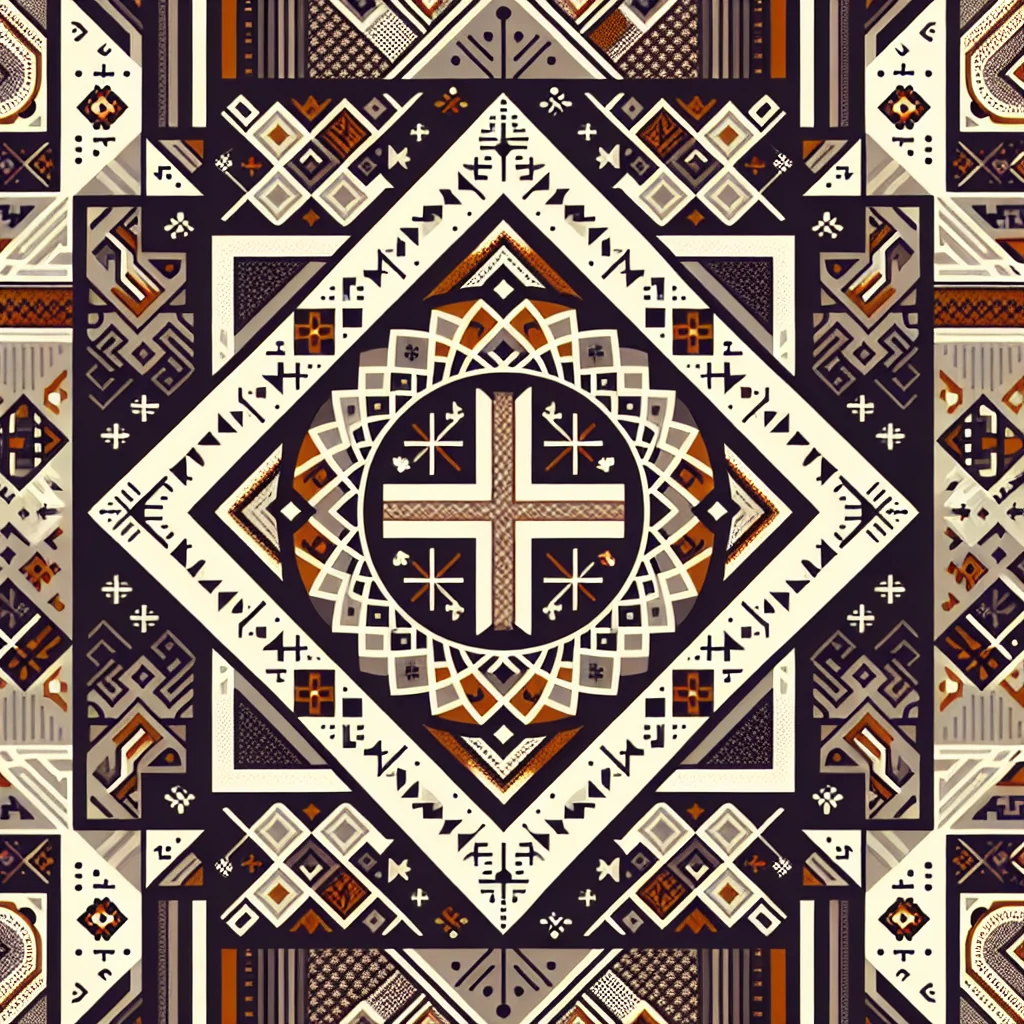
Cultural Artwork
Community Discussion
Further Reading
Explore credible external sources to deepen your understanding of Buryats culture.