
Hindustani
Northern India, parts of Pakistan HindiUrdu
Hindustani culture is a rich and diverse cultural tradition originating from the northern regions of the Indian subcontinent, encompassing a wide array of languages, arts, and traditions.
Historical Context
Hindustani culture has evolved over centuries, influenced by various empires such as the Maurya, Gupta, Mughal, and British. It is known for its syncretic traditions, blending Hindu and Islamic cultural elements.
Migration Patterns
Historically, there have been migrations due to trade, invasions, and colonialism, leading to a diverse cultural tapestry in the region.
Conflict And Resilience History
Hindustani culture has experienced numerous conflicts, including invasions by various empires such as the Mughals and the British. Despite these challenges, the culture has shown resilience by integrating diverse influences into its social fabric.
Diaspora Perspectives
The Hindustani diaspora is widespread, with significant communities in countries like the United States, Canada, and the United Kingdom. These communities often maintain cultural practices while adapting to their new environments.
Regional Variations
Within Hindustani culture, there are regional variations influenced by local languages, customs, and historical developments. For example, the cultural practices in Uttar Pradesh may differ from those in Bihar.
Bridging Notes
Hindustani culture serves as a bridge between various cultural traditions in South Asia, blending elements from Persian, Central Asian, and indigenous Indian cultures.
Spiritual And Religious Practices
Hindustani culture is predominantly influenced by Hinduism and Islam, with practices such as Diwali and Eid being widely celebrated. Spirituality often involves rituals, prayers, and festivals that emphasize community and family.
Beliefs And Worldview
The Hindustani worldview is shaped by a blend of religious and philosophical traditions, emphasizing values such as respect for elders, hospitality, and the importance of family and community.
Cultural Proverbs Sayings
Common proverbs include 'Atithi Devo Bhava' (The guest is God) and 'Satyameva Jayate' (Truth alone triumphs), reflecting the cultural emphasis on hospitality and truth.
Naming Conventions And Terms Of Address
Naming conventions often include a given name followed by a family name. Terms of address are respectful, with titles such as 'Ji' added to show respect.
Health And Mental Health
Health practices in Hindustani culture often integrate traditional medicine such as Ayurveda and Unani with modern healthcare. Mental health is sometimes stigmatized, but awareness is growing.
Mental Health Views
Mental health is often approached with a mix of traditional beliefs and modern medical practices. Stigma around mental health issues is reducing with increasing awareness.
Traditional Healers
Traditional healers, such as Ayurvedic practitioners and Unani doctors, play a significant role in rural and urban areas, often complementing modern healthcare.
Gender Roles In Healthcare
Gender roles in healthcare can be traditional, with women often being primary caregivers. However, there is an increasing acceptance of women in professional healthcare roles.
Healthcare Barriers
Barriers include economic constraints, lack of access in rural areas, and cultural stigmas associated with certain illnesses.
Education And Learning Styles
Education in Hindustani culture values rote learning and memorization, but there is a growing emphasis on critical thinking and creativity. Education is highly valued as a means of social mobility.
Learning Styles
Learning is often communal and oral, with a strong emphasis on memorization and respect for teachers. Modern education incorporates more interactive and critical thinking approaches.
Parental Engagement
Parents are highly involved in their children's education, often prioritizing academic success and encouraging participation in extracurricular activities.
Family And Social Structure
The family is the cornerstone of Hindustani social structure, often extending to include a large network of relatives. Joint families are common, and there is a strong emphasis on familial duties and responsibilities.
Discipline And Behavior
Discipline is often maintained through respect for elders and adherence to social norms. Children are taught to be obedient and respectful from a young age.
Authority Attitudes
Authority is generally respected, with elders and community leaders holding significant influence. Decisions are often made collectively, with input from senior family members.
Etiquette And Customs
Etiquette includes greeting with 'Namaste' or 'Salaam', removing shoes before entering homes, and showing respect to elders. Customs vary widely but often emphasize hospitality and community involvement.
Community Strengths Resilience
The Hindustani community is known for its resilience, with strong social networks and community support systems that help individuals and families navigate challenges.
Art Music And Expression
Hindustani culture is renowned for its classical music, including Hindustani classical music and dance forms like Kathak. Art and music are integral to cultural expression, often reflecting spiritual and historical themes.
Cultural Symbols Motifs
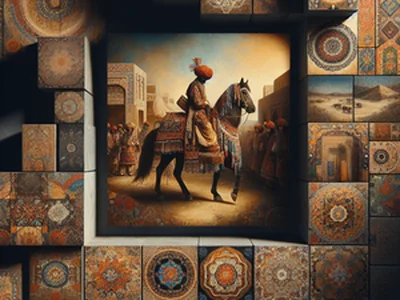
Common symbols include the lotus, peacock, and various religious icons. These motifs are prevalent in art, architecture, and textiles.
What Brings Joy
Joy is often found in community gatherings, festivals, music, dance, and family celebrations. Food and shared meals are also central to social joy.
Celebrations Joyful Traditions
Major celebrations include Diwali, Holi, and Eid, which are marked by vibrant festivities, communal meals, and traditional rituals.
Cultural Calendar And Holidays
The cultural calendar includes a mix of religious and seasonal festivals, with significant holidays like Diwali, Holi, Eid, and Navratri celebrated with enthusiasm.
Additional Notes
Hindustani culture is renowned for its classical music, dance forms like Kathak, and vibrant festivals such as Diwali and Holi, which are celebrated with great enthusiasm.
Economic Context And Occupations
The economy is diverse, with occupations ranging from agriculture and traditional crafts to modern industries and services. Economic opportunities vary significantly between urban and rural areas.
Housing And Living Arrangements
Housing varies from traditional homes in rural areas to modern apartments in urban centers. Joint family living is common, especially in rural regions.
Nutrition And Dietary Norms
Diet is largely influenced by regional availability and religious practices, with a focus on vegetarianism in many communities. Spices and diverse flavors are characteristic of Hindustani cuisine.
Interpretation Needs
Interpretation services are often required for languages such as Hindi, Urdu, and Punjabi, especially in healthcare and legal settings.
Interpreter Notes
When providing interpretation services, it is important to consider regional dialects and the potential for code-switching between Hindi and Urdu, depending on the context and audience.
Documentation Traditions
Documentation is traditionally oral, with a rich history of storytelling and oral literature, though written documentation has become more prevalent.
Interactions With Other Cultures
Hindustani culture has a long history of interaction with other cultures, including Persian, Central Asian, and Western influences, leading to a rich tapestry of cultural exchange.
Conflict Resolution Mechanisms
Traditional conflict resolution often involves community elders and panchayats (village councils) who mediate disputes and seek consensus.
Cultural Exchange Programs
There are numerous cultural exchange programs with countries like the UK and USA, focusing on arts and education.
Trade Relations
Historically, Hindustani regions have been part of major trade routes, facilitating cultural and economic exchanges with regions across Asia and beyond.
Shared Artistic Projects
Collaborations in music and film are common, especially with Western and other Asian cultures.
Intercultural Marriages
Intercultural marriages are becoming more common, especially in urban areas, reflecting a blending of traditions and increased cultural exchange.
Shared Educational Initiatives
Educational initiatives often involve partnerships with international universities and cultural institutions.
Youth Perspectives
Hindustani youth are increasingly global in outlook, valuing education and technology while maintaining cultural traditions. They often balance modern aspirations with traditional values.
Education Initiatives
There are numerous initiatives aimed at improving education access and quality, particularly in rural areas, with a focus on digital literacy and vocational training.
Future Challenges
Challenges include balancing modernization with cultural preservation, addressing economic disparities, and managing environmental sustainability.
Youth Employment Trends
Youth employment trends show a shift towards technology and service sectors, with increasing opportunities in startups and entrepreneurship.
Future Visions
The future vision for Hindustani culture includes embracing technological advancements while preserving cultural heritage and promoting sustainable development.
Youth Leadership Roles
Youth are increasingly taking on leadership roles in community organizations, social movements, and political arenas, driving change and innovation.
Innovation And Startups
There is a growing culture of innovation and startups, particularly in technology and creative industries, supported by government initiatives and private investment.
Festivals And Celebrations
Festivals such as Diwali, Holi, and Eid are celebrated with great enthusiasm, involving rituals, music, dance, and communal feasts.
Traditional Medicine Practices
Traditional medicine practices like Ayurveda and Unani are widely practiced, often alongside modern medical treatments.
Environmental Practices
Environmental practices include traditional methods of water conservation, sustainable agriculture, and reverence for nature as seen in religious and cultural rituals.
Rituals
Rituals are an integral part of life, marking events such as births, marriages, and religious festivals, often involving elaborate ceremonies and community participation.
Rites Of Passage
Rites of passage such as weddings, naming ceremonies, and coming-of-age rituals are significant, often involving elaborate customs and community gatherings.
Culinary Traditions
Hindustani cuisine is diverse, with a rich tradition of spices, vegetarian dishes, and sweets. Meals are often communal, emphasizing hospitality and sharing.
Climate Adaptation Strategies
Traditional knowledge is used in climate adaptation, such as rainwater harvesting and crop rotation, to mitigate the impacts of climate change.
Biodiversity Conservation
Conservation efforts include protecting sacred groves and promoting biodiversity through traditional agricultural practices.
Sustainable Tourism Practices
Sustainable tourism is encouraged through initiatives that promote cultural heritage and eco-friendly practices, benefiting local communities.
Renewable Energy Use
There is an increasing focus on renewable energy, with initiatives to harness solar and wind power, particularly in rural areas.
Community Involvement In Practices
Community involvement is crucial in environmental and cultural practices, with local groups often leading conservation and sustainability efforts.
Environmental Education Programs
Environmental education programs are being implemented to raise awareness about sustainability and conservation, particularly among youth.
Notable Figures
Notable figures include Mahatma Gandhi, Rabindranath Tagore, and Amartya Sen, who have made significant contributions to politics, literature, and economics.
Cultural Innovations
Cultural innovations include the development of classical music forms, architectural styles like Mughal architecture, and advancements in traditional crafts.
Literary Works
Hindustani literature is rich, with works by authors like Premchand and poets like Mirza Ghalib, reflecting the cultural and social milieu of the region.
Architectural Styles
Architectural styles include Mughal architecture, characterized by grand structures like the Taj Mahal, and traditional Hindu temple architecture.
Scientific Contributions
Scientific contributions include advancements in mathematics, astronomy, and medicine, with historical figures like Aryabhata and Sushruta.
Culinary Innovations
Culinary innovations include the development of diverse regional cuisines, with a focus on spices, vegetarian dishes, and sweets.
Global Influence
Hindustani culture has a global influence, seen in the popularity of Bollywood, yoga, and Indian cuisine worldwide.
Awards And Recognition
Hindustani culture and its contributors have received numerous awards, including Nobel Prizes and international recognition for contributions to arts and sciences.
Modern Influences
Modern influences include globalization, technology, and Western cultural elements, which are integrated into traditional practices, creating a dynamic cultural landscape.
Digital Presence
Hindustani culture has a strong digital presence, with social media platforms being used to share cultural content and connect with the diaspora.
Globalization Effects
Globalization has led to increased cultural exchange and economic opportunities, but also challenges in preserving traditional practices.
Urbanization Effects
Urbanization has transformed social structures, with nuclear families becoming more common and traditional practices adapting to urban lifestyles.
Technology Adoption
Technology adoption is widespread, with digital tools being used in education, healthcare, and cultural preservation.
Hybrid Cultural Forms
Hybrid cultural forms are emerging, blending traditional and modern elements in music, fashion, and art.
Social Media Presence
Social media is a key platform for cultural expression and community building, with many using it to promote cultural heritage and engage with global audiences.
Challenges
Challenges include balancing modernization with cultural preservation, addressing economic disparities, and managing environmental sustainability.
Preservation Efforts
Preservation efforts focus on documenting traditional practices, promoting cultural education, and supporting artisans and cultural practitioners.
Cultural Artwork
Community Discussion
Further Reading
Explore credible external sources to deepen your understanding of Hindustani culture.