

Alavi Bohras
Gujarat, India GujaratiArabicUrdu
The Alavi Bohras are a small Shia Muslim community primarily based in Gujarat, India, with a rich tradition of religious scholarship and cultural practices.
Historical Context
The Alavi Bohras trace their origins to the Fatimid Caliphate in Egypt and later migrated to India. They split from the Dawoodi Bohras in the 17th century over leadership disputes.
Migration Patterns
Primarily settled in Gujarat, with some migration to other parts of India and abroad for economic opportunities.
Conflict And Resilience History
The community has faced challenges due to its small size and distinct religious practices but has maintained resilience through strong community bonds and leadership.
Diaspora Perspectives
The diaspora maintains strong ties with the homeland through religious and cultural events, often returning for major celebrations.
Regional Variations
While primarily based in Gujarat, regional variations exist in practices due to local influences.
Bridging Notes
Efforts are ongoing to bridge generational gaps and maintain cultural continuity through education and community programs.
Spiritual And Religious Practices
The Alavi Bohras follow the teachings of the Da'i al-Mutlaq and observe Islamic rituals with a focus on community prayers, fasting, and religious education.
Beliefs And Worldview
They believe in the spiritual leadership of the Da'i and the importance of community welfare, education, and moral conduct.
Cultural Proverbs Sayings
Proverbs often emphasize community unity, faith, and the importance of knowledge.
Naming Conventions And Terms Of Address
Names often reflect Islamic heritage, with titles like 'Mulla' and 'Sheikh' used for religious leaders.
Health And Mental Health
Health is viewed holistically, with an emphasis on both physical and spiritual well-being. Community clinics often provide healthcare services.
Mental Health Views
Mental health is gaining recognition, with community leaders advocating for awareness and support.
Traditional Healers
While modern medicine is prevalent, traditional remedies are sometimes used, especially for minor ailments.
Gender Roles In Healthcare
Healthcare roles are traditionally gendered, but women are increasingly participating as healthcare professionals.
Healthcare Barriers
Barriers include limited access to specialized healthcare facilities in rural areas and cultural stigmas around mental health.
Education And Learning Styles
Education is highly valued, with a focus on religious and secular studies. Community schools often integrate both aspects.
Learning Styles
Learning is often communal, with an emphasis on memorization and oral transmission of religious texts.
Parental Engagement
Parents are actively involved in their children's education, often participating in school activities and religious instruction.
Family And Social Structure
The community is tightly knit, with extended families often living together. Social structure is hierarchical, with respect for elders and religious leaders.
Discipline And Behavior
Discipline is guided by religious teachings, with a focus on moral conduct and community harmony.
Authority Attitudes
Authority is respected, especially religious leaders who play a significant role in community decisions.
Etiquette And Customs
Customs emphasize respect, modesty, and hospitality. Greetings often include religious phrases.
Community Strengths Resilience
Strong community bonds and a shared religious identity contribute to resilience, especially in times of adversity.
Art Music And Expression
Art and music are often religiously themed, with calligraphy and devotional songs being popular forms of expression.
Cultural Symbols Motifs
Symbols such as the star and crescent, and motifs from Islamic art are prevalent.
What Brings Joy
Community gatherings, religious festivals, and family celebrations are sources of joy.
Celebrations Joyful Traditions
Major celebrations include Eid, Milad-un-Nabi, and community-specific religious events.
Cultural Calendar And Holidays
The Islamic lunar calendar guides religious observances, with additional community-specific events.
Economic Context And Occupations
Traditionally involved in trade and business, with many community members now in professional fields.
Housing And Living Arrangements
Housing is often communal, with extended families living together in close-knit neighborhoods.
Nutrition And Dietary Norms
Dietary practices are guided by Islamic laws, with an emphasis on halal food and traditional dishes.
Interpretation Needs
Interpretation may be needed for religious texts and community events, especially for younger generations.
Interpreter Notes
Interpreters should be familiar with religious terminology and cultural nuances.
Documentation Traditions
Documentation is often in Arabic and Gujarati, with religious texts being meticulously preserved.
Interactions With Other Cultures
The Alavi Bohras maintain cordial relations with other Muslim communities and engage in interfaith dialogues.
Conflict Resolution Mechanisms
Conflicts are often resolved through community mediation and religious guidance.
Cultural Exchange Programs
Participate in cultural exchange programs to promote understanding and cooperation.
Trade Relations
Historically involved in trade, maintaining business relations with other communities.
Shared Artistic Projects
Collaborations in art and music with other Islamic groups.
Intercultural Marriages
Intercultural marriages are rare but accepted with mutual respect for cultural practices.
Shared Educational Initiatives
Engage in educational initiatives with other communities to promote literacy and religious education.
Youth Perspectives
Youth are increasingly involved in community leadership and modernization efforts.
Education Initiatives
Scholarships and educational programs are provided to encourage higher education.
Future Challenges
Balancing tradition with modernity and addressing economic challenges.
Youth Employment Trends
Increasing participation in diverse professional fields, including technology and business.
Future Visions
A vision of a prosperous community that maintains its cultural heritage while embracing modern advancements.
Youth Leadership Roles
Youth are encouraged to take on leadership roles in community organizations and religious activities.
Innovation And Startups
Growing interest in entrepreneurship and startups, particularly in technology and service sectors.
Festivals And Celebrations
Celebrate religious festivals with community prayers, feasts, and charitable activities.
Traditional Medicine Practices
Use of herbal remedies and traditional healing practices alongside modern medicine.
Environmental Practices
Emphasis on cleanliness and environmental stewardship as part of religious teachings.
Rituals
Rituals include daily prayers, fasting during Ramadan, and specific community observances.
Rites Of Passage
Rites of passage include religious ceremonies for birth, marriage, and death.
Culinary Traditions
Cuisine includes a variety of traditional dishes, often prepared for religious and community events.
Climate Adaptation Strategies
Community initiatives focus on sustainable practices and adapting to local climate conditions.
Biodiversity Conservation
Efforts to conserve local biodiversity through community-led projects.
Sustainable Tourism Practices
Promote sustainable tourism that respects cultural and environmental values.
Renewable Energy Use
Increasing interest in renewable energy sources for community buildings.
Community Involvement In Practices
Community members actively participate in environmental and cultural preservation efforts.
Environmental Education Programs
Programs aimed at educating the community about environmental conservation and sustainability.
Notable Figures
Prominent religious leaders and scholars who have contributed to Islamic thought.
Cultural Innovations
Innovations in religious education and community organization.
Literary Works
Religious texts and scholarly works in Arabic and Gujarati.
Architectural Styles
Distinctive mosque architecture reflecting Islamic and local influences.
Scientific Contributions
Contributions in fields such as mathematics and astronomy during the Fatimid period.
Culinary Innovations
Unique fusion of traditional Gujarati and Islamic culinary practices.
Global Influence
Influence on other Bohra communities and Islamic scholarship.
Awards And Recognition
Recognition for community service and religious scholarship.
Modern Influences
Adapting to modern lifestyles while maintaining cultural traditions.
Digital Presence
Active online presence through community websites and social media.
Globalization Effects
Exposure to global cultures has led to a blend of traditional and modern practices.
Urbanization Effects
Urban migration has influenced lifestyle changes and increased access to education and employment.
Technology Adoption
Embracing technology for education, communication, and business.
Hybrid Cultural Forms
Development of hybrid cultural forms that integrate traditional and contemporary elements.
Social Media Presence
Engagement on social media platforms to connect with the global community and share cultural practices.
Challenges
Challenges include preserving cultural identity in the face of modernization and globalization.
Preservation Efforts
Efforts include cultural education programs and documentation of traditions.
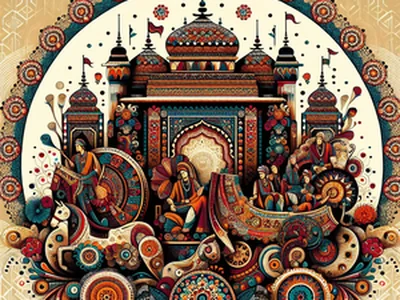
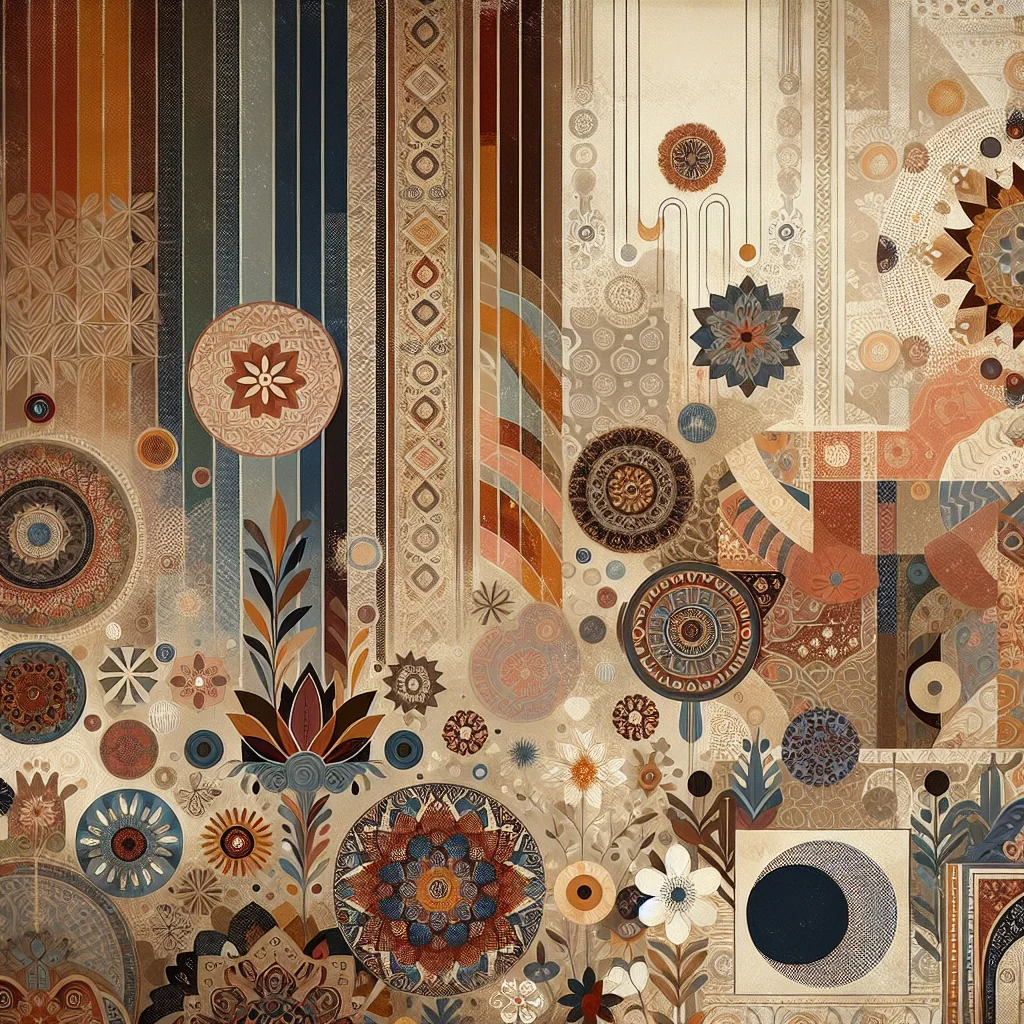
Cultural Artwork
Community Discussion
Further Reading
Explore credible external sources to deepen your understanding of Alavi Bohras culture.