

Burundian
East Africa KirundiFrenchEnglishSwahili
The Burundian culture is rich in traditions and customs, deeply rooted in the country's history and influenced by its ethnic diversity, primarily the Hutu, Tutsi, and Twa peoples. It is characterized by a strong sense of community, vibrant music and dance traditions, and a deep connection to the land.
Historical Context
Burundi has a complex history marked by its pre-colonial kingdoms, colonial rule by Germany and Belgium, and post-independence ethnic conflicts. The country gained independence in 1962, and its history has been shaped by tensions between the Hutu and Tutsi ethnic groups, leading to periods of violence and efforts towards reconciliation.
Migration Patterns
Migration in Burundi has been influenced by conflict, economic opportunities, and environmental factors. Many Burundians have sought refuge in neighboring countries during periods of conflict, while others have migrated internally from rural to urban areas in search of better livelihoods.
Conflict And Resilience History
Burundi has experienced significant conflict, particularly during the civil war from 1993 to 2005. Despite this, the Burundian people have shown resilience through community rebuilding and peace-building efforts.
Diaspora Perspectives
The Burundian diaspora maintains strong ties to their homeland, often participating in cultural events and remittances to support family members.
Regional Variations
Cultural practices can vary between regions, with differences in dialects, traditional attire, and local customs.
Bridging Notes
Efforts to bridge cultural gaps often focus on promoting peace and reconciliation through dialogue and cultural exchange programs.
Spiritual And Religious Practices
The majority of Burundians are Christian, with Catholicism being the predominant denomination. Traditional beliefs and practices are also observed, often intertwined with Christian rituals.
Beliefs And Worldview
Burundians value community, family, and respect for elders. There is a strong belief in the power of community support and collective responsibility.
Cultural Proverbs Sayings
Proverbs are an integral part of Burundian communication, often used to convey wisdom and cultural values.
Naming Conventions And Terms Of Address
Names often have significant meanings, reflecting family heritage or desired traits. Respectful terms of address are important, especially when speaking to elders.
Health And Mental Health
Health care access is limited in rural areas, with traditional medicine playing a significant role. Mental health is often stigmatized, but community support is a key coping mechanism.
Mental Health Views
Mental health in Burundian culture is often approached with caution due to stigma. Traditional beliefs may attribute mental health issues to spiritual causes, and there is a reliance on community and family support for coping.
Traditional Healers
Traditional healers, known as 'abavuzi,' play a significant role in Burundian healthcare, offering herbal remedies and spiritual guidance. They are often consulted alongside or instead of modern medical practitioners.
Gender Roles In Healthcare
Women are often primary caregivers, but decision-making in healthcare can be male-dominated.
Healthcare Barriers
Barriers to healthcare in Burundi include limited access to medical facilities, financial constraints, and cultural beliefs that may prioritize traditional medicine over modern healthcare. Language barriers and a lack of healthcare professionals also pose challenges.
Education And Learning Styles
Education is highly valued, with a focus on rote learning and respect for teachers. However, access to quality education can be limited, particularly in rural areas.
Learning Styles
Burundian learning styles are often communal and oral, with a strong emphasis on storytelling and practical knowledge. Education is highly valued, but access can be limited by economic and geographic factors.
Parental Engagement
Parents are actively involved in their children's education, often prioritizing it despite economic challenges.
Family And Social Structure
The family is the central unit of social structure, often extending beyond the nuclear family to include a wide network of relatives.
Discipline And Behavior
Discipline is typically strict, with an emphasis on respect and obedience to elders.
Authority Attitudes
Authority figures, such as community leaders and elders, are highly respected and play a crucial role in decision-making.
Etiquette And Customs
Greetings are important, often involving handshakes and inquiries about family. Hospitality is a key cultural value.
Community Strengths Resilience
Community resilience is evident in the strong social networks and mutual support systems that help individuals and families cope with challenges.
Art Music And Expression
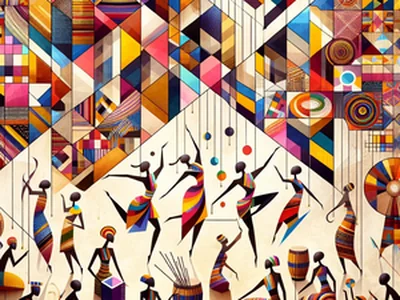
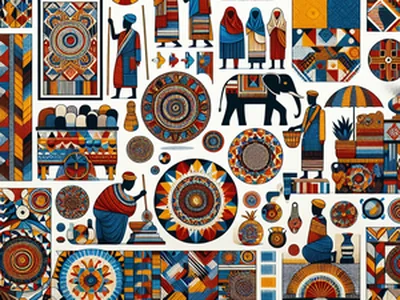
Music and dance are vital forms of expression, with traditional drumming being particularly significant. Art often reflects cultural stories and historical events.
Cultural Symbols Motifs
The drum is a powerful cultural symbol, representing unity and communication.
What Brings Joy
Community gatherings, music, dance, and storytelling are sources of joy and cultural pride.
Celebrations Joyful Traditions
Important celebrations include weddings, harvest festivals, and national holidays, often marked by communal feasts and traditional performances.
Cultural Calendar And Holidays
Key holidays include Independence Day and Unity Day, celebrated with public events and cultural displays.
Additional Notes
Burundian culture is renowned for its drumming, particularly the Royal Drummers of Burundi, which is a UNESCO Intangible Cultural Heritage. Dance and music are integral to celebrations and community gatherings, reflecting the country's rich cultural heritage.
Economic Context And Occupations
Agriculture is the backbone of the economy, with many Burundians engaged in subsistence farming. Other occupations include small-scale trade and artisanal crafts.
Housing And Living Arrangements
Housing varies from urban to rural areas, with traditional homes often made from local materials like mud and thatch.
Nutrition And Dietary Norms
The diet is primarily plant-based, featuring staples like beans, maize, and bananas. Meat is consumed less frequently, often reserved for special occasions.
Interpretation Needs
Interpretation services are often required for non-Kirundi speakers, particularly in healthcare and legal settings.
Interpreter Notes
Interpreters should be culturally sensitive and aware of local dialects and nuances.
Documentation Traditions
Documentation in Burundian culture often relies on oral traditions, with stories and histories passed down through generations. Written documentation is becoming more common, especially in urban areas and formal settings.
Interactions With Other Cultures
Burundians interact with neighboring cultures through trade and regional cooperation, fostering mutual understanding.
Conflict Resolution Mechanisms
Traditional conflict resolution involves community elders and dialogue, emphasizing reconciliation and peace.
Cultural Exchange Programs
Programs often focus on youth and education, promoting cultural understanding and collaboration.
Trade Relations
Burundi engages in trade with neighboring countries, primarily in agricultural products and crafts.
Shared Artistic Projects
Collaborative artistic projects often involve music and dance, celebrating shared cultural heritage.
Intercultural Marriages
Intercultural marriages are common, particularly with neighboring Rwandan and Tanzanian communities.
Shared Educational Initiatives
Educational initiatives often focus on language exchange and cultural studies, enhancing regional cooperation.
Youth Perspectives
Burundian youth are increasingly focused on education and employment opportunities, seeking to improve their future prospects.
Education Initiatives
Initiatives aim to improve access to education, particularly for girls and rural communities.
Future Challenges
Challenges include unemployment, political instability, and limited access to resources.
Youth Employment Trends
Youth are increasingly seeking opportunities in urban areas and the informal sector.
Future Visions
There is a strong desire for peace, stability, and economic development, with youth playing a key role in shaping the future.
Youth Leadership Roles
Youth are taking on leadership roles in community development and advocacy, driving social change.
Innovation And Startups
Entrepreneurship is growing, with young people exploring innovative solutions to local challenges.
Festivals And Celebrations
Festivals often celebrate harvests, historical events, and religious occasions, featuring music, dance, and communal meals.
Traditional Medicine Practices
Traditional medicine is widely practiced, with herbal remedies and spiritual healing playing key roles.
Environmental Practices
Environmental conservation is becoming increasingly important, with community-led initiatives to protect natural resources.
Rituals
Rituals often mark life events such as births, marriages, and funerals, involving community participation and traditional customs.
Rites Of Passage
Rites of passage are significant, marking transitions such as adulthood with ceremonies and celebrations.
Culinary Traditions
Cuisine is characterized by the use of local ingredients, with dishes like isombe (cassava leaves) and ugali (maize porridge) being staples.
Climate Adaptation Strategies
Communities are adopting sustainable farming practices to adapt to climate change and ensure food security.
Biodiversity Conservation
Efforts focus on protecting biodiversity through community education and sustainable land management.
Sustainable Tourism Practices
Tourism initiatives emphasize cultural heritage and environmental conservation, promoting responsible travel.
Renewable Energy Use
Renewable energy projects are being developed to provide sustainable power solutions, particularly in rural areas.
Community Involvement In Practices
Community involvement is crucial, with local groups leading conservation and sustainability efforts.
Environmental Education Programs
Programs aim to raise awareness about environmental issues and promote sustainable practices among youth.
Notable Figures
Notable figures include Prince Louis Rwagasore, a key figure in Burundi's independence movement.
Cultural Innovations
Burundian drumming is renowned worldwide, recognized for its cultural significance and artistry.
Literary Works
Burundian literature often explores themes of identity, history, and social change, with authors gaining recognition for their contributions.
Architectural Styles
Traditional architecture features round houses with thatched roofs, reflecting local materials and climate considerations.
Scientific Contributions
Scientific research is growing, particularly in agriculture and environmental sciences, addressing local challenges.
Culinary Innovations
Culinary innovations focus on modern interpretations of traditional dishes, incorporating local ingredients in new ways.
Global Influence
Burundian culture influences global music and dance, with traditional drumming and performances gaining international acclaim.
Awards And Recognition
Burundian artists and cultural figures have received international recognition for their contributions to music, literature, and the arts.
Modern Influences
Globalization has introduced new cultural influences, seen in fashion, music, and technology adoption.
Digital Presence
Digital platforms are increasingly used for cultural expression and communication, particularly among youth.
Globalization Effects
Globalization has brought both opportunities and challenges, influencing cultural practices and economic activities.
Urbanization Effects
Urbanization is changing social dynamics, with increased access to education and employment in cities.
Technology Adoption
Technology adoption is growing, with mobile phones and internet access becoming more widespread.
Hybrid Cultural Forms
Hybrid cultural forms are emerging, blending traditional and modern elements in music, fashion, and art.
Social Media Presence
Social media is a key platform for cultural exchange and expression, connecting Burundians locally and globally.
Challenges
Challenges include preserving cultural heritage amidst modernization and addressing social issues like poverty and inequality.
Preservation Efforts
Efforts focus on documenting cultural practices and promoting traditional arts through education and community programs.
Cultural Artwork
Community Discussion
Further Reading
Explore credible external sources to deepen your understanding of Burundian culture.