
Indian
South Asia HindiEnglishBengaliTelugu
Indian culture is a rich tapestry of traditions, languages, and religions, deeply rooted in history and diversity.
Historical Context
Indian culture has a history that dates back over 5,000 years, with influences from the Indus Valley Civilization, Vedic period, Mughal Empire, and British colonial rule.
Migration Patterns
India has experienced significant migration both within its borders and internationally, with large diasporas in the United States, United Kingdom, Canada, and the Middle East.
Conflict And Resilience History
India has faced numerous conflicts, including colonial struggles and partition, but has shown resilience through its commitment to democracy and secularism.
Diaspora Perspectives
The Indian diaspora maintains strong cultural ties to India, often celebrating traditional festivals and maintaining language and religious practices abroad.
Regional Variations
India's culture varies significantly by region, with distinct languages, cuisines, and traditions in the North, South, East, and West.
Bridging Notes
Efforts to bridge cultural differences within India include promoting national unity through education and media, while respecting regional identities.
Spiritual And Religious Practices
India is home to major religions such as Hinduism, Islam, Christianity, Sikhism, Buddhism, and Jainism, each with unique practices and festivals.
Beliefs And Worldview
Indian worldview often emphasizes karma, dharma, and the interconnectedness of life, with a strong belief in spirituality and the afterlife.
Cultural Proverbs Sayings
Common proverbs include 'Atithi Devo Bhava' (The guest is God) and 'Unity in Diversity', reflecting hospitality and cultural pluralism.
Naming Conventions And Terms Of Address
Naming conventions often include a given name followed by a family name or caste identifier. Respectful terms of address include 'Ji' and 'Sahib'.
Health And Mental Health
Health practices in India blend modern medicine with traditional practices like Ayurveda and Yoga. Mental health awareness is growing, though stigma remains.
Mental Health Views
Mental health is often stigmatized, but awareness is increasing with more open discussions and access to mental health services.
Traditional Healers
Traditional healers, such as Ayurvedic practitioners and homeopaths, play a significant role in healthcare, especially in rural areas.
Gender Roles In Healthcare
Gender roles can influence healthcare access, with women sometimes facing barriers to receiving care due to societal norms.
Healthcare Barriers
Barriers include economic disparities, rural access issues, and cultural stigmas around certain health conditions.
Education And Learning Styles
Indian education emphasizes rote learning and examinations, though there is a growing focus on critical thinking and creativity.
Learning Styles
Learning styles vary, with a strong emphasis on memorization and discipline, but increasingly incorporating interactive and digital methods.
Parental Engagement
Parents are highly involved in their children's education, often prioritizing academic success and extracurricular achievements.
Family And Social Structure
The family is the cornerstone of Indian society, often extending beyond the nuclear family to include grandparents and other relatives.
Discipline And Behavior
Discipline is often strict, with respect for elders and authority figures emphasized in upbringing.
Authority Attitudes
Respect for authority is deeply ingrained, with deference shown to elders, teachers, and community leaders.
Etiquette And Customs
Indian etiquette includes greeting with 'Namaste', removing shoes before entering homes, and using the right hand for eating and giving.
Community Strengths Resilience
Indian communities are known for their resilience, strong social networks, and support systems, particularly in times of crisis.
Art Music And Expression
India has a rich tradition of art and music, including classical dance forms like Bharatanatyam, and music genres like Hindustani and Carnatic.
Cultural Symbols Motifs
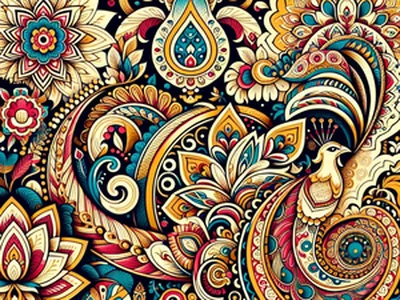
Symbols such as the lotus, peacock, and Om are significant, representing purity, beauty, and spirituality.
What Brings Joy
Festivals, family gatherings, and cultural performances bring joy and are integral to Indian life.
Celebrations Joyful Traditions
Major celebrations include Diwali, Holi, Eid, and Christmas, each marked by unique customs and communal joy.
Cultural Calendar And Holidays
The Indian calendar is filled with diverse festivals and holidays, reflecting its multi-religious and multicultural society.
Additional Notes
Indian culture is a dynamic blend of tradition and modernity, continuously evolving while preserving its rich heritage.
Economic Context And Occupations
India's economy is diverse, with agriculture, manufacturing, and services sectors. IT and software services are significant contributors.
Housing And Living Arrangements
Living arrangements range from urban apartments to rural homes, with joint family systems common in many areas.
Nutrition And Dietary Norms
Indian cuisine is diverse, with a strong emphasis on spices and vegetarianism, influenced by religious and regional practices.
Interpretation Needs
Interpretation services are often needed due to India's linguistic diversity, especially in healthcare and legal settings.
Interpreter Notes
Interpreters should be aware of regional dialects and cultural nuances to effectively communicate across languages.
Documentation Traditions
Documentation is traditionally oral, but written records are increasingly important, especially in legal and educational contexts.
Interactions With Other Cultures
India has a long history of cultural exchange, influencing and being influenced by other cultures through trade and migration.
Conflict Resolution Mechanisms
Traditional conflict resolution includes community mediation and panchayat systems.
Cultural Exchange Programs
India participates in numerous cultural exchange programs, promoting mutual understanding and collaboration.
Trade Relations
India has extensive trade relations globally, historically known for its spice trade and now a major player in IT and textiles.
Shared Artistic Projects
Collaborations in film, music, and art are common, showcasing India's cultural richness on the global stage.
Intercultural Marriages
Intercultural marriages are increasingly common, reflecting India's openness and global connections.
Shared Educational Initiatives
India engages in educational partnerships, offering scholarships and exchange programs to foster global learning.
Youth Perspectives
Indian youth are increasingly global in outlook, balancing traditional values with modern aspirations.
Education Initiatives
Government and private initiatives focus on improving education quality and accessibility, particularly in rural areas.
Future Challenges
Challenges include economic inequality, job creation, and balancing modernization with cultural preservation.
Youth Employment Trends
Youth employment is growing in sectors like IT, services, and entrepreneurship, though unemployment remains a concern.
Future Visions
India envisions a future of technological advancement, economic growth, and cultural preservation.
Youth Leadership Roles
Youth are taking on leadership roles in politics, business, and social movements, driving change and innovation.
Innovation And Startups
India is a hub for startups and innovation, particularly in technology and sustainable development.
Festivals And Celebrations
Festivals like Diwali, Holi, and Eid are celebrated with enthusiasm, reflecting India's religious and cultural diversity.
Traditional Medicine Practices
Ayurveda and Yoga are integral to Indian traditional medicine, emphasizing holistic health and wellness.
Environmental Practices
Traditional practices include water conservation and sustainable agriculture, though modern challenges persist.
Rituals
Rituals vary by religion and region, often marking life events and religious observances with specific customs.
Rites Of Passage
Rites of passage such as weddings and coming-of-age ceremonies are significant, often involving elaborate rituals.
Culinary Traditions
Indian cuisine is diverse, with regional specialties and a strong emphasis on spices and vegetarian dishes.
Climate Adaptation Strategies
India is developing strategies to address climate change impacts, focusing on renewable energy and sustainable practices.
Biodiversity Conservation
Efforts include wildlife protection laws and conservation programs to preserve India's rich biodiversity.
Sustainable Tourism Practices
Sustainable tourism is promoted to protect cultural heritage and natural resources while supporting local economies.
Renewable Energy Use
India is investing in renewable energy sources like solar and wind to reduce reliance on fossil fuels.
Community Involvement In Practices
Community involvement is crucial in environmental and cultural preservation efforts, fostering local stewardship.
Environmental Education Programs
Programs aim to raise awareness about environmental issues and promote sustainable practices among youth.
Notable Figures
Figures like Mahatma Gandhi, Rabindranath Tagore, and A.P.J. Abdul Kalam have made significant contributions to global culture and thought.
Cultural Innovations
India has contributed to global culture through innovations in mathematics, philosophy, and the arts.
Literary Works
Indian literature is rich, with classical texts like the Vedas and modern works by authors like Arundhati Roy and Salman Rushdie.
Architectural Styles
Indian architecture includes iconic styles like Mughal, Dravidian, and Indo-Saracenic, seen in landmarks like the Taj Mahal.
Scientific Contributions
India has made significant contributions to science, particularly in mathematics, astronomy, and medicine.
Culinary Innovations
Indian cuisine has introduced global audiences to spices and dishes like curry, influencing culinary traditions worldwide.
Global Influence
India's cultural influence is global, seen in its diaspora, Bollywood, and contributions to technology and philosophy.
Awards And Recognition
Indian individuals and works have received global recognition, including Nobel Prizes and international film awards.
Modern Influences
Modern influences include Western fashion, technology, and media, blending with traditional Indian elements.
Digital Presence
India has a strong digital presence, with widespread use of social media and digital platforms for communication and commerce.
Globalization Effects
Globalization has led to increased cultural exchange and economic integration, impacting traditional lifestyles.
Urbanization Effects
Urbanization is rapidly transforming Indian cities, leading to challenges and opportunities in infrastructure and lifestyle.
Technology Adoption
India is a leader in technology adoption, particularly in mobile and internet usage, driving economic growth.
Hybrid Cultural Forms
Hybrid cultural forms are emerging, blending traditional Indian elements with global influences in music, fashion, and art.
Social Media Presence
Social media is a powerful tool in India, used for communication, activism, and cultural expression.
Challenges
Challenges include preserving cultural heritage amidst modernization, addressing social inequalities, and managing environmental impacts.
Preservation Efforts
Efforts include government and NGO initiatives to protect cultural sites, promote traditional arts, and support indigenous communities.
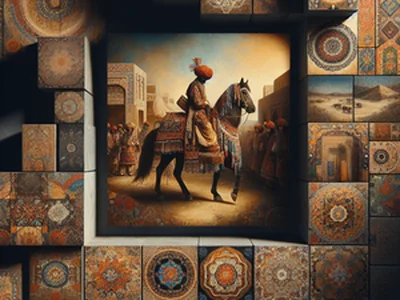
Cultural Artwork
Community Discussion
Further Reading
Explore credible external sources to deepen your understanding of Indian culture.