
Brahui
Balochistan, Pakistan; parts of Afghanistan and Iran BrahuiBalochiUrdu
The Brahui people are an ethnic group primarily found in the Balochistan region of Pakistan, with smaller populations in Afghanistan and Iran. They are known for their distinct Dravidian language and cultural practices.
Historical Context
The Brahui people are believed to have migrated from South India to their current location around 1000 years ago. Their history is intertwined with the Baloch people, with whom they share cultural and social ties.
Migration Patterns
Historically, the Brahui have been semi-nomadic, moving between highlands and lowlands depending on the season. Modern migration includes movement to urban areas for economic opportunities.
Conflict And Resilience History
The Brahui have faced challenges due to regional conflicts and political instability in Balochistan. Despite this, they have maintained their cultural identity through strong community ties.
Diaspora Perspectives
Brahui diaspora communities are primarily found in the Middle East and Europe, where they maintain cultural practices and language through community organizations.
Regional Variations
There are slight variations in dialect and cultural practices among Brahui communities in Pakistan, Afghanistan, and Iran, influenced by local cultures.
Bridging Notes
Efforts to bridge cultural gaps include promoting Brahui language education and cultural exchange programs with neighboring ethnic groups.
Spiritual And Religious Practices
The majority of Brahui people practice Islam, predominantly Sunni, with some Sufi influences. Religious festivals and rituals are integral to their cultural identity.
Beliefs And Worldview
Brahui culture emphasizes community, hospitality, and respect for elders. Their worldview is shaped by a blend of Islamic principles and traditional customs.
Cultural Proverbs Sayings
Proverbs in Brahui often reflect values such as wisdom, patience, and the importance of family and community.
Naming Conventions And Terms Of Address
Names are often derived from Arabic or Persian origins, reflecting Islamic influence. Respectful terms of address are important in social interactions.
Health And Mental Health
Traditional medicine and herbal remedies are commonly used alongside modern healthcare. Access to healthcare can be limited in rural areas.
Mental Health Views
Mental health is often viewed through a traditional lens, with stigma surrounding mental illness. Community support plays a crucial role in mental well-being.
Traditional Healers
Traditional healers, known as 'hakims', are respected figures who use herbal medicine and spiritual practices to treat ailments.
Gender Roles In Healthcare
Women often manage health-related decisions within the family, though access to healthcare for women can be restricted by cultural norms.
Healthcare Barriers
Barriers include geographical isolation, economic constraints, and cultural beliefs that may discourage seeking formal medical care.
Education And Learning Styles
Education is valued, but access can be limited in rural areas. Emphasis is placed on memorization and oral learning traditions.
Learning Styles
Learning is often communal, with storytelling and oral recitation being key methods of knowledge transmission.
Parental Engagement
Parents are actively involved in their children's education, often prioritizing religious and cultural education alongside formal schooling.
Family And Social Structure
The Brahui social structure is clan-based, with extended families living together. Elders hold significant authority and influence.
Discipline And Behavior
Discipline is typically enforced through community norms and family expectations, with a strong emphasis on respect and obedience.
Authority Attitudes
Respect for authority figures, such as elders and community leaders, is deeply ingrained in Brahui culture.
Etiquette And Customs
Hospitality is a key custom, with guests treated with great respect. Social interactions are guided by traditional etiquette.
Community Strengths Resilience
Strong community bonds and cultural pride contribute to resilience in the face of socio-economic challenges.
Art Music And Expression
Brahui music features traditional instruments like the 'dhol' and 'surnai'. Folk songs and dances are integral to cultural celebrations.
Cultural Symbols Motifs
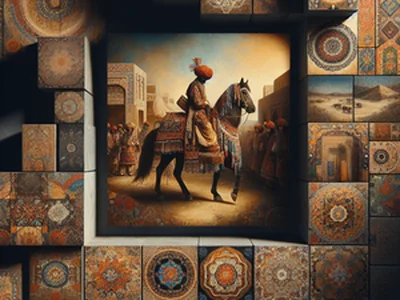
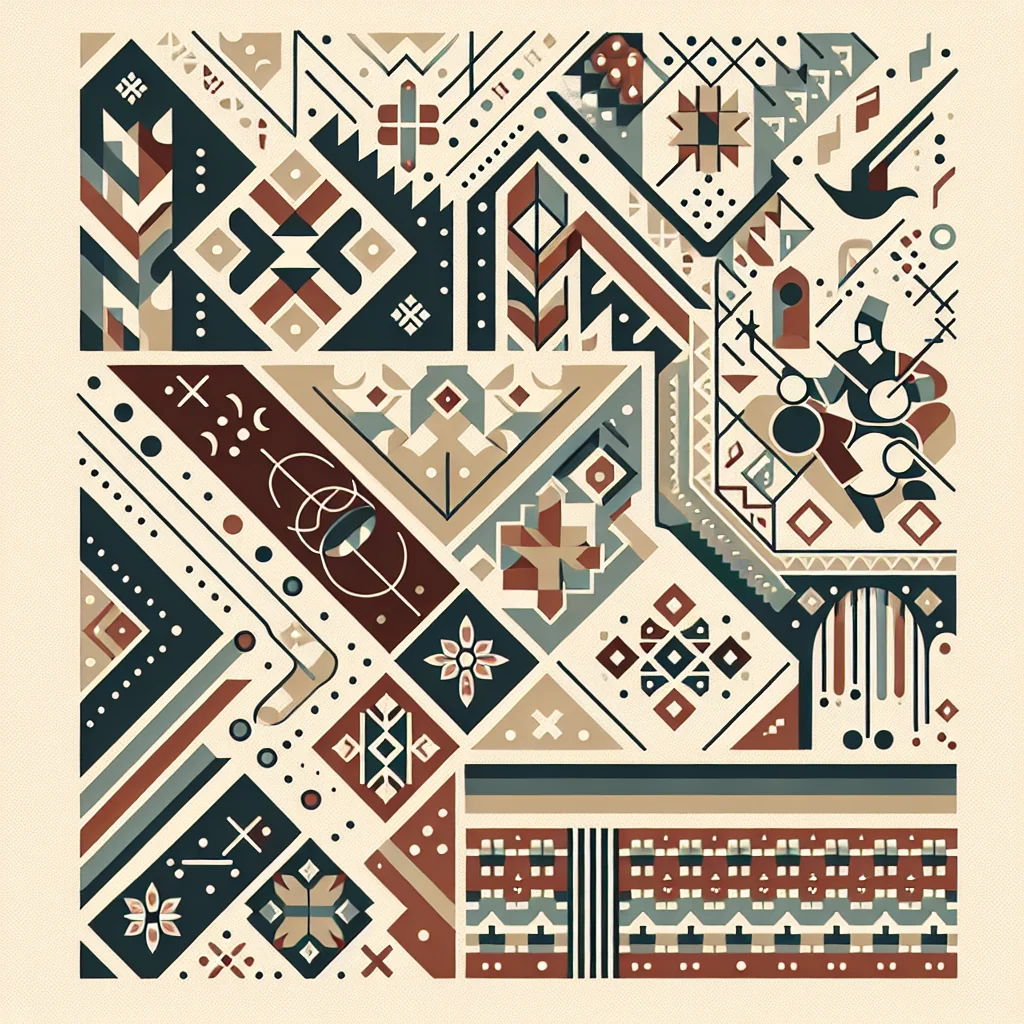
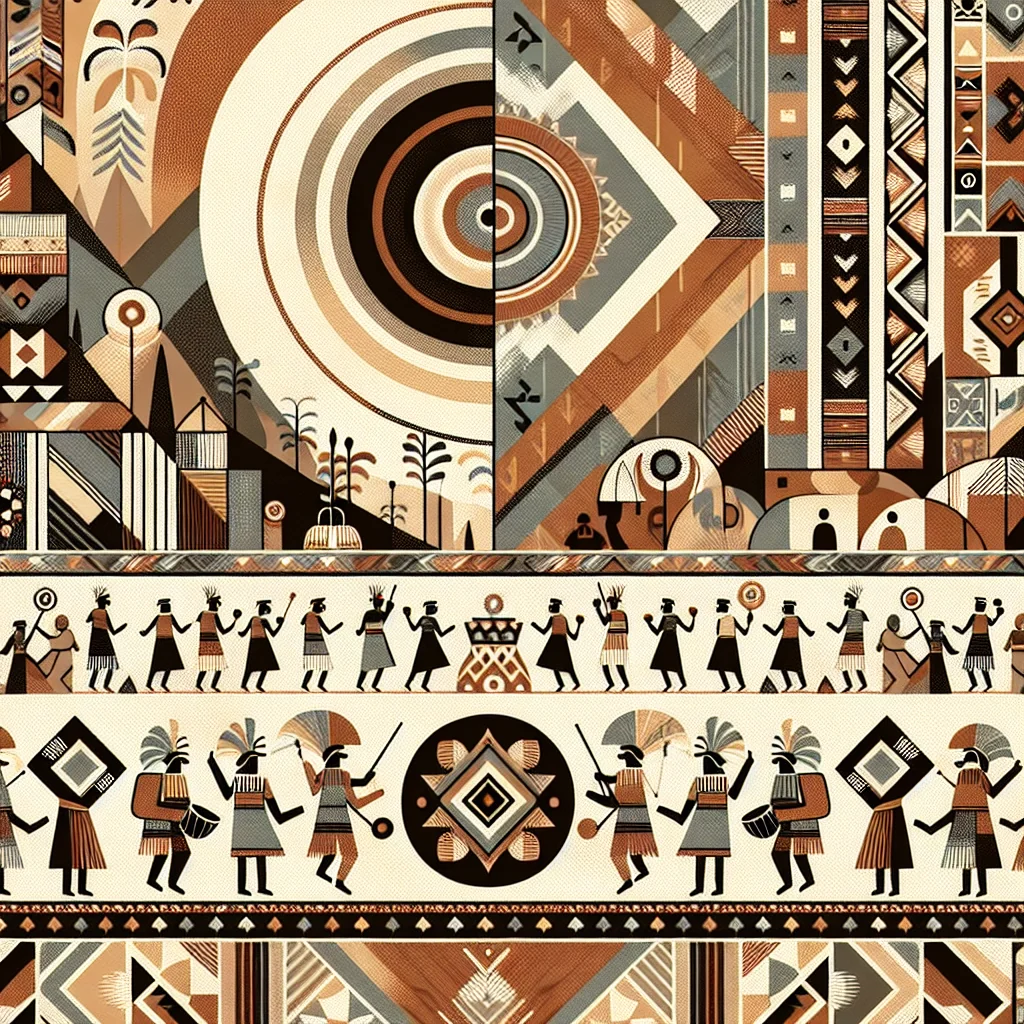
Common motifs include geometric patterns and floral designs, often seen in traditional crafts and textiles.
What Brings Joy
Community gatherings, music, and storytelling are sources of joy and cultural expression for the Brahui people.
Celebrations Joyful Traditions
Festivals such as Eid and local harvest celebrations are marked by communal feasting, music, and dance.
Cultural Calendar And Holidays
The Islamic calendar guides religious observances, with additional local festivals celebrating seasonal changes and agricultural cycles.
Additional Notes
Brahui cultural expression is a blend of traditional and Islamic influences, reflecting their unique historical journey.
Economic Context And Occupations
The Brahui economy is primarily agrarian, with livestock herding and agriculture being main occupations. Urban migration has increased employment in diverse sectors.
Housing And Living Arrangements
Housing varies from traditional mud-brick homes in rural areas to modern structures in urban settings. Extended families often live together.
Nutrition And Dietary Norms
Diet is largely based on locally available produce, with wheat, rice, and dairy being staples. Meat is consumed during special occasions.
Interpretation Needs
Brahui speakers may require interpretation services in healthcare and legal settings, especially in regions where Urdu or Balochi are dominant.
Interpreter Notes
Interpreters should be aware of cultural nuances and the importance of respectful communication in Brahui culture.
Documentation Traditions
Oral tradition is strong, with storytelling and poetry being key methods of preserving history and culture.
Interactions With Other Cultures
The Brahui have historically interacted with neighboring Baloch and Sindhi cultures, sharing and exchanging cultural practices.
Conflict Resolution Mechanisms
Traditional councils, known as 'jirgas', play a role in resolving disputes within the community.
Cultural Exchange Programs
Efforts to promote cultural understanding include exchange programs with neighboring ethnic groups and participation in regional cultural festivals.
Trade Relations
Trade with neighboring regions has historically included livestock, textiles, and agricultural products.
Shared Artistic Projects
Collaborative artistic projects often involve music and dance, reflecting shared cultural heritage with neighboring groups.
Intercultural Marriages
Intercultural marriages occur, often strengthening ties with neighboring ethnic groups and fostering cultural exchange.
Shared Educational Initiatives
Educational initiatives sometimes involve collaboration with Baloch and Sindhi communities to promote literacy and cultural education.
Youth Perspectives
Brahui youth are increasingly engaging with global cultures through media and education, while maintaining a strong connection to their heritage.
Education Initiatives
Initiatives to improve education access focus on bilingual education and preserving the Brahui language.
Future Challenges
Challenges include balancing modernization with cultural preservation and addressing economic disparities.
Youth Employment Trends
Youth employment is shifting from traditional agriculture to diverse sectors in urban areas, including technology and services.
Future Visions
The Brahui envision a future where cultural heritage is preserved alongside economic and educational advancement.
Youth Leadership Roles
Youth are taking on leadership roles in community development and cultural preservation efforts.
Innovation And Startups
There is growing interest in entrepreneurship, with young Brahui exploring startups in technology and sustainable agriculture.
Festivals And Celebrations
Festivals are vibrant, involving music, dance, and communal meals. They often mark religious and seasonal events.
Traditional Medicine Practices
Herbal remedies and spiritual healing are common, with traditional knowledge passed down through generations.
Environmental Practices
Sustainable farming and livestock management are traditional practices, reflecting a deep connection to the land.
Rituals
Rituals often accompany life events such as births, marriages, and deaths, blending Islamic and traditional elements.
Rites Of Passage
Rites of passage, such as coming-of-age ceremonies, are significant, marking transitions in social status.
Culinary Traditions
Cuisine is rich in flavors, with dishes like 'sajji' (roasted meat) and 'kaak' (bread) being popular.
Climate Adaptation Strategies
Adaptation strategies include water conservation and crop diversification to cope with arid conditions.
Biodiversity Conservation
Traditional practices support biodiversity, with community efforts to protect local flora and fauna.
Sustainable Tourism Practices
Efforts are being made to promote eco-tourism, highlighting cultural heritage and natural landscapes.
Renewable Energy Use
There is growing interest in renewable energy, with some communities exploring solar power solutions.
Community Involvement In Practices
Community involvement is key in environmental practices, with collective decision-making and resource management.
Environmental Education Programs
Programs aim to educate youth about sustainable practices and the importance of environmental stewardship.
Notable Figures
Notable figures include poets and musicians who have contributed to the preservation and promotion of Brahui culture.
Cultural Innovations
Innovations include the development of Brahui literature and music, blending traditional and modern influences.
Literary Works
Brahui literature is rich in poetry and folklore, often passed down orally and now increasingly documented in written form.
Architectural Styles
Traditional architecture features mud-brick structures, designed to suit the arid climate and cultural aesthetics.
Scientific Contributions
Contributions in agriculture and traditional medicine reflect the Brahui's deep knowledge of their environment.
Culinary Innovations
Culinary innovations include unique spice blends and cooking techniques that enhance traditional dishes.
Global Influence
The Brahui culture has influenced regional music and literature, contributing to the cultural mosaic of South Asia.
Awards And Recognition
Recognition includes awards for cultural preservation and contributions to regional arts and literature.
Modern Influences
Modern influences include technology and media, which are reshaping cultural practices and communication.
Digital Presence
The Brahui are increasingly using digital platforms to share and preserve their culture, including social media and online publications.
Globalization Effects
Globalization has brought both opportunities and challenges, influencing cultural practices and economic activities.
Urbanization Effects
Urbanization is leading to shifts in lifestyle and employment, with more Brahui moving to cities for opportunities.
Technology Adoption
Technology adoption is growing, with mobile phones and internet access becoming more common in Brahui communities.
Hybrid Cultural Forms
Hybrid cultural forms are emerging, blending traditional Brahui elements with modern influences in music and art.
Social Media Presence
Social media is used to connect with the diaspora and promote cultural events, enhancing cultural visibility.
Challenges
Challenges include preserving the Brahui language and culture in the face of modernization and external influences.
Preservation Efforts
Efforts include language revitalization programs, cultural festivals, and documentation of oral traditions.
Cultural Artwork
Community Discussion
Further Reading
Explore credible external sources to deepen your understanding of Brahui culture.