
Montenegrin
Southeastern Europe, Balkans MontenegrinSerbianBosnianAlbanian
Montenegrin culture is a rich tapestry of historical influences, blending Slavic, Ottoman, and Mediterranean elements. It is known for its strong sense of community, vibrant traditions, and a deep connection to nature.
Historical Context
Montenegro has a complex history marked by periods of independence and foreign rule, including influences from the Byzantine Empire, the Ottoman Empire, and Yugoslavia.
Migration Patterns
Historically, Montenegrins have migrated due to economic opportunities and political unrest, with significant communities in the United States, Canada, and Australia.
Conflict And Resilience History
Montenegro has experienced various conflicts, including the Balkan Wars and World War II, but has shown resilience through its strong cultural identity and community bonds.
Diaspora Perspectives
The Montenegrin diaspora maintains strong ties to their homeland, often participating in cultural events and supporting economic development in Montenegro.
Regional Variations
Cultural variations exist between coastal and mountainous regions, with differences in dialects, cuisine, and traditions.
Bridging Notes
Efforts to bridge cultural differences focus on promoting unity through shared history and cultural heritage.
Spiritual And Religious Practices
Orthodox Christianity is predominant, with significant Catholic and Muslim minorities. Religious festivals and church gatherings play a central role in community life.
Beliefs And Worldview
Montenegrins value hospitality, honor, and respect for elders. There is a strong sense of pride in their cultural heritage and natural landscapes.
Cultural Proverbs Sayings
Proverbs often emphasize wisdom, patience, and the importance of family, such as 'A good word is worth much and costs little.'
Naming Conventions And Terms Of Address
Family names often reflect historical and regional origins. Formal titles are used to show respect, especially towards elders.
Health And Mental Health
Healthcare is accessible, but rural areas may face challenges. Traditional remedies are sometimes used alongside modern medicine.
Mental Health Views
Mental health is increasingly recognized, though stigma may persist. Community support plays a crucial role in mental well-being.
Traditional Healers
Herbalists and traditional healers are respected, particularly in rural areas, for their knowledge of natural remedies.
Gender Roles In Healthcare
Women are often primary caregivers, but both genders participate in healthcare decisions.
Healthcare Barriers
Economic constraints and geographical isolation can limit access to healthcare services in some regions.
Education And Learning Styles
Education is highly valued, with a focus on both academic and practical skills. Schools emphasize critical thinking and creativity.
Learning Styles
Interactive and participatory learning is encouraged, with a balance of theoretical and hands-on approaches.
Parental Engagement
Parents are actively involved in their children's education, often participating in school activities and decision-making processes.
Family And Social Structure
Family is the cornerstone of Montenegrin society, with extended families often living close together and supporting one another.
Discipline And Behavior
Respect for elders and authority figures is emphasized, with discipline often involving guidance and teaching rather than punishment.
Authority Attitudes
Authority is respected, but there is also a strong tradition of questioning and dialogue, especially in political contexts.
Etiquette And Customs
Hospitality is a key cultural value, with guests often being offered food and drink as a sign of respect and friendship.
Community Strengths Resilience
Communities are tight-knit, with strong support networks that contribute to resilience in times of crisis.
Art Music And Expression
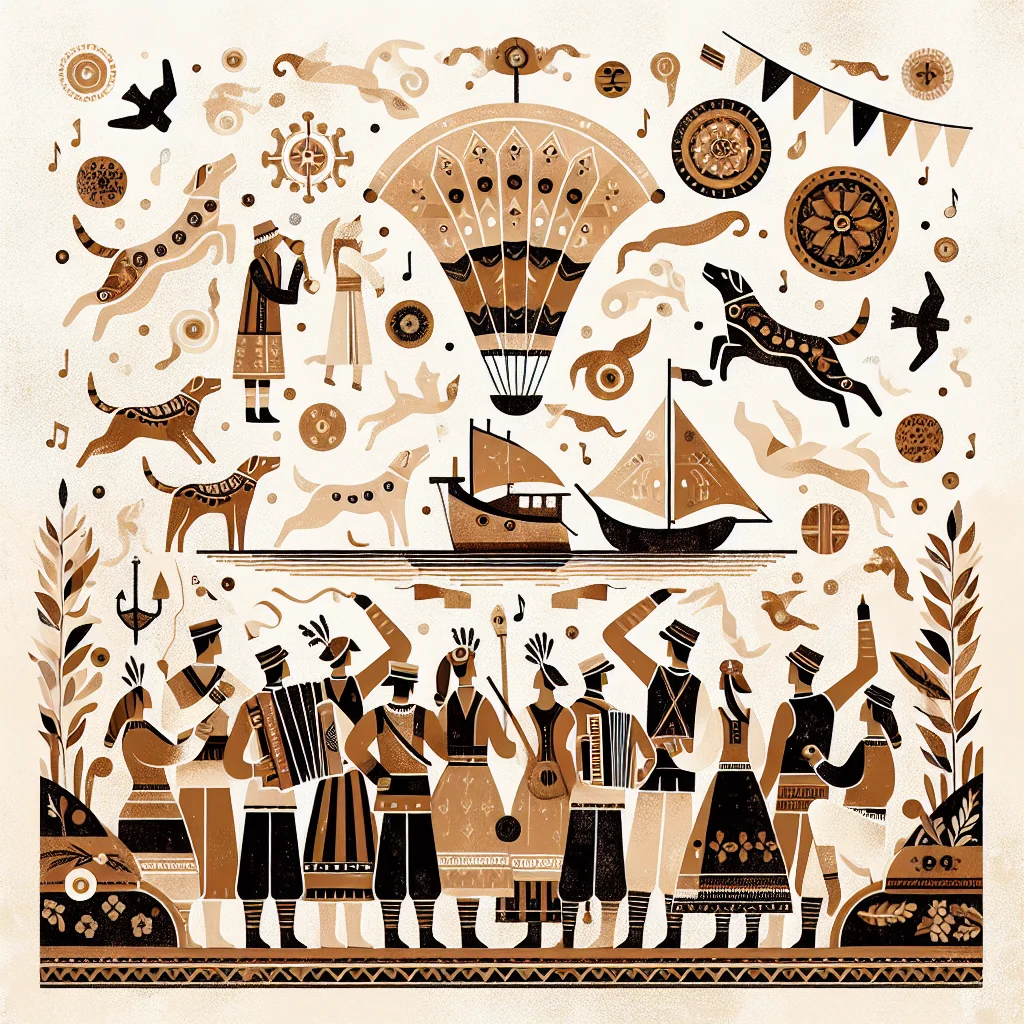
Montenegrin culture is rich in folk music, dance, and art, with traditional instruments like the gusle playing a central role.
Cultural Symbols Motifs
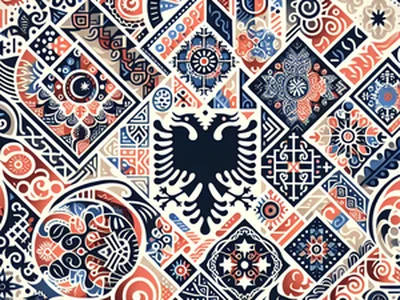
Symbols such as the double-headed eagle and motifs from nature are prevalent in art and architecture.
What Brings Joy
Celebrations, music, and gatherings with family and friends are sources of joy and cultural expression.
Celebrations Joyful Traditions
Festivals such as Boka Night and the Mimosa Festival celebrate local traditions and community spirit.
Cultural Calendar And Holidays
Key holidays include Independence Day, Christmas, and Easter, each celebrated with unique customs and traditions.
Additional Notes
Montenegrin culture places a strong emphasis on preserving traditional crafts and storytelling.
Economic Context And Occupations
The economy is diverse, with tourism, agriculture, and services being major sectors. Many Montenegrins are involved in family-run businesses.
Housing And Living Arrangements
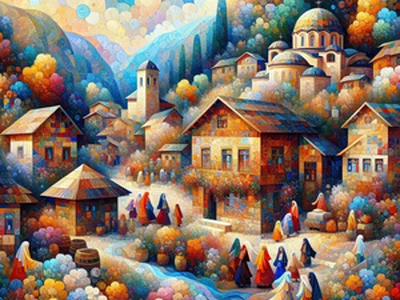
Housing varies from urban apartments to rural homes, often reflecting traditional architectural styles.
Nutrition And Dietary Norms
The diet is Mediterranean-influenced, with a focus on fresh produce, seafood, and meats. Meals are often communal and social events.
Interpretation Needs
While Montenegrin is widely spoken, interpretation services may be needed for minority languages and in international contexts.
Interpreter Notes
Interpreters should be aware of regional dialects and cultural nuances to ensure effective communication.
Documentation Traditions
Oral traditions are strong, with storytelling and folk tales being important cultural elements.
Interactions With Other Cultures
Montenegrins have a history of cultural exchange with neighboring Balkan countries and Mediterranean cultures.
Conflict Resolution Mechanisms
Traditional mediation and community dialogue are often used to resolve conflicts.
Cultural Exchange Programs
Programs exist to promote cultural understanding and exchange, particularly with European and Balkan neighbors.
Trade Relations
Montenegro engages in trade with European Union countries and regional partners, focusing on goods like wine and seafood.
Shared Artistic Projects
Collaborations in music and film are common, reflecting shared cultural themes and histories.
Intercultural Marriages
Intercultural marriages are increasingly common, reflecting the diverse and interconnected nature of the region.
Shared Educational Initiatives
Educational exchanges and joint research projects are encouraged to foster regional cooperation and understanding.
Youth Perspectives
Montenegrin youth are increasingly global in outlook, valuing education and opportunities for innovation.
Education Initiatives
Initiatives focus on improving educational access and quality, with an emphasis on technology and languages.
Future Challenges
Challenges include economic development, environmental sustainability, and maintaining cultural identity in a globalized world.
Youth Employment Trends
Youth employment is focused on technology, tourism, and entrepreneurship, with support for startups and innovation.
Future Visions
There is a strong desire among youth to balance modernization with cultural preservation and environmental stewardship.
Youth Leadership Roles
Youth are increasingly taking on leadership roles in community and political spheres, advocating for change and progress.
Innovation And Startups
The startup scene is growing, with young entrepreneurs focusing on tech solutions and sustainable business models.
Festivals And Celebrations
Festivals often celebrate historical events, religious holidays, and seasonal changes, with music and dance as central elements.
Traditional Medicine Practices
Herbal remedies and traditional healing practices are still used, particularly in rural areas.
Environmental Practices
There is a strong emphasis on conservation and sustainable use of natural resources, reflecting the importance of nature in Montenegrin culture.
Rituals
Rituals often involve family and community gatherings, with a focus on marking life events and seasonal changes.
Rites Of Passage
Rites of passage such as weddings and baptisms are celebrated with elaborate ceremonies and community involvement.
Culinary Traditions
Cuisine is a blend of Mediterranean and Balkan influences, with dishes like cevapi and seafood being popular.
Climate Adaptation Strategies
Efforts are underway to address climate change impacts, with a focus on sustainable tourism and agriculture.
Biodiversity Conservation
Montenegro is committed to protecting its rich biodiversity, with national parks and protected areas playing a key role.
Sustainable Tourism Practices
Tourism strategies emphasize sustainability and cultural preservation, promoting eco-friendly and community-based tourism.
Renewable Energy Use
There is growing investment in renewable energy sources, such as wind and solar, to reduce environmental impact.
Community Involvement In Practices
Communities are actively involved in environmental and cultural preservation efforts, often through local initiatives and NGOs.
Environmental Education Programs
Programs aim to educate the public about environmental issues and promote sustainable practices.
Notable Figures
Figures such as Petar II Petrović-Njegoš, a poet and philosopher, and Milo Đukanović, a political leader, are significant in Montenegrin history.
Cultural Innovations
Montenegrin architecture and literature have made significant contributions to Balkan cultural heritage.
Literary Works
The Mountain Wreath by Petar II Petrović-Njegoš is a cornerstone of Montenegrin literature, reflecting national identity and history.
Architectural Styles
Traditional stone houses and monasteries reflect a blend of Byzantine and Venetian influences.
Scientific Contributions
Montenegrin scientists have contributed to fields such as marine biology and environmental science.
Culinary Innovations
Montenegrin cuisine is known for its unique fusion of flavors, incorporating local ingredients and traditional techniques.
Global Influence
Montenegrin culture has influenced regional music and art, contributing to the broader Balkan cultural landscape.
Awards And Recognition
Montenegrin artists and writers have received international recognition for their contributions to literature and the arts.
Modern Influences
Globalization has brought new cultural influences, with Western music, fashion, and technology becoming more prevalent.
Digital Presence
Montenegrins are active on social media, using digital platforms to connect with the diaspora and promote cultural heritage.
Globalization Effects
While globalization has introduced new opportunities, it also poses challenges to cultural preservation and identity.
Urbanization Effects
Urbanization is leading to changes in lifestyle and social structures, with a shift towards more modern living arrangements.
Technology Adoption
Technology is widely adopted, with a focus on improving connectivity and access to information.
Hybrid Cultural Forms
Hybrid cultural forms are emerging, blending traditional and modern elements in music, art, and fashion.
Social Media Presence
Social media is a key platform for cultural expression and communication, particularly among the youth.
Challenges
Challenges include preserving cultural heritage in the face of modernization and addressing economic disparities.
Preservation Efforts
Efforts are underway to document and preserve traditional crafts, languages, and customs, often supported by government and cultural organizations.
Cultural Artwork
Community Discussion
Further Reading
Explore credible external sources to deepen your understanding of Montenegrin culture.