
Dalmatian
Dalmatia, Croatia DalmatianCroatian
The Dalmatian culture is a historical culture from the Dalmatia region, known for its maritime heritage and unique blend of Slavic and Mediterranean influences.
Historical Context
Dalmatian culture has evolved over centuries, influenced by Roman, Byzantine, Venetian, and Austro-Hungarian rule. It has a rich history of maritime trade and cultural exchange.
Migration Patterns
Historically, Dalmatians migrated across the Adriatic to Italy and other parts of Europe, often as sailors or traders.
Conflict And Resilience History
The region has experienced numerous conflicts, including Ottoman invasions and World Wars, which have shaped its resilient cultural identity.
Diaspora Perspectives
The Dalmatian diaspora maintains strong cultural ties through community organizations and cultural festivals, particularly in the Americas and Australia.
Regional Variations
Cultural practices vary between coastal cities like Split and Dubrovnik and the inland areas, with differences in dialects and traditions.
Bridging Notes
Dalmatian culture serves as a bridge between Eastern and Western Europe, blending Slavic and Mediterranean elements.
Spiritual And Religious Practices
Predominantly Roman Catholic, with traditions deeply intertwined with religious festivals and saints' days.
Beliefs And Worldview
Community and family are central, with a strong emphasis on hospitality and social gatherings.
Cultural Proverbs Sayings
Proverbs often reflect the importance of the sea and maritime life, such as 'The sea is our mother.'
Naming Conventions And Terms Of Address
Traditional naming follows a patronymic system, with respect shown through formal titles and familial terms.
Health And Mental Health
Traditional health practices include herbal remedies and a Mediterranean diet, with modern healthcare accessible in urban areas.
Mental Health Views
Mental health is often approached with discretion, with increasing awareness and acceptance of professional support.
Traditional Healers
Herbalists and folk remedies are part of the cultural heritage, especially in rural areas.
Gender Roles In Healthcare
Healthcare roles are traditionally gendered, but women increasingly participate as healthcare professionals.
Healthcare Barriers
Rural areas may face access challenges, with efforts to improve healthcare infrastructure ongoing.
Education And Learning Styles
Education is highly valued, with a strong emphasis on academic achievement and multilingualism.
Learning Styles
Learning often involves rote memorization, with a growing focus on critical thinking and creativity.
Parental Engagement
Parents are actively involved in their children's education, often participating in school activities and decision-making.
Family And Social Structure
Family is the cornerstone of social life, with extended families often living close together.
Discipline And Behavior
Discipline is traditionally strict, with respect for elders emphasized.
Authority Attitudes
Authority is respected, particularly within family and community hierarchies.
Etiquette And Customs
Etiquette includes formal greetings and hospitality customs, such as offering food and drink to guests.
Community Strengths Resilience
Strong community bonds and a shared cultural heritage contribute to resilience in the face of challenges.
Art Music And Expression
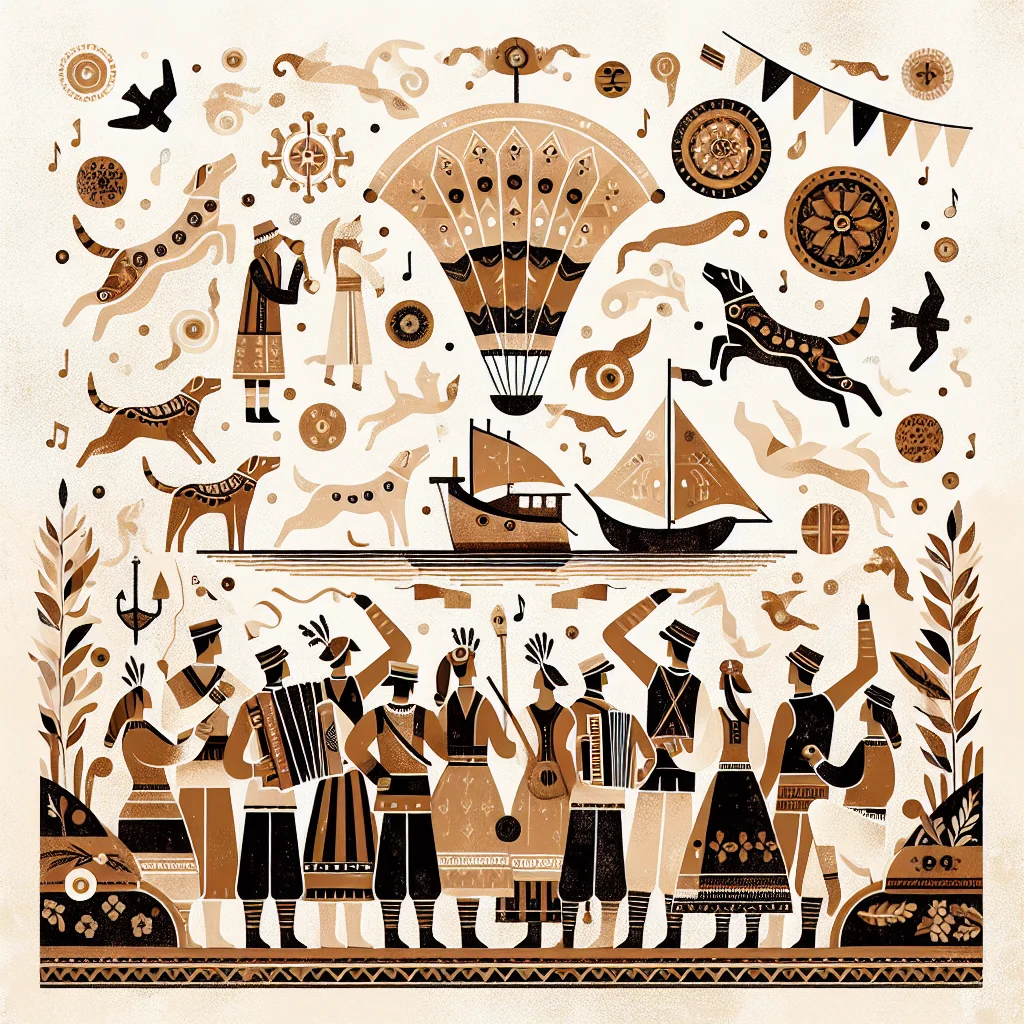
Dalmatian klapa singing, a form of a cappella music, is a UNESCO-recognized cultural heritage. Art often reflects maritime themes.
Cultural Symbols Motifs
Symbols include the Dalmatian dog, maritime imagery, and traditional costumes.
What Brings Joy
Joy is found in community gatherings, music, and festivals celebrating local traditions.
Celebrations Joyful Traditions
Festivals like the Feast of St. Blaise and local carnivals are celebrated with music, dance, and traditional foods.
Cultural Calendar And Holidays
Key holidays include Christmas, Easter, and local saints' days, marked by religious and cultural festivities.
Additional Notes
Dalmatian culture is vibrant and expressive, with a strong emphasis on preserving traditional arts and crafts.
Economic Context And Occupations
Economy traditionally based on fishing, agriculture, and tourism, with growing sectors in technology and services.
Housing And Living Arrangements
Housing varies from traditional stone houses in rural areas to modern apartments in cities.
Nutrition And Dietary Norms
Diet is Mediterranean, featuring seafood, olive oil, and fresh produce, with a focus on communal meals.
Interpretation Needs
Interpretation services are needed for non-Croatian speakers, particularly in tourism and healthcare.
Interpreter Notes
Interpreters should be aware of regional dialects and cultural nuances.
Documentation Traditions
Oral traditions are strong, with a growing emphasis on documenting cultural practices and histories.
Interactions With Other Cultures
Historically, Dalmatians have interacted with Italian, Greek, and Slavic cultures through trade and migration.
Conflict Resolution Mechanisms
Community-based approaches and mediation are common, reflecting a tradition of negotiation and compromise.
Cultural Exchange Programs
Cultural exchange programs with Italy and other Mediterranean countries are common, fostering mutual understanding.
Trade Relations
Trade has historically been a cornerstone of Dalmatian culture, with strong ties to Mediterranean markets.
Shared Artistic Projects
Collaborations in music and art with neighboring cultures are frequent, highlighting shared heritage.
Intercultural Marriages
Intercultural marriages are common, particularly with Italian and other Slavic communities.
Shared Educational Initiatives
Educational initiatives often focus on language exchange and cultural studies, promoting regional cooperation.
Youth Perspectives
Youth are increasingly global in outlook, valuing education and technology while maintaining cultural roots.
Education Initiatives
Programs focus on bilingual education and cultural heritage preservation, preparing youth for global opportunities.
Future Challenges
Challenges include economic opportunities and balancing modernization with cultural preservation.
Youth Employment Trends
Employment trends show a shift towards technology and service industries, with traditional sectors still significant.
Future Visions
Future visions include sustainable development and increased cultural tourism, leveraging the region's natural and cultural assets.
Youth Leadership Roles
Youth are taking on leadership roles in community organizations and cultural initiatives.
Innovation And Startups
A growing startup scene focuses on technology and sustainable tourism, driven by young entrepreneurs.
Festivals And Celebrations
Festivals celebrate maritime heritage and local saints, with music, dance, and traditional foods.
Traditional Medicine Practices
Herbal remedies and traditional healing practices are part of the cultural heritage.
Environmental Practices
Environmental practices focus on marine conservation and sustainable fishing.
Rituals
Rituals often revolve around religious and seasonal events, reflecting a deep connection to nature.
Rites Of Passage
Rites of passage include religious ceremonies such as baptisms and confirmations.
Culinary Traditions
Culinary traditions emphasize fresh, local ingredients, with dishes like black risotto and pasticada.
Climate Adaptation Strategies
Strategies include sustainable tourism and conservation efforts to protect coastal and marine environments.
Biodiversity Conservation
Conservation efforts focus on preserving the unique marine and coastal biodiversity of the region.
Sustainable Tourism Practices
Sustainable tourism is promoted to protect natural resources and cultural heritage.
Renewable Energy Use
Renewable energy initiatives are growing, particularly in solar and wind power.
Community Involvement In Practices
Community involvement is key in environmental and cultural preservation efforts.
Environmental Education Programs
Programs educate youth on environmental stewardship and sustainable practices.
Notable Figures
Notable figures include Marco Polo, who is believed to have been born on the Dalmatian island of Korčula.
Cultural Innovations
Innovations include klapa music and traditional shipbuilding techniques.
Literary Works
Dalmatian literature often explores themes of sea and identity, with notable authors contributing to Croatian literature.
Architectural Styles
Architecture features Romanesque, Gothic, and Renaissance influences, with iconic stone buildings.
Scientific Contributions
Contributions in maritime navigation and shipbuilding have been significant throughout history.
Culinary Innovations
Culinary innovations include the use of local herbs and seafood in traditional dishes.
Global Influence
Dalmatian culture has influenced Mediterranean cuisine and music, with a global diaspora maintaining cultural ties.
Awards And Recognition
Klapa singing is recognized by UNESCO as an Intangible Cultural Heritage of Humanity.
Modern Influences
Modern influences include globalization and digital technology, impacting cultural expression and communication.
Digital Presence
A growing digital presence includes online cultural platforms and social media engagement.
Globalization Effects
Globalization has brought both opportunities and challenges, influencing cultural practices and economic development.
Urbanization Effects
Urbanization has led to changes in lifestyle and housing, with a focus on balancing tradition and modernity.
Technology Adoption
Technology adoption is high, with a focus on digital communication and innovation.
Hybrid Cultural Forms
Hybrid cultural forms blend traditional and modern elements, seen in music and art.
Social Media Presence
Social media is used to promote cultural events and connect with the diaspora.
Challenges
Challenges include preserving cultural heritage in the face of modernization and economic pressures.
Preservation Efforts
Efforts focus on documenting traditions, promoting cultural tourism, and supporting local artisans.
Cultural Artwork
Community Discussion
Further Reading
Explore credible external sources to deepen your understanding of Dalmatian culture.