
Bosnia And Herz
Southeast Europe BosnianCroatianSerbian
Bosnia and Herzegovina is a culturally rich nation in Southeast Europe, known for its diverse ethnic groups and historical significance.
Historical Context
Bosnia and Herzegovina has a complex history marked by periods of Ottoman and Austro-Hungarian rule, followed by its inclusion in Yugoslavia and eventual independence in the 1990s.
Migration Patterns
Significant migration occurred during the Yugoslav Wars in the 1990s, leading to a large diaspora in Western Europe and North America.
Conflict And Resilience History
The Bosnian War (1992-1995) was a significant conflict that resulted in ethnic tensions and a strong sense of resilience among the population.
Diaspora Perspectives
The Bosnian diaspora maintains strong cultural ties to their homeland, often participating in cultural events and remittances.
Regional Variations
Cultural practices can vary significantly between regions, with distinct differences between Bosniak, Croat, and Serb communities.
Bridging Notes
Efforts to bridge cultural divides focus on promoting multiculturalism and reconciliation through education and community programs.
Spiritual And Religious Practices
Islam, Eastern Orthodoxy, and Roman Catholicism are the predominant religions, each with its own set of practices and holidays.
Beliefs And Worldview
The culture values family, community, and hospitality, with a strong emphasis on resilience and adaptability.
Cultural Proverbs Sayings
Proverbs often reflect the importance of family and perseverance, such as 'A house without a woman is like a lantern without light.'
Naming Conventions And Terms Of Address
Naming conventions often reflect religious affiliations, with Bosniaks using Islamic names, Croats using Catholic names, and Serbs using Orthodox names.
Health And Mental Health
Healthcare is a mix of public and private services, with traditional remedies still popular in rural areas.
Mental Health Views
Mental health is often stigmatized, though awareness and acceptance are gradually improving.
Traditional Healers
Traditional healers, known as 'travari,' use herbal remedies and are respected in rural communities.
Gender Roles In Healthcare
Women are typically the primary caregivers, though men are increasingly involved in healthcare decisions.
Healthcare Barriers
Barriers include economic constraints, limited access in rural areas, and ethnic disparities in healthcare quality.
Education And Learning Styles
Education is valued, with a strong emphasis on formal schooling and higher education. Learning often involves rote memorization.
Learning Styles
Students are encouraged to respect authority and follow structured learning paths, though critical thinking is increasingly emphasized.
Parental Engagement
Parents are highly involved in their children's education, often attending school meetings and supporting extracurricular activities.
Family And Social Structure
Family is the cornerstone of social structure, with extended families often living together or nearby.
Discipline And Behavior
Discipline is typically strict, with respect for elders and authority figures emphasized.
Authority Attitudes
There is a strong respect for authority, both within the family and in broader social structures.
Etiquette And Customs
Hospitality is a key custom, with guests often treated with great respect and offered food and drink.
Community Strengths Resilience
Communities are known for their resilience, often coming together to support each other in times of need.
Art Music And Expression
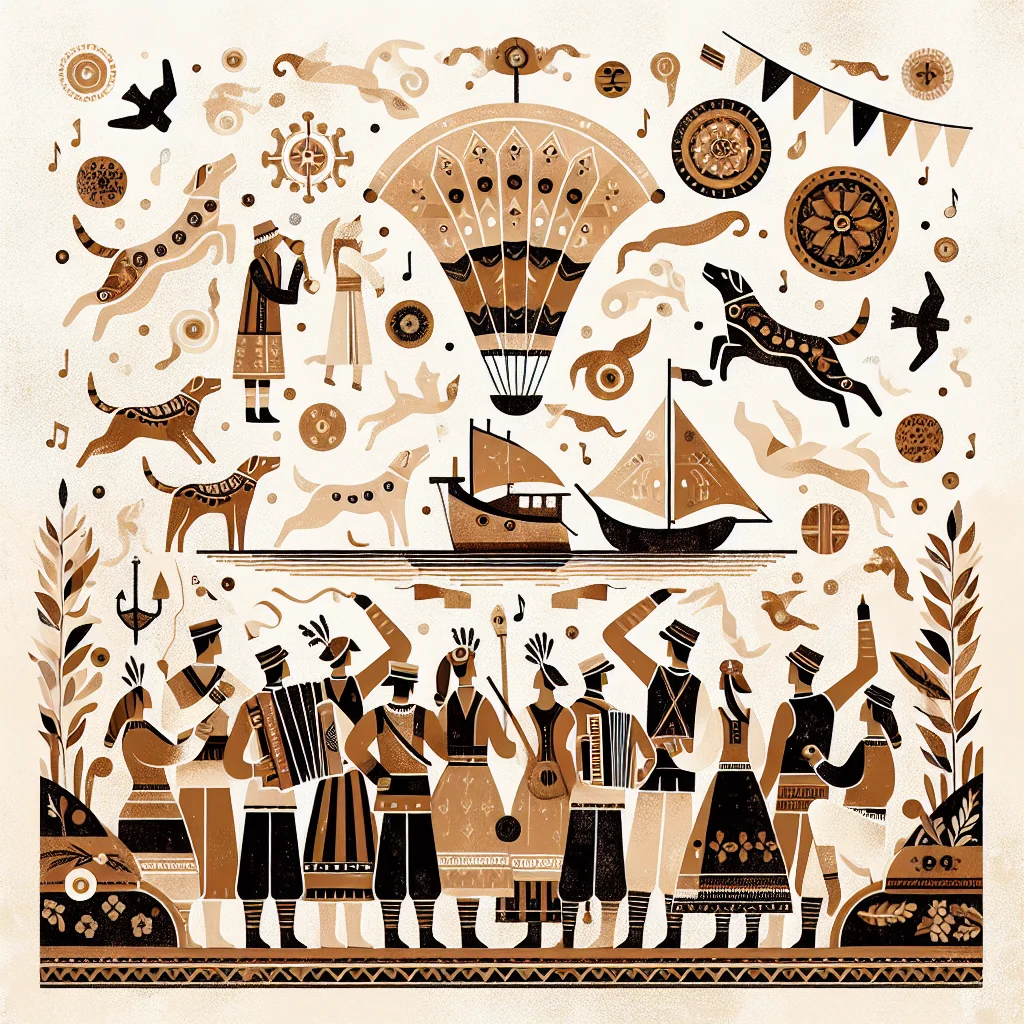
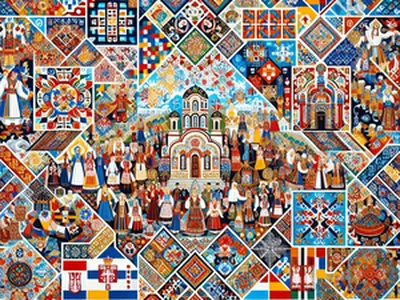
Bosnian culture is rich in music and art, with traditional Sevdalinka music and intricate handicrafts being particularly notable.
Cultural Symbols Motifs
Symbols such as the Bosnian lily and motifs from traditional embroidery are common in cultural expression.
What Brings Joy
Family gatherings, music, and traditional festivals bring joy to the community.
Celebrations Joyful Traditions
Major celebrations include religious holidays like Eid, Christmas, and Orthodox Easter, as well as national holidays.
Cultural Calendar And Holidays
The cultural calendar includes a mix of religious and national holidays, reflecting the country's diverse heritage.
Additional Notes
Cultural expression often reflects the country's complex history and diverse influences.
Economic Context And Occupations
The economy is diverse, with agriculture, manufacturing, and services being key sectors. Unemployment remains a challenge.
Housing And Living Arrangements
Housing varies from urban apartments to rural homes, with extended families often living together.
Nutrition And Dietary Norms
The diet is hearty, featuring meats, dairy, and bread, with regional variations influenced by ethnic traditions.
Interpretation Needs
Interpretation services are often needed for international interactions, especially in legal and medical contexts.
Interpreter Notes
Interpreters should be aware of regional dialects and cultural nuances.
Documentation Traditions
Documentation is typically formal, with official documents often requiring translation into multiple languages.
Interactions With Other Cultures
Bosnia and Herzegovina has a history of cultural exchange with neighboring Balkan countries and beyond.
Conflict Resolution Mechanisms
Community dialogue and international mediation have been key in resolving conflicts.
Cultural Exchange Programs
Programs often focus on youth exchanges and educational initiatives to promote understanding.
Trade Relations
Trade is primarily with European Union countries, focusing on goods like textiles and metals.
Shared Artistic Projects
Collaborations in music and film are common, reflecting shared cultural themes.
Intercultural Marriages
Intercultural marriages are increasingly common, reflecting the diverse ethnic makeup of the country.
Shared Educational Initiatives
Educational initiatives often focus on multiculturalism and language exchange.
Youth Perspectives
Youth in Bosnia and Herzegovina are increasingly focused on education and employment opportunities, with a strong desire for political stability.
Education Initiatives
Initiatives focus on improving educational quality and access, particularly in rural areas.
Future Challenges
Challenges include economic instability, political tensions, and brain drain.
Youth Employment Trends
Youth unemployment is high, with many seeking opportunities abroad.
Future Visions
There is a strong desire for integration into the European Union and improved economic conditions.
Youth Leadership Roles
Youth are increasingly taking on leadership roles in community organizations and political movements.
Innovation And Startups
The startup scene is growing, particularly in technology and creative industries.
Festivals And Celebrations
Festivals often celebrate religious and national holidays, with music, dance, and traditional foods.
Traditional Medicine Practices
Herbal remedies and traditional healing practices are still used, particularly in rural areas.
Environmental Practices
Efforts are being made to promote sustainable agriculture and protect natural resources.
Rituals
Rituals often revolve around religious practices and life events such as weddings and funerals.
Rites Of Passage
Rites of passage include religious confirmations and traditional coming-of-age ceremonies.
Culinary Traditions
Cuisine is diverse, with influences from Ottoman, Mediterranean, and Central European traditions.
Climate Adaptation Strategies
Strategies focus on managing water resources and adapting agricultural practices to changing climates.
Biodiversity Conservation
Conservation efforts focus on protecting the country's rich biodiversity, including its national parks.
Sustainable Tourism Practices
Tourism initiatives aim to balance economic benefits with environmental protection.
Renewable Energy Use
There is growing investment in renewable energy sources, particularly hydropower.
Community Involvement In Practices
Communities are actively involved in environmental conservation and sustainable practices.
Environmental Education Programs
Programs aim to raise awareness about environmental issues and promote sustainable living.
Notable Figures
Notable figures include Nobel laureate Ivo Andrić and filmmaker Emir Kusturica.
Cultural Innovations
Innovations include contributions to literature, film, and music, reflecting the country's diverse heritage.
Literary Works
Bosnian literature is rich, with works by authors like Ivo Andrić and Meša Selimović being widely recognized.
Architectural Styles
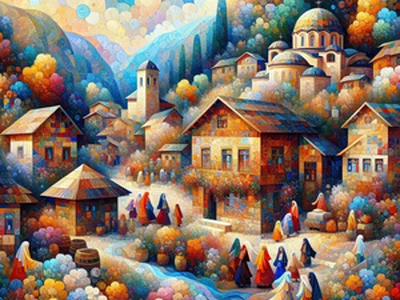
Architecture reflects Ottoman, Austro-Hungarian, and modern influences, with notable examples like the Stari Most in Mostar.
Scientific Contributions
Contributions in fields like mathematics and engineering are notable, with a focus on applied sciences.
Culinary Innovations
Culinary innovations often involve fusion dishes that blend traditional and modern flavors.
Global Influence
Bosnian culture has a global influence through its diaspora and contributions to arts and sports.
Awards And Recognition
Bosnian artists and writers have received international awards, highlighting the country's cultural richness.
Modern Influences
Modern influences include Western media, technology, and fashion, blending with traditional elements.
Digital Presence
Digital presence is growing, with increasing use of social media and online platforms.
Globalization Effects
Globalization has brought both opportunities and challenges, influencing cultural practices and economic conditions.
Urbanization Effects
Urbanization is leading to changes in lifestyle and social structures, particularly in major cities.
Technology Adoption
Technology adoption is increasing, with a focus on digital literacy and innovation.
Hybrid Cultural Forms
Hybrid cultural forms are emerging, blending traditional and modern elements in music, art, and fashion.
Social Media Presence
Social media is widely used for communication, cultural expression, and activism.
Challenges
Challenges include ethnic tensions, economic instability, and the preservation of cultural heritage.
Preservation Efforts
Efforts focus on preserving cultural heritage through education, museums, and cultural festivals.
Cultural Artwork
Community Discussion
Further Reading
Explore credible external sources to deepen your understanding of Bosnia And Herz culture.