
Croatian
Southeastern Europe Croatian
Croatian culture is rich and diverse, reflecting a blend of historical influences and modern adaptations. It is characterized by its unique language, traditions, and a strong sense of national identity.
Historical Context
Croatia has a rich history influenced by various empires and states, including the Roman Empire, the Byzantine Empire, the Habsburg Monarchy, and Yugoslavia. It gained independence in 1991.
Migration Patterns
Historically, Croatians have migrated due to economic opportunities and political unrest, with significant communities in the United States, Canada, Australia, and Germany.
Conflict And Resilience History
The Croatian War of Independence (1991-1995) was a significant conflict that shaped modern Croatia, highlighting the resilience and determination of its people.
Diaspora Perspectives
The Croatian diaspora maintains strong cultural ties with the homeland, often participating in cultural events and supporting economic development.
Regional Variations
Cultural variations exist between regions such as Dalmatia, Istria, and Slavonia, each with distinct traditions, dialects, and cuisines.
Bridging Notes
Efforts to bridge cultural differences focus on promoting unity and understanding within the diverse regions of Croatia.
Spiritual And Religious Practices
Predominantly Roman Catholic, with religious practices deeply integrated into daily life and cultural traditions.
Beliefs And Worldview
Croatians value family, community, and tradition, with a strong emphasis on hospitality and respect for elders.
Cultural Proverbs Sayings
Common proverbs include 'Bolje ikad nego nikad' (Better late than never) and 'Tko rano rani, dvije sreće grabi' (The early bird catches two worms).
Naming Conventions And Terms Of Address
Naming conventions often include a given name followed by a family name, with terms of address reflecting respect and formality, such as 'gospodin' (Mr.) and 'gospođa' (Mrs.).
Health And Mental Health
Healthcare is universal, with a focus on preventive care. Mental health awareness is growing, though stigma still exists.
Mental Health Views
Mental health is increasingly recognized as important, but traditional views may still lead to underreporting and stigma.
Traditional Healers
While modern medicine is predominant, some traditional remedies and herbal treatments are still used, especially in rural areas.
Gender Roles In Healthcare
Healthcare roles are traditionally gendered, but women are increasingly represented in medical professions.
Healthcare Barriers
Barriers include regional disparities in access to healthcare facilities and services, particularly in rural areas.
Education And Learning Styles
Education is highly valued, with a strong emphasis on academic achievement and critical thinking.
Learning Styles
Learning styles often emphasize memorization and discipline, with a growing focus on interactive and student-centered approaches.
Parental Engagement
Parents are actively involved in their children's education, often participating in school activities and supporting academic pursuits.
Family And Social Structure
Family is the cornerstone of Croatian society, with extended family networks playing a crucial role in social life.
Discipline And Behavior
Discipline is often strict, with an emphasis on respect for authority and adherence to social norms.
Authority Attitudes
Respect for authority is ingrained, with a hierarchical approach to social and professional interactions.
Etiquette And Customs
Etiquette is important, with customs such as greeting with a handshake and bringing gifts when visiting someone's home.
Community Strengths Resilience
Community resilience is evident in strong social networks and a collective approach to overcoming challenges.
Art Music And Expression
Croatian art and music are diverse, ranging from traditional folk music to contemporary art forms. The klapa singing style and tamburica music are particularly notable.
Cultural Symbols Motifs
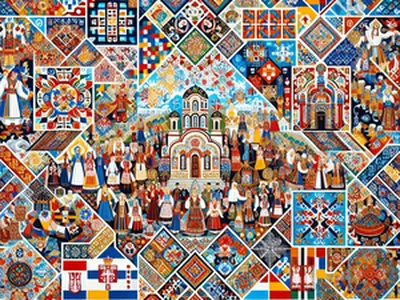
Symbols like the šahovnica (checkerboard) and motifs from traditional embroidery are prevalent in Croatian culture.
What Brings Joy
Joy is often found in communal gatherings, music, dance, and celebrating cultural festivals.
Celebrations Joyful Traditions
Festivals such as Carnival, Easter, and Christmas are celebrated with traditional foods, music, and dances.
Cultural Calendar And Holidays
Key holidays include Statehood Day, Independence Day, and various religious holidays such as Easter and Christmas.
Additional Notes
Croatian culture is also known for its hospitality and the importance placed on social gatherings and family events.
Economic Context And Occupations
The economy is diverse, with tourism, agriculture, and manufacturing as key sectors. Unemployment remains a challenge, particularly among youth.
Housing And Living Arrangements
Housing varies from urban apartments to rural homes, with a trend towards multi-generational living arrangements.
Nutrition And Dietary Norms
The diet is Mediterranean-influenced, with an emphasis on fresh produce, seafood, and olive oil, particularly in coastal regions.
Interpretation Needs
Interpretation services are needed for minority languages and in regions with significant tourist activity.
Interpreter Notes
Interpreters should be aware of regional dialects and cultural nuances when providing services.
Documentation Traditions
Documentation is formal, with a preference for written records and official documentation in legal and business contexts.
Interactions With Other Cultures
Croatia has a history of cultural exchange with neighboring countries and a growing presence in international cultural forums.
Conflict Resolution Mechanisms
Traditional conflict resolution often involves community elders and mediation, with modern legal frameworks also in place.
Cultural Exchange Programs
Active participation in European cultural exchange programs and initiatives.
Trade Relations
Strong trade relations within the EU and with neighboring Balkan countries.
Shared Artistic Projects
Collaborations in film, music, and art with other European and Balkan countries.
Intercultural Marriages
Intercultural marriages are common, particularly with neighboring countries, reflecting historical ties.
Shared Educational Initiatives
Joint educational programs with EU countries and participation in Erasmus+.
Youth Perspectives
Youth in Croatia are increasingly global-minded, valuing education and technology.
Education Initiatives
Government and NGOs promote STEM education and digital literacy among youth.
Future Challenges
Challenges include economic opportunities, brain drain, and adapting to global changes.
Youth Employment Trends
Youth employment is focused on technology, tourism, and service industries.
Future Visions
A vision for a prosperous, sustainable, and culturally vibrant Croatia.
Youth Leadership Roles
Youth are encouraged to take leadership roles in community and political spheres.
Innovation And Startups
Growing startup ecosystem, particularly in tech and creative industries.
Festivals And Celebrations
Festivals like the Dubrovnik Summer Festival and Sinjska Alka are key cultural events.
Traditional Medicine Practices
Herbal remedies and traditional healing practices are still used, especially in rural areas.
Environmental Practices
Focus on conservation and sustainable practices, particularly in national parks and coastal areas.
Rituals
Rituals often involve religious ceremonies and traditional celebrations.
Rites Of Passage
Rites of passage include religious sacraments like baptism and confirmation.
Culinary Traditions
Culinary traditions include dishes like sarma, pašticada, and various seafood specialties.
Climate Adaptation Strategies
Efforts to adapt to climate change include coastal protection and sustainable agriculture.
Biodiversity Conservation
Active conservation programs for the Adriatic Sea and national parks.
Sustainable Tourism Practices
Promotion of eco-friendly tourism and preservation of cultural heritage sites.
Renewable Energy Use
Increasing investment in solar and wind energy, particularly in coastal regions.
Community Involvement In Practices
Community involvement is crucial in environmental conservation and cultural preservation.
Environmental Education Programs
Programs in schools and communities to raise awareness about environmental issues.
Notable Figures
Figures like Nikola Tesla, Ivan Meštrović, and Miroslav Krleža have made significant contributions to global culture and science.
Cultural Innovations
Innovations in literature, art, and music, with a strong tradition of folk arts.
Literary Works
Renowned works by authors like Miroslav Krleža and Ivo Andrić.
Architectural Styles
Distinctive styles include Romanesque, Gothic, and Baroque architecture, with notable examples in cities like Dubrovnik and Split.
Scientific Contributions
Contributions in fields like physics and engineering, notably by Nikola Tesla.
Culinary Innovations
Fusion of Mediterranean and Central European cuisines, with a focus on fresh, local ingredients.
Global Influence
Croatian culture has influenced global music, art, and literature, with a growing presence in international cultural forums.
Awards And Recognition
Recognition in fields like film, with awards at international festivals.
Modern Influences
Influences from Western Europe and the United States are evident in fashion, music, and technology.
Digital Presence
Strong digital presence with active participation in social media and digital platforms.
Globalization Effects
Globalization has brought both opportunities and challenges, influencing cultural practices and economic structures.
Urbanization Effects
Urbanization has led to changes in lifestyle and increased demand for modern infrastructure.
Technology Adoption
High adoption of technology, particularly among youth, with a focus on innovation and startups.
Hybrid Cultural Forms
Emergence of hybrid cultural forms blending traditional and modern elements.
Social Media Presence
Active engagement on platforms like Facebook, Instagram, and Twitter, particularly among younger generations.
Challenges
Challenges include preserving cultural heritage in the face of modernization and globalization.
Preservation Efforts
Efforts include government initiatives and community programs to preserve language, traditions, and historical sites.
Cultural Artwork
Community Discussion
Further Reading
Explore credible external sources to deepen your understanding of Croatian culture.