
Côte d'Ivoire
West Africa FrenchDioulaBaoulé
The culture of Côte d'Ivoire is a rich and diverse blend of African, French, and indigenous influences.
Historical Context
Côte d'Ivoire has a complex history, with various empires and colonial powers influencing its development.
Migration Patterns
The region has experienced significant migration patterns, including the arrival of French colonizers in the late 19th century.
Conflict And Resilience History
Côte d'Ivoire has faced numerous conflicts, including a civil war from 2002 to 2011. The country has shown resilience and is now rebuilding.
Diaspora Perspectives
The Ivorian diaspora community is significant, with many individuals living in France, the United States, and other countries.
Regional Variations
Regional variations exist within Côte d'Ivoire, reflecting differences in language, culture, and history.
Spiritual And Religious Practices
Côte d'Ivoire is predominantly Christian (around 40%), with significant Muslim and traditional African spiritual populations.
Beliefs And Worldview
Ivorians believe in a strong connection between the physical and spiritual worlds, often incorporating ancestral reverence into their daily lives.
Cultural Proverbs Sayings
Examples of Ivorian proverbs include 'Kpon kpon, kpon kpon' (meaning 'work hard, work hard') and 'Mwen di woulo' (meaning 'I am telling the truth').
Naming Conventions And Terms Of Address
In Côte d'Ivoire, names often reflect a person's ancestry or social status. Terms of address are formal and respectful, with titles such as 'Mr.' or 'Madam'.
Health And Mental Health
Côte d'Ivoire faces significant health challenges, including high rates of malaria, HIV/AIDS, and mental health issues.
Mental Health Views
Mental health is often stigmatized in Ivorian culture, but efforts are being made to raise awareness and provide support.
Traditional Healers
Traditional healers play a significant role in Côte d'Ivoire's healthcare system, particularly for treating spiritual or supernatural ailments.
Gender Roles In Healthcare
Women often take on caregiving roles within families, while men may be more involved in decision-making regarding healthcare.
Healthcare Barriers
Barriers to healthcare access include limited resources, inadequate infrastructure, and cultural attitudes towards seeking medical care.
Education And Learning Styles
Côte d'Ivoire's education system is based on the French model, with a strong emphasis on written exams. However, there is also a growing interest in vocational training.
Learning Styles
Ivorians tend to be oral learners, valuing hands-on experience and practical skills over theoretical knowledge.
Parental Engagement
Parents are often involved in their children's education, particularly in rural areas where community support is strong.
Family And Social Structure
Côte d'Ivoire has a strong emphasis on family and social relationships. Extended families often live together, and community ties are vital.
Discipline And Behavior
Discipline and respect for authority are highly valued in Ivorian culture, with children expected to obey their elders.
Authority Attitudes
Authority figures, such as parents or teachers, are respected and trusted within the community.
Etiquette And Customs
Etiquette is formal and respectful, particularly when interacting with older individuals or those of higher social status.
Community Strengths Resilience
Côte d'Ivoire's strong sense of community has helped it weather various challenges, including conflict and economic hardship.
Art Music And Expression
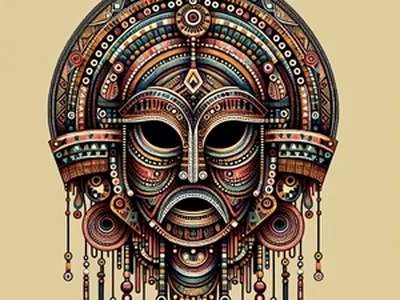
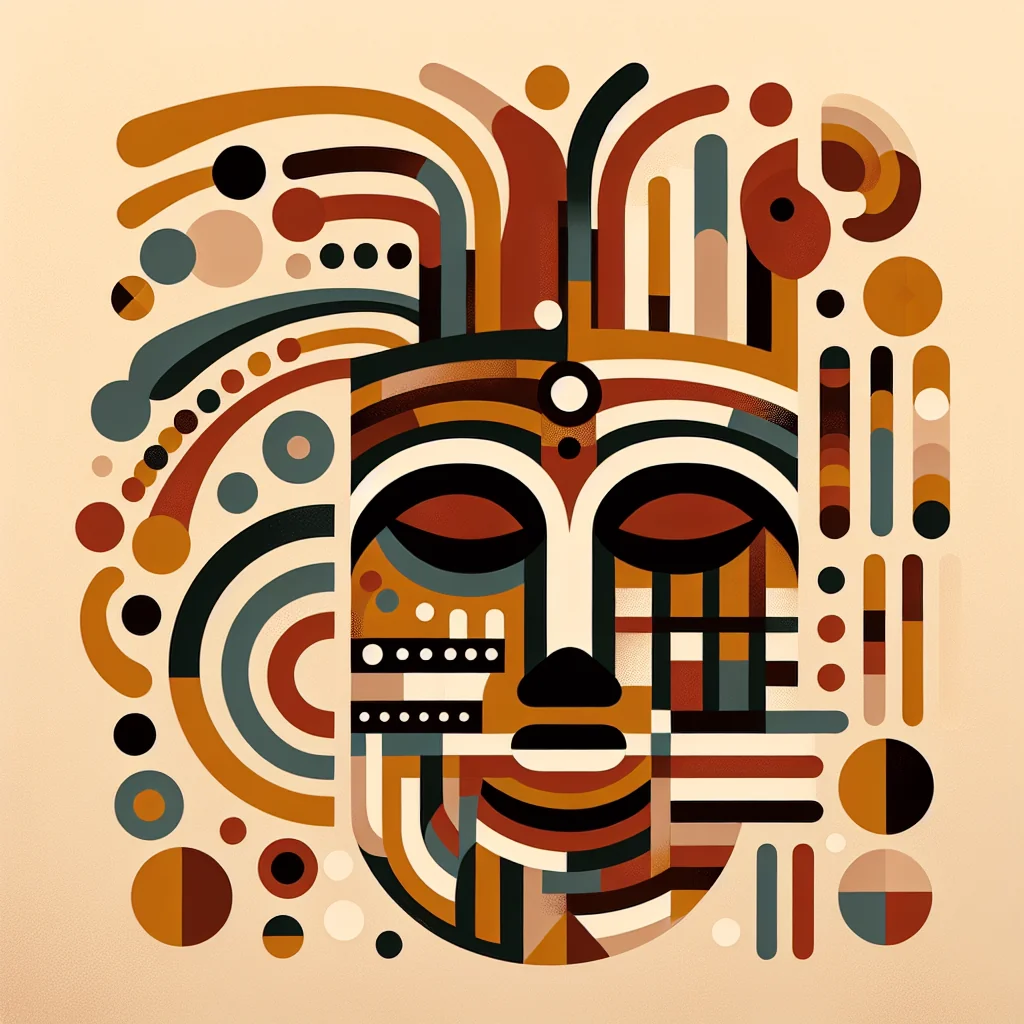
Ivorian art is characterized by vibrant colors and patterns, often reflecting the country's rich cultural heritage.
Cultural Symbols Motifs
Examples of Ivorian cultural symbols include the Adinkra cloth, which features intricate designs and motifs.
What Brings Joy
Music, dance, and storytelling are all highly valued in Côte d'Ivoire, bringing joy to individuals and communities alike.
Celebrations Joyful Traditions
Côte d'Ivoire celebrates various festivals throughout the year, including the Fête de la République (Republic Day) and the Fête du Travail (Labor Day).
Cultural Calendar And Holidays
The Ivorian calendar includes both Western-style holidays and traditional celebrations, such as the Yam Festival.
Economic Context And Occupations
Côte d'Ivoire's economy is primarily based on agriculture, with many individuals employed in farming or related industries.
Housing And Living Arrangements
Housing varies greatly across the country, from modern apartments in urban areas to traditional mud huts in rural regions.
Nutrition And Dietary Norms
The Ivorian diet is characterized by a focus on staple foods such as rice, yams, and plantains. Meat is often reserved for special occasions.
Interpretation Needs
Interpretation services are essential in Côte d'Ivoire, particularly when interacting with individuals who speak indigenous languages.
Interpreter Notes
Interpreters should be aware of cultural nuances and idiomatic expressions to ensure accurate communication.
Documentation Traditions
Documentation is often formalized through written contracts or agreements, reflecting the country's French colonial heritage.
Interactions With Other Cultures
Côte d'Ivoire has a long history of interactions with other cultures, including European colonizers and African neighbors.
Conflict Resolution Mechanisms
Traditional conflict resolution mechanisms in Côte d'Ivoire often involve mediation by community elders or spiritual leaders.
Cultural Exchange Programs
Côte d'Ivoire participates in various cultural exchange programs, promoting cross-cultural understanding and cooperation.
Trade Relations
The country has trade relationships with numerous countries, including France, the United States, and other African nations.
Shared Artistic Projects
Ivorian artists collaborate on projects with international partners, showcasing their unique cultural perspective.
Intercultural Marriages
Intermarriage between Ivorians and individuals from other cultures is becoming increasingly common, reflecting the country's growing global connections.
Shared Educational Initiatives
Côte d'Ivoire participates in educational initiatives with international partners, focusing on areas such as vocational training and language education.
Youth Perspectives
Young Ivorians are increasingly involved in shaping the country's future, with a focus on entrepreneurship, innovation, and social change.
Education Initiatives
Côte d'Ivoire is investing in educational initiatives aimed at improving access to quality education for all citizens.
Future Challenges
The country faces numerous challenges, including economic development, environmental sustainability, and social inequality.
Youth Employment Trends
Youth employment trends in Côte d'Ivoire are shifting towards entrepreneurship and innovation, with a focus on creating jobs and stimulating economic growth.
Future Visions
Ivorians envision a future marked by peace, prosperity, and sustainable development, with a strong emphasis on preserving the country's cultural heritage.
Youth Leadership Roles
Young Ivorians are taking on leadership roles in various sectors, including politics, business, and civil society.
Innovation And Startups
Côte d'Ivoire is experiencing a surge in innovation and startup activity, driven by young entrepreneurs and supported by government initiatives.
Festivals And Celebrations
Côte d'Ivoire celebrates numerous festivals throughout the year, including the Fête de la République (Republic Day) and the Fête du Travail (Labor Day).
Traditional Medicine Practices
Traditional medicine plays a significant role in Côte d'Ivoire's healthcare system, particularly for treating spiritual or supernatural ailments.
Environmental Practices
Ivorians have a deep connection with nature, often incorporating environmental practices into their daily lives, such as composting and recycling.
Rituals
Ivorians perform various rituals throughout the year, including spiritual cleansings and ancestral reverence ceremonies.
Rites Of Passage
Rites of passage in Côte d'Ivoire often involve traditional ceremonies and rituals, marking important life events such as birth, initiation, and marriage.
Culinary Traditions
Côte d'Ivoire's culinary traditions are characterized by a focus on staple foods such as rice, yams, and plantains. Meat is often reserved for special occasions.
Climate Adaptation Strategies
Côte d'Ivoire is implementing climate adaptation strategies to mitigate the impacts of climate change, including reforestation efforts and sustainable agriculture practices.
Biodiversity Conservation
The country is working to conserve its rich biodiversity, with a focus on protecting endangered species and preserving natural habitats.
Sustainable Tourism Practices
Côte d'Ivoire is promoting sustainable tourism practices, encouraging visitors to respect local customs and environments.
Renewable Energy Use
Ivorians are increasingly adopting renewable energy sources, such as solar and wind power, to reduce their reliance on fossil fuels.
Community Involvement In Practices
Community involvement is essential in Côte d'Ivoire's environmental practices, with individuals working together to protect natural resources and preserve cultural heritage.
Environmental Education Programs
The country is implementing environmental education programs to raise awareness about the importance of conservation and sustainability.
Notable Figures
Côte d'Ivoire has produced numerous notable figures, including writers, artists, musicians, and politicians.
Cultural Innovations
Ivorians have made significant cultural innovations, such as the development of Adinkra cloth and the creation of traditional music styles.
Literary Works
Côte d'Ivoire has a rich literary tradition, with works such as Amadou Hampâté Ba's 'The Son of the Wind' reflecting the country's unique cultural perspective.
Architectural Styles
Ivorian architecture is characterized by a blend of traditional and modern styles, often incorporating local materials and techniques.
Scientific Contributions
Côte d'Ivoire has made significant scientific contributions, including research in fields such as agriculture, medicine, and environmental science.
Culinary Innovations
Ivorians have developed unique culinary innovations, such as the use of plantains and yams in traditional dishes.
Global Influence
Côte d'Ivoire's cultural influence extends globally, with Ivorian artists, musicians, and writers gaining international recognition.
Awards And Recognition
The country has received numerous awards and recognition for its contributions to culture, including UNESCO designations and international prizes.
Modern Influences
Côte d'Ivoire is experiencing modern influences from various sources, including globalization, technology, and social media.
Digital Presence
Ivorians are increasingly active online, with a growing digital presence in areas such as social media, e-commerce, and digital art.
Globalization Effects
Globalization has had both positive and negative effects on Côte d'Ivoire, including increased economic opportunities but also cultural homogenization.
Urbanization Effects
Urbanization is transforming the country's cities, with a focus on modern infrastructure, services, and amenities.
Technology Adoption
Côte d'Ivoire is adopting technology at an increasing rate, particularly in areas such as mobile payments, e-commerce, and digital education.
Hybrid Cultural Forms
Ivorians are creating hybrid cultural forms, blending traditional practices with modern influences to create unique expressions of identity.
Social Media Presence
Côte d'Ivoire has a significant social media presence, with many individuals using platforms such as Facebook, Twitter, and Instagram.
Challenges
Côte d'Ivoire faces numerous cultural challenges, including the preservation of traditional practices in the face of modernization and globalization.
Preservation Efforts
The country is implementing preservation efforts to protect its rich cultural heritage, including initiatives such as language documentation and cultural festivals.
Cultural Artwork
Community Discussion
Further Reading
Explore credible external sources to deepen your understanding of Côte d'Ivoire culture.