
Mongolian
Asia, specifically the country of Mongolia MongolianKazakhRussian
The Mongolian culture is a rich and diverse heritage that has been shaped by the country's history, geography, and nomadic traditions.
Historical Context
Mongolia has a long and complex history, with various empires and dynasties rising and falling over the centuries.
Migration Patterns
The Mongols were a nomadic people who migrated across vast distances in search of pastureland for their animals.
Conflict And Resilience History
Mongolians have faced numerous challenges throughout history, including invasions, famines, and economic hardship. However, they have consistently demonstrated resilience and adaptability.
Diaspora Perspectives
Many Mongolians have been forced to leave their homeland due to conflict or economic necessity, leading to a global diaspora community.
Regional Variations
Mongolian culture varies across different regions, with distinct traditions and customs in the north, south, east, and west of the country.
Spiritual And Religious Practices
Shamanism is an important part of Mongolian spirituality, with many people believing in a spiritual connection to nature and their ancestors.
Beliefs And Worldview
Mongolians have a deep respect for the natural world and believe in living in harmony with nature. They also place great importance on family, community, and social relationships.
Cultural Proverbs Sayings
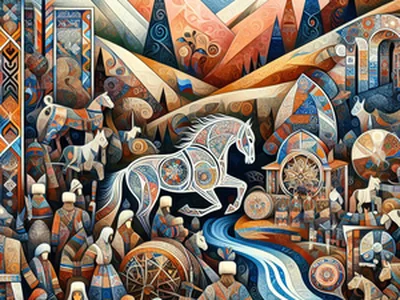
Some common Mongolian proverbs include 'A good horse is like a good friend' and 'The wind blows where it wants to blow'.
Naming Conventions And Terms Of Address
In Mongolian culture, names are often given based on the person's characteristics or accomplishments. For example, a child born with a distinctive mark may be named 'Khuu' (meaning 'mark').
Health And Mental Health
Mongolians have traditionally placed great importance on physical health and well-being, with many people engaging in regular exercise and outdoor activities.
Mental Health Views
Mental health is not as widely discussed or prioritized in Mongolian culture, but there is a growing recognition of its importance.
Traditional Healers
Traditional healers, known as 'böö', are still used by many people to treat physical and spiritual ailments.
Gender Roles In Healthcare
In traditional Mongolian society, women played a significant role in healthcare, with many serving as midwives and healers.
Healthcare Barriers
Access to modern healthcare is limited in rural areas of Mongolia, leading to health disparities between urban and rural populations.
Education And Learning Styles
Mongolian education places a strong emphasis on rote memorization and traditional knowledge. However, there is also a growing recognition of the importance of critical thinking and problem-solving skills.
Learning Styles
Mongolians tend to be visual learners, with many people preferring hands-on, experiential learning approaches.
Parental Engagement
Parents play an active role in their children's education, often helping with homework and encouraging academic achievement.
Family And Social Structure
Mongolian society is traditionally based on extended family ties and social relationships. The 'aimag' (clan) system is still used to organize communities and resolve disputes.
Discipline And Behavior
Discipline and behavior are often emphasized through storytelling and traditional practices, with many people learning important life lessons from their ancestors.
Authority Attitudes
Authority figures, such as elders and community leaders, are highly respected in Mongolian culture. However, there is also a growing recognition of the importance of individual rights and freedoms.
Etiquette And Customs
Mongolians place great importance on etiquette and customs, such as greeting elders with respect and using formal titles when addressing authority figures.
Community Strengths Resilience
Mongolian communities are known for their resilience and adaptability in the face of adversity. They also place a strong emphasis on community cohesion and social support.
Art Music And Expression
Traditional Mongolian art forms include throat singing, morin khuur (horsehead fiddle) music, and intricate embroidery.
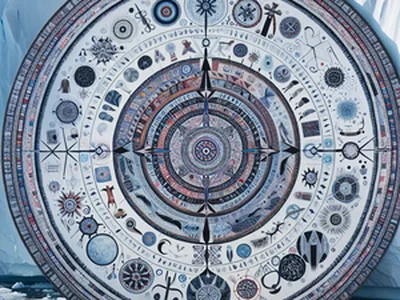
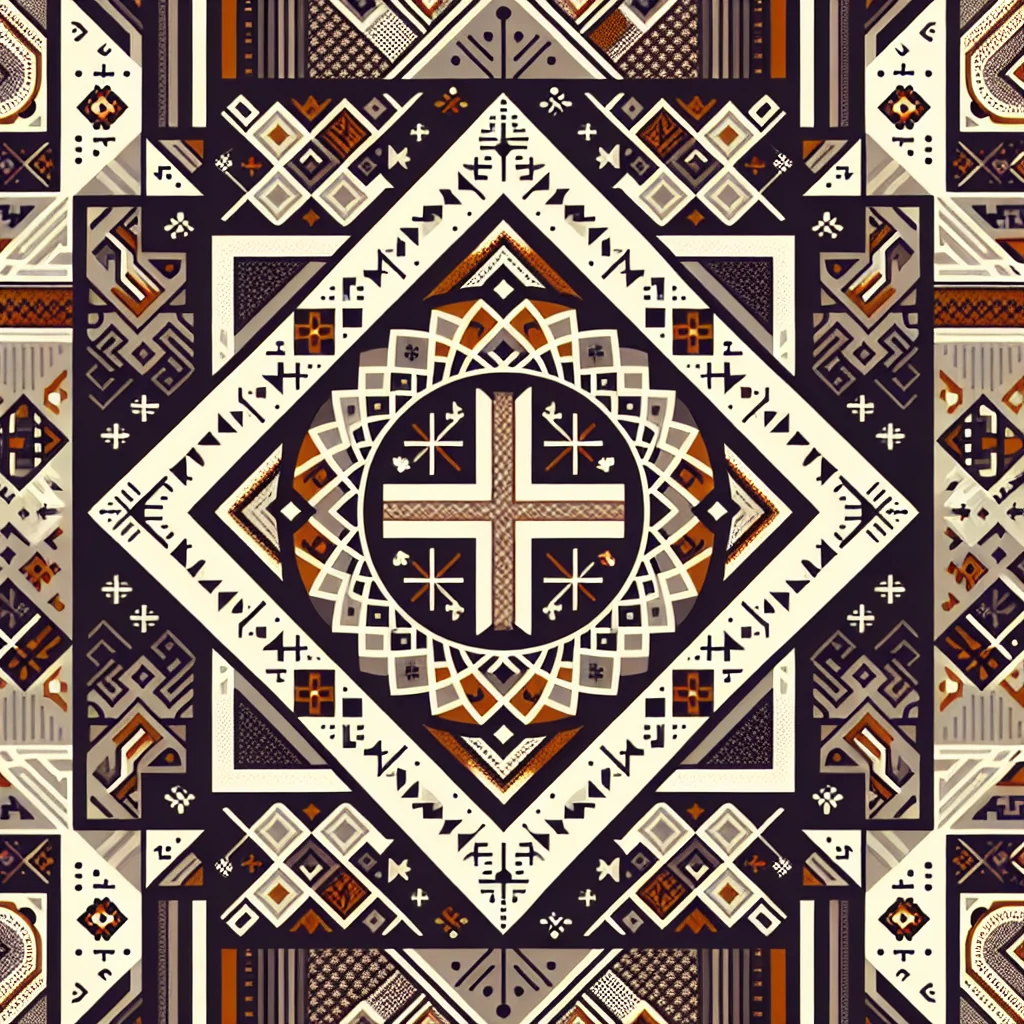
Cultural Symbols Motifs
Common cultural symbols in Mongolian art include the 'yin-yang' symbol, representing balance and harmony, as well as animals such as horses and eagles.
What Brings Joy
Many Mongolians find joy in traditional activities such as horseback riding, archery, and storytelling.
Celebrations Joyful Traditions
Mongolian celebrations often involve music, dance, and feasting. The 'Naadam' festival is a major event that showcases traditional sports and cultural practices.
Cultural Calendar And Holidays
The Mongolian calendar includes several important holidays, including the 'Tsagaan Sar' (White Month) new year celebration.
Economic Context And Occupations
Mongolia has a largely nomadic economy based on animal husbandry and agriculture. However, there is also a growing service sector in urban areas.
Housing And Living Arrangements
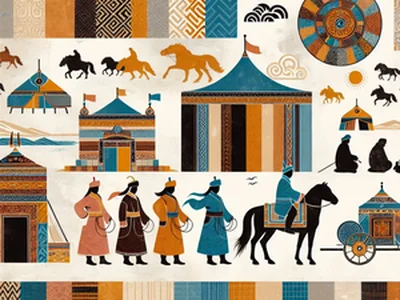
Traditional Mongolian housing consists of ger (yurts) made from felt and wood. However, many people now live in modern apartments or houses.
Nutrition And Dietary Norms
Mongolians traditionally eat a diet rich in meat, dairy products, and whole grains. However, there is also a growing recognition of the importance of healthy eating and nutrition.
Interpretation Needs
Interpretation services may be needed for Mongolian language speakers who require assistance with official documents or communication.
Interpreter Notes
Mongolian interpreters can be found in major cities, but their availability may be limited in rural areas.
Documentation Traditions
Traditional Mongolian documentation includes written records of genealogy, property ownership, and other important events.
Interactions With Other Cultures
Mongolians have a long history of interacting with other cultures, including the Chinese, Russians, and Tibetans.
Conflict Resolution Mechanisms
Traditional Mongolian conflict resolution mechanisms include mediation by elders and community leaders.
Cultural Exchange Programs
There are several cultural exchange programs between Mongolia and other countries, including the United States and China.
Trade Relations
Mongolia has trade agreements with several countries, including China, Russia, and South Korea.
Shared Artistic Projects
Mongolians have collaborated on artistic projects with other cultures, such as the 'Naadam' festival in Japan.
Intercultural Marriages
Intercultural marriages are becoming more common in Mongolia, particularly between Mongolians and foreigners living in Ulaanbaatar.
Shared Educational Initiatives
Mongolia has partnered with other countries on educational initiatives, such as the 'Teach for All' program.
Youth Perspectives
Young Mongolians are increasingly interested in modernizing their culture and adapting to changing global circumstances.
Education Initiatives
There are several education initiatives aimed at improving access to quality education in Mongolia, particularly for rural communities.
Future Challenges
Mongolia faces several challenges in the future, including climate change, economic development, and cultural preservation.
Youth Employment Trends
Youth employment trends in Mongolia include a growing interest in entrepreneurship, technology, and creative industries.
Future Visions
Many young Mongolians envision a future where their country is more prosperous, sustainable, and culturally vibrant.
Youth Leadership Roles
Young Mongolians are increasingly taking on leadership roles in their communities, including in politics, business, and civil society.
Innovation And Startups
Mongolia has a growing startup ecosystem, with several innovation hubs and incubators supporting young entrepreneurs.
Festivals And Celebrations
Mongolians celebrate several festivals throughout the year, including the 'Tsagaan Sar' (White Month) new year celebration.
Traditional Medicine Practices
Traditional Mongolian medicine includes practices such as acupuncture and herbalism.
Environmental Practices
Mongolians have a deep respect for the natural world and engage in sustainable practices such as composting and recycling.
Rituals
Traditional Mongolian rituals include the 'Khorkhoi' (horse sacrifice) ritual, which is still practiced in some areas.
Rites Of Passage
Mongolians have several traditional rites of passage, including the 'Borte' (wedding) ceremony.
Culinary Traditions
Mongolian cuisine includes traditional dishes such as 'boortsog' (fried doughnuts) and 'khuushuur' (meat pies).
Climate Adaptation Strategies
Mongolia is implementing climate adaptation strategies, including renewable energy projects and sustainable agriculture initiatives.
Biodiversity Conservation
Mongolia has made significant progress in biodiversity conservation, including the establishment of several national parks and protected areas.
Sustainable Tourism Practices
Sustainable tourism practices are becoming more popular in Mongolia, with many tour operators offering eco-friendly tours and activities.
Renewable Energy Use
Renewable energy use is increasing in Mongolia, particularly in rural areas where solar and wind power are being used to generate electricity.
Community Involvement In Practices
Community involvement is essential for the success of many cultural and environmental practices in Mongolia.
Environmental Education Programs
Environmental education programs are becoming more popular in Mongolia, particularly in schools and communities.
Notable Figures
Notable Mongolians include Genghis Khan, Tserenpuntsag, and Oyun-Erdene.
Cultural Innovations
Mongolia has made significant cultural innovations, including the development of the 'morin khuur' (horsehead fiddle) instrument.
Literary Works
Mongolian literature includes works such as 'The Secret History of the Mongols' and 'The Epic of Geser'.
Architectural Styles
Traditional Mongolian architecture includes styles such as the 'ger' (yurt) and the 'khan's palace'.
Scientific Contributions
Mongolians have made significant scientific contributions, including the discovery of the 'Bactrian camel' species.
Culinary Innovations
Mongolian cuisine has been influenced by various cultures, leading to innovations such as the development of 'khuushuur' (meat pies).
Global Influence
Mongolia's cultural influence can be seen in countries such as China, Russia, and Japan.
Awards And Recognition
Mongolians have received several awards and recognition for their cultural contributions, including the 'UNESCO Intangible Cultural Heritage of Humanity' designation.
Modern Influences
Modern influences on Mongolian culture include Western-style education, technology, and media.
Digital Presence
Mongolia has a growing digital presence, with many people using social media and online platforms to connect with others.
Globalization Effects
Globalization has had both positive and negative effects on Mongolian culture, including the spread of modern ideas and values.
Urbanization Effects
Urbanization has had significant effects on Mongolian culture, including the growth of cities and the decline of traditional practices.
Technology Adoption
Technology adoption is increasing in Mongolia, particularly in urban areas where smartphones and computers are becoming more widespread.
Hybrid Cultural Forms
Hybrid cultural forms are becoming more common in Mongolia, particularly in urban areas where traditional and modern practices blend together.
Social Media Presence
Social media is increasingly popular in Mongolia, with many people using platforms such as Facebook and Instagram to connect with others.
Challenges
Mongolia faces several cultural challenges, including the preservation of traditional practices and the adaptation to modernizing global circumstances.
Preservation Efforts
Efforts are being made to preserve Mongolian culture, including the establishment of cultural centers and museums.
Cultural Artwork
Community Discussion
Further Reading
Explore credible external sources to deepen your understanding of Mongolian culture.