
Albanians
Southeast Europe Albanian
Albanians are a Southeast European ethnic group native to Albania and neighboring regions.
Historical Context
Albanians trace their roots to the ancient Illyrians, with a history marked by Roman, Byzantine, and Ottoman rule.
Migration Patterns
Significant migration occurred during the Ottoman era and after the fall of communism, leading to large diaspora communities.
Conflict And Resilience History
Albanians have faced numerous conflicts, including the Balkan Wars and the Kosovo War, showcasing resilience and a strong national identity.
Diaspora Perspectives
The Albanian diaspora maintains strong ties to their homeland, contributing to cultural preservation and economic support.
Regional Variations
Cultural variations exist between regions, such as between northern Gheg and southern Tosk dialects and customs.
Bridging Notes
Efforts to bridge regional differences focus on language standardization and national unity.
Spiritual And Religious Practices
Albanians practice Islam, Christianity, and Bektashism, with a history of religious tolerance.
Beliefs And Worldview
Albanians value family, honor, and hospitality, with a worldview shaped by historical resilience.
Cultural Proverbs Sayings
Common proverbs emphasize wisdom, patience, and the importance of family.
Naming Conventions And Terms Of Address
Names often reflect historical and religious influences, with respectful terms of address used for elders.
Health And Mental Health
Traditional and modern healthcare coexist, with increasing awareness of mental health issues.
Mental Health Views
Mental health is gaining recognition, though stigma remains in some areas.
Traditional Healers
Traditional healers, known as 'shërues', are still consulted in rural areas.
Gender Roles In Healthcare
Healthcare roles are traditionally gendered, but women increasingly participate in medical professions.
Healthcare Barriers
Barriers include economic constraints and limited access in rural areas.
Education And Learning Styles
Education is highly valued, with a focus on rote learning and respect for teachers.
Learning Styles
Learning is often teacher-centered, with an emphasis on memorization.
Parental Engagement
Parents are actively involved in their children's education, often prioritizing academic success.
Family And Social Structure
Family is the cornerstone of Albanian society, with extended families often living together.
Discipline And Behavior
Discipline is traditionally strict, with an emphasis on respect and obedience.
Authority Attitudes
Respect for authority figures, such as elders and community leaders, is deeply ingrained.
Etiquette And Customs
Hospitality is a key custom, with guests treated with utmost respect and generosity.
Community Strengths Resilience
Strong community bonds and a collective spirit contribute to resilience in times of hardship.
Art Music And Expression
Albanian art and music reflect a blend of traditional and modern influences, with folk music and dance being particularly significant.
Cultural Symbols Motifs
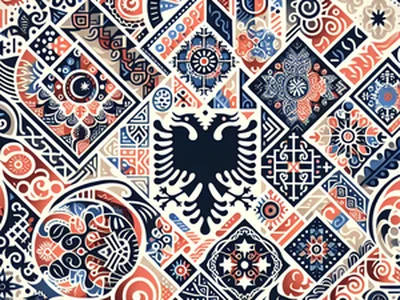
Symbols like the double-headed eagle and motifs from traditional costumes are prevalent.
What Brings Joy
Family gatherings, music, and traditional celebrations bring joy to Albanians.
Celebrations Joyful Traditions
Celebrations such as weddings and religious festivals are vibrant and community-focused.
Cultural Calendar And Holidays
Key holidays include Independence Day, Bajram, and Christmas.
Additional Notes
Albanian culture is characterized by a rich oral tradition and a strong sense of identity.
Economic Context And Occupations
The economy is diverse, with agriculture, services, and remittances playing significant roles.
Housing And Living Arrangements
Housing varies from urban apartments to rural family homes, often accommodating extended families.
Nutrition And Dietary Norms
The diet is Mediterranean, featuring fresh produce, meat, and dairy, with regional variations.
Interpretation Needs
Interpretation services are often needed for Albanian speakers in diaspora communities.
Interpreter Notes
Interpreters should be aware of regional dialects and cultural nuances.
Documentation Traditions
Documentation is traditionally oral, though written records are increasingly common.
Interactions With Other Cultures
Albanians have historically interacted with neighboring cultures, influencing and being influenced by them.
Conflict Resolution Mechanisms
Traditional mechanisms include mediation by elders and community leaders.
Cultural Exchange Programs
Programs exist to promote cultural exchange with neighboring countries and diaspora communities.
Trade Relations
Trade relations are strong with neighboring Balkan countries and the EU.
Shared Artistic Projects
Collaborations in music and film are common with neighboring cultures.
Intercultural Marriages
Intercultural marriages are increasingly common, especially in diaspora communities.
Shared Educational Initiatives
Educational initiatives often involve partnerships with international institutions.
Youth Perspectives
Albanian youth are increasingly globalized, valuing education and technology.
Education Initiatives
Initiatives focus on improving access to education and aligning with European standards.
Future Challenges
Challenges include economic opportunities and brain drain.
Youth Employment Trends
Youth employment is focused on technology, services, and entrepreneurship.
Future Visions
Youth envision a modern Albania integrated with Europe.
Youth Leadership Roles
Youth are taking on leadership roles in technology and social entrepreneurship.
Innovation And Startups
There is a growing startup culture, particularly in technology and creative industries.
Festivals And Celebrations
Festivals such as Dita e Verës and local saints' days are celebrated with music and dance.
Traditional Medicine Practices
Herbal remedies and traditional healing practices are still used, especially in rural areas.
Environmental Practices
Efforts are being made to preserve natural landscapes and promote sustainable agriculture.
Rituals
Rituals often involve music, dance, and community gatherings.
Rites Of Passage
Rites of passage include weddings, baptisms, and coming-of-age ceremonies.
Culinary Traditions
Culinary traditions include dishes like byrek, tavë kosi, and baklava.
Climate Adaptation Strategies
Strategies focus on sustainable agriculture and water management.
Biodiversity Conservation
Conservation efforts are aimed at protecting native species and habitats.
Sustainable Tourism Practices
Sustainable tourism is promoted to preserve cultural and natural heritage.
Renewable Energy Use
Renewable energy, particularly hydropower, is increasingly utilized.
Community Involvement In Practices
Community involvement is key in environmental conservation and cultural preservation.
Environmental Education Programs
Programs aim to educate youth about environmental stewardship and sustainability.
Notable Figures
Figures like Mother Teresa and Ismail Kadare are internationally recognized.
Cultural Innovations
Innovations include contributions to music, literature, and film.
Literary Works
Albanian literature is rich, with works by authors like Ismail Kadare gaining international acclaim.
Architectural Styles
Architecture reflects Ottoman, Venetian, and modern influences.
Scientific Contributions
Contributions in fields like archaeology and linguistics are notable.
Culinary Innovations
Innovations include fusion cuisine blending traditional and modern elements.
Global Influence
Albanian culture influences global music, film, and literature.
Awards And Recognition
Albanians have received international awards in literature, peace, and the arts.
Modern Influences
Western and European influences are evident in fashion, music, and lifestyle.
Digital Presence
Albanians have a strong digital presence, with widespread use of social media.
Globalization Effects
Globalization has led to increased cultural exchange and economic opportunities.
Urbanization Effects
Urbanization is transforming traditional lifestyles, particularly in Tirana.
Technology Adoption
Technology adoption is high, with a focus on digital communication and innovation.
Hybrid Cultural Forms
Hybrid forms blend traditional and modern elements in music, art, and cuisine.
Social Media Presence
Social media is widely used for communication and cultural expression.
Challenges
Challenges include preserving cultural identity amidst globalization and economic migration.
Preservation Efforts
Efforts focus on language preservation, cultural heritage sites, and traditional arts.
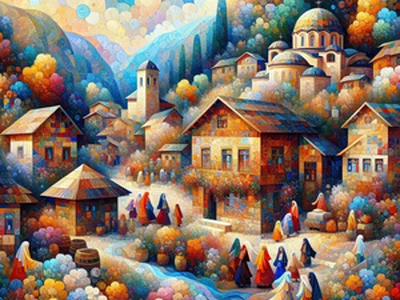
Cultural Artwork
Community Discussion
Further Reading
Explore credible external sources to deepen your understanding of Albanians culture.