
Romanian
Southeastern Europe RomanianHungarianGerman
The Romanian culture is a rich and diverse blend of Latin, Slavic, and Hungarian influences.
Historical Context
Romania has a long and complex history, with various empires and civilizations leaving their mark on the country.
Migration Patterns
The Dacians were the first known inhabitants of Romania, followed by the Romans, Goths, and Hungarians.
Conflict And Resilience History
Romania has experienced numerous conflicts throughout its history, including World War I and II, but has also shown remarkable resilience and adaptability.
Diaspora Perspectives
The Romanian diaspora is scattered across the world, with significant communities in the United States, Canada, and Australia.
Regional Variations
Romania has several regional variations, including the Transylvanian Saxons, the Székely people, and the Aromanians.
Spiritual And Religious Practices
The majority of Romanians are Eastern Orthodox Christians, with a significant minority of Romanian Catholics and Protestants.
Beliefs And Worldview
Romanian culture places a strong emphasis on family, community, and tradition.
Cultural Proverbs Sayings
Some common Romanian proverbs include "Dragostea este o comoară" (Love is a treasure) and "Frumuseţe nu se cumpără" (Beauty cannot be bought).
Naming Conventions And Terms Of Address
Romanian names often reflect the person's occupation, place of origin, or family history.
Health And Mental Health
Romanians prioritize health and wellness, with a strong emphasis on traditional medicine and natural remedies.
Mental Health Views
Mental health is still stigmatized in Romanian culture, but efforts are being made to raise awareness and promote mental well-being.
Traditional Healers
Traditional healers, known as "medicii populari," play an important role in rural areas, using herbal remedies and folk medicine.
Gender Roles In Healthcare
Women often take on a more nurturing role in healthcare, while men are more likely to seek medical attention for physical ailments.
Healthcare Barriers
Access to quality healthcare can be limited in rural areas, particularly for vulnerable populations such as the elderly and those with disabilities.
Education And Learning Styles
Romanian education places a strong emphasis on theoretical knowledge, with a focus on mathematics, science, and language.
Learning Styles
Students are encouraged to develop critical thinking skills and problem-solving abilities.
Parental Engagement
Parents are often involved in their children's education, particularly in rural areas where community ties are strong.
Family And Social Structure
The family is the core unit of Romanian society, with a strong emphasis on extended family ties and community involvement.
Discipline And Behavior
Children are often disciplined through physical punishment or verbal reprimand, while adults are expected to respect authority figures.
Authority Attitudes
Authority figures, such as teachers and government officials, are highly respected in Romanian culture.
Etiquette And Customs
Romanians place a strong emphasis on politeness and courtesy, with formal greetings and farewells being an important part of daily life.
Community Strengths Resilience
Community strength and resilience are essential components of Romanian culture, with neighbors often coming together to support one another in times of need.
Art Music And Expression
Romanian art and music are characterized by a rich folk tradition, with influences from Eastern European and Mediterranean cultures.
Cultural Symbols Motifs
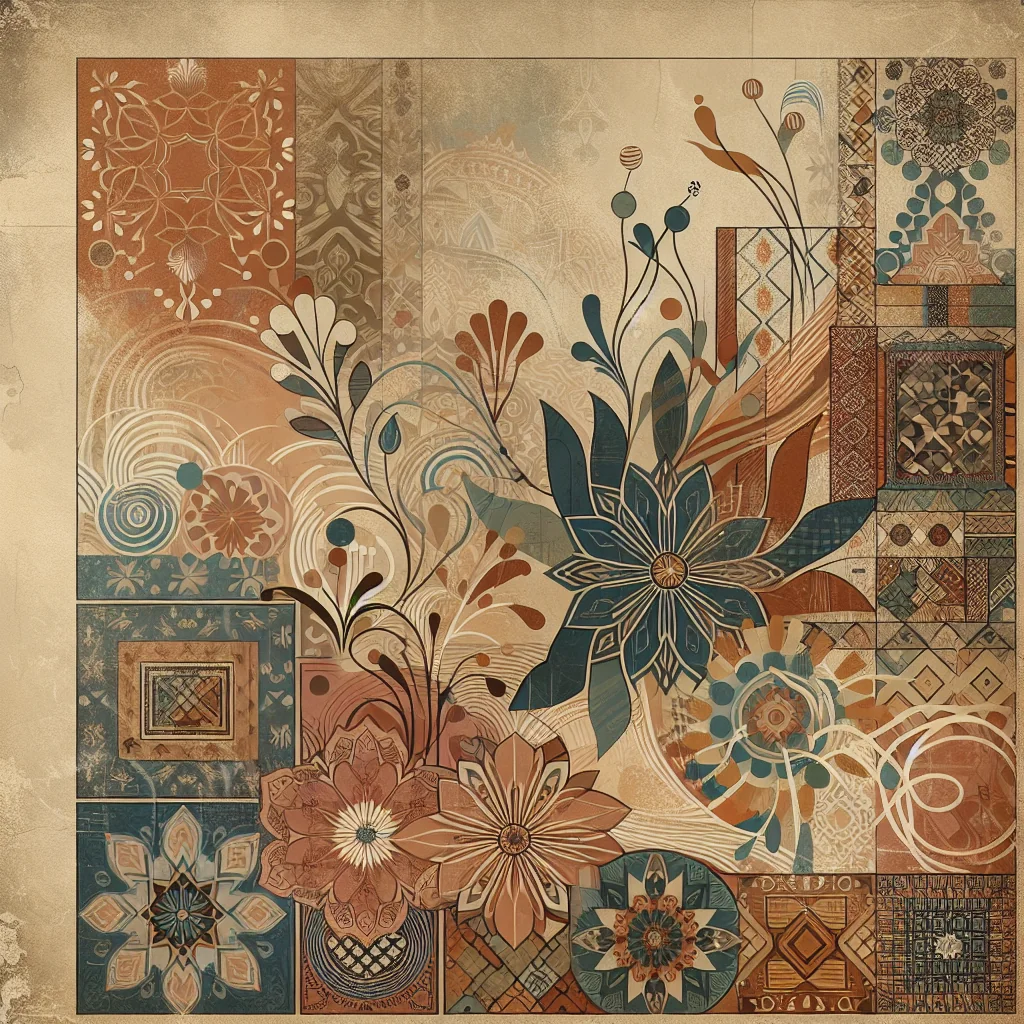
The Romanian flag features the colors blue, yellow, and red, while traditional motifs include the eagle, the bear, and the sun.
What Brings Joy
Romanians find joy in simple pleasures such as family gatherings, traditional festivals, and outdoor activities like hiking and skiing.
Celebrations Joyful Traditions
Some notable Romanian celebrations include Mărțișor (March 1st), Floriile (May 1st), and Sânzieni (June 24th).
Cultural Calendar And Holidays
Romania has a rich cultural calendar, with numerous festivals and holidays throughout the year.
Economic Context And Occupations
The Romanian economy is primarily driven by services, industry, and agriculture, with a growing focus on IT and technology.
Housing And Living Arrangements
Housing in Romania ranges from modern apartments to traditional rural homes, with a strong emphasis on community living.
Nutrition And Dietary Norms
Romanian cuisine is characterized by hearty meat dishes, stews, and soups, often served with polenta or bread.
Interpretation Needs
Interpretation services are available for Romanian Sign Language (Limbajul însemnării românesc) and other minority languages.
Interpreter Notes
Interpreters can be found in major cities, particularly in areas with high concentrations of minority populations.
Documentation Traditions
Romanian documents often feature traditional motifs and symbols, such as the coat of arms or national emblems.
Interactions With Other Cultures
Romania has a long history of cultural exchange with neighboring countries, particularly Hungary, Bulgaria, and Serbia.
Conflict Resolution Mechanisms
Disputes are often resolved through mediation or arbitration, with a focus on maintaining social harmony.
Cultural Exchange Programs
Numerous cultural exchange programs exist between Romania and other European countries, promoting mutual understanding and cooperation.
Trade Relations
Romania has established trade agreements with the European Union, the United States, and other major economies.
Shared Artistic Projects
Romanian artists often collaborate with international partners on joint projects, showcasing their unique cultural perspective.
Intercultural Marriages
Intercultural marriages are common in Romania, particularly between Romanians and Hungarians or Bulgarians.
Shared Educational Initiatives
Romania participates in various educational initiatives, such as the European Union's Erasmus program, to promote cross-cultural understanding.
Youth Perspectives
Young people in Romania are increasingly interested in technology, entrepreneurship, and social activism.
Education Initiatives
Romania has implemented various education initiatives, including vocational training programs and language courses.
Future Challenges
Challenges facing Romania include economic development, environmental sustainability, and social inequality.
Youth Employment Trends
Youth employment in Romania is characterized by a growing focus on IT, technology, and entrepreneurship.
Future Visions
Romanians envision a future with strong economic growth, cultural preservation, and social progress.
Youth Leadership Roles
Young people are increasingly taking on leadership roles in Romanian society, particularly in the fields of politics, business, and activism.
Innovation And Startups
Romania has seen a surge in innovation and startup activity, with many young entrepreneurs focusing on technology and sustainability.
Festivals And Celebrations
Romania hosts numerous festivals and celebrations throughout the year, including Mărțișor (March 1st) and Floriile (May 1st).
Traditional Medicine Practices
Traditional medicine in Romania often involves herbal remedies, folk treatments, and spiritual practices.
Environmental Practices
Romanians prioritize environmental sustainability, with a focus on renewable energy, conservation, and eco-tourism.
Rituals
Rituals in Romanian culture often involve traditional music, dance, and storytelling, as well as spiritual practices such as prayer and meditation.
Rites Of Passage
Romanian rites of passage include traditional weddings, funerals, and coming-of-age ceremonies.
Culinary Traditions
Romanian cuisine is characterized by hearty meat dishes, stews, and soups, often served with polenta or bread.
Climate Adaptation Strategies
Romania has implemented various climate adaptation strategies, including renewable energy initiatives and sustainable agriculture practices.
Biodiversity Conservation
Romania prioritizes biodiversity conservation, with a focus on protecting its unique flora and fauna.
Sustainable Tourism Practices
Sustainable tourism is increasingly popular in Romania, with visitors drawn to the country's natural beauty, cultural heritage, and eco-friendly accommodations.
Renewable Energy Use
Romania has made significant strides in renewable energy use, particularly wind and solar power.
Community Involvement In Practices
Community involvement is essential in Romanian environmental practices, with locals often taking on leadership roles in conservation efforts.
Environmental Education Programs
Environmental education programs are widely available in Romania, promoting sustainability and eco-awareness among children and adults alike.
Notable Figures
Notable Romanian figures include writers such as Mihai Eminescu and Mircea Eliade, artists like Constantin Brâncuși and Nicolae Grigorescu, and politicians like Nicolae Ceaușescu.
Cultural Innovations
Romanian culture has made significant contributions to the world, including the development of folk music, traditional crafts, and avant-garde art movements.
Literary Works
Romanian literature is characterized by a rich tradition of poetry, prose, and drama, with notable works such as Eminescu's "Luceafărul" and Eliade's "The Forge and the Crucible."
Architectural Styles
Romanian architecture reflects a blend of Eastern European and Mediterranean influences, with notable examples including the Palace of the Parliament in Bucharest and the fortified churches of Transylvania.
Scientific Contributions
Romanians have made significant scientific contributions, particularly in fields such as mathematics, physics, and chemistry.
Culinary Innovations
Romanian cuisine has been influenced by various cultures, resulting in unique dishes like sarmale (stuffed cabbage rolls) and mamaliga (polenta).
Global Influence
Romania's cultural influence extends globally, with Romanian communities found throughout the world.
Awards And Recognition
Romanians have received numerous awards and recognition for their contributions to art, literature, science, and politics.
Modern Influences
Romanian culture has been influenced by modern trends such as globalization, urbanization, and technological advancements.
Digital Presence
Romania has a growing digital presence, with increasing numbers of online platforms, social media users, and e-commerce transactions.
Globalization Effects
Globalization has had both positive and negative effects on Romanian culture, leading to increased economic opportunities but also cultural homogenization.
Urbanization Effects
Urbanization in Romania has led to the growth of cities like Bucharest and Cluj-Napoca, with a focus on modern infrastructure, services, and amenities.
Technology Adoption
Romanians have rapidly adopted technology, particularly mobile devices, social media, and e-commerce platforms.
Hybrid Cultural Forms
Hybrid cultural forms are emerging in Romania, blending traditional practices with modern influences such as hip-hop and electronic music.
Social Media Presence
Social media is increasingly popular in Romania, with many users engaging in online discussions, sharing content, and participating in virtual communities.
Challenges
Challenges facing Romanian culture include economic development, environmental sustainability, social inequality, and cultural preservation.
Preservation Efforts
Efforts to preserve Romanian culture are underway, including initiatives to protect traditional crafts, promote folk music and dance, and conserve natural heritage sites.
Cultural Artwork
Community Discussion
Further Reading
Explore credible external sources to deepen your understanding of Romanian culture.