
Serbian
Southeastern Europe SerbianEnglish
The Serbian culture is a Slavic culture that originated in the Balkans and has a rich history dating back to the Middle Ages.
Historical Context
The Serbian culture has its roots in the medieval Kingdom of Serbia, which was established in the 14th century.
Migration Patterns
Serbs have migrated to various parts of Europe and the world, including the United States, Canada, Australia, and other countries.
Conflict And Resilience History
The Serbian culture has experienced numerous conflicts throughout its history, including the Ottoman Empire's conquest in the 14th century and the Yugoslav Wars in the 1990s.
Diaspora Perspectives
Serbs living abroad have maintained strong connections to their cultural heritage through various organizations and events.
Regional Variations
Regional variations of Serbian culture can be seen in different parts of Serbia, such as Vojvodina and Kosovo.
Spiritual And Religious Practices
The majority of Serbs are Orthodox Christians, with a significant minority practicing Catholicism or Islam.
Beliefs And Worldview
Serbian culture is deeply rooted in Eastern Orthodoxy and emphasizes the importance of family, community, and tradition.
Cultural Proverbs Sayings
Some common Serbian proverbs include 'Sve je u redu' (Everything is fine) and 'Nema problema' (No problem).
Naming Conventions And Terms Of Address
In Serbian culture, it's customary to use formal titles such as 'Gospodin' (Mr.) or 'Gospođa' (Mrs.).
Health And Mental Health
Serbs prioritize physical and mental well-being, with a strong emphasis on traditional medicine and folk remedies.
Mental Health Views
Mental health is still stigmatized in some parts of Serbian society, but efforts are being made to raise awareness and promote support services.
Traditional Healers
Traditional healers, known as 'babas' or 'deda', play an important role in Serbian culture, using herbal remedies and other natural treatments.
Gender Roles In Healthcare
Women often take on a more caregiving role in healthcare, while men are more likely to seek medical attention for physical health issues.
Healthcare Barriers
Limited access to healthcare services, particularly in rural areas, remains a challenge for many Serbs.
Education And Learning Styles
Serbian education system emphasizes rote memorization and standardized testing, with a focus on core subjects such as mathematics, science, and language.
Learning Styles
Students are often encouraged to work individually rather than in groups, reflecting the emphasis on personal responsibility and self-reliance.
Parental Engagement
Parents play an active role in their children's education, attending parent-teacher conferences and participating in school events.
Family And Social Structure
The extended family is highly valued in Serbian culture, with close-knit relationships between relatives and neighbors.
Discipline And Behavior
Children are often disciplined through physical punishment or verbal reprimands, reflecting the emphasis on obedience and respect for authority.
Authority Attitudes
Authority figures, such as parents and teachers, are generally respected and obeyed without question.
Etiquette And Customs
Serbs place great importance on hospitality and politeness, with guests often receiving warm welcomes and generous treatment.
Community Strengths Resilience
Community cohesion and solidarity are strong in Serbian culture, with neighbors and friends often coming together to support one another during difficult times.
Art Music And Expression
Serbian art and music are characterized by a rich folk tradition, including epic poetry, singing, and instrumental music.
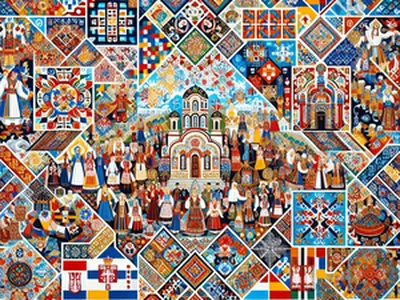
Cultural Symbols Motifs
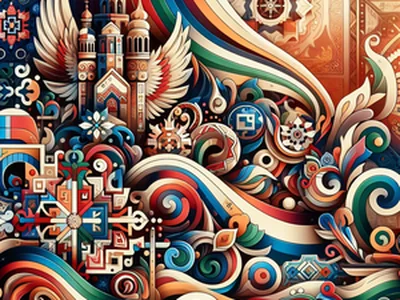
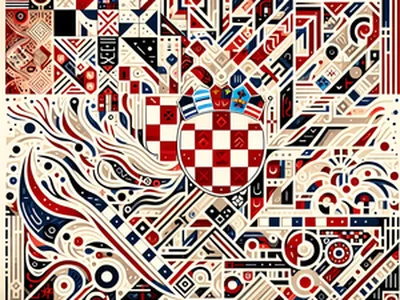
The Serbian flag features the double-headed eagle, symbolizing strength and unity.
What Brings Joy
Traditional Serbian festivals and celebrations, such as Slava (patron saint's day) and New Year's Eve, bring joy and community spirit to people's lives.
Celebrations Joyful Traditions
Serbs celebrate various holidays throughout the year, including Christmas, Easter, and Orthodox holidays like St. Sava's Day.
Cultural Calendar And Holidays
The Serbian calendar is marked by significant dates such as January 1st (New Year's Day), March 27th (St. Sava's Day), and December 25th (Christmas).
Economic Context And Occupations
The Serbian economy is primarily driven by services, industry, and agriculture, with a growing focus on IT and technology.
Housing And Living Arrangements
Housing in Serbia ranges from modern apartments to traditional rural homes, often with extended family members living together.
Nutrition And Dietary Norms
Serbian cuisine emphasizes meat-based dishes, bread, cheese, and vegetables, with a focus on locally sourced ingredients.
Interpretation Needs
Interpretation services are available for English, German, French, Italian, Spanish, and other languages spoken by the Serbian diaspora.
Interpreter Notes
Professional interpreters can be hired for events, conferences, or medical appointments, ensuring effective communication between parties.
Documentation Traditions
Serbian documents often include formal titles, dates, and signatures, reflecting the importance of written records in the culture.
Interactions With Other Cultures
Serbs have interacted with various cultures throughout history, including the Ottoman Empire, Austro-Hungary, and other European nations.
Conflict Resolution Mechanisms
Traditional conflict resolution mechanisms in Serbian culture include mediation by elder community members or respected authority figures.
Cultural Exchange Programs
Cultural exchange programs between Serbia and other countries have promoted mutual understanding and cooperation.
Trade Relations
Serbia has trade agreements with various countries, including the European Union, China, and Russia.
Shared Artistic Projects
Serbian artists and musicians collaborate with international partners on projects showcasing traditional folk music and dance.
Intercultural Marriages
Intercultural marriages between Serbs and people from other cultures are becoming increasingly common, reflecting growing global connectivity.
Shared Educational Initiatives
Educational institutions in Serbia participate in international exchange programs, promoting cross-cultural understanding and cooperation.
Youth Perspectives
Young Serbs prioritize education, career development, and personal growth, with a strong emphasis on community involvement and social responsibility.
Education Initiatives
Initiatives such as the 'Serbia for All' program aim to promote inclusive education and address educational disparities in rural areas.
Future Challenges
Challenges facing Serbia's youth include unemployment, migration, and adapting to technological changes.
Youth Employment Trends
Youth employment trends in Serbia are shifting towards IT, technology, and creative industries.
Future Visions
Young Serbs envision a future with improved economic opportunities, social justice, and environmental sustainability.
Youth Leadership Roles
Youth leaders in Serbia often take on roles in community organizations, advocating for youth rights and interests.
Innovation And Startups
Innovation hubs and startup accelerators are emerging in Serbia, supporting entrepreneurship and innovation among young people.
Festivals And Celebrations
Serbia celebrates various festivals throughout the year, including Christmas, Easter, and Slava (patron saint's day).
Traditional Medicine Practices
Traditional healers in Serbia use herbal remedies and other natural treatments to address health issues.
Environmental Practices
Serbs prioritize environmental conservation, with initiatives focusing on sustainable agriculture, renewable energy, and waste management.
Rituals
Rituals such as the 'Slava' ceremony honor patron saints and emphasize community bonding.
Rites Of Passage
Traditional rites of passage in Serbian culture include baptism, confirmation, and wedding ceremonies.
Culinary Traditions
Serbian cuisine emphasizes locally sourced ingredients, with a focus on meat-based dishes, bread, cheese, and vegetables.
Climate Adaptation Strategies
Climate adaptation strategies in Serbia include promoting sustainable agriculture, renewable energy, and green infrastructure.
Biodiversity Conservation
Efforts to conserve biodiversity in Serbia involve protecting natural habitats, preserving traditional farming practices, and promoting eco-tourism.
Sustainable Tourism Practices
Sustainable tourism initiatives in Serbia focus on responsible travel, cultural exchange, and community engagement.
Renewable Energy Use
Renewable energy sources such as solar and wind power are increasingly used in Serbia to reduce dependence on fossil fuels.
Community Involvement In Practices
Community involvement is essential for the success of environmental initiatives in Serbia, with local residents participating in decision-making processes and implementing projects.
Notable Figures
Notable figures from Serbian culture include writers like Ivo Andrić and Miloš Crnjanski, as well as scientists like Mihajlo Pupin.
Cultural Innovations
Serbian culture has contributed to various innovations, including the development of the Cyrillic alphabet and the invention of the steam engine.
Literary Works
Literary works from Serbian authors include 'The Bridge on the Drina' by Ivo Andrić and 'The Book of Kings' by Miloš Crnjanski.
Architectural Styles
Serbian architecture is characterized by a mix of Byzantine, Gothic, and Renaissance styles, with notable examples including the St. Sava Temple in Belgrade.
Scientific Contributions
Scientists from Serbia have made significant contributions to fields like physics, chemistry, and mathematics, including Mihajlo Pupin's work on the development of the telephone.
Culinary Innovations
Serbian cuisine has introduced various dishes and ingredients to international cuisine, such as ćevapi (minced meat sausages) and paprika.
Global Influence
Serbian culture has had a significant influence on global culture, with its folk music, dance, and literature being recognized internationally.
Awards And Recognition
Serbia has received numerous awards and recognition for its cultural achievements, including UNESCO's designation of the St. Sava Temple as a World Heritage Site.
Modern Influences
Modern influences from Western Europe and the United States have shaped Serbian culture, particularly in areas like fashion, music, and art.
Digital Presence
Serbian culture is increasingly present online, with social media platforms and digital art exhibitions showcasing traditional folk music, dance, and literature.
Globalization Effects
Globalization has had both positive and negative effects on Serbian culture, leading to increased cultural exchange but also threatening traditional practices and values.
Urbanization Effects
Urbanization has led to changes in Serbian culture, with cities like Belgrade becoming hubs for cultural innovation and exchange.
Technology Adoption
Technology adoption is increasing in Serbia, with a growing focus on digital literacy, e-government services, and online education.
Hybrid Cultural Forms
Hybrid cultural forms are emerging in Serbia, blending traditional folk music with modern electronic elements or combining traditional dance with contemporary styles.
Social Media Presence
Social media platforms are widely used by Serbs to share cultural content, connect with others, and promote their work.
Challenges
Challenges facing Serbian culture include preserving traditional practices and values while adapting to modernization and globalization.
Preservation Efforts
Efforts to preserve Serbian culture involve promoting traditional folk music, dance, and literature, as well as supporting cultural heritage sites and initiatives.
Cultural Artwork
Community Discussion
Further Reading
Explore credible external sources to deepen your understanding of Serbian culture.