

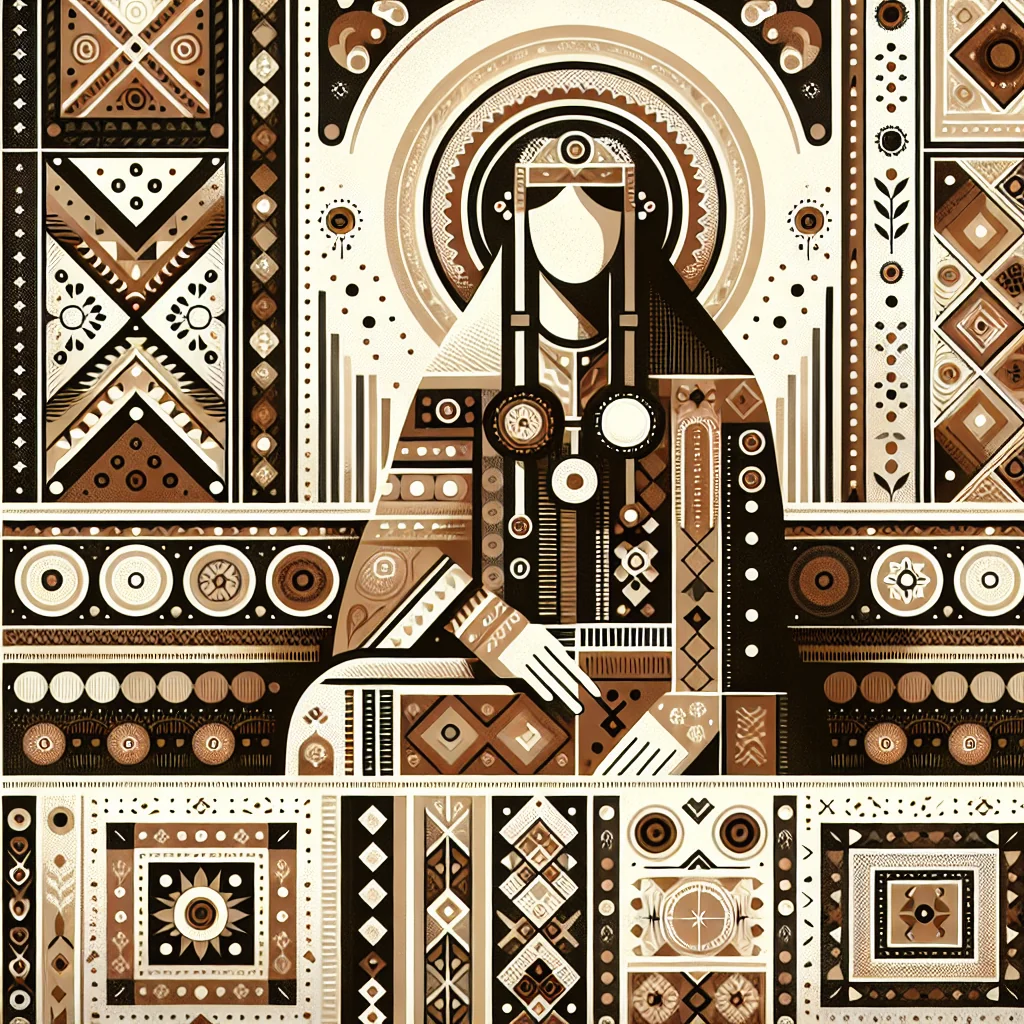
Romani
Primarily Europe, with communities in the Americas, Asia, and Australia. Romanivarious local languages depending on region
The Romani culture is rich and diverse, known for its vibrant traditions, music, and strong sense of community.
Historical Context
The Romani people originated from northern India around 1,500 years ago and migrated to Europe over several centuries. They have faced significant persecution and discrimination throughout history, including during the Holocaust.
Migration Patterns
The Romani migrated from India through Persia and into Europe, with significant populations now in Eastern Europe, the Balkans, and beyond.
Conflict And Resilience History
Despite facing systemic discrimination, the Romani have preserved their cultural identity through strong community bonds and adaptive resilience.
Diaspora Perspectives
Romani communities in the diaspora maintain cultural practices while also integrating aspects of local cultures.
Regional Variations
There are various Romani subgroups with distinct dialects and traditions, such as the Kalderash, Lovari, and Sinti.
Bridging Notes
Understanding the Romani culture requires acknowledging their historical struggles and contributions to the societies they inhabit.
Spiritual And Religious Practices
Romani spiritual beliefs are diverse, often incorporating elements of the dominant religion in their region, such as Christianity or Islam, alongside traditional Romani spiritual practices.
Beliefs And Worldview
The Romani worldview emphasizes family, community, and respect for elders. There is a strong belief in fate and the supernatural.
Cultural Proverbs Sayings
Proverbs often reflect values of wisdom, caution, and the importance of family, such as 'A good name is better than riches.'
Naming Conventions And Terms Of Address
Names often reflect cultural heritage, with traditional Romani names being common. Respectful terms of address are important, especially for elders.
Health And Mental Health
Access to healthcare can be limited due to socioeconomic factors and discrimination. Traditional healing practices are often used alongside modern medicine.
Mental Health Views
Mental health is sometimes stigmatized, with issues often addressed within the family or community rather than through formal services.
Traditional Healers
Traditional healers, known as 'drabarni' or 'drabengi,' play a significant role in health practices, using herbal remedies and spiritual guidance.
Gender Roles In Healthcare
Women often play a central role in family health care, though traditional gender roles can influence access to external health services.
Healthcare Barriers
Barriers include discrimination, lack of trust in healthcare systems, and language differences.
Education And Learning Styles
Education is valued, but access can be hindered by discrimination and socioeconomic challenges. Learning is often experiential and community-based.
Learning Styles
Romani children may thrive in environments that respect oral traditions and practical learning.
Parental Engagement
Parents are highly involved in their children's education, often prioritizing cultural education alongside formal schooling.
Family And Social Structure
Family is the cornerstone of Romani society, with extended families often living together or in close proximity.
Discipline And Behavior
Discipline is typically managed within the family, with a focus on respect for elders and community norms.
Authority Attitudes
There is a general skepticism towards external authority figures, stemming from historical experiences of discrimination.
Etiquette And Customs
Etiquette emphasizes respect, hospitality, and maintaining honor within the community.
Community Strengths Resilience
Strong community bonds and a rich cultural heritage contribute to the resilience of Romani communities.
Art Music And Expression
Romani culture is renowned for its music and dance, which have influenced many musical genres worldwide.
Cultural Symbols Motifs
Symbols such as the wheel and the horse are significant, representing freedom and mobility.
What Brings Joy
Music, dance, storytelling, and communal gatherings are central to Romani joy and cultural expression.
Celebrations Joyful Traditions
Festivals and family celebrations are vibrant, often involving music, dance, and traditional foods.
Cultural Calendar And Holidays
Celebrations often align with major religious holidays of the dominant culture, alongside unique Romani traditions.
Additional Notes
Romani art and expression are integral to cultural identity, often serving as a means of storytelling and cultural preservation.
Economic Context And Occupations
Historically, Romani people have worked in trades such as metalworking, music, and crafts. Modern occupations vary widely.
Housing And Living Arrangements
Living arrangements can range from traditional caravans to urban apartments, often influenced by socioeconomic status.
Nutrition And Dietary Norms
Dietary practices vary, often influenced by regional cuisines, but traditional Romani foods are cherished.
Interpretation Needs
Language barriers can exist, particularly for older generations who may not speak the dominant local language fluently.
Interpreter Notes
Interpreters familiar with Romani dialects and cultural nuances are preferred.
Documentation Traditions
Oral traditions are strong, with less emphasis historically on written documentation.
Interactions With Other Cultures
Romani people have historically interacted with various cultures, often adopting and adapting elements while maintaining their own identity.
Conflict Resolution Mechanisms
Conflict is often resolved within the community through dialogue and mediation by respected elders.
Cultural Exchange Programs
Programs exist to promote understanding and exchange between Romani and non-Romani communities.
Trade Relations
Trade has been a traditional occupation, with Romani people historically engaging in commerce across regions.
Shared Artistic Projects
Collaborations in music and arts have been common, showcasing Romani influence on global culture.
Intercultural Marriages
Intercultural marriages occur, though they may face challenges related to cultural integration.
Shared Educational Initiatives
Educational initiatives aim to bridge gaps and promote mutual understanding between Romani and other communities.
Youth Perspectives
Romani youth are increasingly advocating for their rights and cultural preservation while navigating modern challenges.
Education Initiatives
Efforts are underway to improve educational access and outcomes for Romani youth.
Future Challenges
Challenges include combating discrimination, improving socioeconomic conditions, and preserving cultural identity.
Youth Employment Trends
Youth employment trends vary, with increasing participation in diverse fields beyond traditional occupations.
Future Visions
There is a strong desire among Romani youth to balance cultural preservation with modern opportunities.
Youth Leadership Roles
Youth are taking on leadership roles within their communities, advocating for change and representation.
Innovation And Startups
Romani youth are increasingly involved in innovation and entrepreneurship, contributing to economic development.
Festivals And Celebrations
Festivals are vibrant, featuring music, dance, and traditional foods, often celebrating cultural heritage and community bonds.
Traditional Medicine Practices
Herbal remedies and traditional healing practices are common, often passed down through generations.
Environmental Practices
Sustainable living practices are valued, with a historical emphasis on harmony with nature.
Rituals
Rituals often mark significant life events, such as births, marriages, and deaths, with community involvement.
Rites Of Passage
Rites of passage are important, marking transitions such as coming of age with ceremonies and celebrations.
Culinary Traditions
Romani cuisine is diverse, often incorporating local ingredients and traditional recipes passed down through families.
Climate Adaptation Strategies
Adaptation strategies include traditional knowledge of weather patterns and sustainable resource use.
Biodiversity Conservation
There is a respect for biodiversity, with traditional practices often supporting conservation efforts.
Sustainable Tourism Practices
Efforts are made to promote tourism that respects Romani culture and benefits local communities.
Renewable Energy Use
Interest in renewable energy is growing, with some communities adopting sustainable practices.
Community Involvement In Practices
Community involvement is key in maintaining cultural and environmental practices, with collective decision-making.
Environmental Education Programs
Programs aim to educate both Romani and non-Romani communities about sustainable practices and environmental stewardship.
Notable Figures
Notable Romani figures include Django Reinhardt, a pioneering jazz guitarist, and Esma Redžepova, a celebrated singer.
Cultural Innovations
Romani music and dance have significantly influenced global arts, contributing to genres like flamenco and jazz.
Literary Works
Romani literature often explores themes of identity, migration, and resilience, with authors like Papusza gaining recognition.
Architectural Styles
While traditional Romani architecture is less documented, their influence can be seen in the vibrant aesthetics of their communities.
Scientific Contributions
Romani contributions to science are less documented but include traditional knowledge in areas like herbal medicine.
Culinary Innovations
Romani cuisine has influenced regional dishes, often blending traditional recipes with local flavors.
Global Influence
Romani culture has had a profound impact on global music, dance, and art, enriching cultural diversity worldwide.
Awards And Recognition
Romani artists and activists have received various awards for their contributions to culture and human rights.
Modern Influences
Romani culture continues to evolve, integrating modern influences while preserving traditional practices.
Digital Presence
Digital platforms are increasingly used for cultural expression and advocacy, connecting Romani communities globally.
Globalization Effects
Globalization presents both opportunities and challenges, influencing cultural practices and economic opportunities.
Urbanization Effects
Urbanization has led to changes in living arrangements and occupations, with some loss of traditional lifestyles.
Technology Adoption
Technology is embraced by many Romani, facilitating communication and access to information.
Hybrid Cultural Forms
Hybrid cultural forms emerge as Romani people blend traditional and modern elements in arts and daily life.
Social Media Presence
Social media is a powerful tool for Romani advocacy, cultural exchange, and community building.
Challenges
The Romani face challenges such as discrimination, marginalization, and the struggle to preserve cultural identity in a rapidly changing world.
Preservation Efforts
Efforts to preserve Romani culture include educational programs, cultural festivals, and advocacy for rights and recognition.
Cultural Artwork
Community Discussion
Further Reading
Explore credible external sources to deepen your understanding of Romani culture.