
Pakistani Diaspora
Global, with significant populations in the UK, US, Canada, and Middle East UrduEnglishPunjabiPashto
The Pakistani Diaspora refers to the global community of people of Pakistani origin who have migrated to various countries around the world.
Historical Context
The Pakistani Diaspora has its roots in the Partition of India and Pakistan in 1947, which led to mass migrations across the border.
Migration Patterns
Initial migration waves were driven by economic opportunities, followed by family reunification and chain migration. Today, diasporic communities continue to grow through education and work-related mobility.
Conflict And Resilience History
Pakistani diasporic communities have faced various challenges, including racism, xenophobia, and cultural assimilation pressures. However, they have also demonstrated remarkable resilience and adaptability in the face of adversity.
Diaspora Perspectives
Diasporic individuals often maintain strong emotional connections to their homeland while navigating new realities. They frequently engage in transnational practices, such as remittances, travel, and cultural exchange.
Regional Variations
Regional variations within the Pakistani Diaspora exist due to differences in migration histories, economic contexts, and social structures. For example, British Pakistanis have distinct experiences compared to American or Canadian Pakistanis.
Bridging Notes
The concept of 'diaspora' is complex and multifaceted, encompassing both voluntary and involuntary migrations. Pakistani diasporic communities embody this complexity, with individuals navigating multiple identities and belonging.
Spiritual And Religious Practices
Islam is the dominant faith among Pakistani diasporic communities, with many adherents practicing Sunni or Shia Islam. Other religious traditions, such as Christianity and Hinduism, are also present.
Beliefs And Worldview
Pakistani diasporic individuals often hold strong family and community values, emphasizing respect for elders, hospitality, and social responsibility. They may also be influenced by Western cultural norms and values.
Cultural Proverbs Sayings
Proverbs like 'Khuda ka wada hai' (God's promise) and 'Dil se dil ki baat' (heart-to-heart conversation) reflect the importance of faith, family, and emotional connection in Pakistani culture.
Naming Conventions And Terms Of Address
Traditional naming conventions often involve a combination of Islamic names and patronymic suffixes. Terms of address like 'Bhai' (brother) or 'Dadi' (grandmother) convey respect and affection.
Health And Mental Health
Pakistani diasporic communities face unique health challenges, including mental health concerns related to cultural adaptation, racism, and social isolation.
Mental Health Views
Mental health is often stigmatized in Pakistani culture, leading to underreporting and delayed seeking of help. However, there is a growing recognition of the importance of mental well-being.
Traditional Healers
Unani medicine and Ayurveda are traditional healing practices that have been adopted by some Pakistani diasporic communities, alongside Western medical approaches.
Gender Roles In Healthcare
Pakistani culture often emphasizes male-dominated healthcare decision-making, although there is a growing recognition of the importance of female involvement in health-related decisions.
Healthcare Barriers
Language barriers, cultural differences, and socioeconomic factors contribute to healthcare disparities within Pakistani diasporic communities.
Education And Learning Styles
Pakistani diasporic individuals often value education as a means of social mobility and self-improvement. They may adopt Western learning styles while maintaining traditional values.
Learning Styles
Active learning, critical thinking, and problem-solving are valued in Pakistani culture, alongside rote memorization and respect for authority.
Parental Engagement
Parents often play an active role in their children's education, emphasizing the importance of academic achievement and cultural preservation.
Family And Social Structure
Pakistani diasporic communities are often characterized by strong family ties and social networks. Extended families and community organizations provide emotional support and a sense of belonging.
Discipline And Behavior
Discipline is highly valued in Pakistani culture, with an emphasis on respect for authority, self-control, and responsibility.
Authority Attitudes
Pakistani diasporic individuals often exhibit deference to authority figures, such as elders or community leaders, while also advocating for social justice and human rights.
Etiquette And Customs
Etiquette and customs like removing shoes before entering a home, using the right hand for eating, and respecting elders' opinions are deeply ingrained in Pakistani culture.
Community Strengths Resilience
Pakistani diasporic communities demonstrate remarkable resilience in the face of adversity, often relying on social support networks and community resources to overcome challenges.
Art Music And Expression
Traditional Pakistani art forms like music (qawwali), dance (bhangra), and literature (Urdu poetry) continue to thrive within diasporic communities.
Cultural Symbols Motifs
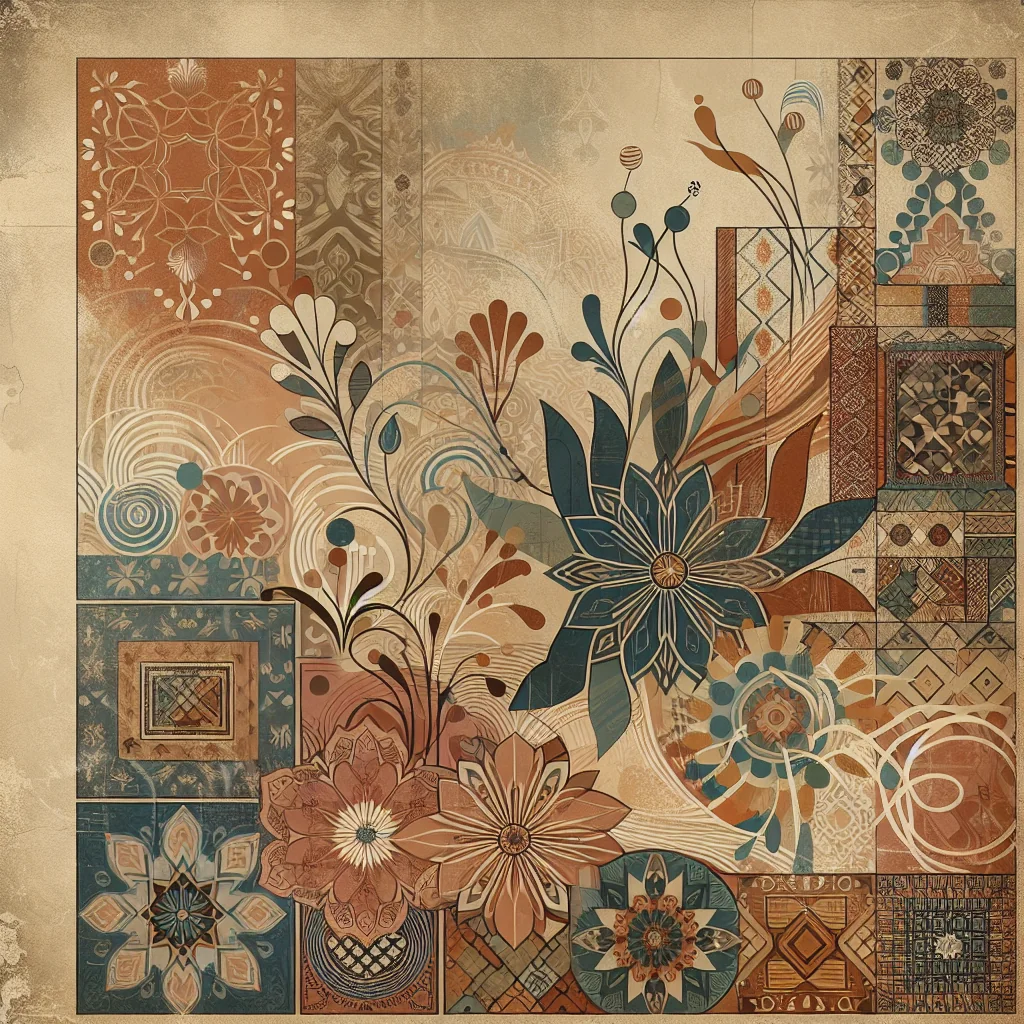
Symbols like the crescent moon, green flag, and Urdu script evoke national pride and cultural identity among Pakistani diasporics.
What Brings Joy
Pakistani culture places great emphasis on family gatherings, festivals (e.g., Eid-al-Fitr), and traditional celebrations (e.g., weddings) as sources of joy and community bonding.
Celebrations Joyful Traditions
Eid-al-Fitr, Eid-al-Adha, and Diwali are significant festivals in Pakistani diasporic communities, often marked with feasting, gift-giving, and charitable activities.
Cultural Calendar And Holidays
Pakistani diasporic communities observe Islamic holidays like Ramadan and Eid-al-Fitr, as well as national celebrations like Pakistan Day (March 23rd).
Additional Notes
Diasporic Pakistani culture is characterized by a dynamic blend of traditional and modern influences, reflecting the community's adaptability and creativity.
Economic Context And Occupations
Pakistani diasporic individuals often engage in entrepreneurial activities, working as small business owners or freelancers. They may also be employed in various sectors, including healthcare, education, and technology.
Housing And Living Arrangements
Diasporic Pakistani communities frequently reside in urban areas, with a preference for multi-generational households and close-knit neighborhoods.
Nutrition And Dietary Norms
Traditional Pakistani cuisine emphasizes rice, bread (naan), and spices. Dietary norms often prioritize halal meat consumption and vegetarian options.
Interpretation Needs
Language barriers can be significant within Pakistani diasporic communities, particularly for those with limited proficiency in the host country's language.
Interpreter Notes
Interpreters may be required to facilitate communication between healthcare providers, law enforcement, and community members.
Documentation Traditions
Pakistani diasporic individuals often maintain traditional documentation practices, such as using Urdu or other regional languages for official documents.
Interactions With Other Cultures
Pakistani diasporic communities engage in various intercultural interactions, including business partnerships, educational collaborations, and social exchanges.
Conflict Resolution Mechanisms
Mechanisms like mediation, arbitration, and negotiation are employed to resolve conflicts between Pakistani diasporic individuals and other cultural groups.
Cultural Exchange Programs
Programs promoting cultural exchange, language learning, and people-to-people diplomacy foster greater understanding and cooperation between Pakistani diasporic communities and host societies.
Trade Relations
Trade agreements and business partnerships facilitate economic growth and development within Pakistani diasporic communities.
Shared Artistic Projects
Collaborative artistic projects, such as music festivals or art exhibitions, celebrate cultural diversity and promote cross-cultural understanding.
Intercultural Marriages
Intercultural marriages between Pakistani diasporics and individuals from other cultures reflect the growing trend of globalized relationships and family ties.
Shared Educational Initiatives
Joint educational initiatives, such as language programs or cultural studies courses, address the needs of Pakistani diasporic students and promote cross-cultural understanding.
Youth Perspectives
Youth within Pakistani diasporic communities often face unique challenges related to identity, belonging, and social mobility.
Education Initiatives
Initiatives like language classes, cultural workshops, and mentorship programs support the educational and personal development of Pakistani diasporic youth.
Future Challenges
Pakistani diasporic communities will likely confront future challenges related to climate change, economic inequality, and social justice.
Youth Employment Trends
Youth employment trends within Pakistani diasporic communities may shift towards entrepreneurship, freelancing, or remote work due to technological advancements and changing workforce demands.
Future Visions
Pakistani diasporic individuals often envision a future marked by greater cultural exchange, economic cooperation, and social justice between their communities and host societies.
Youth Leadership Roles
Youth within Pakistani diasporic communities are increasingly taking on leadership roles in community organizations, advocacy groups, and social enterprises.
Innovation And Startups
Innovation and entrepreneurship are driving forces behind the growth of Pakistani diasporic communities, with many startups and small businesses emerging in fields like technology, healthcare, and education.
Festivals And Celebrations
Pakistani diasporic communities celebrate various festivals and celebrations, including Eid-al-Fitr, Eid-al-Adha, and Diwali.
Traditional Medicine Practices
Unani medicine and Ayurveda are traditional healing practices adopted by some Pakistani diasporic communities.
Environmental Practices
Pakistani culture emphasizes environmental stewardship, with a focus on sustainable agriculture, water conservation, and waste management.
Rituals
Rituals like prayer (salah), fasting (roza), and charity (zakat) are essential components of Islamic practice within Pakistani diasporic communities.
Rites Of Passage
Pakistani diasporic individuals often observe traditional rites of passage, such as birth ceremonies (walima), wedding celebrations (nikkah), and funeral rituals (janazah).
Culinary Traditions
Traditional Pakistani cuisine emphasizes rice, bread (naan), and spices, with a focus on halal meat consumption and vegetarian options.
Climate Adaptation Strategies
Pakistani diasporic communities are developing climate adaptation strategies, including sustainable agriculture practices, renewable energy initiatives, and disaster risk reduction programs.
Biodiversity Conservation
Efforts to conserve biodiversity within Pakistani diasporic communities focus on preserving traditional knowledge, promoting eco-friendly practices, and supporting conservation initiatives.
Sustainable Tourism Practices
Pakistani diasporic communities are adopting sustainable tourism practices, such as ecotourism, cultural heritage preservation, and community-based tourism.
Renewable Energy Use
Renewable energy sources like solar and wind power are increasingly being adopted by Pakistani diasporic individuals and communities.
Community Involvement In Practices
Pakistani diasporic communities often engage in community-led initiatives related to environmental conservation, sustainable agriculture, and renewable energy development.
Environmental Education Programs
Environmental education programs within Pakistani diasporic communities focus on promoting eco-awareness, sustainability, and climate literacy among youth and adults.
Notable Figures
Notable figures like Malala Yousafzai, Imran Khan, and Muhammad Ali Jinnah have made significant contributions to Pakistani diasporic culture.
Cultural Innovations
Pakistani diasporic communities have innovated in fields like technology (e.g., IT startups), healthcare (e.g., telemedicine), and education (e.g., online courses).
Literary Works
Literary works by Pakistani diasporic authors, such as Salman Rushdie's 'Midnight's Children', reflect the community's experiences and perspectives.
Architectural Styles
Pakistani diasporic communities have developed unique architectural styles, blending traditional and modern elements in buildings like mosques, temples, and cultural centers.
Scientific Contributions
Scientists of Pakistani origin, such as Abdus Salam (Nobel laureate) and Pervez Hoodbhoy (physicist), have made significant contributions to various scientific fields.
Culinary Innovations
Pakistani diasporic cuisine has evolved through innovations like fusion cooking, food trucks, and online recipe platforms.
Global Influence
Pakistani diasporic culture has influenced global trends in fashion (e.g., Pakistani-inspired clothing), music (e.g., qawwali fusion), and film (e.g., Bollywood-Pakistani collaborations).
Awards And Recognition
Pakistani diasporic individuals have received numerous awards and recognition for their contributions to fields like science, art, literature, and social justice.
Modern Influences
Pakistani diasporic communities are influenced by modern trends in technology (e.g., social media), entertainment (e.g., streaming services), and lifestyle (e.g., wellness culture).
Digital Presence
Diasporic Pakistani individuals and organizations maintain a strong digital presence through websites, social media platforms, and online forums.
Globalization Effects
Globalization has facilitated economic growth, cultural exchange, and people-to-people diplomacy within Pakistani diasporic communities.
Urbanization Effects
Urbanization has led to changes in lifestyle, education, and employment patterns among Pakistani diasporic individuals, with many moving to cities for better opportunities.
Technology Adoption
Pakistani diasporic communities have adopted various technologies, including mobile banking, e-commerce platforms, and online learning tools.
Hybrid Cultural Forms
Hybrid cultural forms like fusion music (e.g., qawwali-pop) and blended cuisine (e.g., Pakistani-Italian fusion) reflect the community's adaptability and creativity.
Social Media Presence
Pakistani diasporic individuals and organizations maintain a strong social media presence, using platforms like Facebook, Twitter, and Instagram to connect with others.
Challenges
Pakistani diasporic communities face challenges related to cultural preservation, language maintenance, and identity formation in the face of globalization and urbanization.
Preservation Efforts
Efforts to preserve Pakistani culture include language classes, cultural workshops, and community-led initiatives promoting traditional practices and values.
Cultural Artwork
Community Discussion
Further Reading
Explore credible external sources to deepen your understanding of Pakistani Diaspora culture.