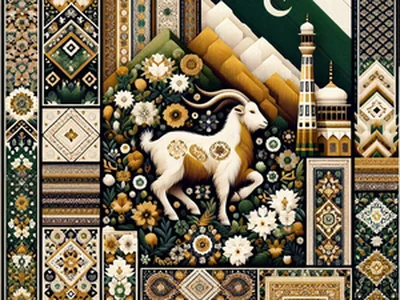

Afghan
- Historical Context
- For the Afghan, a narrative of the culture's historical development, including key events and milestones. This perspective builds on the culture's profile: Afghan culture is a rich tapestry woven from various ethnic groups, languages, and historical influences, making it distinct in several ways. Here are some of the most distinctive and unique aspects: 1. **Ethnic Diversity and Language**: Afghanistan is home to a variety of ethnic groups, each with its own language and cultural practices. The major ethnic groups include Pashtuns, Tajiks, Hazaras, and Uzbeks. Pashto and Dari are the official languages, with Dari being a variant of Persian. Each group has its own dialects, traditional clothing, and customs, contributing to the country's cultural diversity. 2. **Pashtunwali**: Among the Pashtuns, the largest ethnic group, the traditional code of conduct known as Pashtunwali is highly significant. This unwritten code emphasizes values such as hospitality (melmastia), honor (nang), and revenge (badal). It dictates social behavior and is integral to Pashtun identity. 3. **Hospitality**: Afghan hospitality is renowned and deeply ingrained in the culture. Guests are treated with the utmost respect and generosity, often being offered the best food and accommodations available. This practice is not limited to Pashtuns but is a common cultural trait across Afghanistan. 4. **Traditional Clothing**: Afghan traditional clothing varies by region and ethnic group but is generally characterized by vibrant colors and intricate embroidery. For men, the perahan tunban (a long shirt and trousers) is common, while women often wear colorful dresses with detailed embroidery, known as the chador or burqa in more conservative areas. 5. **Music and Dance**: Afghan music is diverse, with each ethnic group having its own styles. The rubab, a lute-like instrument, is particularly associated with Afghan music. Attan, a traditional dance of the Pashtuns, is performed at celebrations and involves fast-paced spinning and footwork, often accompanied by drums. 6. **Cuisine**: Afghan cuisine is a blend of Central Asian, South Asian, and Middle Eastern influences. Dishes like qabuli palaw (a rice dish with raisins and carrots), mantu (dumplings), and kebabs are staples. Naan bread is a common accompaniment, and green tea is the beverage of choice, often served with sugar and cardamom. 7. **Poetry and Literature**: Poetry holds a special place in Afghan culture, with figures like Rumi and Khushal Khan Khattak being Community knowledge is rooted in experiences across The Afghan people, primarily composed of various ethnic groups such as Pashtuns, Tajiks, Hazaras, Uzbeks, and others, traditionally inhabit the region of Afghanistan, a landlocked country in South-Central Asia. Afghanistan's diverse geography includes mountains, deserts, and fertile valleys, which have historically influenced settlement patterns. ### Traditional Homeland: 1. **Afghanistan**: The traditional homeland of the Afghan people is Afghanistan itself. The country is divided into 34 provinces, each with its own unique ethnic composition and cultural practices. Key cities include: - **Kabul**: The capital and largest city, a melting pot of various ethnic groups. - **Kandahar**: A major city in the south, traditionally a stronghold of the Pashtun ethnic group. - **Herat**: Located in the west, known for its Persian cultural influences and a significant Tajik population. - **Mazar-i-Sharif**: In the north, predominantly inhabited by Tajiks and Uzbeks. - **Bamyan**: Known for its Hazara population and the historical site of the Buddhas of Bamyan. ### Current Distribution: Due to decades of conflict, many Afghans have been displaced both internally and internationally. The Afghan diaspora is significant, with large communities in several countries: 1. **Pakistan**: Hosts a large number of Afghan refugees, particularly in cities like Peshawar and Quetta. The Khyber Pakhtunkhwa province and Balochistan have significant Afghan populations, mainly Pashtuns. 2. **Iran**: Home to a substantial Afghan community, especially in cities like Mashhad and Tehran. Many are Hazaras and Tajiks, who share linguistic and cultural ties with Iranians. 3. **United States**: There are significant Afghan communities in states like California (notably in Fremont, often referred to as "Little Kabul"), Virginia, and New York. 4. **Germany**: Hosts a large Afghan diaspora, with communities in cities like Hamburg and Berlin. 5. **United Kingdom**: London and Birmingham have notable Afghan populations. 6. **Canada**: Toronto and Vancouver are home to many Afghan immigrants. 7. **Turkey**: Increasing numbers of Afghans have sought refuge in Turkey, with Istanbul being a primary destination. ### Internal Migration: Within Afghanistan, internal migration has been influenced by conflict, economic opportunities, and environmental factors. Urban areas. Insights are synthesized from community historians, cultural practitioners, and the working knowledge base curated by Culture Sherpa.
- Migration Patterns
- For the Afghan, a narrative of the culture's historical development, including key events and milestones. This perspective builds on the culture's profile: Afghan culture is a rich tapestry woven from various ethnic groups, languages, and historical influences, making it distinct in several ways. Here are some of the most distinctive and unique aspects: 1. **Ethnic Diversity and Language**: Afghanistan is home to a variety of ethnic groups, each with its own language and cultural practices. The major ethnic groups include Pashtuns, Tajiks, Hazaras, and Uzbeks. Pashto and Dari are the official languages, with Dari being a variant of Persian. Each group has its own dialects, traditional clothing, and customs, contributing to the country's cultural diversity. 2. **Pashtunwali**: Among the Pashtuns, the largest ethnic group, the traditional code of conduct known as Pashtunwali is highly significant. This unwritten code emphasizes values such as hospitality (melmastia), honor (nang), and revenge (badal). It dictates social behavior and is integral to Pashtun identity. 3. **Hospitality**: Afghan hospitality is renowned and deeply ingrained in the culture. Guests are treated with the utmost respect and generosity, often being offered the best food and accommodations available. This practice is not limited to Pashtuns but is a common cultural trait across Afghanistan. 4. **Traditional Clothing**: Afghan traditional clothing varies by region and ethnic group but is generally characterized by vibrant colors and intricate embroidery. For men, the perahan tunban (a long shirt and trousers) is common, while women often wear colorful dresses with detailed embroidery, known as the chador or burqa in more conservative areas. 5. **Music and Dance**: Afghan music is diverse, with each ethnic group having its own styles. The rubab, a lute-like instrument, is particularly associated with Afghan music. Attan, a traditional dance of the Pashtuns, is performed at celebrations and involves fast-paced spinning and footwork, often accompanied by drums. 6. **Cuisine**: Afghan cuisine is a blend of Central Asian, South Asian, and Middle Eastern influences. Dishes like qabuli palaw (a rice dish with raisins and carrots), mantu (dumplings), and kebabs are staples. Naan bread is a common accompaniment, and green tea is the beverage of choice, often served with sugar and cardamom. 7. **Poetry and Literature**: Poetry holds a special place in Afghan culture, with figures like Rumi and Khushal Khan Khattak being Community knowledge is rooted in experiences across The Afghan people, primarily composed of various ethnic groups such as Pashtuns, Tajiks, Hazaras, Uzbeks, and others, traditionally inhabit the region of Afghanistan, a landlocked country in South-Central Asia. Afghanistan's diverse geography includes mountains, deserts, and fertile valleys, which have historically influenced settlement patterns. ### Traditional Homeland: 1. **Afghanistan**: The traditional homeland of the Afghan people is Afghanistan itself. The country is divided into 34 provinces, each with its own unique ethnic composition and cultural practices. Key cities include: - **Kabul**: The capital and largest city, a melting pot of various ethnic groups. - **Kandahar**: A major city in the south, traditionally a stronghold of the Pashtun ethnic group. - **Herat**: Located in the west, known for its Persian cultural influences and a significant Tajik population. - **Mazar-i-Sharif**: In the north, predominantly inhabited by Tajiks and Uzbeks. - **Bamyan**: Known for its Hazara population and the historical site of the Buddhas of Bamyan. ### Current Distribution: Due to decades of conflict, many Afghans have been displaced both internally and internationally. The Afghan diaspora is significant, with large communities in several countries: 1. **Pakistan**: Hosts a large number of Afghan refugees, particularly in cities like Peshawar and Quetta. The Khyber Pakhtunkhwa province and Balochistan have significant Afghan populations, mainly Pashtuns. 2. **Iran**: Home to a substantial Afghan community, especially in cities like Mashhad and Tehran. Many are Hazaras and Tajiks, who share linguistic and cultural ties with Iranians. 3. **United States**: There are significant Afghan communities in states like California (notably in Fremont, often referred to as "Little Kabul"), Virginia, and New York. 4. **Germany**: Hosts a large Afghan diaspora, with communities in cities like Hamburg and Berlin. 5. **United Kingdom**: London and Birmingham have notable Afghan populations. 6. **Canada**: Toronto and Vancouver are home to many Afghan immigrants. 7. **Turkey**: Increasing numbers of Afghans have sought refuge in Turkey, with Istanbul being a primary destination. ### Internal Migration: Within Afghanistan, internal migration has been influenced by conflict, economic opportunities, and environmental factors. Urban areas. Insights are synthesized from community historians, cultural practitioners, and the working knowledge base curated by Culture Sherpa.
- Conflict And Resilience History
- For the Afghan, a narrative of the culture's historical development, including key events and milestones. This perspective builds on the culture's profile: Afghan culture is a rich tapestry woven from various ethnic groups, languages, and historical influences, making it distinct in several ways. Here are some of the most distinctive and unique aspects: 1. **Ethnic Diversity and Language**: Afghanistan is home to a variety of ethnic groups, each with its own language and cultural practices. The major ethnic groups include Pashtuns, Tajiks, Hazaras, and Uzbeks. Pashto and Dari are the official languages, with Dari being a variant of Persian. Each group has its own dialects, traditional clothing, and customs, contributing to the country's cultural diversity. 2. **Pashtunwali**: Among the Pashtuns, the largest ethnic group, the traditional code of conduct known as Pashtunwali is highly significant. This unwritten code emphasizes values such as hospitality (melmastia), honor (nang), and revenge (badal). It dictates social behavior and is integral to Pashtun identity. 3. **Hospitality**: Afghan hospitality is renowned and deeply ingrained in the culture. Guests are treated with the utmost respect and generosity, often being offered the best food and accommodations available. This practice is not limited to Pashtuns but is a common cultural trait across Afghanistan. 4. **Traditional Clothing**: Afghan traditional clothing varies by region and ethnic group but is generally characterized by vibrant colors and intricate embroidery. For men, the perahan tunban (a long shirt and trousers) is common, while women often wear colorful dresses with detailed embroidery, known as the chador or burqa in more conservative areas. 5. **Music and Dance**: Afghan music is diverse, with each ethnic group having its own styles. The rubab, a lute-like instrument, is particularly associated with Afghan music. Attan, a traditional dance of the Pashtuns, is performed at celebrations and involves fast-paced spinning and footwork, often accompanied by drums. 6. **Cuisine**: Afghan cuisine is a blend of Central Asian, South Asian, and Middle Eastern influences. Dishes like qabuli palaw (a rice dish with raisins and carrots), mantu (dumplings), and kebabs are staples. Naan bread is a common accompaniment, and green tea is the beverage of choice, often served with sugar and cardamom. 7. **Poetry and Literature**: Poetry holds a special place in Afghan culture, with figures like Rumi and Khushal Khan Khattak being Community knowledge is rooted in experiences across The Afghan people, primarily composed of various ethnic groups such as Pashtuns, Tajiks, Hazaras, Uzbeks, and others, traditionally inhabit the region of Afghanistan, a landlocked country in South-Central Asia. Afghanistan's diverse geography includes mountains, deserts, and fertile valleys, which have historically influenced settlement patterns. ### Traditional Homeland: 1. **Afghanistan**: The traditional homeland of the Afghan people is Afghanistan itself. The country is divided into 34 provinces, each with its own unique ethnic composition and cultural practices. Key cities include: - **Kabul**: The capital and largest city, a melting pot of various ethnic groups. - **Kandahar**: A major city in the south, traditionally a stronghold of the Pashtun ethnic group. - **Herat**: Located in the west, known for its Persian cultural influences and a significant Tajik population. - **Mazar-i-Sharif**: In the north, predominantly inhabited by Tajiks and Uzbeks. - **Bamyan**: Known for its Hazara population and the historical site of the Buddhas of Bamyan. ### Current Distribution: Due to decades of conflict, many Afghans have been displaced both internally and internationally. The Afghan diaspora is significant, with large communities in several countries: 1. **Pakistan**: Hosts a large number of Afghan refugees, particularly in cities like Peshawar and Quetta. The Khyber Pakhtunkhwa province and Balochistan have significant Afghan populations, mainly Pashtuns. 2. **Iran**: Home to a substantial Afghan community, especially in cities like Mashhad and Tehran. Many are Hazaras and Tajiks, who share linguistic and cultural ties with Iranians. 3. **United States**: There are significant Afghan communities in states like California (notably in Fremont, often referred to as "Little Kabul"), Virginia, and New York. 4. **Germany**: Hosts a large Afghan diaspora, with communities in cities like Hamburg and Berlin. 5. **United Kingdom**: London and Birmingham have notable Afghan populations. 6. **Canada**: Toronto and Vancouver are home to many Afghan immigrants. 7. **Turkey**: Increasing numbers of Afghans have sought refuge in Turkey, with Istanbul being a primary destination. ### Internal Migration: Within Afghanistan, internal migration has been influenced by conflict, economic opportunities, and environmental factors. Urban areas. Insights are synthesized from community historians, cultural practitioners, and the working knowledge base curated by Culture Sherpa.
- Diaspora Perspectives
- For the Afghan, a narrative of the culture's historical development, including key events and milestones. This perspective builds on the culture's profile: Afghan culture is a rich tapestry woven from various ethnic groups, languages, and historical influences, making it distinct in several ways. Here are some of the most distinctive and unique aspects: 1. **Ethnic Diversity and Language**: Afghanistan is home to a variety of ethnic groups, each with its own language and cultural practices. The major ethnic groups include Pashtuns, Tajiks, Hazaras, and Uzbeks. Pashto and Dari are the official languages, with Dari being a variant of Persian. Each group has its own dialects, traditional clothing, and customs, contributing to the country's cultural diversity. 2. **Pashtunwali**: Among the Pashtuns, the largest ethnic group, the traditional code of conduct known as Pashtunwali is highly significant. This unwritten code emphasizes values such as hospitality (melmastia), honor (nang), and revenge (badal). It dictates social behavior and is integral to Pashtun identity. 3. **Hospitality**: Afghan hospitality is renowned and deeply ingrained in the culture. Guests are treated with the utmost respect and generosity, often being offered the best food and accommodations available. This practice is not limited to Pashtuns but is a common cultural trait across Afghanistan. 4. **Traditional Clothing**: Afghan traditional clothing varies by region and ethnic group but is generally characterized by vibrant colors and intricate embroidery. For men, the perahan tunban (a long shirt and trousers) is common, while women often wear colorful dresses with detailed embroidery, known as the chador or burqa in more conservative areas. 5. **Music and Dance**: Afghan music is diverse, with each ethnic group having its own styles. The rubab, a lute-like instrument, is particularly associated with Afghan music. Attan, a traditional dance of the Pashtuns, is performed at celebrations and involves fast-paced spinning and footwork, often accompanied by drums. 6. **Cuisine**: Afghan cuisine is a blend of Central Asian, South Asian, and Middle Eastern influences. Dishes like qabuli palaw (a rice dish with raisins and carrots), mantu (dumplings), and kebabs are staples. Naan bread is a common accompaniment, and green tea is the beverage of choice, often served with sugar and cardamom. 7. **Poetry and Literature**: Poetry holds a special place in Afghan culture, with figures like Rumi and Khushal Khan Khattak being Community knowledge is rooted in experiences across The Afghan people, primarily composed of various ethnic groups such as Pashtuns, Tajiks, Hazaras, Uzbeks, and others, traditionally inhabit the region of Afghanistan, a landlocked country in South-Central Asia. Afghanistan's diverse geography includes mountains, deserts, and fertile valleys, which have historically influenced settlement patterns. ### Traditional Homeland: 1. **Afghanistan**: The traditional homeland of the Afghan people is Afghanistan itself. The country is divided into 34 provinces, each with its own unique ethnic composition and cultural practices. Key cities include: - **Kabul**: The capital and largest city, a melting pot of various ethnic groups. - **Kandahar**: A major city in the south, traditionally a stronghold of the Pashtun ethnic group. - **Herat**: Located in the west, known for its Persian cultural influences and a significant Tajik population. - **Mazar-i-Sharif**: In the north, predominantly inhabited by Tajiks and Uzbeks. - **Bamyan**: Known for its Hazara population and the historical site of the Buddhas of Bamyan. ### Current Distribution: Due to decades of conflict, many Afghans have been displaced both internally and internationally. The Afghan diaspora is significant, with large communities in several countries: 1. **Pakistan**: Hosts a large number of Afghan refugees, particularly in cities like Peshawar and Quetta. The Khyber Pakhtunkhwa province and Balochistan have significant Afghan populations, mainly Pashtuns. 2. **Iran**: Home to a substantial Afghan community, especially in cities like Mashhad and Tehran. Many are Hazaras and Tajiks, who share linguistic and cultural ties with Iranians. 3. **United States**: There are significant Afghan communities in states like California (notably in Fremont, often referred to as "Little Kabul"), Virginia, and New York. 4. **Germany**: Hosts a large Afghan diaspora, with communities in cities like Hamburg and Berlin. 5. **United Kingdom**: London and Birmingham have notable Afghan populations. 6. **Canada**: Toronto and Vancouver are home to many Afghan immigrants. 7. **Turkey**: Increasing numbers of Afghans have sought refuge in Turkey, with Istanbul being a primary destination. ### Internal Migration: Within Afghanistan, internal migration has been influenced by conflict, economic opportunities, and environmental factors. Urban areas. Insights are synthesized from community historians, cultural practitioners, and the working knowledge base curated by Culture Sherpa.
- Regional Variations
- For the Afghan, a narrative of the culture's historical development, including key events and milestones. This perspective builds on the culture's profile: Afghan culture is a rich tapestry woven from various ethnic groups, languages, and historical influences, making it distinct in several ways. Here are some of the most distinctive and unique aspects: 1. **Ethnic Diversity and Language**: Afghanistan is home to a variety of ethnic groups, each with its own language and cultural practices. The major ethnic groups include Pashtuns, Tajiks, Hazaras, and Uzbeks. Pashto and Dari are the official languages, with Dari being a variant of Persian. Each group has its own dialects, traditional clothing, and customs, contributing to the country's cultural diversity. 2. **Pashtunwali**: Among the Pashtuns, the largest ethnic group, the traditional code of conduct known as Pashtunwali is highly significant. This unwritten code emphasizes values such as hospitality (melmastia), honor (nang), and revenge (badal). It dictates social behavior and is integral to Pashtun identity. 3. **Hospitality**: Afghan hospitality is renowned and deeply ingrained in the culture. Guests are treated with the utmost respect and generosity, often being offered the best food and accommodations available. This practice is not limited to Pashtuns but is a common cultural trait across Afghanistan. 4. **Traditional Clothing**: Afghan traditional clothing varies by region and ethnic group but is generally characterized by vibrant colors and intricate embroidery. For men, the perahan tunban (a long shirt and trousers) is common, while women often wear colorful dresses with detailed embroidery, known as the chador or burqa in more conservative areas. 5. **Music and Dance**: Afghan music is diverse, with each ethnic group having its own styles. The rubab, a lute-like instrument, is particularly associated with Afghan music. Attan, a traditional dance of the Pashtuns, is performed at celebrations and involves fast-paced spinning and footwork, often accompanied by drums. 6. **Cuisine**: Afghan cuisine is a blend of Central Asian, South Asian, and Middle Eastern influences. Dishes like qabuli palaw (a rice dish with raisins and carrots), mantu (dumplings), and kebabs are staples. Naan bread is a common accompaniment, and green tea is the beverage of choice, often served with sugar and cardamom. 7. **Poetry and Literature**: Poetry holds a special place in Afghan culture, with figures like Rumi and Khushal Khan Khattak being Community knowledge is rooted in experiences across The Afghan people, primarily composed of various ethnic groups such as Pashtuns, Tajiks, Hazaras, Uzbeks, and others, traditionally inhabit the region of Afghanistan, a landlocked country in South-Central Asia. Afghanistan's diverse geography includes mountains, deserts, and fertile valleys, which have historically influenced settlement patterns. ### Traditional Homeland: 1. **Afghanistan**: The traditional homeland of the Afghan people is Afghanistan itself. The country is divided into 34 provinces, each with its own unique ethnic composition and cultural practices. Key cities include: - **Kabul**: The capital and largest city, a melting pot of various ethnic groups. - **Kandahar**: A major city in the south, traditionally a stronghold of the Pashtun ethnic group. - **Herat**: Located in the west, known for its Persian cultural influences and a significant Tajik population. - **Mazar-i-Sharif**: In the north, predominantly inhabited by Tajiks and Uzbeks. - **Bamyan**: Known for its Hazara population and the historical site of the Buddhas of Bamyan. ### Current Distribution: Due to decades of conflict, many Afghans have been displaced both internally and internationally. The Afghan diaspora is significant, with large communities in several countries: 1. **Pakistan**: Hosts a large number of Afghan refugees, particularly in cities like Peshawar and Quetta. The Khyber Pakhtunkhwa province and Balochistan have significant Afghan populations, mainly Pashtuns. 2. **Iran**: Home to a substantial Afghan community, especially in cities like Mashhad and Tehran. Many are Hazaras and Tajiks, who share linguistic and cultural ties with Iranians. 3. **United States**: There are significant Afghan communities in states like California (notably in Fremont, often referred to as "Little Kabul"), Virginia, and New York. 4. **Germany**: Hosts a large Afghan diaspora, with communities in cities like Hamburg and Berlin. 5. **United Kingdom**: London and Birmingham have notable Afghan populations. 6. **Canada**: Toronto and Vancouver are home to many Afghan immigrants. 7. **Turkey**: Increasing numbers of Afghans have sought refuge in Turkey, with Istanbul being a primary destination. ### Internal Migration: Within Afghanistan, internal migration has been influenced by conflict, economic opportunities, and environmental factors. Urban areas. Insights are synthesized from community historians, cultural practitioners, and the working knowledge base curated by Culture Sherpa.
- Bridging Notes
- For the Afghan, a narrative of the culture's historical development, including key events and milestones. This perspective builds on the culture's profile: Afghan culture is a rich tapestry woven from various ethnic groups, languages, and historical influences, making it distinct in several ways. Here are some of the most distinctive and unique aspects: 1. **Ethnic Diversity and Language**: Afghanistan is home to a variety of ethnic groups, each with its own language and cultural practices. The major ethnic groups include Pashtuns, Tajiks, Hazaras, and Uzbeks. Pashto and Dari are the official languages, with Dari being a variant of Persian. Each group has its own dialects, traditional clothing, and customs, contributing to the country's cultural diversity. 2. **Pashtunwali**: Among the Pashtuns, the largest ethnic group, the traditional code of conduct known as Pashtunwali is highly significant. This unwritten code emphasizes values such as hospitality (melmastia), honor (nang), and revenge (badal). It dictates social behavior and is integral to Pashtun identity. 3. **Hospitality**: Afghan hospitality is renowned and deeply ingrained in the culture. Guests are treated with the utmost respect and generosity, often being offered the best food and accommodations available. This practice is not limited to Pashtuns but is a common cultural trait across Afghanistan. 4. **Traditional Clothing**: Afghan traditional clothing varies by region and ethnic group but is generally characterized by vibrant colors and intricate embroidery. For men, the perahan tunban (a long shirt and trousers) is common, while women often wear colorful dresses with detailed embroidery, known as the chador or burqa in more conservative areas. 5. **Music and Dance**: Afghan music is diverse, with each ethnic group having its own styles. The rubab, a lute-like instrument, is particularly associated with Afghan music. Attan, a traditional dance of the Pashtuns, is performed at celebrations and involves fast-paced spinning and footwork, often accompanied by drums. 6. **Cuisine**: Afghan cuisine is a blend of Central Asian, South Asian, and Middle Eastern influences. Dishes like qabuli palaw (a rice dish with raisins and carrots), mantu (dumplings), and kebabs are staples. Naan bread is a common accompaniment, and green tea is the beverage of choice, often served with sugar and cardamom. 7. **Poetry and Literature**: Poetry holds a special place in Afghan culture, with figures like Rumi and Khushal Khan Khattak being Community knowledge is rooted in experiences across The Afghan people, primarily composed of various ethnic groups such as Pashtuns, Tajiks, Hazaras, Uzbeks, and others, traditionally inhabit the region of Afghanistan, a landlocked country in South-Central Asia. Afghanistan's diverse geography includes mountains, deserts, and fertile valleys, which have historically influenced settlement patterns. ### Traditional Homeland: 1. **Afghanistan**: The traditional homeland of the Afghan people is Afghanistan itself. The country is divided into 34 provinces, each with its own unique ethnic composition and cultural practices. Key cities include: - **Kabul**: The capital and largest city, a melting pot of various ethnic groups. - **Kandahar**: A major city in the south, traditionally a stronghold of the Pashtun ethnic group. - **Herat**: Located in the west, known for its Persian cultural influences and a significant Tajik population. - **Mazar-i-Sharif**: In the north, predominantly inhabited by Tajiks and Uzbeks. - **Bamyan**: Known for its Hazara population and the historical site of the Buddhas of Bamyan. ### Current Distribution: Due to decades of conflict, many Afghans have been displaced both internally and internationally. The Afghan diaspora is significant, with large communities in several countries: 1. **Pakistan**: Hosts a large number of Afghan refugees, particularly in cities like Peshawar and Quetta. The Khyber Pakhtunkhwa province and Balochistan have significant Afghan populations, mainly Pashtuns. 2. **Iran**: Home to a substantial Afghan community, especially in cities like Mashhad and Tehran. Many are Hazaras and Tajiks, who share linguistic and cultural ties with Iranians. 3. **United States**: There are significant Afghan communities in states like California (notably in Fremont, often referred to as "Little Kabul"), Virginia, and New York. 4. **Germany**: Hosts a large Afghan diaspora, with communities in cities like Hamburg and Berlin. 5. **United Kingdom**: London and Birmingham have notable Afghan populations. 6. **Canada**: Toronto and Vancouver are home to many Afghan immigrants. 7. **Turkey**: Increasing numbers of Afghans have sought refuge in Turkey, with Istanbul being a primary destination. ### Internal Migration: Within Afghanistan, internal migration has been influenced by conflict, economic opportunities, and environmental factors. Urban areas. Insights are synthesized from community historians, cultural practitioners, and the working knowledge base curated by Culture Sherpa.
- Spiritual And Religious Practices
- For the Afghan, the culture's spiritual beliefs and religious rituals, highlighting their significance. This perspective builds on the culture's profile: Afghan culture is a rich tapestry woven from various ethnic groups, languages, and historical influences, making it distinct in several ways. Here are some of the most distinctive and unique aspects: 1. **Ethnic Diversity and Language**: Afghanistan is home to a variety of ethnic groups, each with its own language and cultural practices. The major ethnic groups include Pashtuns, Tajiks, Hazaras, and Uzbeks. Pashto and Dari are the official languages, with Dari being a variant of Persian. Each group has its own dialects, traditional clothing, and customs, contributing to the country's cultural diversity. 2. **Pashtunwali**: Among the Pashtuns, the largest ethnic group, the traditional code of conduct known as Pashtunwali is highly significant. This unwritten code emphasizes values such as hospitality (melmastia), honor (nang), and revenge (badal). It dictates social behavior and is integral to Pashtun identity. 3. **Hospitality**: Afghan hospitality is renowned and deeply ingrained in the culture. Guests are treated with the utmost respect and generosity, often being offered the best food and accommodations available. This practice is not limited to Pashtuns but is a common cultural trait across Afghanistan. 4. **Traditional Clothing**: Afghan traditional clothing varies by region and ethnic group but is generally characterized by vibrant colors and intricate embroidery. For men, the perahan tunban (a long shirt and trousers) is common, while women often wear colorful dresses with detailed embroidery, known as the chador or burqa in more conservative areas. 5. **Music and Dance**: Afghan music is diverse, with each ethnic group having its own styles. The rubab, a lute-like instrument, is particularly associated with Afghan music. Attan, a traditional dance of the Pashtuns, is performed at celebrations and involves fast-paced spinning and footwork, often accompanied by drums. 6. **Cuisine**: Afghan cuisine is a blend of Central Asian, South Asian, and Middle Eastern influences. Dishes like qabuli palaw (a rice dish with raisins and carrots), mantu (dumplings), and kebabs are staples. Naan bread is a common accompaniment, and green tea is the beverage of choice, often served with sugar and cardamom. 7. **Poetry and Literature**: Poetry holds a special place in Afghan culture, with figures like Rumi and Khushal Khan Khattak being Community knowledge is rooted in experiences across The Afghan people, primarily composed of various ethnic groups such as Pashtuns, Tajiks, Hazaras, Uzbeks, and others, traditionally inhabit the region of Afghanistan, a landlocked country in South-Central Asia. Afghanistan's diverse geography includes mountains, deserts, and fertile valleys, which have historically influenced settlement patterns. ### Traditional Homeland: 1. **Afghanistan**: The traditional homeland of the Afghan people is Afghanistan itself. The country is divided into 34 provinces, each with its own unique ethnic composition and cultural practices. Key cities include: - **Kabul**: The capital and largest city, a melting pot of various ethnic groups. - **Kandahar**: A major city in the south, traditionally a stronghold of the Pashtun ethnic group. - **Herat**: Located in the west, known for its Persian cultural influences and a significant Tajik population. - **Mazar-i-Sharif**: In the north, predominantly inhabited by Tajiks and Uzbeks. - **Bamyan**: Known for its Hazara population and the historical site of the Buddhas of Bamyan. ### Current Distribution: Due to decades of conflict, many Afghans have been displaced both internally and internationally. The Afghan diaspora is significant, with large communities in several countries: 1. **Pakistan**: Hosts a large number of Afghan refugees, particularly in cities like Peshawar and Quetta. The Khyber Pakhtunkhwa province and Balochistan have significant Afghan populations, mainly Pashtuns. 2. **Iran**: Home to a substantial Afghan community, especially in cities like Mashhad and Tehran. Many are Hazaras and Tajiks, who share linguistic and cultural ties with Iranians. 3. **United States**: There are significant Afghan communities in states like California (notably in Fremont, often referred to as "Little Kabul"), Virginia, and New York. 4. **Germany**: Hosts a large Afghan diaspora, with communities in cities like Hamburg and Berlin. 5. **United Kingdom**: London and Birmingham have notable Afghan populations. 6. **Canada**: Toronto and Vancouver are home to many Afghan immigrants. 7. **Turkey**: Increasing numbers of Afghans have sought refuge in Turkey, with Istanbul being a primary destination. ### Internal Migration: Within Afghanistan, internal migration has been influenced by conflict, economic opportunities, and environmental factors. Urban areas. Insights are synthesized from community historians, cultural practitioners, and the working knowledge base curated by Culture Sherpa.
- Beliefs And Worldview
- For the Afghan, the culture's spiritual beliefs and religious rituals, highlighting their significance. This perspective builds on the culture's profile: Afghan culture is a rich tapestry woven from various ethnic groups, languages, and historical influences, making it distinct in several ways. Here are some of the most distinctive and unique aspects: 1. **Ethnic Diversity and Language**: Afghanistan is home to a variety of ethnic groups, each with its own language and cultural practices. The major ethnic groups include Pashtuns, Tajiks, Hazaras, and Uzbeks. Pashto and Dari are the official languages, with Dari being a variant of Persian. Each group has its own dialects, traditional clothing, and customs, contributing to the country's cultural diversity. 2. **Pashtunwali**: Among the Pashtuns, the largest ethnic group, the traditional code of conduct known as Pashtunwali is highly significant. This unwritten code emphasizes values such as hospitality (melmastia), honor (nang), and revenge (badal). It dictates social behavior and is integral to Pashtun identity. 3. **Hospitality**: Afghan hospitality is renowned and deeply ingrained in the culture. Guests are treated with the utmost respect and generosity, often being offered the best food and accommodations available. This practice is not limited to Pashtuns but is a common cultural trait across Afghanistan. 4. **Traditional Clothing**: Afghan traditional clothing varies by region and ethnic group but is generally characterized by vibrant colors and intricate embroidery. For men, the perahan tunban (a long shirt and trousers) is common, while women often wear colorful dresses with detailed embroidery, known as the chador or burqa in more conservative areas. 5. **Music and Dance**: Afghan music is diverse, with each ethnic group having its own styles. The rubab, a lute-like instrument, is particularly associated with Afghan music. Attan, a traditional dance of the Pashtuns, is performed at celebrations and involves fast-paced spinning and footwork, often accompanied by drums. 6. **Cuisine**: Afghan cuisine is a blend of Central Asian, South Asian, and Middle Eastern influences. Dishes like qabuli palaw (a rice dish with raisins and carrots), mantu (dumplings), and kebabs are staples. Naan bread is a common accompaniment, and green tea is the beverage of choice, often served with sugar and cardamom. 7. **Poetry and Literature**: Poetry holds a special place in Afghan culture, with figures like Rumi and Khushal Khan Khattak being Community knowledge is rooted in experiences across The Afghan people, primarily composed of various ethnic groups such as Pashtuns, Tajiks, Hazaras, Uzbeks, and others, traditionally inhabit the region of Afghanistan, a landlocked country in South-Central Asia. Afghanistan's diverse geography includes mountains, deserts, and fertile valleys, which have historically influenced settlement patterns. ### Traditional Homeland: 1. **Afghanistan**: The traditional homeland of the Afghan people is Afghanistan itself. The country is divided into 34 provinces, each with its own unique ethnic composition and cultural practices. Key cities include: - **Kabul**: The capital and largest city, a melting pot of various ethnic groups. - **Kandahar**: A major city in the south, traditionally a stronghold of the Pashtun ethnic group. - **Herat**: Located in the west, known for its Persian cultural influences and a significant Tajik population. - **Mazar-i-Sharif**: In the north, predominantly inhabited by Tajiks and Uzbeks. - **Bamyan**: Known for its Hazara population and the historical site of the Buddhas of Bamyan. ### Current Distribution: Due to decades of conflict, many Afghans have been displaced both internally and internationally. The Afghan diaspora is significant, with large communities in several countries: 1. **Pakistan**: Hosts a large number of Afghan refugees, particularly in cities like Peshawar and Quetta. The Khyber Pakhtunkhwa province and Balochistan have significant Afghan populations, mainly Pashtuns. 2. **Iran**: Home to a substantial Afghan community, especially in cities like Mashhad and Tehran. Many are Hazaras and Tajiks, who share linguistic and cultural ties with Iranians. 3. **United States**: There are significant Afghan communities in states like California (notably in Fremont, often referred to as "Little Kabul"), Virginia, and New York. 4. **Germany**: Hosts a large Afghan diaspora, with communities in cities like Hamburg and Berlin. 5. **United Kingdom**: London and Birmingham have notable Afghan populations. 6. **Canada**: Toronto and Vancouver are home to many Afghan immigrants. 7. **Turkey**: Increasing numbers of Afghans have sought refuge in Turkey, with Istanbul being a primary destination. ### Internal Migration: Within Afghanistan, internal migration has been influenced by conflict, economic opportunities, and environmental factors. Urban areas. Insights are synthesized from community historians, cultural practitioners, and the working knowledge base curated by Culture Sherpa.
- Cultural Proverbs Sayings
- For the Afghan, the culture's spiritual beliefs and religious rituals, highlighting their significance. This perspective builds on the culture's profile: Afghan culture is a rich tapestry woven from various ethnic groups, languages, and historical influences, making it distinct in several ways. Here are some of the most distinctive and unique aspects: 1. **Ethnic Diversity and Language**: Afghanistan is home to a variety of ethnic groups, each with its own language and cultural practices. The major ethnic groups include Pashtuns, Tajiks, Hazaras, and Uzbeks. Pashto and Dari are the official languages, with Dari being a variant of Persian. Each group has its own dialects, traditional clothing, and customs, contributing to the country's cultural diversity. 2. **Pashtunwali**: Among the Pashtuns, the largest ethnic group, the traditional code of conduct known as Pashtunwali is highly significant. This unwritten code emphasizes values such as hospitality (melmastia), honor (nang), and revenge (badal). It dictates social behavior and is integral to Pashtun identity. 3. **Hospitality**: Afghan hospitality is renowned and deeply ingrained in the culture. Guests are treated with the utmost respect and generosity, often being offered the best food and accommodations available. This practice is not limited to Pashtuns but is a common cultural trait across Afghanistan. 4. **Traditional Clothing**: Afghan traditional clothing varies by region and ethnic group but is generally characterized by vibrant colors and intricate embroidery. For men, the perahan tunban (a long shirt and trousers) is common, while women often wear colorful dresses with detailed embroidery, known as the chador or burqa in more conservative areas. 5. **Music and Dance**: Afghan music is diverse, with each ethnic group having its own styles. The rubab, a lute-like instrument, is particularly associated with Afghan music. Attan, a traditional dance of the Pashtuns, is performed at celebrations and involves fast-paced spinning and footwork, often accompanied by drums. 6. **Cuisine**: Afghan cuisine is a blend of Central Asian, South Asian, and Middle Eastern influences. Dishes like qabuli palaw (a rice dish with raisins and carrots), mantu (dumplings), and kebabs are staples. Naan bread is a common accompaniment, and green tea is the beverage of choice, often served with sugar and cardamom. 7. **Poetry and Literature**: Poetry holds a special place in Afghan culture, with figures like Rumi and Khushal Khan Khattak being Community knowledge is rooted in experiences across The Afghan people, primarily composed of various ethnic groups such as Pashtuns, Tajiks, Hazaras, Uzbeks, and others, traditionally inhabit the region of Afghanistan, a landlocked country in South-Central Asia. Afghanistan's diverse geography includes mountains, deserts, and fertile valleys, which have historically influenced settlement patterns. ### Traditional Homeland: 1. **Afghanistan**: The traditional homeland of the Afghan people is Afghanistan itself. The country is divided into 34 provinces, each with its own unique ethnic composition and cultural practices. Key cities include: - **Kabul**: The capital and largest city, a melting pot of various ethnic groups. - **Kandahar**: A major city in the south, traditionally a stronghold of the Pashtun ethnic group. - **Herat**: Located in the west, known for its Persian cultural influences and a significant Tajik population. - **Mazar-i-Sharif**: In the north, predominantly inhabited by Tajiks and Uzbeks. - **Bamyan**: Known for its Hazara population and the historical site of the Buddhas of Bamyan. ### Current Distribution: Due to decades of conflict, many Afghans have been displaced both internally and internationally. The Afghan diaspora is significant, with large communities in several countries: 1. **Pakistan**: Hosts a large number of Afghan refugees, particularly in cities like Peshawar and Quetta. The Khyber Pakhtunkhwa province and Balochistan have significant Afghan populations, mainly Pashtuns. 2. **Iran**: Home to a substantial Afghan community, especially in cities like Mashhad and Tehran. Many are Hazaras and Tajiks, who share linguistic and cultural ties with Iranians. 3. **United States**: There are significant Afghan communities in states like California (notably in Fremont, often referred to as "Little Kabul"), Virginia, and New York. 4. **Germany**: Hosts a large Afghan diaspora, with communities in cities like Hamburg and Berlin. 5. **United Kingdom**: London and Birmingham have notable Afghan populations. 6. **Canada**: Toronto and Vancouver are home to many Afghan immigrants. 7. **Turkey**: Increasing numbers of Afghans have sought refuge in Turkey, with Istanbul being a primary destination. ### Internal Migration: Within Afghanistan, internal migration has been influenced by conflict, economic opportunities, and environmental factors. Urban areas. Insights are synthesized from community historians, cultural practitioners, and the working knowledge base curated by Culture Sherpa.
- Naming Conventions And Terms Of Address
- For the Afghan, the culture's spiritual beliefs and religious rituals, highlighting their significance. This perspective builds on the culture's profile: Afghan culture is a rich tapestry woven from various ethnic groups, languages, and historical influences, making it distinct in several ways. Here are some of the most distinctive and unique aspects: 1. **Ethnic Diversity and Language**: Afghanistan is home to a variety of ethnic groups, each with its own language and cultural practices. The major ethnic groups include Pashtuns, Tajiks, Hazaras, and Uzbeks. Pashto and Dari are the official languages, with Dari being a variant of Persian. Each group has its own dialects, traditional clothing, and customs, contributing to the country's cultural diversity. 2. **Pashtunwali**: Among the Pashtuns, the largest ethnic group, the traditional code of conduct known as Pashtunwali is highly significant. This unwritten code emphasizes values such as hospitality (melmastia), honor (nang), and revenge (badal). It dictates social behavior and is integral to Pashtun identity. 3. **Hospitality**: Afghan hospitality is renowned and deeply ingrained in the culture. Guests are treated with the utmost respect and generosity, often being offered the best food and accommodations available. This practice is not limited to Pashtuns but is a common cultural trait across Afghanistan. 4. **Traditional Clothing**: Afghan traditional clothing varies by region and ethnic group but is generally characterized by vibrant colors and intricate embroidery. For men, the perahan tunban (a long shirt and trousers) is common, while women often wear colorful dresses with detailed embroidery, known as the chador or burqa in more conservative areas. 5. **Music and Dance**: Afghan music is diverse, with each ethnic group having its own styles. The rubab, a lute-like instrument, is particularly associated with Afghan music. Attan, a traditional dance of the Pashtuns, is performed at celebrations and involves fast-paced spinning and footwork, often accompanied by drums. 6. **Cuisine**: Afghan cuisine is a blend of Central Asian, South Asian, and Middle Eastern influences. Dishes like qabuli palaw (a rice dish with raisins and carrots), mantu (dumplings), and kebabs are staples. Naan bread is a common accompaniment, and green tea is the beverage of choice, often served with sugar and cardamom. 7. **Poetry and Literature**: Poetry holds a special place in Afghan culture, with figures like Rumi and Khushal Khan Khattak being Community knowledge is rooted in experiences across The Afghan people, primarily composed of various ethnic groups such as Pashtuns, Tajiks, Hazaras, Uzbeks, and others, traditionally inhabit the region of Afghanistan, a landlocked country in South-Central Asia. Afghanistan's diverse geography includes mountains, deserts, and fertile valleys, which have historically influenced settlement patterns. ### Traditional Homeland: 1. **Afghanistan**: The traditional homeland of the Afghan people is Afghanistan itself. The country is divided into 34 provinces, each with its own unique ethnic composition and cultural practices. Key cities include: - **Kabul**: The capital and largest city, a melting pot of various ethnic groups. - **Kandahar**: A major city in the south, traditionally a stronghold of the Pashtun ethnic group. - **Herat**: Located in the west, known for its Persian cultural influences and a significant Tajik population. - **Mazar-i-Sharif**: In the north, predominantly inhabited by Tajiks and Uzbeks. - **Bamyan**: Known for its Hazara population and the historical site of the Buddhas of Bamyan. ### Current Distribution: Due to decades of conflict, many Afghans have been displaced both internally and internationally. The Afghan diaspora is significant, with large communities in several countries: 1. **Pakistan**: Hosts a large number of Afghan refugees, particularly in cities like Peshawar and Quetta. The Khyber Pakhtunkhwa province and Balochistan have significant Afghan populations, mainly Pashtuns. 2. **Iran**: Home to a substantial Afghan community, especially in cities like Mashhad and Tehran. Many are Hazaras and Tajiks, who share linguistic and cultural ties with Iranians. 3. **United States**: There are significant Afghan communities in states like California (notably in Fremont, often referred to as "Little Kabul"), Virginia, and New York. 4. **Germany**: Hosts a large Afghan diaspora, with communities in cities like Hamburg and Berlin. 5. **United Kingdom**: London and Birmingham have notable Afghan populations. 6. **Canada**: Toronto and Vancouver are home to many Afghan immigrants. 7. **Turkey**: Increasing numbers of Afghans have sought refuge in Turkey, with Istanbul being a primary destination. ### Internal Migration: Within Afghanistan, internal migration has been influenced by conflict, economic opportunities, and environmental factors. Urban areas. Insights are synthesized from community historians, cultural practitioners, and the working knowledge base curated by Culture Sherpa.
- Health And Mental Health
- For the Afghan, the culture's holistic approach to physical and mental well-being. This perspective builds on the culture's profile: Afghan culture is a rich tapestry woven from various ethnic groups, languages, and historical influences, making it distinct in several ways. Here are some of the most distinctive and unique aspects: 1. **Ethnic Diversity and Language**: Afghanistan is home to a variety of ethnic groups, each with its own language and cultural practices. The major ethnic groups include Pashtuns, Tajiks, Hazaras, and Uzbeks. Pashto and Dari are the official languages, with Dari being a variant of Persian. Each group has its own dialects, traditional clothing, and customs, contributing to the country's cultural diversity. 2. **Pashtunwali**: Among the Pashtuns, the largest ethnic group, the traditional code of conduct known as Pashtunwali is highly significant. This unwritten code emphasizes values such as hospitality (melmastia), honor (nang), and revenge (badal). It dictates social behavior and is integral to Pashtun identity. 3. **Hospitality**: Afghan hospitality is renowned and deeply ingrained in the culture. Guests are treated with the utmost respect and generosity, often being offered the best food and accommodations available. This practice is not limited to Pashtuns but is a common cultural trait across Afghanistan. 4. **Traditional Clothing**: Afghan traditional clothing varies by region and ethnic group but is generally characterized by vibrant colors and intricate embroidery. For men, the perahan tunban (a long shirt and trousers) is common, while women often wear colorful dresses with detailed embroidery, known as the chador or burqa in more conservative areas. 5. **Music and Dance**: Afghan music is diverse, with each ethnic group having its own styles. The rubab, a lute-like instrument, is particularly associated with Afghan music. Attan, a traditional dance of the Pashtuns, is performed at celebrations and involves fast-paced spinning and footwork, often accompanied by drums. 6. **Cuisine**: Afghan cuisine is a blend of Central Asian, South Asian, and Middle Eastern influences. Dishes like qabuli palaw (a rice dish with raisins and carrots), mantu (dumplings), and kebabs are staples. Naan bread is a common accompaniment, and green tea is the beverage of choice, often served with sugar and cardamom. 7. **Poetry and Literature**: Poetry holds a special place in Afghan culture, with figures like Rumi and Khushal Khan Khattak being Community knowledge is rooted in experiences across The Afghan people, primarily composed of various ethnic groups such as Pashtuns, Tajiks, Hazaras, Uzbeks, and others, traditionally inhabit the region of Afghanistan, a landlocked country in South-Central Asia. Afghanistan's diverse geography includes mountains, deserts, and fertile valleys, which have historically influenced settlement patterns. ### Traditional Homeland: 1. **Afghanistan**: The traditional homeland of the Afghan people is Afghanistan itself. The country is divided into 34 provinces, each with its own unique ethnic composition and cultural practices. Key cities include: - **Kabul**: The capital and largest city, a melting pot of various ethnic groups. - **Kandahar**: A major city in the south, traditionally a stronghold of the Pashtun ethnic group. - **Herat**: Located in the west, known for its Persian cultural influences and a significant Tajik population. - **Mazar-i-Sharif**: In the north, predominantly inhabited by Tajiks and Uzbeks. - **Bamyan**: Known for its Hazara population and the historical site of the Buddhas of Bamyan. ### Current Distribution: Due to decades of conflict, many Afghans have been displaced both internally and internationally. The Afghan diaspora is significant, with large communities in several countries: 1. **Pakistan**: Hosts a large number of Afghan refugees, particularly in cities like Peshawar and Quetta. The Khyber Pakhtunkhwa province and Balochistan have significant Afghan populations, mainly Pashtuns. 2. **Iran**: Home to a substantial Afghan community, especially in cities like Mashhad and Tehran. Many are Hazaras and Tajiks, who share linguistic and cultural ties with Iranians. 3. **United States**: There are significant Afghan communities in states like California (notably in Fremont, often referred to as "Little Kabul"), Virginia, and New York. 4. **Germany**: Hosts a large Afghan diaspora, with communities in cities like Hamburg and Berlin. 5. **United Kingdom**: London and Birmingham have notable Afghan populations. 6. **Canada**: Toronto and Vancouver are home to many Afghan immigrants. 7. **Turkey**: Increasing numbers of Afghans have sought refuge in Turkey, with Istanbul being a primary destination. ### Internal Migration: Within Afghanistan, internal migration has been influenced by conflict, economic opportunities, and environmental factors. Urban areas. Insights are synthesized from community historians, cultural practitioners, and the working knowledge base curated by Culture Sherpa.
- Mental Health Views
- For the Afghan, the culture's holistic approach to physical and mental well-being. This perspective builds on the culture's profile: Afghan culture is a rich tapestry woven from various ethnic groups, languages, and historical influences, making it distinct in several ways. Here are some of the most distinctive and unique aspects: 1. **Ethnic Diversity and Language**: Afghanistan is home to a variety of ethnic groups, each with its own language and cultural practices. The major ethnic groups include Pashtuns, Tajiks, Hazaras, and Uzbeks. Pashto and Dari are the official languages, with Dari being a variant of Persian. Each group has its own dialects, traditional clothing, and customs, contributing to the country's cultural diversity. 2. **Pashtunwali**: Among the Pashtuns, the largest ethnic group, the traditional code of conduct known as Pashtunwali is highly significant. This unwritten code emphasizes values such as hospitality (melmastia), honor (nang), and revenge (badal). It dictates social behavior and is integral to Pashtun identity. 3. **Hospitality**: Afghan hospitality is renowned and deeply ingrained in the culture. Guests are treated with the utmost respect and generosity, often being offered the best food and accommodations available. This practice is not limited to Pashtuns but is a common cultural trait across Afghanistan. 4. **Traditional Clothing**: Afghan traditional clothing varies by region and ethnic group but is generally characterized by vibrant colors and intricate embroidery. For men, the perahan tunban (a long shirt and trousers) is common, while women often wear colorful dresses with detailed embroidery, known as the chador or burqa in more conservative areas. 5. **Music and Dance**: Afghan music is diverse, with each ethnic group having its own styles. The rubab, a lute-like instrument, is particularly associated with Afghan music. Attan, a traditional dance of the Pashtuns, is performed at celebrations and involves fast-paced spinning and footwork, often accompanied by drums. 6. **Cuisine**: Afghan cuisine is a blend of Central Asian, South Asian, and Middle Eastern influences. Dishes like qabuli palaw (a rice dish with raisins and carrots), mantu (dumplings), and kebabs are staples. Naan bread is a common accompaniment, and green tea is the beverage of choice, often served with sugar and cardamom. 7. **Poetry and Literature**: Poetry holds a special place in Afghan culture, with figures like Rumi and Khushal Khan Khattak being Community knowledge is rooted in experiences across The Afghan people, primarily composed of various ethnic groups such as Pashtuns, Tajiks, Hazaras, Uzbeks, and others, traditionally inhabit the region of Afghanistan, a landlocked country in South-Central Asia. Afghanistan's diverse geography includes mountains, deserts, and fertile valleys, which have historically influenced settlement patterns. ### Traditional Homeland: 1. **Afghanistan**: The traditional homeland of the Afghan people is Afghanistan itself. The country is divided into 34 provinces, each with its own unique ethnic composition and cultural practices. Key cities include: - **Kabul**: The capital and largest city, a melting pot of various ethnic groups. - **Kandahar**: A major city in the south, traditionally a stronghold of the Pashtun ethnic group. - **Herat**: Located in the west, known for its Persian cultural influences and a significant Tajik population. - **Mazar-i-Sharif**: In the north, predominantly inhabited by Tajiks and Uzbeks. - **Bamyan**: Known for its Hazara population and the historical site of the Buddhas of Bamyan. ### Current Distribution: Due to decades of conflict, many Afghans have been displaced both internally and internationally. The Afghan diaspora is significant, with large communities in several countries: 1. **Pakistan**: Hosts a large number of Afghan refugees, particularly in cities like Peshawar and Quetta. The Khyber Pakhtunkhwa province and Balochistan have significant Afghan populations, mainly Pashtuns. 2. **Iran**: Home to a substantial Afghan community, especially in cities like Mashhad and Tehran. Many are Hazaras and Tajiks, who share linguistic and cultural ties with Iranians. 3. **United States**: There are significant Afghan communities in states like California (notably in Fremont, often referred to as "Little Kabul"), Virginia, and New York. 4. **Germany**: Hosts a large Afghan diaspora, with communities in cities like Hamburg and Berlin. 5. **United Kingdom**: London and Birmingham have notable Afghan populations. 6. **Canada**: Toronto and Vancouver are home to many Afghan immigrants. 7. **Turkey**: Increasing numbers of Afghans have sought refuge in Turkey, with Istanbul being a primary destination. ### Internal Migration: Within Afghanistan, internal migration has been influenced by conflict, economic opportunities, and environmental factors. Urban areas. Insights are synthesized from community historians, cultural practitioners, and the working knowledge base curated by Culture Sherpa.
- Traditional Healers
- For the Afghan, the culture's holistic approach to physical and mental well-being. This perspective builds on the culture's profile: Afghan culture is a rich tapestry woven from various ethnic groups, languages, and historical influences, making it distinct in several ways. Here are some of the most distinctive and unique aspects: 1. **Ethnic Diversity and Language**: Afghanistan is home to a variety of ethnic groups, each with its own language and cultural practices. The major ethnic groups include Pashtuns, Tajiks, Hazaras, and Uzbeks. Pashto and Dari are the official languages, with Dari being a variant of Persian. Each group has its own dialects, traditional clothing, and customs, contributing to the country's cultural diversity. 2. **Pashtunwali**: Among the Pashtuns, the largest ethnic group, the traditional code of conduct known as Pashtunwali is highly significant. This unwritten code emphasizes values such as hospitality (melmastia), honor (nang), and revenge (badal). It dictates social behavior and is integral to Pashtun identity. 3. **Hospitality**: Afghan hospitality is renowned and deeply ingrained in the culture. Guests are treated with the utmost respect and generosity, often being offered the best food and accommodations available. This practice is not limited to Pashtuns but is a common cultural trait across Afghanistan. 4. **Traditional Clothing**: Afghan traditional clothing varies by region and ethnic group but is generally characterized by vibrant colors and intricate embroidery. For men, the perahan tunban (a long shirt and trousers) is common, while women often wear colorful dresses with detailed embroidery, known as the chador or burqa in more conservative areas. 5. **Music and Dance**: Afghan music is diverse, with each ethnic group having its own styles. The rubab, a lute-like instrument, is particularly associated with Afghan music. Attan, a traditional dance of the Pashtuns, is performed at celebrations and involves fast-paced spinning and footwork, often accompanied by drums. 6. **Cuisine**: Afghan cuisine is a blend of Central Asian, South Asian, and Middle Eastern influences. Dishes like qabuli palaw (a rice dish with raisins and carrots), mantu (dumplings), and kebabs are staples. Naan bread is a common accompaniment, and green tea is the beverage of choice, often served with sugar and cardamom. 7. **Poetry and Literature**: Poetry holds a special place in Afghan culture, with figures like Rumi and Khushal Khan Khattak being Community knowledge is rooted in experiences across The Afghan people, primarily composed of various ethnic groups such as Pashtuns, Tajiks, Hazaras, Uzbeks, and others, traditionally inhabit the region of Afghanistan, a landlocked country in South-Central Asia. Afghanistan's diverse geography includes mountains, deserts, and fertile valleys, which have historically influenced settlement patterns. ### Traditional Homeland: 1. **Afghanistan**: The traditional homeland of the Afghan people is Afghanistan itself. The country is divided into 34 provinces, each with its own unique ethnic composition and cultural practices. Key cities include: - **Kabul**: The capital and largest city, a melting pot of various ethnic groups. - **Kandahar**: A major city in the south, traditionally a stronghold of the Pashtun ethnic group. - **Herat**: Located in the west, known for its Persian cultural influences and a significant Tajik population. - **Mazar-i-Sharif**: In the north, predominantly inhabited by Tajiks and Uzbeks. - **Bamyan**: Known for its Hazara population and the historical site of the Buddhas of Bamyan. ### Current Distribution: Due to decades of conflict, many Afghans have been displaced both internally and internationally. The Afghan diaspora is significant, with large communities in several countries: 1. **Pakistan**: Hosts a large number of Afghan refugees, particularly in cities like Peshawar and Quetta. The Khyber Pakhtunkhwa province and Balochistan have significant Afghan populations, mainly Pashtuns. 2. **Iran**: Home to a substantial Afghan community, especially in cities like Mashhad and Tehran. Many are Hazaras and Tajiks, who share linguistic and cultural ties with Iranians. 3. **United States**: There are significant Afghan communities in states like California (notably in Fremont, often referred to as "Little Kabul"), Virginia, and New York. 4. **Germany**: Hosts a large Afghan diaspora, with communities in cities like Hamburg and Berlin. 5. **United Kingdom**: London and Birmingham have notable Afghan populations. 6. **Canada**: Toronto and Vancouver are home to many Afghan immigrants. 7. **Turkey**: Increasing numbers of Afghans have sought refuge in Turkey, with Istanbul being a primary destination. ### Internal Migration: Within Afghanistan, internal migration has been influenced by conflict, economic opportunities, and environmental factors. Urban areas. Insights are synthesized from community historians, cultural practitioners, and the working knowledge base curated by Culture Sherpa.
- Gender Roles In Healthcare
- For the Afghan, the culture's holistic approach to physical and mental well-being. This perspective builds on the culture's profile: Afghan culture is a rich tapestry woven from various ethnic groups, languages, and historical influences, making it distinct in several ways. Here are some of the most distinctive and unique aspects: 1. **Ethnic Diversity and Language**: Afghanistan is home to a variety of ethnic groups, each with its own language and cultural practices. The major ethnic groups include Pashtuns, Tajiks, Hazaras, and Uzbeks. Pashto and Dari are the official languages, with Dari being a variant of Persian. Each group has its own dialects, traditional clothing, and customs, contributing to the country's cultural diversity. 2. **Pashtunwali**: Among the Pashtuns, the largest ethnic group, the traditional code of conduct known as Pashtunwali is highly significant. This unwritten code emphasizes values such as hospitality (melmastia), honor (nang), and revenge (badal). It dictates social behavior and is integral to Pashtun identity. 3. **Hospitality**: Afghan hospitality is renowned and deeply ingrained in the culture. Guests are treated with the utmost respect and generosity, often being offered the best food and accommodations available. This practice is not limited to Pashtuns but is a common cultural trait across Afghanistan. 4. **Traditional Clothing**: Afghan traditional clothing varies by region and ethnic group but is generally characterized by vibrant colors and intricate embroidery. For men, the perahan tunban (a long shirt and trousers) is common, while women often wear colorful dresses with detailed embroidery, known as the chador or burqa in more conservative areas. 5. **Music and Dance**: Afghan music is diverse, with each ethnic group having its own styles. The rubab, a lute-like instrument, is particularly associated with Afghan music. Attan, a traditional dance of the Pashtuns, is performed at celebrations and involves fast-paced spinning and footwork, often accompanied by drums. 6. **Cuisine**: Afghan cuisine is a blend of Central Asian, South Asian, and Middle Eastern influences. Dishes like qabuli palaw (a rice dish with raisins and carrots), mantu (dumplings), and kebabs are staples. Naan bread is a common accompaniment, and green tea is the beverage of choice, often served with sugar and cardamom. 7. **Poetry and Literature**: Poetry holds a special place in Afghan culture, with figures like Rumi and Khushal Khan Khattak being Community knowledge is rooted in experiences across The Afghan people, primarily composed of various ethnic groups such as Pashtuns, Tajiks, Hazaras, Uzbeks, and others, traditionally inhabit the region of Afghanistan, a landlocked country in South-Central Asia. Afghanistan's diverse geography includes mountains, deserts, and fertile valleys, which have historically influenced settlement patterns. ### Traditional Homeland: 1. **Afghanistan**: The traditional homeland of the Afghan people is Afghanistan itself. The country is divided into 34 provinces, each with its own unique ethnic composition and cultural practices. Key cities include: - **Kabul**: The capital and largest city, a melting pot of various ethnic groups. - **Kandahar**: A major city in the south, traditionally a stronghold of the Pashtun ethnic group. - **Herat**: Located in the west, known for its Persian cultural influences and a significant Tajik population. - **Mazar-i-Sharif**: In the north, predominantly inhabited by Tajiks and Uzbeks. - **Bamyan**: Known for its Hazara population and the historical site of the Buddhas of Bamyan. ### Current Distribution: Due to decades of conflict, many Afghans have been displaced both internally and internationally. The Afghan diaspora is significant, with large communities in several countries: 1. **Pakistan**: Hosts a large number of Afghan refugees, particularly in cities like Peshawar and Quetta. The Khyber Pakhtunkhwa province and Balochistan have significant Afghan populations, mainly Pashtuns. 2. **Iran**: Home to a substantial Afghan community, especially in cities like Mashhad and Tehran. Many are Hazaras and Tajiks, who share linguistic and cultural ties with Iranians. 3. **United States**: There are significant Afghan communities in states like California (notably in Fremont, often referred to as "Little Kabul"), Virginia, and New York. 4. **Germany**: Hosts a large Afghan diaspora, with communities in cities like Hamburg and Berlin. 5. **United Kingdom**: London and Birmingham have notable Afghan populations. 6. **Canada**: Toronto and Vancouver are home to many Afghan immigrants. 7. **Turkey**: Increasing numbers of Afghans have sought refuge in Turkey, with Istanbul being a primary destination. ### Internal Migration: Within Afghanistan, internal migration has been influenced by conflict, economic opportunities, and environmental factors. Urban areas. Insights are synthesized from community historians, cultural practitioners, and the working knowledge base curated by Culture Sherpa.
- Healthcare Barriers
- For the Afghan, the culture's holistic approach to physical and mental well-being. This perspective builds on the culture's profile: Afghan culture is a rich tapestry woven from various ethnic groups, languages, and historical influences, making it distinct in several ways. Here are some of the most distinctive and unique aspects: 1. **Ethnic Diversity and Language**: Afghanistan is home to a variety of ethnic groups, each with its own language and cultural practices. The major ethnic groups include Pashtuns, Tajiks, Hazaras, and Uzbeks. Pashto and Dari are the official languages, with Dari being a variant of Persian. Each group has its own dialects, traditional clothing, and customs, contributing to the country's cultural diversity. 2. **Pashtunwali**: Among the Pashtuns, the largest ethnic group, the traditional code of conduct known as Pashtunwali is highly significant. This unwritten code emphasizes values such as hospitality (melmastia), honor (nang), and revenge (badal). It dictates social behavior and is integral to Pashtun identity. 3. **Hospitality**: Afghan hospitality is renowned and deeply ingrained in the culture. Guests are treated with the utmost respect and generosity, often being offered the best food and accommodations available. This practice is not limited to Pashtuns but is a common cultural trait across Afghanistan. 4. **Traditional Clothing**: Afghan traditional clothing varies by region and ethnic group but is generally characterized by vibrant colors and intricate embroidery. For men, the perahan tunban (a long shirt and trousers) is common, while women often wear colorful dresses with detailed embroidery, known as the chador or burqa in more conservative areas. 5. **Music and Dance**: Afghan music is diverse, with each ethnic group having its own styles. The rubab, a lute-like instrument, is particularly associated with Afghan music. Attan, a traditional dance of the Pashtuns, is performed at celebrations and involves fast-paced spinning and footwork, often accompanied by drums. 6. **Cuisine**: Afghan cuisine is a blend of Central Asian, South Asian, and Middle Eastern influences. Dishes like qabuli palaw (a rice dish with raisins and carrots), mantu (dumplings), and kebabs are staples. Naan bread is a common accompaniment, and green tea is the beverage of choice, often served with sugar and cardamom. 7. **Poetry and Literature**: Poetry holds a special place in Afghan culture, with figures like Rumi and Khushal Khan Khattak being Community knowledge is rooted in experiences across The Afghan people, primarily composed of various ethnic groups such as Pashtuns, Tajiks, Hazaras, Uzbeks, and others, traditionally inhabit the region of Afghanistan, a landlocked country in South-Central Asia. Afghanistan's diverse geography includes mountains, deserts, and fertile valleys, which have historically influenced settlement patterns. ### Traditional Homeland: 1. **Afghanistan**: The traditional homeland of the Afghan people is Afghanistan itself. The country is divided into 34 provinces, each with its own unique ethnic composition and cultural practices. Key cities include: - **Kabul**: The capital and largest city, a melting pot of various ethnic groups. - **Kandahar**: A major city in the south, traditionally a stronghold of the Pashtun ethnic group. - **Herat**: Located in the west, known for its Persian cultural influences and a significant Tajik population. - **Mazar-i-Sharif**: In the north, predominantly inhabited by Tajiks and Uzbeks. - **Bamyan**: Known for its Hazara population and the historical site of the Buddhas of Bamyan. ### Current Distribution: Due to decades of conflict, many Afghans have been displaced both internally and internationally. The Afghan diaspora is significant, with large communities in several countries: 1. **Pakistan**: Hosts a large number of Afghan refugees, particularly in cities like Peshawar and Quetta. The Khyber Pakhtunkhwa province and Balochistan have significant Afghan populations, mainly Pashtuns. 2. **Iran**: Home to a substantial Afghan community, especially in cities like Mashhad and Tehran. Many are Hazaras and Tajiks, who share linguistic and cultural ties with Iranians. 3. **United States**: There are significant Afghan communities in states like California (notably in Fremont, often referred to as "Little Kabul"), Virginia, and New York. 4. **Germany**: Hosts a large Afghan diaspora, with communities in cities like Hamburg and Berlin. 5. **United Kingdom**: London and Birmingham have notable Afghan populations. 6. **Canada**: Toronto and Vancouver are home to many Afghan immigrants. 7. **Turkey**: Increasing numbers of Afghans have sought refuge in Turkey, with Istanbul being a primary destination. ### Internal Migration: Within Afghanistan, internal migration has been influenced by conflict, economic opportunities, and environmental factors. Urban areas. Insights are synthesized from community historians, cultural practitioners, and the working knowledge base curated by Culture Sherpa.
- Education And Learning Styles
- For the Afghan, the culture's preferred methods and philosophies of education and learning. This perspective builds on the culture's profile: Afghan culture is a rich tapestry woven from various ethnic groups, languages, and historical influences, making it distinct in several ways. Here are some of the most distinctive and unique aspects: 1. **Ethnic Diversity and Language**: Afghanistan is home to a variety of ethnic groups, each with its own language and cultural practices. The major ethnic groups include Pashtuns, Tajiks, Hazaras, and Uzbeks. Pashto and Dari are the official languages, with Dari being a variant of Persian. Each group has its own dialects, traditional clothing, and customs, contributing to the country's cultural diversity. 2. **Pashtunwali**: Among the Pashtuns, the largest ethnic group, the traditional code of conduct known as Pashtunwali is highly significant. This unwritten code emphasizes values such as hospitality (melmastia), honor (nang), and revenge (badal). It dictates social behavior and is integral to Pashtun identity. 3. **Hospitality**: Afghan hospitality is renowned and deeply ingrained in the culture. Guests are treated with the utmost respect and generosity, often being offered the best food and accommodations available. This practice is not limited to Pashtuns but is a common cultural trait across Afghanistan. 4. **Traditional Clothing**: Afghan traditional clothing varies by region and ethnic group but is generally characterized by vibrant colors and intricate embroidery. For men, the perahan tunban (a long shirt and trousers) is common, while women often wear colorful dresses with detailed embroidery, known as the chador or burqa in more conservative areas. 5. **Music and Dance**: Afghan music is diverse, with each ethnic group having its own styles. The rubab, a lute-like instrument, is particularly associated with Afghan music. Attan, a traditional dance of the Pashtuns, is performed at celebrations and involves fast-paced spinning and footwork, often accompanied by drums. 6. **Cuisine**: Afghan cuisine is a blend of Central Asian, South Asian, and Middle Eastern influences. Dishes like qabuli palaw (a rice dish with raisins and carrots), mantu (dumplings), and kebabs are staples. Naan bread is a common accompaniment, and green tea is the beverage of choice, often served with sugar and cardamom. 7. **Poetry and Literature**: Poetry holds a special place in Afghan culture, with figures like Rumi and Khushal Khan Khattak being Community knowledge is rooted in experiences across The Afghan people, primarily composed of various ethnic groups such as Pashtuns, Tajiks, Hazaras, Uzbeks, and others, traditionally inhabit the region of Afghanistan, a landlocked country in South-Central Asia. Afghanistan's diverse geography includes mountains, deserts, and fertile valleys, which have historically influenced settlement patterns. ### Traditional Homeland: 1. **Afghanistan**: The traditional homeland of the Afghan people is Afghanistan itself. The country is divided into 34 provinces, each with its own unique ethnic composition and cultural practices. Key cities include: - **Kabul**: The capital and largest city, a melting pot of various ethnic groups. - **Kandahar**: A major city in the south, traditionally a stronghold of the Pashtun ethnic group. - **Herat**: Located in the west, known for its Persian cultural influences and a significant Tajik population. - **Mazar-i-Sharif**: In the north, predominantly inhabited by Tajiks and Uzbeks. - **Bamyan**: Known for its Hazara population and the historical site of the Buddhas of Bamyan. ### Current Distribution: Due to decades of conflict, many Afghans have been displaced both internally and internationally. The Afghan diaspora is significant, with large communities in several countries: 1. **Pakistan**: Hosts a large number of Afghan refugees, particularly in cities like Peshawar and Quetta. The Khyber Pakhtunkhwa province and Balochistan have significant Afghan populations, mainly Pashtuns. 2. **Iran**: Home to a substantial Afghan community, especially in cities like Mashhad and Tehran. Many are Hazaras and Tajiks, who share linguistic and cultural ties with Iranians. 3. **United States**: There are significant Afghan communities in states like California (notably in Fremont, often referred to as "Little Kabul"), Virginia, and New York. 4. **Germany**: Hosts a large Afghan diaspora, with communities in cities like Hamburg and Berlin. 5. **United Kingdom**: London and Birmingham have notable Afghan populations. 6. **Canada**: Toronto and Vancouver are home to many Afghan immigrants. 7. **Turkey**: Increasing numbers of Afghans have sought refuge in Turkey, with Istanbul being a primary destination. ### Internal Migration: Within Afghanistan, internal migration has been influenced by conflict, economic opportunities, and environmental factors. Urban areas. Insights are synthesized from community historians, cultural practitioners, and the working knowledge base curated by Culture Sherpa.
- Learning Styles
- For the Afghan, the culture's preferred methods and philosophies of education and learning. This perspective builds on the culture's profile: Afghan culture is a rich tapestry woven from various ethnic groups, languages, and historical influences, making it distinct in several ways. Here are some of the most distinctive and unique aspects: 1. **Ethnic Diversity and Language**: Afghanistan is home to a variety of ethnic groups, each with its own language and cultural practices. The major ethnic groups include Pashtuns, Tajiks, Hazaras, and Uzbeks. Pashto and Dari are the official languages, with Dari being a variant of Persian. Each group has its own dialects, traditional clothing, and customs, contributing to the country's cultural diversity. 2. **Pashtunwali**: Among the Pashtuns, the largest ethnic group, the traditional code of conduct known as Pashtunwali is highly significant. This unwritten code emphasizes values such as hospitality (melmastia), honor (nang), and revenge (badal). It dictates social behavior and is integral to Pashtun identity. 3. **Hospitality**: Afghan hospitality is renowned and deeply ingrained in the culture. Guests are treated with the utmost respect and generosity, often being offered the best food and accommodations available. This practice is not limited to Pashtuns but is a common cultural trait across Afghanistan. 4. **Traditional Clothing**: Afghan traditional clothing varies by region and ethnic group but is generally characterized by vibrant colors and intricate embroidery. For men, the perahan tunban (a long shirt and trousers) is common, while women often wear colorful dresses with detailed embroidery, known as the chador or burqa in more conservative areas. 5. **Music and Dance**: Afghan music is diverse, with each ethnic group having its own styles. The rubab, a lute-like instrument, is particularly associated with Afghan music. Attan, a traditional dance of the Pashtuns, is performed at celebrations and involves fast-paced spinning and footwork, often accompanied by drums. 6. **Cuisine**: Afghan cuisine is a blend of Central Asian, South Asian, and Middle Eastern influences. Dishes like qabuli palaw (a rice dish with raisins and carrots), mantu (dumplings), and kebabs are staples. Naan bread is a common accompaniment, and green tea is the beverage of choice, often served with sugar and cardamom. 7. **Poetry and Literature**: Poetry holds a special place in Afghan culture, with figures like Rumi and Khushal Khan Khattak being Community knowledge is rooted in experiences across The Afghan people, primarily composed of various ethnic groups such as Pashtuns, Tajiks, Hazaras, Uzbeks, and others, traditionally inhabit the region of Afghanistan, a landlocked country in South-Central Asia. Afghanistan's diverse geography includes mountains, deserts, and fertile valleys, which have historically influenced settlement patterns. ### Traditional Homeland: 1. **Afghanistan**: The traditional homeland of the Afghan people is Afghanistan itself. The country is divided into 34 provinces, each with its own unique ethnic composition and cultural practices. Key cities include: - **Kabul**: The capital and largest city, a melting pot of various ethnic groups. - **Kandahar**: A major city in the south, traditionally a stronghold of the Pashtun ethnic group. - **Herat**: Located in the west, known for its Persian cultural influences and a significant Tajik population. - **Mazar-i-Sharif**: In the north, predominantly inhabited by Tajiks and Uzbeks. - **Bamyan**: Known for its Hazara population and the historical site of the Buddhas of Bamyan. ### Current Distribution: Due to decades of conflict, many Afghans have been displaced both internally and internationally. The Afghan diaspora is significant, with large communities in several countries: 1. **Pakistan**: Hosts a large number of Afghan refugees, particularly in cities like Peshawar and Quetta. The Khyber Pakhtunkhwa province and Balochistan have significant Afghan populations, mainly Pashtuns. 2. **Iran**: Home to a substantial Afghan community, especially in cities like Mashhad and Tehran. Many are Hazaras and Tajiks, who share linguistic and cultural ties with Iranians. 3. **United States**: There are significant Afghan communities in states like California (notably in Fremont, often referred to as "Little Kabul"), Virginia, and New York. 4. **Germany**: Hosts a large Afghan diaspora, with communities in cities like Hamburg and Berlin. 5. **United Kingdom**: London and Birmingham have notable Afghan populations. 6. **Canada**: Toronto and Vancouver are home to many Afghan immigrants. 7. **Turkey**: Increasing numbers of Afghans have sought refuge in Turkey, with Istanbul being a primary destination. ### Internal Migration: Within Afghanistan, internal migration has been influenced by conflict, economic opportunities, and environmental factors. Urban areas. Insights are synthesized from community historians, cultural practitioners, and the working knowledge base curated by Culture Sherpa.
- Parental Engagement
- For the Afghan, the culture's preferred methods and philosophies of education and learning. This perspective builds on the culture's profile: Afghan culture is a rich tapestry woven from various ethnic groups, languages, and historical influences, making it distinct in several ways. Here are some of the most distinctive and unique aspects: 1. **Ethnic Diversity and Language**: Afghanistan is home to a variety of ethnic groups, each with its own language and cultural practices. The major ethnic groups include Pashtuns, Tajiks, Hazaras, and Uzbeks. Pashto and Dari are the official languages, with Dari being a variant of Persian. Each group has its own dialects, traditional clothing, and customs, contributing to the country's cultural diversity. 2. **Pashtunwali**: Among the Pashtuns, the largest ethnic group, the traditional code of conduct known as Pashtunwali is highly significant. This unwritten code emphasizes values such as hospitality (melmastia), honor (nang), and revenge (badal). It dictates social behavior and is integral to Pashtun identity. 3. **Hospitality**: Afghan hospitality is renowned and deeply ingrained in the culture. Guests are treated with the utmost respect and generosity, often being offered the best food and accommodations available. This practice is not limited to Pashtuns but is a common cultural trait across Afghanistan. 4. **Traditional Clothing**: Afghan traditional clothing varies by region and ethnic group but is generally characterized by vibrant colors and intricate embroidery. For men, the perahan tunban (a long shirt and trousers) is common, while women often wear colorful dresses with detailed embroidery, known as the chador or burqa in more conservative areas. 5. **Music and Dance**: Afghan music is diverse, with each ethnic group having its own styles. The rubab, a lute-like instrument, is particularly associated with Afghan music. Attan, a traditional dance of the Pashtuns, is performed at celebrations and involves fast-paced spinning and footwork, often accompanied by drums. 6. **Cuisine**: Afghan cuisine is a blend of Central Asian, South Asian, and Middle Eastern influences. Dishes like qabuli palaw (a rice dish with raisins and carrots), mantu (dumplings), and kebabs are staples. Naan bread is a common accompaniment, and green tea is the beverage of choice, often served with sugar and cardamom. 7. **Poetry and Literature**: Poetry holds a special place in Afghan culture, with figures like Rumi and Khushal Khan Khattak being Community knowledge is rooted in experiences across The Afghan people, primarily composed of various ethnic groups such as Pashtuns, Tajiks, Hazaras, Uzbeks, and others, traditionally inhabit the region of Afghanistan, a landlocked country in South-Central Asia. Afghanistan's diverse geography includes mountains, deserts, and fertile valleys, which have historically influenced settlement patterns. ### Traditional Homeland: 1. **Afghanistan**: The traditional homeland of the Afghan people is Afghanistan itself. The country is divided into 34 provinces, each with its own unique ethnic composition and cultural practices. Key cities include: - **Kabul**: The capital and largest city, a melting pot of various ethnic groups. - **Kandahar**: A major city in the south, traditionally a stronghold of the Pashtun ethnic group. - **Herat**: Located in the west, known for its Persian cultural influences and a significant Tajik population. - **Mazar-i-Sharif**: In the north, predominantly inhabited by Tajiks and Uzbeks. - **Bamyan**: Known for its Hazara population and the historical site of the Buddhas of Bamyan. ### Current Distribution: Due to decades of conflict, many Afghans have been displaced both internally and internationally. The Afghan diaspora is significant, with large communities in several countries: 1. **Pakistan**: Hosts a large number of Afghan refugees, particularly in cities like Peshawar and Quetta. The Khyber Pakhtunkhwa province and Balochistan have significant Afghan populations, mainly Pashtuns. 2. **Iran**: Home to a substantial Afghan community, especially in cities like Mashhad and Tehran. Many are Hazaras and Tajiks, who share linguistic and cultural ties with Iranians. 3. **United States**: There are significant Afghan communities in states like California (notably in Fremont, often referred to as "Little Kabul"), Virginia, and New York. 4. **Germany**: Hosts a large Afghan diaspora, with communities in cities like Hamburg and Berlin. 5. **United Kingdom**: London and Birmingham have notable Afghan populations. 6. **Canada**: Toronto and Vancouver are home to many Afghan immigrants. 7. **Turkey**: Increasing numbers of Afghans have sought refuge in Turkey, with Istanbul being a primary destination. ### Internal Migration: Within Afghanistan, internal migration has been influenced by conflict, economic opportunities, and environmental factors. Urban areas. Insights are synthesized from community historians, cultural practitioners, and the working knowledge base curated by Culture Sherpa.
- Family And Social Structure
- For the Afghan, the organization of family and social relationships within the culture. This perspective builds on the culture's profile: Afghan culture is a rich tapestry woven from various ethnic groups, languages, and historical influences, making it distinct in several ways. Here are some of the most distinctive and unique aspects: 1. **Ethnic Diversity and Language**: Afghanistan is home to a variety of ethnic groups, each with its own language and cultural practices. The major ethnic groups include Pashtuns, Tajiks, Hazaras, and Uzbeks. Pashto and Dari are the official languages, with Dari being a variant of Persian. Each group has its own dialects, traditional clothing, and customs, contributing to the country's cultural diversity. 2. **Pashtunwali**: Among the Pashtuns, the largest ethnic group, the traditional code of conduct known as Pashtunwali is highly significant. This unwritten code emphasizes values such as hospitality (melmastia), honor (nang), and revenge (badal). It dictates social behavior and is integral to Pashtun identity. 3. **Hospitality**: Afghan hospitality is renowned and deeply ingrained in the culture. Guests are treated with the utmost respect and generosity, often being offered the best food and accommodations available. This practice is not limited to Pashtuns but is a common cultural trait across Afghanistan. 4. **Traditional Clothing**: Afghan traditional clothing varies by region and ethnic group but is generally characterized by vibrant colors and intricate embroidery. For men, the perahan tunban (a long shirt and trousers) is common, while women often wear colorful dresses with detailed embroidery, known as the chador or burqa in more conservative areas. 5. **Music and Dance**: Afghan music is diverse, with each ethnic group having its own styles. The rubab, a lute-like instrument, is particularly associated with Afghan music. Attan, a traditional dance of the Pashtuns, is performed at celebrations and involves fast-paced spinning and footwork, often accompanied by drums. 6. **Cuisine**: Afghan cuisine is a blend of Central Asian, South Asian, and Middle Eastern influences. Dishes like qabuli palaw (a rice dish with raisins and carrots), mantu (dumplings), and kebabs are staples. Naan bread is a common accompaniment, and green tea is the beverage of choice, often served with sugar and cardamom. 7. **Poetry and Literature**: Poetry holds a special place in Afghan culture, with figures like Rumi and Khushal Khan Khattak being Community knowledge is rooted in experiences across The Afghan people, primarily composed of various ethnic groups such as Pashtuns, Tajiks, Hazaras, Uzbeks, and others, traditionally inhabit the region of Afghanistan, a landlocked country in South-Central Asia. Afghanistan's diverse geography includes mountains, deserts, and fertile valleys, which have historically influenced settlement patterns. ### Traditional Homeland: 1. **Afghanistan**: The traditional homeland of the Afghan people is Afghanistan itself. The country is divided into 34 provinces, each with its own unique ethnic composition and cultural practices. Key cities include: - **Kabul**: The capital and largest city, a melting pot of various ethnic groups. - **Kandahar**: A major city in the south, traditionally a stronghold of the Pashtun ethnic group. - **Herat**: Located in the west, known for its Persian cultural influences and a significant Tajik population. - **Mazar-i-Sharif**: In the north, predominantly inhabited by Tajiks and Uzbeks. - **Bamyan**: Known for its Hazara population and the historical site of the Buddhas of Bamyan. ### Current Distribution: Due to decades of conflict, many Afghans have been displaced both internally and internationally. The Afghan diaspora is significant, with large communities in several countries: 1. **Pakistan**: Hosts a large number of Afghan refugees, particularly in cities like Peshawar and Quetta. The Khyber Pakhtunkhwa province and Balochistan have significant Afghan populations, mainly Pashtuns. 2. **Iran**: Home to a substantial Afghan community, especially in cities like Mashhad and Tehran. Many are Hazaras and Tajiks, who share linguistic and cultural ties with Iranians. 3. **United States**: There are significant Afghan communities in states like California (notably in Fremont, often referred to as "Little Kabul"), Virginia, and New York. 4. **Germany**: Hosts a large Afghan diaspora, with communities in cities like Hamburg and Berlin. 5. **United Kingdom**: London and Birmingham have notable Afghan populations. 6. **Canada**: Toronto and Vancouver are home to many Afghan immigrants. 7. **Turkey**: Increasing numbers of Afghans have sought refuge in Turkey, with Istanbul being a primary destination. ### Internal Migration: Within Afghanistan, internal migration has been influenced by conflict, economic opportunities, and environmental factors. Urban areas. Insights are synthesized from community historians, cultural practitioners, and the working knowledge base curated by Culture Sherpa.
- Discipline And Behavior
- For the Afghan, the organization of family and social relationships within the culture. This perspective builds on the culture's profile: Afghan culture is a rich tapestry woven from various ethnic groups, languages, and historical influences, making it distinct in several ways. Here are some of the most distinctive and unique aspects: 1. **Ethnic Diversity and Language**: Afghanistan is home to a variety of ethnic groups, each with its own language and cultural practices. The major ethnic groups include Pashtuns, Tajiks, Hazaras, and Uzbeks. Pashto and Dari are the official languages, with Dari being a variant of Persian. Each group has its own dialects, traditional clothing, and customs, contributing to the country's cultural diversity. 2. **Pashtunwali**: Among the Pashtuns, the largest ethnic group, the traditional code of conduct known as Pashtunwali is highly significant. This unwritten code emphasizes values such as hospitality (melmastia), honor (nang), and revenge (badal). It dictates social behavior and is integral to Pashtun identity. 3. **Hospitality**: Afghan hospitality is renowned and deeply ingrained in the culture. Guests are treated with the utmost respect and generosity, often being offered the best food and accommodations available. This practice is not limited to Pashtuns but is a common cultural trait across Afghanistan. 4. **Traditional Clothing**: Afghan traditional clothing varies by region and ethnic group but is generally characterized by vibrant colors and intricate embroidery. For men, the perahan tunban (a long shirt and trousers) is common, while women often wear colorful dresses with detailed embroidery, known as the chador or burqa in more conservative areas. 5. **Music and Dance**: Afghan music is diverse, with each ethnic group having its own styles. The rubab, a lute-like instrument, is particularly associated with Afghan music. Attan, a traditional dance of the Pashtuns, is performed at celebrations and involves fast-paced spinning and footwork, often accompanied by drums. 6. **Cuisine**: Afghan cuisine is a blend of Central Asian, South Asian, and Middle Eastern influences. Dishes like qabuli palaw (a rice dish with raisins and carrots), mantu (dumplings), and kebabs are staples. Naan bread is a common accompaniment, and green tea is the beverage of choice, often served with sugar and cardamom. 7. **Poetry and Literature**: Poetry holds a special place in Afghan culture, with figures like Rumi and Khushal Khan Khattak being Community knowledge is rooted in experiences across The Afghan people, primarily composed of various ethnic groups such as Pashtuns, Tajiks, Hazaras, Uzbeks, and others, traditionally inhabit the region of Afghanistan, a landlocked country in South-Central Asia. Afghanistan's diverse geography includes mountains, deserts, and fertile valleys, which have historically influenced settlement patterns. ### Traditional Homeland: 1. **Afghanistan**: The traditional homeland of the Afghan people is Afghanistan itself. The country is divided into 34 provinces, each with its own unique ethnic composition and cultural practices. Key cities include: - **Kabul**: The capital and largest city, a melting pot of various ethnic groups. - **Kandahar**: A major city in the south, traditionally a stronghold of the Pashtun ethnic group. - **Herat**: Located in the west, known for its Persian cultural influences and a significant Tajik population. - **Mazar-i-Sharif**: In the north, predominantly inhabited by Tajiks and Uzbeks. - **Bamyan**: Known for its Hazara population and the historical site of the Buddhas of Bamyan. ### Current Distribution: Due to decades of conflict, many Afghans have been displaced both internally and internationally. The Afghan diaspora is significant, with large communities in several countries: 1. **Pakistan**: Hosts a large number of Afghan refugees, particularly in cities like Peshawar and Quetta. The Khyber Pakhtunkhwa province and Balochistan have significant Afghan populations, mainly Pashtuns. 2. **Iran**: Home to a substantial Afghan community, especially in cities like Mashhad and Tehran. Many are Hazaras and Tajiks, who share linguistic and cultural ties with Iranians. 3. **United States**: There are significant Afghan communities in states like California (notably in Fremont, often referred to as "Little Kabul"), Virginia, and New York. 4. **Germany**: Hosts a large Afghan diaspora, with communities in cities like Hamburg and Berlin. 5. **United Kingdom**: London and Birmingham have notable Afghan populations. 6. **Canada**: Toronto and Vancouver are home to many Afghan immigrants. 7. **Turkey**: Increasing numbers of Afghans have sought refuge in Turkey, with Istanbul being a primary destination. ### Internal Migration: Within Afghanistan, internal migration has been influenced by conflict, economic opportunities, and environmental factors. Urban areas. Insights are synthesized from community historians, cultural practitioners, and the working knowledge base curated by Culture Sherpa.
- Authority Attitudes
- For the Afghan, the organization of family and social relationships within the culture. This perspective builds on the culture's profile: Afghan culture is a rich tapestry woven from various ethnic groups, languages, and historical influences, making it distinct in several ways. Here are some of the most distinctive and unique aspects: 1. **Ethnic Diversity and Language**: Afghanistan is home to a variety of ethnic groups, each with its own language and cultural practices. The major ethnic groups include Pashtuns, Tajiks, Hazaras, and Uzbeks. Pashto and Dari are the official languages, with Dari being a variant of Persian. Each group has its own dialects, traditional clothing, and customs, contributing to the country's cultural diversity. 2. **Pashtunwali**: Among the Pashtuns, the largest ethnic group, the traditional code of conduct known as Pashtunwali is highly significant. This unwritten code emphasizes values such as hospitality (melmastia), honor (nang), and revenge (badal). It dictates social behavior and is integral to Pashtun identity. 3. **Hospitality**: Afghan hospitality is renowned and deeply ingrained in the culture. Guests are treated with the utmost respect and generosity, often being offered the best food and accommodations available. This practice is not limited to Pashtuns but is a common cultural trait across Afghanistan. 4. **Traditional Clothing**: Afghan traditional clothing varies by region and ethnic group but is generally characterized by vibrant colors and intricate embroidery. For men, the perahan tunban (a long shirt and trousers) is common, while women often wear colorful dresses with detailed embroidery, known as the chador or burqa in more conservative areas. 5. **Music and Dance**: Afghan music is diverse, with each ethnic group having its own styles. The rubab, a lute-like instrument, is particularly associated with Afghan music. Attan, a traditional dance of the Pashtuns, is performed at celebrations and involves fast-paced spinning and footwork, often accompanied by drums. 6. **Cuisine**: Afghan cuisine is a blend of Central Asian, South Asian, and Middle Eastern influences. Dishes like qabuli palaw (a rice dish with raisins and carrots), mantu (dumplings), and kebabs are staples. Naan bread is a common accompaniment, and green tea is the beverage of choice, often served with sugar and cardamom. 7. **Poetry and Literature**: Poetry holds a special place in Afghan culture, with figures like Rumi and Khushal Khan Khattak being Community knowledge is rooted in experiences across The Afghan people, primarily composed of various ethnic groups such as Pashtuns, Tajiks, Hazaras, Uzbeks, and others, traditionally inhabit the region of Afghanistan, a landlocked country in South-Central Asia. Afghanistan's diverse geography includes mountains, deserts, and fertile valleys, which have historically influenced settlement patterns. ### Traditional Homeland: 1. **Afghanistan**: The traditional homeland of the Afghan people is Afghanistan itself. The country is divided into 34 provinces, each with its own unique ethnic composition and cultural practices. Key cities include: - **Kabul**: The capital and largest city, a melting pot of various ethnic groups. - **Kandahar**: A major city in the south, traditionally a stronghold of the Pashtun ethnic group. - **Herat**: Located in the west, known for its Persian cultural influences and a significant Tajik population. - **Mazar-i-Sharif**: In the north, predominantly inhabited by Tajiks and Uzbeks. - **Bamyan**: Known for its Hazara population and the historical site of the Buddhas of Bamyan. ### Current Distribution: Due to decades of conflict, many Afghans have been displaced both internally and internationally. The Afghan diaspora is significant, with large communities in several countries: 1. **Pakistan**: Hosts a large number of Afghan refugees, particularly in cities like Peshawar and Quetta. The Khyber Pakhtunkhwa province and Balochistan have significant Afghan populations, mainly Pashtuns. 2. **Iran**: Home to a substantial Afghan community, especially in cities like Mashhad and Tehran. Many are Hazaras and Tajiks, who share linguistic and cultural ties with Iranians. 3. **United States**: There are significant Afghan communities in states like California (notably in Fremont, often referred to as "Little Kabul"), Virginia, and New York. 4. **Germany**: Hosts a large Afghan diaspora, with communities in cities like Hamburg and Berlin. 5. **United Kingdom**: London and Birmingham have notable Afghan populations. 6. **Canada**: Toronto and Vancouver are home to many Afghan immigrants. 7. **Turkey**: Increasing numbers of Afghans have sought refuge in Turkey, with Istanbul being a primary destination. ### Internal Migration: Within Afghanistan, internal migration has been influenced by conflict, economic opportunities, and environmental factors. Urban areas. Insights are synthesized from community historians, cultural practitioners, and the working knowledge base curated by Culture Sherpa.
- Etiquette And Customs
- For the Afghan, the organization of family and social relationships within the culture. This perspective builds on the culture's profile: Afghan culture is a rich tapestry woven from various ethnic groups, languages, and historical influences, making it distinct in several ways. Here are some of the most distinctive and unique aspects: 1. **Ethnic Diversity and Language**: Afghanistan is home to a variety of ethnic groups, each with its own language and cultural practices. The major ethnic groups include Pashtuns, Tajiks, Hazaras, and Uzbeks. Pashto and Dari are the official languages, with Dari being a variant of Persian. Each group has its own dialects, traditional clothing, and customs, contributing to the country's cultural diversity. 2. **Pashtunwali**: Among the Pashtuns, the largest ethnic group, the traditional code of conduct known as Pashtunwali is highly significant. This unwritten code emphasizes values such as hospitality (melmastia), honor (nang), and revenge (badal). It dictates social behavior and is integral to Pashtun identity. 3. **Hospitality**: Afghan hospitality is renowned and deeply ingrained in the culture. Guests are treated with the utmost respect and generosity, often being offered the best food and accommodations available. This practice is not limited to Pashtuns but is a common cultural trait across Afghanistan. 4. **Traditional Clothing**: Afghan traditional clothing varies by region and ethnic group but is generally characterized by vibrant colors and intricate embroidery. For men, the perahan tunban (a long shirt and trousers) is common, while women often wear colorful dresses with detailed embroidery, known as the chador or burqa in more conservative areas. 5. **Music and Dance**: Afghan music is diverse, with each ethnic group having its own styles. The rubab, a lute-like instrument, is particularly associated with Afghan music. Attan, a traditional dance of the Pashtuns, is performed at celebrations and involves fast-paced spinning and footwork, often accompanied by drums. 6. **Cuisine**: Afghan cuisine is a blend of Central Asian, South Asian, and Middle Eastern influences. Dishes like qabuli palaw (a rice dish with raisins and carrots), mantu (dumplings), and kebabs are staples. Naan bread is a common accompaniment, and green tea is the beverage of choice, often served with sugar and cardamom. 7. **Poetry and Literature**: Poetry holds a special place in Afghan culture, with figures like Rumi and Khushal Khan Khattak being Community knowledge is rooted in experiences across The Afghan people, primarily composed of various ethnic groups such as Pashtuns, Tajiks, Hazaras, Uzbeks, and others, traditionally inhabit the region of Afghanistan, a landlocked country in South-Central Asia. Afghanistan's diverse geography includes mountains, deserts, and fertile valleys, which have historically influenced settlement patterns. ### Traditional Homeland: 1. **Afghanistan**: The traditional homeland of the Afghan people is Afghanistan itself. The country is divided into 34 provinces, each with its own unique ethnic composition and cultural practices. Key cities include: - **Kabul**: The capital and largest city, a melting pot of various ethnic groups. - **Kandahar**: A major city in the south, traditionally a stronghold of the Pashtun ethnic group. - **Herat**: Located in the west, known for its Persian cultural influences and a significant Tajik population. - **Mazar-i-Sharif**: In the north, predominantly inhabited by Tajiks and Uzbeks. - **Bamyan**: Known for its Hazara population and the historical site of the Buddhas of Bamyan. ### Current Distribution: Due to decades of conflict, many Afghans have been displaced both internally and internationally. The Afghan diaspora is significant, with large communities in several countries: 1. **Pakistan**: Hosts a large number of Afghan refugees, particularly in cities like Peshawar and Quetta. The Khyber Pakhtunkhwa province and Balochistan have significant Afghan populations, mainly Pashtuns. 2. **Iran**: Home to a substantial Afghan community, especially in cities like Mashhad and Tehran. Many are Hazaras and Tajiks, who share linguistic and cultural ties with Iranians. 3. **United States**: There are significant Afghan communities in states like California (notably in Fremont, often referred to as "Little Kabul"), Virginia, and New York. 4. **Germany**: Hosts a large Afghan diaspora, with communities in cities like Hamburg and Berlin. 5. **United Kingdom**: London and Birmingham have notable Afghan populations. 6. **Canada**: Toronto and Vancouver are home to many Afghan immigrants. 7. **Turkey**: Increasing numbers of Afghans have sought refuge in Turkey, with Istanbul being a primary destination. ### Internal Migration: Within Afghanistan, internal migration has been influenced by conflict, economic opportunities, and environmental factors. Urban areas. Insights are synthesized from community historians, cultural practitioners, and the working knowledge base curated by Culture Sherpa.
- Community Strengths Resilience
- For the Afghan, the organization of family and social relationships within the culture. This perspective builds on the culture's profile: Afghan culture is a rich tapestry woven from various ethnic groups, languages, and historical influences, making it distinct in several ways. Here are some of the most distinctive and unique aspects: 1. **Ethnic Diversity and Language**: Afghanistan is home to a variety of ethnic groups, each with its own language and cultural practices. The major ethnic groups include Pashtuns, Tajiks, Hazaras, and Uzbeks. Pashto and Dari are the official languages, with Dari being a variant of Persian. Each group has its own dialects, traditional clothing, and customs, contributing to the country's cultural diversity. 2. **Pashtunwali**: Among the Pashtuns, the largest ethnic group, the traditional code of conduct known as Pashtunwali is highly significant. This unwritten code emphasizes values such as hospitality (melmastia), honor (nang), and revenge (badal). It dictates social behavior and is integral to Pashtun identity. 3. **Hospitality**: Afghan hospitality is renowned and deeply ingrained in the culture. Guests are treated with the utmost respect and generosity, often being offered the best food and accommodations available. This practice is not limited to Pashtuns but is a common cultural trait across Afghanistan. 4. **Traditional Clothing**: Afghan traditional clothing varies by region and ethnic group but is generally characterized by vibrant colors and intricate embroidery. For men, the perahan tunban (a long shirt and trousers) is common, while women often wear colorful dresses with detailed embroidery, known as the chador or burqa in more conservative areas. 5. **Music and Dance**: Afghan music is diverse, with each ethnic group having its own styles. The rubab, a lute-like instrument, is particularly associated with Afghan music. Attan, a traditional dance of the Pashtuns, is performed at celebrations and involves fast-paced spinning and footwork, often accompanied by drums. 6. **Cuisine**: Afghan cuisine is a blend of Central Asian, South Asian, and Middle Eastern influences. Dishes like qabuli palaw (a rice dish with raisins and carrots), mantu (dumplings), and kebabs are staples. Naan bread is a common accompaniment, and green tea is the beverage of choice, often served with sugar and cardamom. 7. **Poetry and Literature**: Poetry holds a special place in Afghan culture, with figures like Rumi and Khushal Khan Khattak being Community knowledge is rooted in experiences across The Afghan people, primarily composed of various ethnic groups such as Pashtuns, Tajiks, Hazaras, Uzbeks, and others, traditionally inhabit the region of Afghanistan, a landlocked country in South-Central Asia. Afghanistan's diverse geography includes mountains, deserts, and fertile valleys, which have historically influenced settlement patterns. ### Traditional Homeland: 1. **Afghanistan**: The traditional homeland of the Afghan people is Afghanistan itself. The country is divided into 34 provinces, each with its own unique ethnic composition and cultural practices. Key cities include: - **Kabul**: The capital and largest city, a melting pot of various ethnic groups. - **Kandahar**: A major city in the south, traditionally a stronghold of the Pashtun ethnic group. - **Herat**: Located in the west, known for its Persian cultural influences and a significant Tajik population. - **Mazar-i-Sharif**: In the north, predominantly inhabited by Tajiks and Uzbeks. - **Bamyan**: Known for its Hazara population and the historical site of the Buddhas of Bamyan. ### Current Distribution: Due to decades of conflict, many Afghans have been displaced both internally and internationally. The Afghan diaspora is significant, with large communities in several countries: 1. **Pakistan**: Hosts a large number of Afghan refugees, particularly in cities like Peshawar and Quetta. The Khyber Pakhtunkhwa province and Balochistan have significant Afghan populations, mainly Pashtuns. 2. **Iran**: Home to a substantial Afghan community, especially in cities like Mashhad and Tehran. Many are Hazaras and Tajiks, who share linguistic and cultural ties with Iranians. 3. **United States**: There are significant Afghan communities in states like California (notably in Fremont, often referred to as "Little Kabul"), Virginia, and New York. 4. **Germany**: Hosts a large Afghan diaspora, with communities in cities like Hamburg and Berlin. 5. **United Kingdom**: London and Birmingham have notable Afghan populations. 6. **Canada**: Toronto and Vancouver are home to many Afghan immigrants. 7. **Turkey**: Increasing numbers of Afghans have sought refuge in Turkey, with Istanbul being a primary destination. ### Internal Migration: Within Afghanistan, internal migration has been influenced by conflict, economic opportunities, and environmental factors. Urban areas. Insights are synthesized from community historians, cultural practitioners, and the working knowledge base curated by Culture Sherpa.
- Art Music And Expression
- For the Afghan, forms of artistic and musical expression that reflect the culture's identity. This perspective builds on the culture's profile: Afghan culture is a rich tapestry woven from various ethnic groups, languages, and historical influences, making it distinct in several ways. Here are some of the most distinctive and unique aspects: 1. **Ethnic Diversity and Language**: Afghanistan is home to a variety of ethnic groups, each with its own language and cultural practices. The major ethnic groups include Pashtuns, Tajiks, Hazaras, and Uzbeks. Pashto and Dari are the official languages, with Dari being a variant of Persian. Each group has its own dialects, traditional clothing, and customs, contributing to the country's cultural diversity. 2. **Pashtunwali**: Among the Pashtuns, the largest ethnic group, the traditional code of conduct known as Pashtunwali is highly significant. This unwritten code emphasizes values such as hospitality (melmastia), honor (nang), and revenge (badal). It dictates social behavior and is integral to Pashtun identity. 3. **Hospitality**: Afghan hospitality is renowned and deeply ingrained in the culture. Guests are treated with the utmost respect and generosity, often being offered the best food and accommodations available. This practice is not limited to Pashtuns but is a common cultural trait across Afghanistan. 4. **Traditional Clothing**: Afghan traditional clothing varies by region and ethnic group but is generally characterized by vibrant colors and intricate embroidery. For men, the perahan tunban (a long shirt and trousers) is common, while women often wear colorful dresses with detailed embroidery, known as the chador or burqa in more conservative areas. 5. **Music and Dance**: Afghan music is diverse, with each ethnic group having its own styles. The rubab, a lute-like instrument, is particularly associated with Afghan music. Attan, a traditional dance of the Pashtuns, is performed at celebrations and involves fast-paced spinning and footwork, often accompanied by drums. 6. **Cuisine**: Afghan cuisine is a blend of Central Asian, South Asian, and Middle Eastern influences. Dishes like qabuli palaw (a rice dish with raisins and carrots), mantu (dumplings), and kebabs are staples. Naan bread is a common accompaniment, and green tea is the beverage of choice, often served with sugar and cardamom. 7. **Poetry and Literature**: Poetry holds a special place in Afghan culture, with figures like Rumi and Khushal Khan Khattak being Community knowledge is rooted in experiences across The Afghan people, primarily composed of various ethnic groups such as Pashtuns, Tajiks, Hazaras, Uzbeks, and others, traditionally inhabit the region of Afghanistan, a landlocked country in South-Central Asia. Afghanistan's diverse geography includes mountains, deserts, and fertile valleys, which have historically influenced settlement patterns. ### Traditional Homeland: 1. **Afghanistan**: The traditional homeland of the Afghan people is Afghanistan itself. The country is divided into 34 provinces, each with its own unique ethnic composition and cultural practices. Key cities include: - **Kabul**: The capital and largest city, a melting pot of various ethnic groups. - **Kandahar**: A major city in the south, traditionally a stronghold of the Pashtun ethnic group. - **Herat**: Located in the west, known for its Persian cultural influences and a significant Tajik population. - **Mazar-i-Sharif**: In the north, predominantly inhabited by Tajiks and Uzbeks. - **Bamyan**: Known for its Hazara population and the historical site of the Buddhas of Bamyan. ### Current Distribution: Due to decades of conflict, many Afghans have been displaced both internally and internationally. The Afghan diaspora is significant, with large communities in several countries: 1. **Pakistan**: Hosts a large number of Afghan refugees, particularly in cities like Peshawar and Quetta. The Khyber Pakhtunkhwa province and Balochistan have significant Afghan populations, mainly Pashtuns. 2. **Iran**: Home to a substantial Afghan community, especially in cities like Mashhad and Tehran. Many are Hazaras and Tajiks, who share linguistic and cultural ties with Iranians. 3. **United States**: There are significant Afghan communities in states like California (notably in Fremont, often referred to as "Little Kabul"), Virginia, and New York. 4. **Germany**: Hosts a large Afghan diaspora, with communities in cities like Hamburg and Berlin. 5. **United Kingdom**: London and Birmingham have notable Afghan populations. 6. **Canada**: Toronto and Vancouver are home to many Afghan immigrants. 7. **Turkey**: Increasing numbers of Afghans have sought refuge in Turkey, with Istanbul being a primary destination. ### Internal Migration: Within Afghanistan, internal migration has been influenced by conflict, economic opportunities, and environmental factors. Urban areas. Insights are synthesized from community historians, cultural practitioners, and the working knowledge base curated by Culture Sherpa.
- Cultural Symbols Motifs
- For the Afghan, forms of artistic and musical expression that reflect the culture's identity. This perspective builds on the culture's profile: Afghan culture is a rich tapestry woven from various ethnic groups, languages, and historical influences, making it distinct in several ways. Here are some of the most distinctive and unique aspects: 1. **Ethnic Diversity and Language**: Afghanistan is home to a variety of ethnic groups, each with its own language and cultural practices. The major ethnic groups include Pashtuns, Tajiks, Hazaras, and Uzbeks. Pashto and Dari are the official languages, with Dari being a variant of Persian. Each group has its own dialects, traditional clothing, and customs, contributing to the country's cultural diversity. 2. **Pashtunwali**: Among the Pashtuns, the largest ethnic group, the traditional code of conduct known as Pashtunwali is highly significant. This unwritten code emphasizes values such as hospitality (melmastia), honor (nang), and revenge (badal). It dictates social behavior and is integral to Pashtun identity. 3. **Hospitality**: Afghan hospitality is renowned and deeply ingrained in the culture. Guests are treated with the utmost respect and generosity, often being offered the best food and accommodations available. This practice is not limited to Pashtuns but is a common cultural trait across Afghanistan. 4. **Traditional Clothing**: Afghan traditional clothing varies by region and ethnic group but is generally characterized by vibrant colors and intricate embroidery. For men, the perahan tunban (a long shirt and trousers) is common, while women often wear colorful dresses with detailed embroidery, known as the chador or burqa in more conservative areas. 5. **Music and Dance**: Afghan music is diverse, with each ethnic group having its own styles. The rubab, a lute-like instrument, is particularly associated with Afghan music. Attan, a traditional dance of the Pashtuns, is performed at celebrations and involves fast-paced spinning and footwork, often accompanied by drums. 6. **Cuisine**: Afghan cuisine is a blend of Central Asian, South Asian, and Middle Eastern influences. Dishes like qabuli palaw (a rice dish with raisins and carrots), mantu (dumplings), and kebabs are staples. Naan bread is a common accompaniment, and green tea is the beverage of choice, often served with sugar and cardamom. 7. **Poetry and Literature**: Poetry holds a special place in Afghan culture, with figures like Rumi and Khushal Khan Khattak being Community knowledge is rooted in experiences across The Afghan people, primarily composed of various ethnic groups such as Pashtuns, Tajiks, Hazaras, Uzbeks, and others, traditionally inhabit the region of Afghanistan, a landlocked country in South-Central Asia. Afghanistan's diverse geography includes mountains, deserts, and fertile valleys, which have historically influenced settlement patterns. ### Traditional Homeland: 1. **Afghanistan**: The traditional homeland of the Afghan people is Afghanistan itself. The country is divided into 34 provinces, each with its own unique ethnic composition and cultural practices. Key cities include: - **Kabul**: The capital and largest city, a melting pot of various ethnic groups. - **Kandahar**: A major city in the south, traditionally a stronghold of the Pashtun ethnic group. - **Herat**: Located in the west, known for its Persian cultural influences and a significant Tajik population. - **Mazar-i-Sharif**: In the north, predominantly inhabited by Tajiks and Uzbeks. - **Bamyan**: Known for its Hazara population and the historical site of the Buddhas of Bamyan. ### Current Distribution: Due to decades of conflict, many Afghans have been displaced both internally and internationally. The Afghan diaspora is significant, with large communities in several countries: 1. **Pakistan**: Hosts a large number of Afghan refugees, particularly in cities like Peshawar and Quetta. The Khyber Pakhtunkhwa province and Balochistan have significant Afghan populations, mainly Pashtuns. 2. **Iran**: Home to a substantial Afghan community, especially in cities like Mashhad and Tehran. Many are Hazaras and Tajiks, who share linguistic and cultural ties with Iranians. 3. **United States**: There are significant Afghan communities in states like California (notably in Fremont, often referred to as "Little Kabul"), Virginia, and New York. 4. **Germany**: Hosts a large Afghan diaspora, with communities in cities like Hamburg and Berlin. 5. **United Kingdom**: London and Birmingham have notable Afghan populations. 6. **Canada**: Toronto and Vancouver are home to many Afghan immigrants. 7. **Turkey**: Increasing numbers of Afghans have sought refuge in Turkey, with Istanbul being a primary destination. ### Internal Migration: Within Afghanistan, internal migration has been influenced by conflict, economic opportunities, and environmental factors. Urban areas. Insights are synthesized from community historians, cultural practitioners, and the working knowledge base curated by Culture Sherpa.
- What Brings Joy
- For the Afghan, forms of artistic and musical expression that reflect the culture's identity. This perspective builds on the culture's profile: Afghan culture is a rich tapestry woven from various ethnic groups, languages, and historical influences, making it distinct in several ways. Here are some of the most distinctive and unique aspects: 1. **Ethnic Diversity and Language**: Afghanistan is home to a variety of ethnic groups, each with its own language and cultural practices. The major ethnic groups include Pashtuns, Tajiks, Hazaras, and Uzbeks. Pashto and Dari are the official languages, with Dari being a variant of Persian. Each group has its own dialects, traditional clothing, and customs, contributing to the country's cultural diversity. 2. **Pashtunwali**: Among the Pashtuns, the largest ethnic group, the traditional code of conduct known as Pashtunwali is highly significant. This unwritten code emphasizes values such as hospitality (melmastia), honor (nang), and revenge (badal). It dictates social behavior and is integral to Pashtun identity. 3. **Hospitality**: Afghan hospitality is renowned and deeply ingrained in the culture. Guests are treated with the utmost respect and generosity, often being offered the best food and accommodations available. This practice is not limited to Pashtuns but is a common cultural trait across Afghanistan. 4. **Traditional Clothing**: Afghan traditional clothing varies by region and ethnic group but is generally characterized by vibrant colors and intricate embroidery. For men, the perahan tunban (a long shirt and trousers) is common, while women often wear colorful dresses with detailed embroidery, known as the chador or burqa in more conservative areas. 5. **Music and Dance**: Afghan music is diverse, with each ethnic group having its own styles. The rubab, a lute-like instrument, is particularly associated with Afghan music. Attan, a traditional dance of the Pashtuns, is performed at celebrations and involves fast-paced spinning and footwork, often accompanied by drums. 6. **Cuisine**: Afghan cuisine is a blend of Central Asian, South Asian, and Middle Eastern influences. Dishes like qabuli palaw (a rice dish with raisins and carrots), mantu (dumplings), and kebabs are staples. Naan bread is a common accompaniment, and green tea is the beverage of choice, often served with sugar and cardamom. 7. **Poetry and Literature**: Poetry holds a special place in Afghan culture, with figures like Rumi and Khushal Khan Khattak being Community knowledge is rooted in experiences across The Afghan people, primarily composed of various ethnic groups such as Pashtuns, Tajiks, Hazaras, Uzbeks, and others, traditionally inhabit the region of Afghanistan, a landlocked country in South-Central Asia. Afghanistan's diverse geography includes mountains, deserts, and fertile valleys, which have historically influenced settlement patterns. ### Traditional Homeland: 1. **Afghanistan**: The traditional homeland of the Afghan people is Afghanistan itself. The country is divided into 34 provinces, each with its own unique ethnic composition and cultural practices. Key cities include: - **Kabul**: The capital and largest city, a melting pot of various ethnic groups. - **Kandahar**: A major city in the south, traditionally a stronghold of the Pashtun ethnic group. - **Herat**: Located in the west, known for its Persian cultural influences and a significant Tajik population. - **Mazar-i-Sharif**: In the north, predominantly inhabited by Tajiks and Uzbeks. - **Bamyan**: Known for its Hazara population and the historical site of the Buddhas of Bamyan. ### Current Distribution: Due to decades of conflict, many Afghans have been displaced both internally and internationally. The Afghan diaspora is significant, with large communities in several countries: 1. **Pakistan**: Hosts a large number of Afghan refugees, particularly in cities like Peshawar and Quetta. The Khyber Pakhtunkhwa province and Balochistan have significant Afghan populations, mainly Pashtuns. 2. **Iran**: Home to a substantial Afghan community, especially in cities like Mashhad and Tehran. Many are Hazaras and Tajiks, who share linguistic and cultural ties with Iranians. 3. **United States**: There are significant Afghan communities in states like California (notably in Fremont, often referred to as "Little Kabul"), Virginia, and New York. 4. **Germany**: Hosts a large Afghan diaspora, with communities in cities like Hamburg and Berlin. 5. **United Kingdom**: London and Birmingham have notable Afghan populations. 6. **Canada**: Toronto and Vancouver are home to many Afghan immigrants. 7. **Turkey**: Increasing numbers of Afghans have sought refuge in Turkey, with Istanbul being a primary destination. ### Internal Migration: Within Afghanistan, internal migration has been influenced by conflict, economic opportunities, and environmental factors. Urban areas. Insights are synthesized from community historians, cultural practitioners, and the working knowledge base curated by Culture Sherpa.
- Celebrations Joyful Traditions
- For the Afghan, forms of artistic and musical expression that reflect the culture's identity. This perspective builds on the culture's profile: Afghan culture is a rich tapestry woven from various ethnic groups, languages, and historical influences, making it distinct in several ways. Here are some of the most distinctive and unique aspects: 1. **Ethnic Diversity and Language**: Afghanistan is home to a variety of ethnic groups, each with its own language and cultural practices. The major ethnic groups include Pashtuns, Tajiks, Hazaras, and Uzbeks. Pashto and Dari are the official languages, with Dari being a variant of Persian. Each group has its own dialects, traditional clothing, and customs, contributing to the country's cultural diversity. 2. **Pashtunwali**: Among the Pashtuns, the largest ethnic group, the traditional code of conduct known as Pashtunwali is highly significant. This unwritten code emphasizes values such as hospitality (melmastia), honor (nang), and revenge (badal). It dictates social behavior and is integral to Pashtun identity. 3. **Hospitality**: Afghan hospitality is renowned and deeply ingrained in the culture. Guests are treated with the utmost respect and generosity, often being offered the best food and accommodations available. This practice is not limited to Pashtuns but is a common cultural trait across Afghanistan. 4. **Traditional Clothing**: Afghan traditional clothing varies by region and ethnic group but is generally characterized by vibrant colors and intricate embroidery. For men, the perahan tunban (a long shirt and trousers) is common, while women often wear colorful dresses with detailed embroidery, known as the chador or burqa in more conservative areas. 5. **Music and Dance**: Afghan music is diverse, with each ethnic group having its own styles. The rubab, a lute-like instrument, is particularly associated with Afghan music. Attan, a traditional dance of the Pashtuns, is performed at celebrations and involves fast-paced spinning and footwork, often accompanied by drums. 6. **Cuisine**: Afghan cuisine is a blend of Central Asian, South Asian, and Middle Eastern influences. Dishes like qabuli palaw (a rice dish with raisins and carrots), mantu (dumplings), and kebabs are staples. Naan bread is a common accompaniment, and green tea is the beverage of choice, often served with sugar and cardamom. 7. **Poetry and Literature**: Poetry holds a special place in Afghan culture, with figures like Rumi and Khushal Khan Khattak being Community knowledge is rooted in experiences across The Afghan people, primarily composed of various ethnic groups such as Pashtuns, Tajiks, Hazaras, Uzbeks, and others, traditionally inhabit the region of Afghanistan, a landlocked country in South-Central Asia. Afghanistan's diverse geography includes mountains, deserts, and fertile valleys, which have historically influenced settlement patterns. ### Traditional Homeland: 1. **Afghanistan**: The traditional homeland of the Afghan people is Afghanistan itself. The country is divided into 34 provinces, each with its own unique ethnic composition and cultural practices. Key cities include: - **Kabul**: The capital and largest city, a melting pot of various ethnic groups. - **Kandahar**: A major city in the south, traditionally a stronghold of the Pashtun ethnic group. - **Herat**: Located in the west, known for its Persian cultural influences and a significant Tajik population. - **Mazar-i-Sharif**: In the north, predominantly inhabited by Tajiks and Uzbeks. - **Bamyan**: Known for its Hazara population and the historical site of the Buddhas of Bamyan. ### Current Distribution: Due to decades of conflict, many Afghans have been displaced both internally and internationally. The Afghan diaspora is significant, with large communities in several countries: 1. **Pakistan**: Hosts a large number of Afghan refugees, particularly in cities like Peshawar and Quetta. The Khyber Pakhtunkhwa province and Balochistan have significant Afghan populations, mainly Pashtuns. 2. **Iran**: Home to a substantial Afghan community, especially in cities like Mashhad and Tehran. Many are Hazaras and Tajiks, who share linguistic and cultural ties with Iranians. 3. **United States**: There are significant Afghan communities in states like California (notably in Fremont, often referred to as "Little Kabul"), Virginia, and New York. 4. **Germany**: Hosts a large Afghan diaspora, with communities in cities like Hamburg and Berlin. 5. **United Kingdom**: London and Birmingham have notable Afghan populations. 6. **Canada**: Toronto and Vancouver are home to many Afghan immigrants. 7. **Turkey**: Increasing numbers of Afghans have sought refuge in Turkey, with Istanbul being a primary destination. ### Internal Migration: Within Afghanistan, internal migration has been influenced by conflict, economic opportunities, and environmental factors. Urban areas. Insights are synthesized from community historians, cultural practitioners, and the working knowledge base curated by Culture Sherpa.
- Cultural Calendar And Holidays
- For the Afghan, forms of artistic and musical expression that reflect the culture's identity. This perspective builds on the culture's profile: Afghan culture is a rich tapestry woven from various ethnic groups, languages, and historical influences, making it distinct in several ways. Here are some of the most distinctive and unique aspects: 1. **Ethnic Diversity and Language**: Afghanistan is home to a variety of ethnic groups, each with its own language and cultural practices. The major ethnic groups include Pashtuns, Tajiks, Hazaras, and Uzbeks. Pashto and Dari are the official languages, with Dari being a variant of Persian. Each group has its own dialects, traditional clothing, and customs, contributing to the country's cultural diversity. 2. **Pashtunwali**: Among the Pashtuns, the largest ethnic group, the traditional code of conduct known as Pashtunwali is highly significant. This unwritten code emphasizes values such as hospitality (melmastia), honor (nang), and revenge (badal). It dictates social behavior and is integral to Pashtun identity. 3. **Hospitality**: Afghan hospitality is renowned and deeply ingrained in the culture. Guests are treated with the utmost respect and generosity, often being offered the best food and accommodations available. This practice is not limited to Pashtuns but is a common cultural trait across Afghanistan. 4. **Traditional Clothing**: Afghan traditional clothing varies by region and ethnic group but is generally characterized by vibrant colors and intricate embroidery. For men, the perahan tunban (a long shirt and trousers) is common, while women often wear colorful dresses with detailed embroidery, known as the chador or burqa in more conservative areas. 5. **Music and Dance**: Afghan music is diverse, with each ethnic group having its own styles. The rubab, a lute-like instrument, is particularly associated with Afghan music. Attan, a traditional dance of the Pashtuns, is performed at celebrations and involves fast-paced spinning and footwork, often accompanied by drums. 6. **Cuisine**: Afghan cuisine is a blend of Central Asian, South Asian, and Middle Eastern influences. Dishes like qabuli palaw (a rice dish with raisins and carrots), mantu (dumplings), and kebabs are staples. Naan bread is a common accompaniment, and green tea is the beverage of choice, often served with sugar and cardamom. 7. **Poetry and Literature**: Poetry holds a special place in Afghan culture, with figures like Rumi and Khushal Khan Khattak being Community knowledge is rooted in experiences across The Afghan people, primarily composed of various ethnic groups such as Pashtuns, Tajiks, Hazaras, Uzbeks, and others, traditionally inhabit the region of Afghanistan, a landlocked country in South-Central Asia. Afghanistan's diverse geography includes mountains, deserts, and fertile valleys, which have historically influenced settlement patterns. ### Traditional Homeland: 1. **Afghanistan**: The traditional homeland of the Afghan people is Afghanistan itself. The country is divided into 34 provinces, each with its own unique ethnic composition and cultural practices. Key cities include: - **Kabul**: The capital and largest city, a melting pot of various ethnic groups. - **Kandahar**: A major city in the south, traditionally a stronghold of the Pashtun ethnic group. - **Herat**: Located in the west, known for its Persian cultural influences and a significant Tajik population. - **Mazar-i-Sharif**: In the north, predominantly inhabited by Tajiks and Uzbeks. - **Bamyan**: Known for its Hazara population and the historical site of the Buddhas of Bamyan. ### Current Distribution: Due to decades of conflict, many Afghans have been displaced both internally and internationally. The Afghan diaspora is significant, with large communities in several countries: 1. **Pakistan**: Hosts a large number of Afghan refugees, particularly in cities like Peshawar and Quetta. The Khyber Pakhtunkhwa province and Balochistan have significant Afghan populations, mainly Pashtuns. 2. **Iran**: Home to a substantial Afghan community, especially in cities like Mashhad and Tehran. Many are Hazaras and Tajiks, who share linguistic and cultural ties with Iranians. 3. **United States**: There are significant Afghan communities in states like California (notably in Fremont, often referred to as "Little Kabul"), Virginia, and New York. 4. **Germany**: Hosts a large Afghan diaspora, with communities in cities like Hamburg and Berlin. 5. **United Kingdom**: London and Birmingham have notable Afghan populations. 6. **Canada**: Toronto and Vancouver are home to many Afghan immigrants. 7. **Turkey**: Increasing numbers of Afghans have sought refuge in Turkey, with Istanbul being a primary destination. ### Internal Migration: Within Afghanistan, internal migration has been influenced by conflict, economic opportunities, and environmental factors. Urban areas. Insights are synthesized from community historians, cultural practitioners, and the working knowledge base curated by Culture Sherpa.
- Additional Notes
- For the Afghan, forms of artistic and musical expression that reflect the culture's identity. This perspective builds on the culture's profile: Afghan culture is a rich tapestry woven from various ethnic groups, languages, and historical influences, making it distinct in several ways. Here are some of the most distinctive and unique aspects: 1. **Ethnic Diversity and Language**: Afghanistan is home to a variety of ethnic groups, each with its own language and cultural practices. The major ethnic groups include Pashtuns, Tajiks, Hazaras, and Uzbeks. Pashto and Dari are the official languages, with Dari being a variant of Persian. Each group has its own dialects, traditional clothing, and customs, contributing to the country's cultural diversity. 2. **Pashtunwali**: Among the Pashtuns, the largest ethnic group, the traditional code of conduct known as Pashtunwali is highly significant. This unwritten code emphasizes values such as hospitality (melmastia), honor (nang), and revenge (badal). It dictates social behavior and is integral to Pashtun identity. 3. **Hospitality**: Afghan hospitality is renowned and deeply ingrained in the culture. Guests are treated with the utmost respect and generosity, often being offered the best food and accommodations available. This practice is not limited to Pashtuns but is a common cultural trait across Afghanistan. 4. **Traditional Clothing**: Afghan traditional clothing varies by region and ethnic group but is generally characterized by vibrant colors and intricate embroidery. For men, the perahan tunban (a long shirt and trousers) is common, while women often wear colorful dresses with detailed embroidery, known as the chador or burqa in more conservative areas. 5. **Music and Dance**: Afghan music is diverse, with each ethnic group having its own styles. The rubab, a lute-like instrument, is particularly associated with Afghan music. Attan, a traditional dance of the Pashtuns, is performed at celebrations and involves fast-paced spinning and footwork, often accompanied by drums. 6. **Cuisine**: Afghan cuisine is a blend of Central Asian, South Asian, and Middle Eastern influences. Dishes like qabuli palaw (a rice dish with raisins and carrots), mantu (dumplings), and kebabs are staples. Naan bread is a common accompaniment, and green tea is the beverage of choice, often served with sugar and cardamom. 7. **Poetry and Literature**: Poetry holds a special place in Afghan culture, with figures like Rumi and Khushal Khan Khattak being Community knowledge is rooted in experiences across The Afghan people, primarily composed of various ethnic groups such as Pashtuns, Tajiks, Hazaras, Uzbeks, and others, traditionally inhabit the region of Afghanistan, a landlocked country in South-Central Asia. Afghanistan's diverse geography includes mountains, deserts, and fertile valleys, which have historically influenced settlement patterns. ### Traditional Homeland: 1. **Afghanistan**: The traditional homeland of the Afghan people is Afghanistan itself. The country is divided into 34 provinces, each with its own unique ethnic composition and cultural practices. Key cities include: - **Kabul**: The capital and largest city, a melting pot of various ethnic groups. - **Kandahar**: A major city in the south, traditionally a stronghold of the Pashtun ethnic group. - **Herat**: Located in the west, known for its Persian cultural influences and a significant Tajik population. - **Mazar-i-Sharif**: In the north, predominantly inhabited by Tajiks and Uzbeks. - **Bamyan**: Known for its Hazara population and the historical site of the Buddhas of Bamyan. ### Current Distribution: Due to decades of conflict, many Afghans have been displaced both internally and internationally. The Afghan diaspora is significant, with large communities in several countries: 1. **Pakistan**: Hosts a large number of Afghan refugees, particularly in cities like Peshawar and Quetta. The Khyber Pakhtunkhwa province and Balochistan have significant Afghan populations, mainly Pashtuns. 2. **Iran**: Home to a substantial Afghan community, especially in cities like Mashhad and Tehran. Many are Hazaras and Tajiks, who share linguistic and cultural ties with Iranians. 3. **United States**: There are significant Afghan communities in states like California (notably in Fremont, often referred to as "Little Kabul"), Virginia, and New York. 4. **Germany**: Hosts a large Afghan diaspora, with communities in cities like Hamburg and Berlin. 5. **United Kingdom**: London and Birmingham have notable Afghan populations. 6. **Canada**: Toronto and Vancouver are home to many Afghan immigrants. 7. **Turkey**: Increasing numbers of Afghans have sought refuge in Turkey, with Istanbul being a primary destination. ### Internal Migration: Within Afghanistan, internal migration has been influenced by conflict, economic opportunities, and environmental factors. Urban areas. Insights are synthesized from community historians, cultural practitioners, and the working knowledge base curated by Culture Sherpa.
- Economic Context And Occupations
- For the Afghan, the culture's economic activities and common professions. This perspective builds on the culture's profile: Afghan culture is a rich tapestry woven from various ethnic groups, languages, and historical influences, making it distinct in several ways. Here are some of the most distinctive and unique aspects: 1. **Ethnic Diversity and Language**: Afghanistan is home to a variety of ethnic groups, each with its own language and cultural practices. The major ethnic groups include Pashtuns, Tajiks, Hazaras, and Uzbeks. Pashto and Dari are the official languages, with Dari being a variant of Persian. Each group has its own dialects, traditional clothing, and customs, contributing to the country's cultural diversity. 2. **Pashtunwali**: Among the Pashtuns, the largest ethnic group, the traditional code of conduct known as Pashtunwali is highly significant. This unwritten code emphasizes values such as hospitality (melmastia), honor (nang), and revenge (badal). It dictates social behavior and is integral to Pashtun identity. 3. **Hospitality**: Afghan hospitality is renowned and deeply ingrained in the culture. Guests are treated with the utmost respect and generosity, often being offered the best food and accommodations available. This practice is not limited to Pashtuns but is a common cultural trait across Afghanistan. 4. **Traditional Clothing**: Afghan traditional clothing varies by region and ethnic group but is generally characterized by vibrant colors and intricate embroidery. For men, the perahan tunban (a long shirt and trousers) is common, while women often wear colorful dresses with detailed embroidery, known as the chador or burqa in more conservative areas. 5. **Music and Dance**: Afghan music is diverse, with each ethnic group having its own styles. The rubab, a lute-like instrument, is particularly associated with Afghan music. Attan, a traditional dance of the Pashtuns, is performed at celebrations and involves fast-paced spinning and footwork, often accompanied by drums. 6. **Cuisine**: Afghan cuisine is a blend of Central Asian, South Asian, and Middle Eastern influences. Dishes like qabuli palaw (a rice dish with raisins and carrots), mantu (dumplings), and kebabs are staples. Naan bread is a common accompaniment, and green tea is the beverage of choice, often served with sugar and cardamom. 7. **Poetry and Literature**: Poetry holds a special place in Afghan culture, with figures like Rumi and Khushal Khan Khattak being Community knowledge is rooted in experiences across The Afghan people, primarily composed of various ethnic groups such as Pashtuns, Tajiks, Hazaras, Uzbeks, and others, traditionally inhabit the region of Afghanistan, a landlocked country in South-Central Asia. Afghanistan's diverse geography includes mountains, deserts, and fertile valleys, which have historically influenced settlement patterns. ### Traditional Homeland: 1. **Afghanistan**: The traditional homeland of the Afghan people is Afghanistan itself. The country is divided into 34 provinces, each with its own unique ethnic composition and cultural practices. Key cities include: - **Kabul**: The capital and largest city, a melting pot of various ethnic groups. - **Kandahar**: A major city in the south, traditionally a stronghold of the Pashtun ethnic group. - **Herat**: Located in the west, known for its Persian cultural influences and a significant Tajik population. - **Mazar-i-Sharif**: In the north, predominantly inhabited by Tajiks and Uzbeks. - **Bamyan**: Known for its Hazara population and the historical site of the Buddhas of Bamyan. ### Current Distribution: Due to decades of conflict, many Afghans have been displaced both internally and internationally. The Afghan diaspora is significant, with large communities in several countries: 1. **Pakistan**: Hosts a large number of Afghan refugees, particularly in cities like Peshawar and Quetta. The Khyber Pakhtunkhwa province and Balochistan have significant Afghan populations, mainly Pashtuns. 2. **Iran**: Home to a substantial Afghan community, especially in cities like Mashhad and Tehran. Many are Hazaras and Tajiks, who share linguistic and cultural ties with Iranians. 3. **United States**: There are significant Afghan communities in states like California (notably in Fremont, often referred to as "Little Kabul"), Virginia, and New York. 4. **Germany**: Hosts a large Afghan diaspora, with communities in cities like Hamburg and Berlin. 5. **United Kingdom**: London and Birmingham have notable Afghan populations. 6. **Canada**: Toronto and Vancouver are home to many Afghan immigrants. 7. **Turkey**: Increasing numbers of Afghans have sought refuge in Turkey, with Istanbul being a primary destination. ### Internal Migration: Within Afghanistan, internal migration has been influenced by conflict, economic opportunities, and environmental factors. Urban areas. Insights are synthesized from community historians, cultural practitioners, and the working knowledge base curated by Culture Sherpa.
- Housing And Living Arrangements
- For the Afghan, the culture's economic activities and common professions. This perspective builds on the culture's profile: Afghan culture is a rich tapestry woven from various ethnic groups, languages, and historical influences, making it distinct in several ways. Here are some of the most distinctive and unique aspects: 1. **Ethnic Diversity and Language**: Afghanistan is home to a variety of ethnic groups, each with its own language and cultural practices. The major ethnic groups include Pashtuns, Tajiks, Hazaras, and Uzbeks. Pashto and Dari are the official languages, with Dari being a variant of Persian. Each group has its own dialects, traditional clothing, and customs, contributing to the country's cultural diversity. 2. **Pashtunwali**: Among the Pashtuns, the largest ethnic group, the traditional code of conduct known as Pashtunwali is highly significant. This unwritten code emphasizes values such as hospitality (melmastia), honor (nang), and revenge (badal). It dictates social behavior and is integral to Pashtun identity. 3. **Hospitality**: Afghan hospitality is renowned and deeply ingrained in the culture. Guests are treated with the utmost respect and generosity, often being offered the best food and accommodations available. This practice is not limited to Pashtuns but is a common cultural trait across Afghanistan. 4. **Traditional Clothing**: Afghan traditional clothing varies by region and ethnic group but is generally characterized by vibrant colors and intricate embroidery. For men, the perahan tunban (a long shirt and trousers) is common, while women often wear colorful dresses with detailed embroidery, known as the chador or burqa in more conservative areas. 5. **Music and Dance**: Afghan music is diverse, with each ethnic group having its own styles. The rubab, a lute-like instrument, is particularly associated with Afghan music. Attan, a traditional dance of the Pashtuns, is performed at celebrations and involves fast-paced spinning and footwork, often accompanied by drums. 6. **Cuisine**: Afghan cuisine is a blend of Central Asian, South Asian, and Middle Eastern influences. Dishes like qabuli palaw (a rice dish with raisins and carrots), mantu (dumplings), and kebabs are staples. Naan bread is a common accompaniment, and green tea is the beverage of choice, often served with sugar and cardamom. 7. **Poetry and Literature**: Poetry holds a special place in Afghan culture, with figures like Rumi and Khushal Khan Khattak being Community knowledge is rooted in experiences across The Afghan people, primarily composed of various ethnic groups such as Pashtuns, Tajiks, Hazaras, Uzbeks, and others, traditionally inhabit the region of Afghanistan, a landlocked country in South-Central Asia. Afghanistan's diverse geography includes mountains, deserts, and fertile valleys, which have historically influenced settlement patterns. ### Traditional Homeland: 1. **Afghanistan**: The traditional homeland of the Afghan people is Afghanistan itself. The country is divided into 34 provinces, each with its own unique ethnic composition and cultural practices. Key cities include: - **Kabul**: The capital and largest city, a melting pot of various ethnic groups. - **Kandahar**: A major city in the south, traditionally a stronghold of the Pashtun ethnic group. - **Herat**: Located in the west, known for its Persian cultural influences and a significant Tajik population. - **Mazar-i-Sharif**: In the north, predominantly inhabited by Tajiks and Uzbeks. - **Bamyan**: Known for its Hazara population and the historical site of the Buddhas of Bamyan. ### Current Distribution: Due to decades of conflict, many Afghans have been displaced both internally and internationally. The Afghan diaspora is significant, with large communities in several countries: 1. **Pakistan**: Hosts a large number of Afghan refugees, particularly in cities like Peshawar and Quetta. The Khyber Pakhtunkhwa province and Balochistan have significant Afghan populations, mainly Pashtuns. 2. **Iran**: Home to a substantial Afghan community, especially in cities like Mashhad and Tehran. Many are Hazaras and Tajiks, who share linguistic and cultural ties with Iranians. 3. **United States**: There are significant Afghan communities in states like California (notably in Fremont, often referred to as "Little Kabul"), Virginia, and New York. 4. **Germany**: Hosts a large Afghan diaspora, with communities in cities like Hamburg and Berlin. 5. **United Kingdom**: London and Birmingham have notable Afghan populations. 6. **Canada**: Toronto and Vancouver are home to many Afghan immigrants. 7. **Turkey**: Increasing numbers of Afghans have sought refuge in Turkey, with Istanbul being a primary destination. ### Internal Migration: Within Afghanistan, internal migration has been influenced by conflict, economic opportunities, and environmental factors. Urban areas. Insights are synthesized from community historians, cultural practitioners, and the working knowledge base curated by Culture Sherpa.
- Nutrition And Dietary Norms
- For the Afghan, the culture's economic activities and common professions. This perspective builds on the culture's profile: Afghan culture is a rich tapestry woven from various ethnic groups, languages, and historical influences, making it distinct in several ways. Here are some of the most distinctive and unique aspects: 1. **Ethnic Diversity and Language**: Afghanistan is home to a variety of ethnic groups, each with its own language and cultural practices. The major ethnic groups include Pashtuns, Tajiks, Hazaras, and Uzbeks. Pashto and Dari are the official languages, with Dari being a variant of Persian. Each group has its own dialects, traditional clothing, and customs, contributing to the country's cultural diversity. 2. **Pashtunwali**: Among the Pashtuns, the largest ethnic group, the traditional code of conduct known as Pashtunwali is highly significant. This unwritten code emphasizes values such as hospitality (melmastia), honor (nang), and revenge (badal). It dictates social behavior and is integral to Pashtun identity. 3. **Hospitality**: Afghan hospitality is renowned and deeply ingrained in the culture. Guests are treated with the utmost respect and generosity, often being offered the best food and accommodations available. This practice is not limited to Pashtuns but is a common cultural trait across Afghanistan. 4. **Traditional Clothing**: Afghan traditional clothing varies by region and ethnic group but is generally characterized by vibrant colors and intricate embroidery. For men, the perahan tunban (a long shirt and trousers) is common, while women often wear colorful dresses with detailed embroidery, known as the chador or burqa in more conservative areas. 5. **Music and Dance**: Afghan music is diverse, with each ethnic group having its own styles. The rubab, a lute-like instrument, is particularly associated with Afghan music. Attan, a traditional dance of the Pashtuns, is performed at celebrations and involves fast-paced spinning and footwork, often accompanied by drums. 6. **Cuisine**: Afghan cuisine is a blend of Central Asian, South Asian, and Middle Eastern influences. Dishes like qabuli palaw (a rice dish with raisins and carrots), mantu (dumplings), and kebabs are staples. Naan bread is a common accompaniment, and green tea is the beverage of choice, often served with sugar and cardamom. 7. **Poetry and Literature**: Poetry holds a special place in Afghan culture, with figures like Rumi and Khushal Khan Khattak being Community knowledge is rooted in experiences across The Afghan people, primarily composed of various ethnic groups such as Pashtuns, Tajiks, Hazaras, Uzbeks, and others, traditionally inhabit the region of Afghanistan, a landlocked country in South-Central Asia. Afghanistan's diverse geography includes mountains, deserts, and fertile valleys, which have historically influenced settlement patterns. ### Traditional Homeland: 1. **Afghanistan**: The traditional homeland of the Afghan people is Afghanistan itself. The country is divided into 34 provinces, each with its own unique ethnic composition and cultural practices. Key cities include: - **Kabul**: The capital and largest city, a melting pot of various ethnic groups. - **Kandahar**: A major city in the south, traditionally a stronghold of the Pashtun ethnic group. - **Herat**: Located in the west, known for its Persian cultural influences and a significant Tajik population. - **Mazar-i-Sharif**: In the north, predominantly inhabited by Tajiks and Uzbeks. - **Bamyan**: Known for its Hazara population and the historical site of the Buddhas of Bamyan. ### Current Distribution: Due to decades of conflict, many Afghans have been displaced both internally and internationally. The Afghan diaspora is significant, with large communities in several countries: 1. **Pakistan**: Hosts a large number of Afghan refugees, particularly in cities like Peshawar and Quetta. The Khyber Pakhtunkhwa province and Balochistan have significant Afghan populations, mainly Pashtuns. 2. **Iran**: Home to a substantial Afghan community, especially in cities like Mashhad and Tehran. Many are Hazaras and Tajiks, who share linguistic and cultural ties with Iranians. 3. **United States**: There are significant Afghan communities in states like California (notably in Fremont, often referred to as "Little Kabul"), Virginia, and New York. 4. **Germany**: Hosts a large Afghan diaspora, with communities in cities like Hamburg and Berlin. 5. **United Kingdom**: London and Birmingham have notable Afghan populations. 6. **Canada**: Toronto and Vancouver are home to many Afghan immigrants. 7. **Turkey**: Increasing numbers of Afghans have sought refuge in Turkey, with Istanbul being a primary destination. ### Internal Migration: Within Afghanistan, internal migration has been influenced by conflict, economic opportunities, and environmental factors. Urban areas. Insights are synthesized from community historians, cultural practitioners, and the working knowledge base curated by Culture Sherpa.
- Interpretation Needs
- For the Afghan, requirements for language interpretation to support cultural understanding. This perspective builds on the culture's profile: Afghan culture is a rich tapestry woven from various ethnic groups, languages, and historical influences, making it distinct in several ways. Here are some of the most distinctive and unique aspects: 1. **Ethnic Diversity and Language**: Afghanistan is home to a variety of ethnic groups, each with its own language and cultural practices. The major ethnic groups include Pashtuns, Tajiks, Hazaras, and Uzbeks. Pashto and Dari are the official languages, with Dari being a variant of Persian. Each group has its own dialects, traditional clothing, and customs, contributing to the country's cultural diversity. 2. **Pashtunwali**: Among the Pashtuns, the largest ethnic group, the traditional code of conduct known as Pashtunwali is highly significant. This unwritten code emphasizes values such as hospitality (melmastia), honor (nang), and revenge (badal). It dictates social behavior and is integral to Pashtun identity. 3. **Hospitality**: Afghan hospitality is renowned and deeply ingrained in the culture. Guests are treated with the utmost respect and generosity, often being offered the best food and accommodations available. This practice is not limited to Pashtuns but is a common cultural trait across Afghanistan. 4. **Traditional Clothing**: Afghan traditional clothing varies by region and ethnic group but is generally characterized by vibrant colors and intricate embroidery. For men, the perahan tunban (a long shirt and trousers) is common, while women often wear colorful dresses with detailed embroidery, known as the chador or burqa in more conservative areas. 5. **Music and Dance**: Afghan music is diverse, with each ethnic group having its own styles. The rubab, a lute-like instrument, is particularly associated with Afghan music. Attan, a traditional dance of the Pashtuns, is performed at celebrations and involves fast-paced spinning and footwork, often accompanied by drums. 6. **Cuisine**: Afghan cuisine is a blend of Central Asian, South Asian, and Middle Eastern influences. Dishes like qabuli palaw (a rice dish with raisins and carrots), mantu (dumplings), and kebabs are staples. Naan bread is a common accompaniment, and green tea is the beverage of choice, often served with sugar and cardamom. 7. **Poetry and Literature**: Poetry holds a special place in Afghan culture, with figures like Rumi and Khushal Khan Khattak being Community knowledge is rooted in experiences across The Afghan people, primarily composed of various ethnic groups such as Pashtuns, Tajiks, Hazaras, Uzbeks, and others, traditionally inhabit the region of Afghanistan, a landlocked country in South-Central Asia. Afghanistan's diverse geography includes mountains, deserts, and fertile valleys, which have historically influenced settlement patterns. ### Traditional Homeland: 1. **Afghanistan**: The traditional homeland of the Afghan people is Afghanistan itself. The country is divided into 34 provinces, each with its own unique ethnic composition and cultural practices. Key cities include: - **Kabul**: The capital and largest city, a melting pot of various ethnic groups. - **Kandahar**: A major city in the south, traditionally a stronghold of the Pashtun ethnic group. - **Herat**: Located in the west, known for its Persian cultural influences and a significant Tajik population. - **Mazar-i-Sharif**: In the north, predominantly inhabited by Tajiks and Uzbeks. - **Bamyan**: Known for its Hazara population and the historical site of the Buddhas of Bamyan. ### Current Distribution: Due to decades of conflict, many Afghans have been displaced both internally and internationally. The Afghan diaspora is significant, with large communities in several countries: 1. **Pakistan**: Hosts a large number of Afghan refugees, particularly in cities like Peshawar and Quetta. The Khyber Pakhtunkhwa province and Balochistan have significant Afghan populations, mainly Pashtuns. 2. **Iran**: Home to a substantial Afghan community, especially in cities like Mashhad and Tehran. Many are Hazaras and Tajiks, who share linguistic and cultural ties with Iranians. 3. **United States**: There are significant Afghan communities in states like California (notably in Fremont, often referred to as "Little Kabul"), Virginia, and New York. 4. **Germany**: Hosts a large Afghan diaspora, with communities in cities like Hamburg and Berlin. 5. **United Kingdom**: London and Birmingham have notable Afghan populations. 6. **Canada**: Toronto and Vancouver are home to many Afghan immigrants. 7. **Turkey**: Increasing numbers of Afghans have sought refuge in Turkey, with Istanbul being a primary destination. ### Internal Migration: Within Afghanistan, internal migration has been influenced by conflict, economic opportunities, and environmental factors. Urban areas. Insights are synthesized from community historians, cultural practitioners, and the working knowledge base curated by Culture Sherpa.
- Interpreter Notes
- For the Afghan, requirements for language interpretation to support cultural understanding. This perspective builds on the culture's profile: Afghan culture is a rich tapestry woven from various ethnic groups, languages, and historical influences, making it distinct in several ways. Here are some of the most distinctive and unique aspects: 1. **Ethnic Diversity and Language**: Afghanistan is home to a variety of ethnic groups, each with its own language and cultural practices. The major ethnic groups include Pashtuns, Tajiks, Hazaras, and Uzbeks. Pashto and Dari are the official languages, with Dari being a variant of Persian. Each group has its own dialects, traditional clothing, and customs, contributing to the country's cultural diversity. 2. **Pashtunwali**: Among the Pashtuns, the largest ethnic group, the traditional code of conduct known as Pashtunwali is highly significant. This unwritten code emphasizes values such as hospitality (melmastia), honor (nang), and revenge (badal). It dictates social behavior and is integral to Pashtun identity. 3. **Hospitality**: Afghan hospitality is renowned and deeply ingrained in the culture. Guests are treated with the utmost respect and generosity, often being offered the best food and accommodations available. This practice is not limited to Pashtuns but is a common cultural trait across Afghanistan. 4. **Traditional Clothing**: Afghan traditional clothing varies by region and ethnic group but is generally characterized by vibrant colors and intricate embroidery. For men, the perahan tunban (a long shirt and trousers) is common, while women often wear colorful dresses with detailed embroidery, known as the chador or burqa in more conservative areas. 5. **Music and Dance**: Afghan music is diverse, with each ethnic group having its own styles. The rubab, a lute-like instrument, is particularly associated with Afghan music. Attan, a traditional dance of the Pashtuns, is performed at celebrations and involves fast-paced spinning and footwork, often accompanied by drums. 6. **Cuisine**: Afghan cuisine is a blend of Central Asian, South Asian, and Middle Eastern influences. Dishes like qabuli palaw (a rice dish with raisins and carrots), mantu (dumplings), and kebabs are staples. Naan bread is a common accompaniment, and green tea is the beverage of choice, often served with sugar and cardamom. 7. **Poetry and Literature**: Poetry holds a special place in Afghan culture, with figures like Rumi and Khushal Khan Khattak being Community knowledge is rooted in experiences across The Afghan people, primarily composed of various ethnic groups such as Pashtuns, Tajiks, Hazaras, Uzbeks, and others, traditionally inhabit the region of Afghanistan, a landlocked country in South-Central Asia. Afghanistan's diverse geography includes mountains, deserts, and fertile valleys, which have historically influenced settlement patterns. ### Traditional Homeland: 1. **Afghanistan**: The traditional homeland of the Afghan people is Afghanistan itself. The country is divided into 34 provinces, each with its own unique ethnic composition and cultural practices. Key cities include: - **Kabul**: The capital and largest city, a melting pot of various ethnic groups. - **Kandahar**: A major city in the south, traditionally a stronghold of the Pashtun ethnic group. - **Herat**: Located in the west, known for its Persian cultural influences and a significant Tajik population. - **Mazar-i-Sharif**: In the north, predominantly inhabited by Tajiks and Uzbeks. - **Bamyan**: Known for its Hazara population and the historical site of the Buddhas of Bamyan. ### Current Distribution: Due to decades of conflict, many Afghans have been displaced both internally and internationally. The Afghan diaspora is significant, with large communities in several countries: 1. **Pakistan**: Hosts a large number of Afghan refugees, particularly in cities like Peshawar and Quetta. The Khyber Pakhtunkhwa province and Balochistan have significant Afghan populations, mainly Pashtuns. 2. **Iran**: Home to a substantial Afghan community, especially in cities like Mashhad and Tehran. Many are Hazaras and Tajiks, who share linguistic and cultural ties with Iranians. 3. **United States**: There are significant Afghan communities in states like California (notably in Fremont, often referred to as "Little Kabul"), Virginia, and New York. 4. **Germany**: Hosts a large Afghan diaspora, with communities in cities like Hamburg and Berlin. 5. **United Kingdom**: London and Birmingham have notable Afghan populations. 6. **Canada**: Toronto and Vancouver are home to many Afghan immigrants. 7. **Turkey**: Increasing numbers of Afghans have sought refuge in Turkey, with Istanbul being a primary destination. ### Internal Migration: Within Afghanistan, internal migration has been influenced by conflict, economic opportunities, and environmental factors. Urban areas. Insights are synthesized from community historians, cultural practitioners, and the working knowledge base curated by Culture Sherpa.
- Documentation Traditions
- For the Afghan, requirements for language interpretation to support cultural understanding. This perspective builds on the culture's profile: Afghan culture is a rich tapestry woven from various ethnic groups, languages, and historical influences, making it distinct in several ways. Here are some of the most distinctive and unique aspects: 1. **Ethnic Diversity and Language**: Afghanistan is home to a variety of ethnic groups, each with its own language and cultural practices. The major ethnic groups include Pashtuns, Tajiks, Hazaras, and Uzbeks. Pashto and Dari are the official languages, with Dari being a variant of Persian. Each group has its own dialects, traditional clothing, and customs, contributing to the country's cultural diversity. 2. **Pashtunwali**: Among the Pashtuns, the largest ethnic group, the traditional code of conduct known as Pashtunwali is highly significant. This unwritten code emphasizes values such as hospitality (melmastia), honor (nang), and revenge (badal). It dictates social behavior and is integral to Pashtun identity. 3. **Hospitality**: Afghan hospitality is renowned and deeply ingrained in the culture. Guests are treated with the utmost respect and generosity, often being offered the best food and accommodations available. This practice is not limited to Pashtuns but is a common cultural trait across Afghanistan. 4. **Traditional Clothing**: Afghan traditional clothing varies by region and ethnic group but is generally characterized by vibrant colors and intricate embroidery. For men, the perahan tunban (a long shirt and trousers) is common, while women often wear colorful dresses with detailed embroidery, known as the chador or burqa in more conservative areas. 5. **Music and Dance**: Afghan music is diverse, with each ethnic group having its own styles. The rubab, a lute-like instrument, is particularly associated with Afghan music. Attan, a traditional dance of the Pashtuns, is performed at celebrations and involves fast-paced spinning and footwork, often accompanied by drums. 6. **Cuisine**: Afghan cuisine is a blend of Central Asian, South Asian, and Middle Eastern influences. Dishes like qabuli palaw (a rice dish with raisins and carrots), mantu (dumplings), and kebabs are staples. Naan bread is a common accompaniment, and green tea is the beverage of choice, often served with sugar and cardamom. 7. **Poetry and Literature**: Poetry holds a special place in Afghan culture, with figures like Rumi and Khushal Khan Khattak being Community knowledge is rooted in experiences across The Afghan people, primarily composed of various ethnic groups such as Pashtuns, Tajiks, Hazaras, Uzbeks, and others, traditionally inhabit the region of Afghanistan, a landlocked country in South-Central Asia. Afghanistan's diverse geography includes mountains, deserts, and fertile valleys, which have historically influenced settlement patterns. ### Traditional Homeland: 1. **Afghanistan**: The traditional homeland of the Afghan people is Afghanistan itself. The country is divided into 34 provinces, each with its own unique ethnic composition and cultural practices. Key cities include: - **Kabul**: The capital and largest city, a melting pot of various ethnic groups. - **Kandahar**: A major city in the south, traditionally a stronghold of the Pashtun ethnic group. - **Herat**: Located in the west, known for its Persian cultural influences and a significant Tajik population. - **Mazar-i-Sharif**: In the north, predominantly inhabited by Tajiks and Uzbeks. - **Bamyan**: Known for its Hazara population and the historical site of the Buddhas of Bamyan. ### Current Distribution: Due to decades of conflict, many Afghans have been displaced both internally and internationally. The Afghan diaspora is significant, with large communities in several countries: 1. **Pakistan**: Hosts a large number of Afghan refugees, particularly in cities like Peshawar and Quetta. The Khyber Pakhtunkhwa province and Balochistan have significant Afghan populations, mainly Pashtuns. 2. **Iran**: Home to a substantial Afghan community, especially in cities like Mashhad and Tehran. Many are Hazaras and Tajiks, who share linguistic and cultural ties with Iranians. 3. **United States**: There are significant Afghan communities in states like California (notably in Fremont, often referred to as "Little Kabul"), Virginia, and New York. 4. **Germany**: Hosts a large Afghan diaspora, with communities in cities like Hamburg and Berlin. 5. **United Kingdom**: London and Birmingham have notable Afghan populations. 6. **Canada**: Toronto and Vancouver are home to many Afghan immigrants. 7. **Turkey**: Increasing numbers of Afghans have sought refuge in Turkey, with Istanbul being a primary destination. ### Internal Migration: Within Afghanistan, internal migration has been influenced by conflict, economic opportunities, and environmental factors. Urban areas. Insights are synthesized from community historians, cultural practitioners, and the working knowledge base curated by Culture Sherpa.
- Interactions With Other Cultures
- Afghanistan has a rich history of interactions with neighboring cultures, particularly with Iran, Pakistan, India, and the Central Asian republics. Historically, it was a key region along the Silk Road, facilitating cultural exchange between the East and West. More recently, interactions have been shaped by migration and political dynamics, with Afghan communities forming significant diasporas in neighboring countries.
- Conflict Resolution Mechanisms
- Traditional conflict resolution in Afghanistan often involves the jirga or shura, which are councils of elders who mediate disputes and make decisions based on community consensus and tribal laws. These mechanisms are deeply rooted in local customs and are respected across various ethnic groups.
- Cultural Exchange Programs
- There are several programs aimed at promoting Afghan culture abroad and facilitating cultural exchange, such as the Afghan Cultural Heritage Exchange Program and collaboration with international organizations like UNESCO. These programs focus on art, music, and traditional crafts.
- Trade Relations
- Afghanistan's trade relations are heavily influenced by its strategic location, serving as a transit hub for goods between Central Asia and South Asia. It has ongoing trade agreements with countries like Pakistan, Iran, and India, focusing on commodities like fruits, nuts, and textiles.
- Shared Artistic Projects
- Collaborative artistic endeavors often focus on music and visual arts. Projects such as the Afghanistan-Pakistan music exchange programs and joint art exhibitions in Central Asia highlight shared cultural heritage and foster mutual understanding.
- Intercultural Marriages
- Intercultural marriages are relatively uncommon and can face social challenges due to tribal and ethnic affiliations. However, they are more accepted in urban areas where cultural diversity is greater, reflecting changing social norms.
- Shared Educational Initiatives
- Afghanistan participates in joint educational programs, particularly with neighboring countries and international organizations, focusing on higher education, vocational training, and capacity building. Initiatives like the Afghan-India Friendship Dam project include educational components for knowledge exchange.
- Youth Perspectives
- Afghan youth are increasingly focused on education, technology, and social change. They aspire to bring peace and economic development to the country while preserving cultural traditions.
- Education Initiatives
- Education initiatives are a priority, with efforts to improve access to schools, particularly for girls. Programs like the Afghan Ministry of Education's literacy campaigns and partnerships with NGOs aim to increase educational opportunities.
- Future Challenges
- Challenges include political instability, economic hardships, and limited access to education and employment. The ongoing security situation further complicates these issues.
- Youth Employment Trends
- Many young Afghans are turning to entrepreneurship and the gig economy due to limited formal employment opportunities. There is a growing interest in technology and digital platforms as employment avenues.
- Future Visions
- Community visions for the future often emphasize peace, development, and the rebuilding of infrastructure. There is a strong desire among the youth to connect with the global community while maintaining cultural identity.
- Youth Leadership Roles
- Youth are increasingly taking on leadership roles in community organizations, NGOs, and social movements. They are advocating for policy changes and greater inclusion in political processes.
- Innovation And Startups
- Despite challenges, there is a budding startup scene in Afghanistan, particularly in tech and social enterprises. Initiatives like the Afghan Innovation Hub support young entrepreneurs in developing innovative solutions to local problems.
- Festivals And Celebrations
- Major festivals include Nowruz (Persian New Year), Eid al-Fitr, and Eid al-Adha, celebrated with communal prayers, feasting, and cultural performances. These festivals are integral to Afghan social life.
- Traditional Medicine Practices
- Traditional medicine in Afghanistan involves herbal remedies and practices like cupping and bone setting, often passed down through generations and integrated with Islamic healing practices.
- Environmental Practices
- Environmental stewardship is practiced through community-managed natural resources and traditional agricultural methods that emphasize sustainability.
- Rituals
- Important rituals include Islamic practices like daily prayers and Ramadan fasting, as well as tribal customs related to hospitality and social gatherings.
- Rites Of Passage
- Rites of passage such as weddings and circumcisions are celebrated with elaborate ceremonies, involving music, dance, and traditional clothing.
- Culinary Traditions
- Afghan cuisine is known for dishes like Kabuli Pulao, mantu, and bread varieties like naan. Cooking methods often involve slow-cooking and the use of aromatic spices.
- Climate Adaptation Strategies
- Adaptation strategies to climate change include the use of traditional water management systems like kareez (underground channels) and community-based resource management.
- Biodiversity Conservation
- Efforts to protect biodiversity focus on conserving threatened species and habitats, often through community-led initiatives and collaboration with international conservation organizations.
- Sustainable Tourism Practices
- Sustainable tourism is promoted through preserving cultural heritage sites and eco-tourism initiatives that involve local communities and minimize environmental impact.
- Renewable Energy Use
- There is a growing use of solar and wind energy, particularly in rural areas, supported by international aid and local initiatives to reduce reliance on fossil fuels.
- Community Involvement In Practices
- Community participation is vital in cultural practices, with elders and community leaders playing a key role in organizing and maintaining traditions.
- Environmental Education Programs
- Programs aim to educate communities, particularly youth, about environmental conservation and sustainable practices, often in collaboration with NGOs and international agencies.
- Notable Figures
- Important figures include Ahmad Shah Durrani, the founder of modern Afghanistan, poets like Rumi and Khushal Khan Khattak, and contemporary figures such as Dr. Sima Samar, a human rights advocate.
- Cultural Innovations
- Afghanistan has contributed to culture through its rich poetry, traditional music forms like the rubab, and intricate carpet weaving techniques.
- Literary Works
- The country boasts a rich literary tradition with works like the Masnavi by Rumi and numerous Pashto and Dari poetry collections that remain influential.
- Architectural Styles
- Distinctive architectural features include the use of mud-brick structures, intricate tile work, and the design of gardens like those in Herat and Kabul.
- Scientific Contributions
- Afghan scholars have historically contributed to Islamic science, mathematics, and astronomy, although contemporary scientific achievements are limited by current challenges.
- Culinary Innovations
- Notable culinary contributions include the development of unique spice blends and cooking techniques that influence regional cuisines across Central Asia and beyond.
- Global Influence
- Afghanistan's cultural influence extends globally through its diaspora, who promote Afghan arts, music, and cuisine worldwide, maintaining cultural ties.
- Awards And Recognition
- Afghan cultural figures and organizations have received international recognition in areas like literature, film, and peace activism, highlighting their contributions to global culture.
- Modern Influences
- Contemporary Afghan culture is influenced by global media, digital platforms, and the Afghan diaspora, leading to a blending of traditional and modern elements.
- Digital Presence
- There is an increasing online presence with Afghan bloggers, digital artists, and social media influencers playing significant roles in shaping modern Afghan identity.
- Globalization Effects
- Globalization has led to increased access to international markets, cultural products, and ideas, influencing fashion, music, and lifestyle among Afghans.
- Urbanization Effects
- Urbanization has created dynamic cultural shifts, with cities like Kabul becoming centers for cultural exchange, modern education, and innovative business practices.
- Technology Adoption
- Technology adoption is growing, particularly among youth, with digital literacy programs and mobile technology playing crucial roles in education and communication.
- Hybrid Cultural Forms
- Hybrid cultural forms emerge in music, fashion, and art, blending traditional Afghan elements with global trends to create unique expressions of identity.
- Social Media Presence
- Social media platforms like Facebook, Instagram, and Twitter are popular among Afghans, providing spaces for cultural dialogue, activism, and social interaction.
- Challenges
- Current challenges include preserving cultural heritage amidst conflict, addressing the impacts of modernization, and overcoming socio-political obstacles to cultural expression.
- Preservation Efforts
- Efforts to preserve cultural heritage involve collaboration between local communities, government, and international organizations, focusing on safeguarding historical sites, traditional crafts, and oral histories.