
Afghan Tatars
Afghanistan TatarDariPashto
The Afghan Tatars are a small ethnic group in Afghanistan, known for their unique cultural blend of Tatar and Afghan traditions.
Historical Context
The Afghan Tatars trace their origins to the Tatar migrations during the Mongol Empire's expansion. Over centuries, they have integrated into Afghan society while maintaining distinct cultural practices.
Migration Patterns
Historically, the Tatars migrated from Central Asia into Afghanistan, primarily during the Mongol invasions and later during the Soviet era.
Conflict And Resilience History
The Afghan Tatars have faced challenges due to political instability in Afghanistan but have shown resilience by preserving their cultural identity.
Diaspora Perspectives
The Afghan Tatar diaspora maintains strong connections with their homeland, often participating in cultural preservation efforts.
Regional Variations
There are slight cultural variations among Afghan Tatars based on their geographic location within Afghanistan, influenced by local Afghan customs.
Bridging Notes
Afghan Tatars serve as cultural bridges between Tatar and Afghan societies, promoting mutual understanding and cultural exchange.
Spiritual And Religious Practices
Afghan Tatars predominantly practice Islam, with a blend of Sunni and Sufi traditions. Religious festivals and rituals are integral to their community life.
Beliefs And Worldview
Their worldview is shaped by a combination of Islamic teachings and Tatar cultural values, emphasizing community, hospitality, and respect for elders.
Cultural Proverbs Sayings
Proverbs such as 'A friend is known in need' reflect their values of friendship and mutual support.
Naming Conventions And Terms Of Address
Names often reflect Islamic and Tatar heritage, with respectful terms of address for elders and community leaders.
Health And Mental Health
Health practices are influenced by traditional medicine and modern healthcare, with an emphasis on family support in health matters.
Mental Health Views
Mental health is often addressed within the family, with traditional healers playing a role in mental wellness.
Traditional Healers
Traditional healers, known as 'hakims', are respected for their knowledge of herbal remedies and spiritual healing.
Gender Roles In Healthcare
Women typically manage family health, while men often make decisions regarding healthcare access.
Healthcare Barriers
Barriers include limited access to healthcare facilities and language differences in medical settings.
Education And Learning Styles
Education is valued, with a focus on both religious and secular studies. Community schools often emphasize Tatar language and culture.
Learning Styles
Learning is often communal, with an emphasis on oral traditions and storytelling.
Parental Engagement
Parents are actively involved in their children's education, often participating in school activities and cultural events.
Family And Social Structure
Family is the cornerstone of Afghan Tatar society, with extended families living together and supporting each other.
Discipline And Behavior
Discipline is typically maintained through community norms and respect for elders, with a focus on collective well-being.
Authority Attitudes
Respect for authority figures, such as community leaders and elders, is deeply ingrained.
Etiquette And Customs
Customs include traditional greetings, hospitality rituals, and communal gatherings for celebrations.
Community Strengths Resilience
The community's resilience is rooted in strong family ties, cultural pride, and adaptability to changing circumstances.
Art Music And Expression
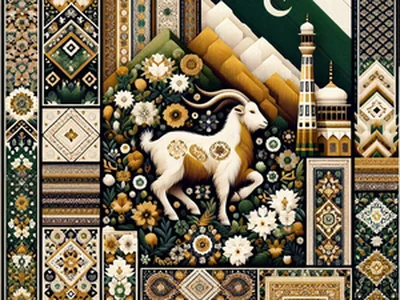
Artistic expression includes traditional Tatar music, dance, and crafts, often showcased during cultural festivals.
Cultural Symbols Motifs
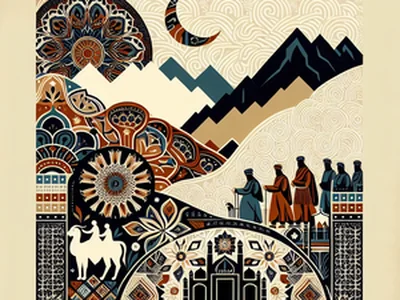
Symbols such as the crescent moon and star are prevalent, reflecting their Islamic heritage.
What Brings Joy
Community gatherings, music, and dance are sources of joy and cultural pride.
Celebrations Joyful Traditions
Festivals like Eid and Nowruz are celebrated with traditional foods, music, and communal prayers.
Cultural Calendar And Holidays
The cultural calendar includes Islamic holidays and Tatar-specific celebrations, fostering community cohesion.
Additional Notes
Afghan Tatars maintain a vibrant cultural life, balancing tradition with modern influences.
Economic Context And Occupations
Many Afghan Tatars are engaged in trade, agriculture, and small businesses, contributing to local economies.
Housing And Living Arrangements
Housing often consists of extended family units, with a focus on communal living and shared resources.
Nutrition And Dietary Norms
Dietary practices are influenced by Tatar and Afghan cuisines, with an emphasis on halal foods and traditional dishes.
Interpretation Needs
Interpretation services are often required in healthcare and legal settings due to language barriers.
Interpreter Notes
Interpreters familiar with Tatar and Dari are preferred to ensure accurate communication.
Documentation Traditions
Oral traditions play a significant role, with stories and histories passed down through generations.
Interactions With Other Cultures
Afghan Tatars interact with various ethnic groups in Afghanistan, fostering cultural exchange and mutual respect.
Conflict Resolution Mechanisms
Traditional conflict resolution involves community elders and religious leaders mediating disputes.
Cultural Exchange Programs
Cultural exchange programs with other Tatar communities help preserve and promote their heritage.
Trade Relations
Historically, Afghan Tatars have engaged in trade with neighboring regions, contributing to economic and cultural exchanges.
Shared Artistic Projects
Collaborative artistic projects with other ethnic groups highlight shared cultural themes and promote unity.
Intercultural Marriages
Intercultural marriages are common, reflecting the integration of Afghan Tatars into broader Afghan society.
Shared Educational Initiatives
Educational initiatives often involve collaboration with other ethnic communities to promote literacy and cultural awareness.
Youth Perspectives
The youth are increasingly engaged in preserving their cultural heritage while embracing modern opportunities.
Education Initiatives
Initiatives focus on bilingual education, combining Tatar language instruction with Afghan curricula.
Future Challenges
Challenges include preserving cultural identity amidst globalization and political instability.
Youth Employment Trends
Youth are increasingly seeking employment in urban areas, often in technology and service sectors.
Future Visions
The community envisions a future where cultural heritage is preserved alongside economic development.
Youth Leadership Roles
Youth are taking on leadership roles in cultural preservation and community development projects.
Innovation And Startups
There is a growing interest in entrepreneurship, with young Afghan Tatars launching startups in various sectors.
Festivals And Celebrations
Festivals are celebrated with traditional music, dance, and communal feasts, strengthening community bonds.
Traditional Medicine Practices
Herbal remedies and spiritual healing are common, often used alongside modern medicine.
Environmental Practices
Sustainable farming and water conservation are practiced, reflecting a respect for natural resources.
Rituals
Rituals often involve community gatherings and religious observances, marking important life events.
Rites Of Passage
Rites of passage, such as weddings and coming-of-age ceremonies, are celebrated with traditional customs.
Culinary Traditions
Culinary traditions include dishes like pilaf and kebabs, often prepared for special occasions.
Climate Adaptation Strategies
Adaptation strategies include traditional building techniques that mitigate extreme weather conditions.
Biodiversity Conservation
Efforts are made to conserve local biodiversity, often through community-led initiatives.
Sustainable Tourism Practices
Tourism practices emphasize cultural heritage and environmental sustainability.
Renewable Energy Use
There is a growing interest in renewable energy sources, such as solar power, to reduce environmental impact.
Community Involvement In Practices
Community involvement is key in environmental and cultural preservation efforts.
Environmental Education Programs
Programs aim to educate the community about sustainable practices and environmental stewardship.
Notable Figures
Notable figures include community leaders and scholars who have contributed to cultural preservation.
Cultural Innovations
Innovations include the fusion of Tatar and Afghan artistic styles, creating unique cultural expressions.
Literary Works
Literary contributions often focus on preserving oral histories and traditional stories.
Architectural Styles
Architecture reflects a blend of Tatar and Afghan influences, with distinctive designs in community buildings.
Scientific Contributions
Contributions in agriculture and traditional medicine highlight the community's practical knowledge.
Culinary Innovations
Culinary innovations include the adaptation of traditional dishes to modern tastes and dietary needs.
Global Influence
The Afghan Tatar diaspora contributes to global cultural exchanges, promoting their heritage internationally.
Awards And Recognition
Community members have received recognition for their efforts in cultural preservation and community service.
Modern Influences
Modern influences include technology and media, which are increasingly integrated into daily life.
Digital Presence
The community maintains a digital presence through social media and online cultural forums.
Globalization Effects
Globalization has brought both opportunities and challenges, impacting cultural practices and economic activities.
Urbanization Effects
Urbanization has led to changes in lifestyle, with more community members moving to cities for education and work.
Technology Adoption
Technology is widely adopted, with a focus on education and communication tools.
Hybrid Cultural Forms
Hybrid cultural forms emerge as traditional practices blend with modern influences.
Social Media Presence
Social media is used to connect with the diaspora and promote cultural events and initiatives.
Challenges
Challenges include cultural assimilation pressures and the need to preserve language and traditions.
Preservation Efforts
Efforts focus on language preservation, cultural education, and community-led initiatives to maintain cultural identity.
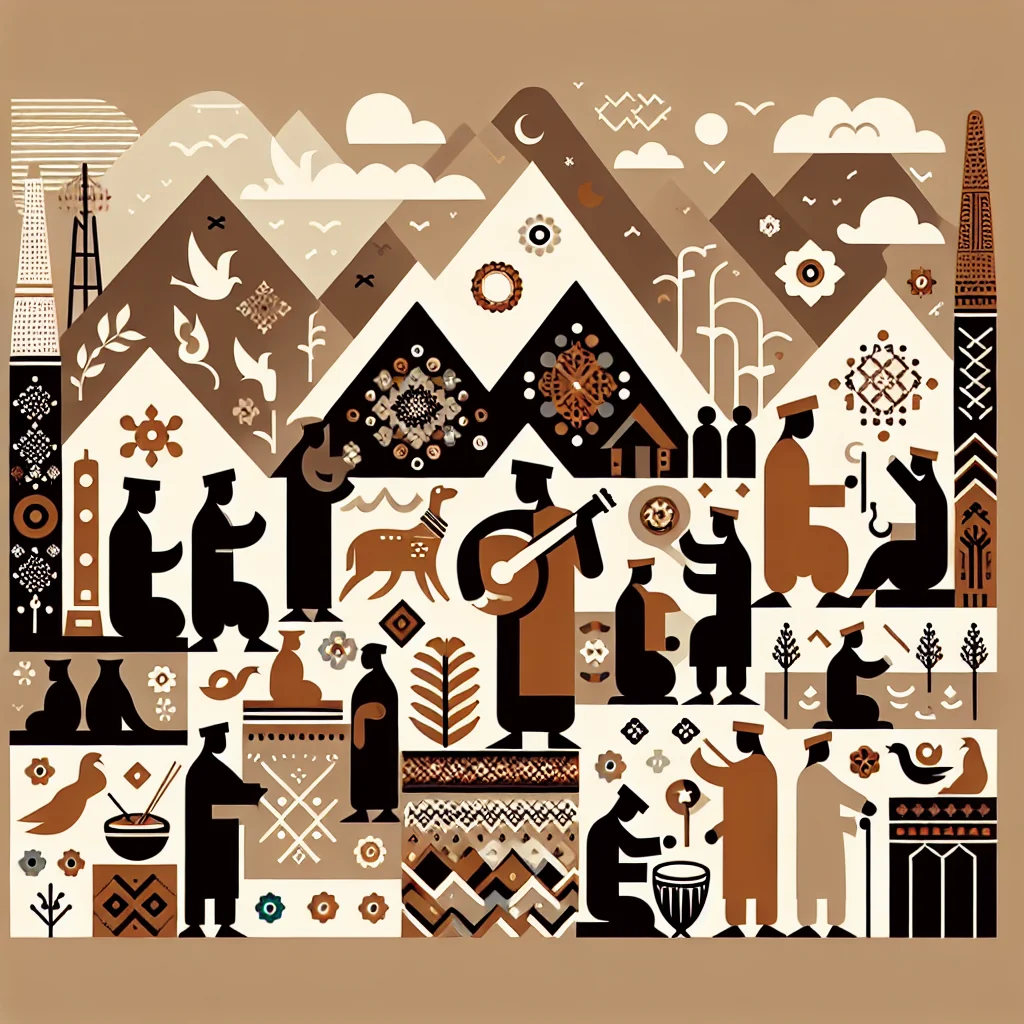
Cultural Artwork
Community Discussion
Further Reading
Explore credible external sources to deepen your understanding of Afghan Tatars culture.