
Pakistani
South Asia UrduEnglishPunjabiPashto
The Pakistani culture is a rich and diverse blend of traditions, customs, and values.
Historical Context
Pakistan gained independence from British colonial rule in 1947.
Migration Patterns
The country has experienced significant migration patterns, particularly from India and Afghanistan.
Conflict And Resilience History
Pakistan has faced numerous conflicts, including the Indo-Pakistani War of 1965 and the Soviet-Afghan War.
Diaspora Perspectives
Pakistani diaspora communities can be found in countries such as the United Kingdom, the United States, and Canada.
Regional Variations
Regional variations exist within Pakistani culture, reflecting local customs and traditions.
Bridging Notes
Pakistani culture has been shaped by its history of colonialism, migration, and conflict.
Spiritual And Religious Practices
Islam is the dominant religion in Pakistan, with a significant minority following other faiths.
Beliefs And Worldview
Pakistani culture is shaped by Islamic values, including respect for elders and community cohesion.
Cultural Proverbs Sayings
Proverbs such as 'Khuda ka wada hai' (God's promise) reflect the importance of faith in Pakistani culture.
Naming Conventions And Terms Of Address
Names often carry significant meaning, with titles such as 'Mian' or 'Sahib' used to show respect.
Health And Mental Health
Pakistani culture places a strong emphasis on family and community support for mental health.
Mental Health Views
Traditional healers often play a significant role in addressing mental health issues.
Traditional Healers
Unani medicine, Ayurveda, and homeopathy are popular traditional healing practices.
Gender Roles In Healthcare
Women often take on caregiving roles within families, while men may be more involved in seeking medical care.
Healthcare Barriers
Access to healthcare can be limited by factors such as poverty, geography, and cultural stigma.
Education And Learning Styles
Pakistani culture values education highly, with a focus on rote memorization and respect for authority.
Learning Styles
Students often learn through oral transmission and hands-on experience.
Parental Engagement
Parents are actively involved in their children's education, particularly in rural areas.
Family And Social Structure
Pakistani culture places a strong emphasis on family and community ties.
Discipline And Behavior
Respect for elders and authority figures is deeply ingrained in Pakistani culture.
Authority Attitudes
Authority figures, such as imams or respected elders, are often consulted for guidance.
Etiquette And Customs
Pakistani culture has strict etiquette rules surrounding food, hospitality, and social interactions.
Community Strengths Resilience
Community cohesion and support networks play a crucial role in coping with challenges.
Art Music And Expression
Traditional Pakistani music, dance, and art forms include Qawwali, Sufi poetry, and miniature painting.
Cultural Symbols Motifs
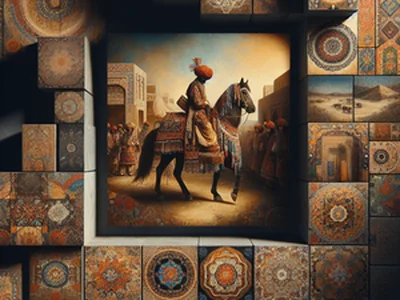
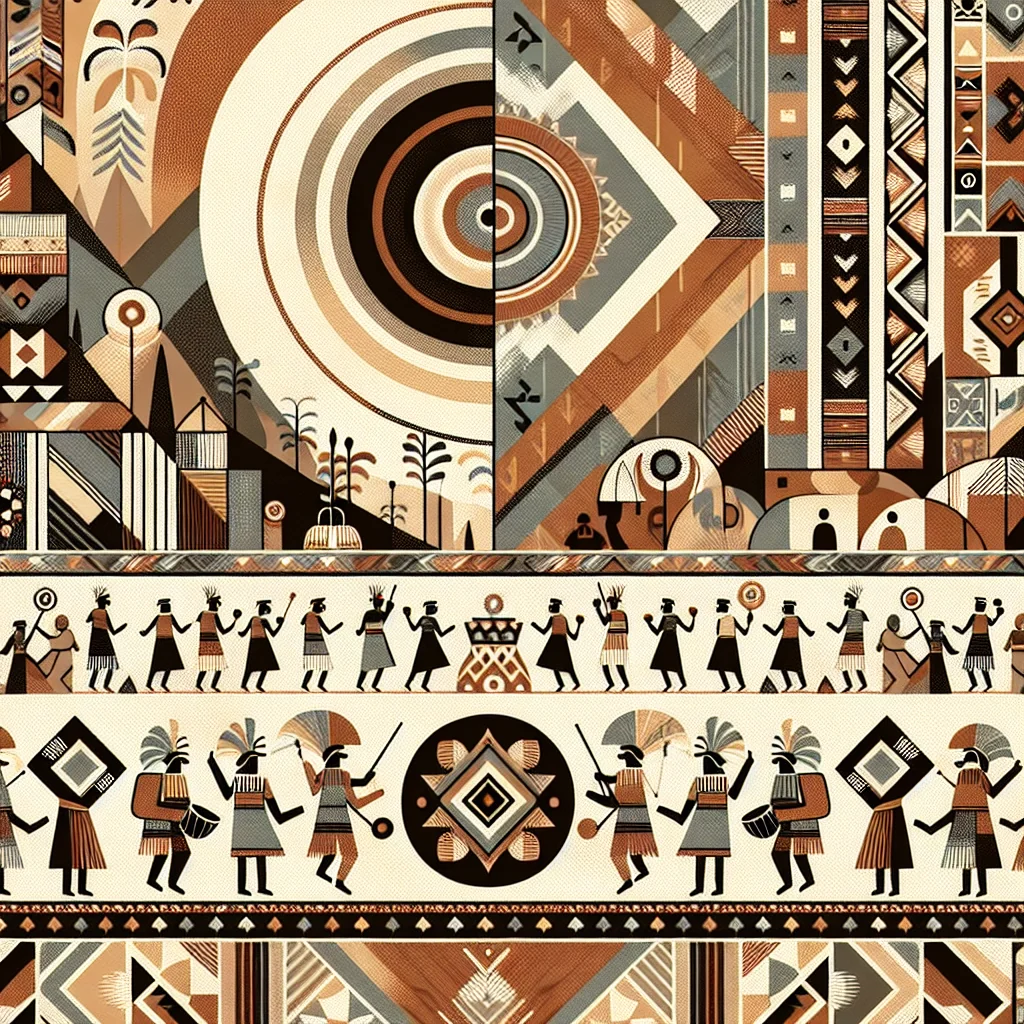
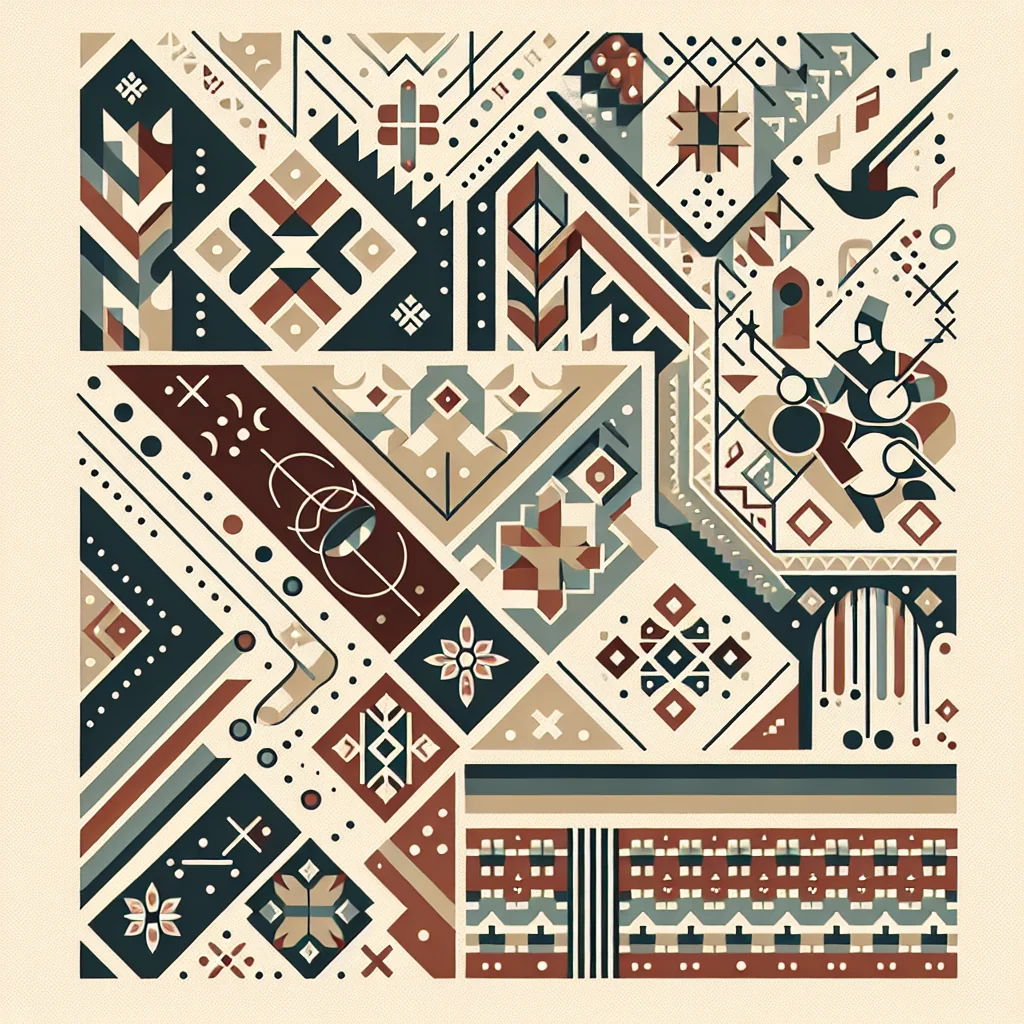
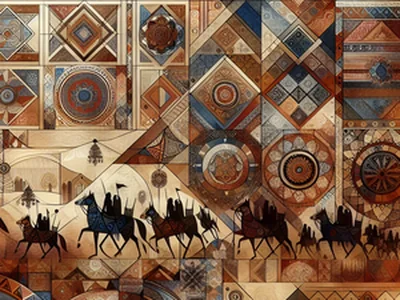
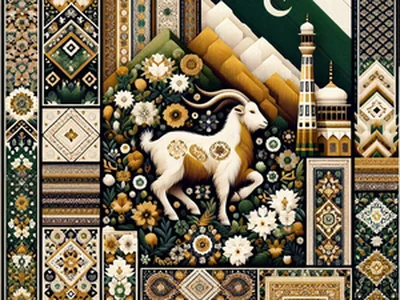
Symbols such as the crescent moon and star, and geometric patterns like the 'Kashmiri knot', hold cultural significance.
What Brings Joy
Pakistani culture values joy and celebration, with festivals like Eid-al-Fitr and Eid-al-Azha bringing communities together.
Celebrations Joyful Traditions
Weddings, births, and other life events are often celebrated with music, dance, and feasting.
Cultural Calendar And Holidays
Pakistani calendar includes Islamic holidays like Ramadan and Eid-al-Fitr, as well as national celebrations like Independence Day.
Additional Notes
Pakistani culture has a rich tradition of storytelling through oral narratives and folktales.
Economic Context And Occupations
Pakistan's economy is primarily driven by agriculture, manufacturing, and services.
Housing And Living Arrangements
Housing varies from urban apartments to rural villages, with a focus on family and community living arrangements.
Nutrition And Dietary Norms
Traditional Pakistani cuisine emphasizes rice, bread, and meat dishes, often served with spices and herbs.
Interpretation Needs
Language interpretation services are essential for communication between Urdu speakers and English-speaking officials or tourists.
Interpreter Notes
Interpreters may be required in official settings, such as courts or government offices.
Documentation Traditions
Documents like the 'Nikahnama' (marriage certificate) hold significant cultural and legal importance.
Interactions With Other Cultures
Pakistani culture has interacted with various cultures throughout history, particularly in the context of colonialism and migration.
Conflict Resolution Mechanisms
Traditional conflict resolution mechanisms include mediation by respected elders or imams.
Cultural Exchange Programs
Cultural exchange programs have been established between Pakistan and other countries to promote mutual understanding and respect.
Trade Relations
Pakistan has trade relations with various countries, including the United States, China, and European nations.
Shared Artistic Projects
Pakistani artists collaborate on projects with international artists, reflecting cultural exchange and cooperation.
Intercultural Marriages
Intermarriage between Pakistani individuals and those from other cultures is becoming increasingly common.
Shared Educational Initiatives
Educational institutions in Pakistan partner with international organizations to promote cross-cultural understanding and education.
Youth Perspectives
Youth in Pakistan face challenges such as poverty, unemployment, and social inequality.
Education Initiatives
Initiatives like the 'Bhagat Singh Foundation' aim to promote education and critical thinking among Pakistani youth.
Future Challenges
Pakistan will continue to face challenges related to climate change, economic development, and social cohesion.
Youth Employment Trends
Youth employment trends in Pakistan are influenced by factors such as urbanization, technology adoption, and globalization.
Future Visions
Pakistani youth envision a future with improved education, healthcare, and economic opportunities.
Youth Leadership Roles
Young leaders in Pakistan are working to address social issues through activism, entrepreneurship, and community engagement.
Innovation And Startups
Pakistan has seen an increase in innovation and startup activity, particularly in the tech sector.
Festivals And Celebrations
Pakistani culture celebrates various festivals, including Eid-al-Fitr, Eid-al-Azha, and Independence Day.
Traditional Medicine Practices
Unani medicine, Ayurveda, and homeopathy are popular traditional healing practices in Pakistan.
Environmental Practices
Pakistan has implemented initiatives to promote sustainable agriculture, renewable energy, and waste management.
Culinary Traditions
Pakistani cuisine emphasizes local ingredients, spices, and cooking techniques, often passed down through generations.
Climate Adaptation Strategies
The government has launched programs to address climate change, including disaster risk reduction and adaptation strategies.
Community Involvement In Practices
Community-led initiatives focus on environmental conservation, sustainable development, and social justice.
Environmental Education Programs
Environmental education programs are being implemented in schools to promote awareness and action among Pakistani youth.
Notable Figures
Pakistani notable figures include Muhammad Ali Jinnah, Allama Iqbal, and Malala Yousafzai.
Cultural Innovations
Pakistan has contributed to cultural innovations in fields such as literature (Urdu poetry), music (Qawwali), and art (miniature painting).
Literary Works
Pakistani writers have produced notable literary works, including the 'Mahabharata' translation by Muhammad Iqbal.
Architectural Styles
Pakistan's architecture reflects a blend of Islamic, Mughal, and regional styles, with notable examples like the Lahore Fort.
Scientific Contributions
Pakistani scientists have made significant contributions to fields such as physics (Abdus Salam), chemistry (Habib-ur-Rehman Elahi), and biology (Iqbal Choudhary).
Culinary Innovations
Pakistan has introduced new culinary innovations, including the popular dish 'Biryani', which combines local spices with international flavors.
Global Influence
Pakistani culture has influenced global cuisine, music, and art, particularly in regions with significant Muslim populations.
Awards And Recognition
Pakistani individuals have received numerous awards for their contributions to fields such as literature, science, and peace activism.
Modern Influences
Modern influences on Pakistani culture include Western music, fashion, and social media trends.
Digital Presence
Pakistan has a growing digital presence, with increasing use of social media, online education platforms, and e-commerce services.
Globalization Effects
Globalization has had both positive (economic growth) and negative (cultural homogenization) effects on Pakistani culture.
Urbanization Effects
Urbanization has led to changes in lifestyle, social norms, and cultural practices among Pakistani youth.
Technology Adoption
Pakistan has seen rapid adoption of technology, particularly in the mobile phone and internet sectors.
Hybrid Cultural Forms
Pakistani culture is adapting to globalization by incorporating hybrid forms of music, art, and literature.
Social Media Presence
Social media platforms have become increasingly popular in Pakistan, with many users engaging in online activism and community building.
Challenges
Pakistani culture faces challenges related to poverty, unemployment, climate change, and social inequality.
Preservation Efforts
Efforts are being made to preserve Pakistani cultural heritage through initiatives like the 'Pakistan Cultural Heritage Trust'.
Cultural Artwork
Community Discussion
Further Reading
Explore credible external sources to deepen your understanding of Pakistani culture.