
Karelian
Karelia (Finland and Russia) KarelianFinnishRussian
The Karelian culture is indigenous to the region of Karelia, which spans parts of Finland and Russia. It is characterized by its unique language, traditions, and historical influences from both Finnish and Russian cultures.
Historical Context
The Karelian people have a long history dating back to the early medieval period. They have been influenced by both Swedish and Russian rule, which has shaped their cultural and historical development.
Migration Patterns
Historically, Karelians have migrated due to conflicts and political changes, particularly during the 20th century when many moved to Finland from Soviet Karelia.
Conflict And Resilience History
Karelians have faced numerous conflicts, including the Winter War and Continuation War, which led to significant displacement and cultural resilience efforts.
Diaspora Perspectives
The Karelian diaspora, particularly in Finland, has worked to preserve their cultural heritage through community organizations and cultural events.
Regional Variations
There are distinct regional variations within Karelian culture, influenced by geographical and political boundaries, such as differences between North and South Karelia.
Bridging Notes
Efforts to bridge cultural differences include cross-border cultural exchanges and festivals celebrating Karelian heritage.
Spiritual And Religious Practices
Karelians traditionally practiced a form of animism and nature worship, which later incorporated Orthodox Christianity due to Russian influence.
Beliefs And Worldview
Karelian beliefs emphasize harmony with nature, community solidarity, and respect for ancestral traditions.
Cultural Proverbs Sayings
Karelian proverbs often reflect themes of nature, resilience, and community, such as 'A shared burden is lighter.'
Naming Conventions And Terms Of Address
Karelian naming conventions often include patronymics and reflect familial and regional ties.
Health And Mental Health
Traditional Karelian health practices include herbal medicine and sauna use, with a modern integration of Western healthcare systems.
Mental Health Views
Mental health is traditionally viewed through a community lens, with support often coming from family and community networks.
Traditional Healers
Traditional healers, known as 'tietäjät,' play a role in Karelian communities, using herbal remedies and spiritual practices.
Gender Roles In Healthcare
Historically, women have been primary caregivers, though modern healthcare access is gender-neutral.
Healthcare Barriers
Barriers include geographical isolation and language differences, particularly for Russian-speaking Karelians in Finland.
Education And Learning Styles
Karelian education emphasizes oral traditions and storytelling, with a growing integration of formal education systems.
Learning Styles
Learning is often experiential and community-based, with a focus on practical skills and cultural knowledge.
Parental Engagement
Parents are actively involved in children's education, often passing down cultural knowledge and skills.
Family And Social Structure
Karelian society is traditionally organized around extended family units, with strong community ties and mutual support systems.
Discipline And Behavior
Discipline is often community-based, with an emphasis on teaching through example and shared values.
Authority Attitudes
Respect for elders and community leaders is a key aspect of Karelian culture, with decisions often made collectively.
Etiquette And Customs
Karelian customs include hospitality, respect for nature, and participation in community events and festivals.
Community Strengths Resilience
Karelian communities are known for their resilience, maintaining cultural practices and language despite historical challenges.
Art Music And Expression
Karelian culture is rich in music, particularly the use of the kantele, a traditional string instrument, and folk songs.
Cultural Symbols Motifs
Common symbols include the kantele, birch trees, and traditional embroidery patterns.
What Brings Joy
Community gatherings, music, and nature are central to Karelian joy and expression.
Celebrations Joyful Traditions
Key celebrations include the Karelian summer festival and traditional harvest festivals.
Cultural Calendar And Holidays
Karelians celebrate both traditional and Christian holidays, with a focus on seasonal changes and community gatherings.
Additional Notes
Karelian expression is deeply tied to nature and the seasons, reflecting the region's landscape and climate.
Economic Context And Occupations
Traditionally, Karelians have been engaged in agriculture, forestry, and fishing, with modern shifts towards service industries.
Housing And Living Arrangements
Housing traditionally consists of wooden homes, often shared by extended families, with modern adaptations in urban areas.
Nutrition And Dietary Norms
Karelian cuisine includes rye bread, fish, and berries, with a focus on locally sourced and seasonal ingredients.
Interpretation Needs
Karelian speakers may require interpretation services in Finnish or Russian contexts, particularly in healthcare and legal settings.
Interpreter Notes
Interpreters should be aware of regional dialects and cultural nuances in Karelian communication.
Documentation Traditions
Karelian culture has a strong oral tradition, with increasing efforts to document language and folklore in written form.
Interactions With Other Cultures
Karelians have historically interacted with Finnish, Russian, and other Finno-Ugric cultures, leading to a rich exchange of traditions and practices.
Conflict Resolution Mechanisms
Traditional conflict resolution involves community mediation and consensus-building.
Cultural Exchange Programs
There are active cultural exchange programs between Karelia and Finland, promoting mutual understanding and cultural preservation.
Trade Relations
Historically, Karelians engaged in trade with neighboring regions, exchanging goods like furs, fish, and crafts.
Shared Artistic Projects
Collaborative artistic projects often focus on shared folklore and music, bridging cultural divides.
Intercultural Marriages
Intercultural marriages are common, particularly between Karelians and Finns, reflecting historical ties.
Shared Educational Initiatives
Educational initiatives often focus on language preservation and cultural heritage, involving cross-border collaborations.
Youth Perspectives
Karelian youth are increasingly engaged in cultural preservation, balancing modern influences with traditional values.
Education Initiatives
Initiatives focus on bilingual education and cultural programs to maintain Karelian language and traditions.
Future Challenges
Challenges include cultural assimilation, language preservation, and economic opportunities in rural areas.
Youth Employment Trends
Youth employment is shifting towards technology and service sectors, with a focus on sustainable development.
Future Visions
Future visions include a strong emphasis on cultural preservation, environmental sustainability, and community resilience.
Youth Leadership Roles
Youth are taking active roles in cultural organizations and community projects, driving innovation and change.
Innovation And Startups
There is a growing interest in startups focused on cultural tourism, technology, and sustainable practices.
Festivals And Celebrations
Karelian festivals often celebrate seasonal changes, with music, dance, and traditional foods.
Traditional Medicine Practices
Herbal remedies and sauna use are integral to Karelian traditional medicine.
Environmental Practices
Karelians have a deep respect for nature, practicing sustainable forestry and fishing.
Rituals
Rituals often involve nature, such as planting ceremonies and seasonal celebrations.
Rites Of Passage
Rites of passage include traditional weddings, coming-of-age ceremonies, and community initiations.
Culinary Traditions
Karelian cuisine features dishes like Karelian pasties and fish soups, emphasizing local ingredients.
Climate Adaptation Strategies
Adaptation strategies include sustainable agriculture and forestry practices to mitigate climate impacts.
Biodiversity Conservation
Efforts focus on preserving the unique flora and fauna of the Karelian region.
Sustainable Tourism Practices
Tourism initiatives emphasize cultural heritage and environmental sustainability.
Renewable Energy Use
There is a growing interest in renewable energy sources, such as wind and solar power, in Karelian communities.
Community Involvement In Practices
Community involvement is key in environmental and cultural preservation efforts.
Environmental Education Programs
Programs focus on educating youth about sustainable practices and the importance of biodiversity.
Notable Figures
Notable Karelians include Elias Lönnrot, compiler of the Finnish national epic 'Kalevala,' which draws heavily on Karelian folklore.
Cultural Innovations
Karelian innovations include traditional music forms and the kantele, a unique string instrument.
Literary Works
Karelian folklore and epic poetry have significantly influenced Finnish literature, particularly the 'Kalevala.'
Architectural Styles
Traditional Karelian architecture features wooden structures with intricate carvings and designs.
Scientific Contributions
Karelians have contributed to ethnographic and linguistic studies, particularly in Finno-Ugric research.
Culinary Innovations
Karelian pasties and other traditional dishes have gained popularity beyond the region.
Global Influence
Karelian culture has influenced Finnish national identity and contributed to global understanding of Finno-Ugric peoples.
Awards And Recognition
Karelian cultural contributions have been recognized in fields such as music, literature, and ethnography.
Modern Influences
Modern influences include Finnish and Russian cultural elements, as well as global media and technology.
Digital Presence
Karelian culture is increasingly represented online through digital archives, social media, and cultural websites.
Globalization Effects
Globalization has brought both opportunities and challenges, including cultural assimilation and economic shifts.
Urbanization Effects
Urbanization has led to changes in traditional lifestyles, with more Karelians moving to cities for education and employment.
Technology Adoption
Technology is being adopted in areas such as education, communication, and cultural preservation.
Hybrid Cultural Forms
Hybrid cultural forms are emerging, blending traditional Karelian elements with modern influences.
Social Media Presence
Social media is used to promote Karelian culture, connect communities, and share cultural events.
Challenges
Challenges include language preservation, cultural assimilation, and economic development in rural areas.
Preservation Efforts
Efforts include language revitalization programs, cultural festivals, and cross-border collaborations to maintain Karelian heritage.
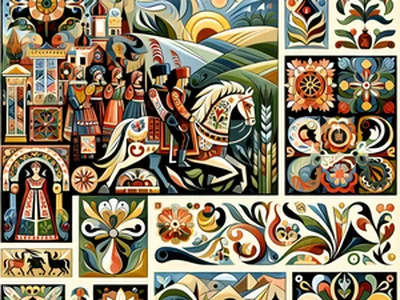
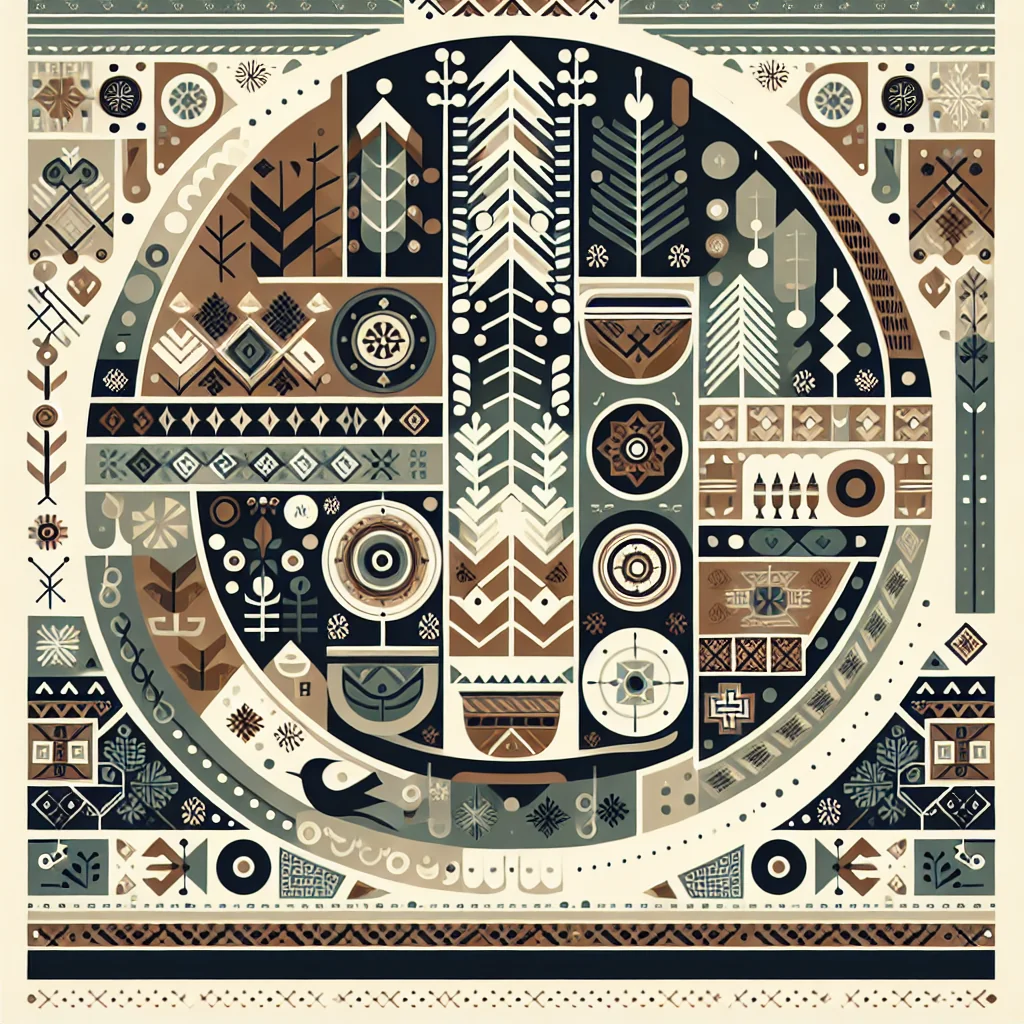
Cultural Artwork
Community Discussion
Further Reading
Explore credible external sources to deepen your understanding of Karelian culture.