
Belarus
Eastern Europe BelarusianRussian
Belarusian culture is characterized by its rich history, diverse traditions, and a strong sense of national identity. It is influenced by its Slavic roots and neighboring countries.
Historical Context
Belarus has a complex history, having been part of the Grand Duchy of Lithuania, the Polish-Lithuanian Commonwealth, and the Soviet Union. It gained independence in 1991.
Migration Patterns
Belarus has experienced various migration waves, including post-WWII movements and recent economic migration to Western Europe.
Conflict And Resilience History
Belarus has faced numerous conflicts, including WWII and Soviet repression, but has shown resilience through cultural preservation and national identity.
Diaspora Perspectives
The Belarusian diaspora is spread across Europe and North America, maintaining cultural ties through community organizations and cultural events.
Regional Variations
Cultural variations exist between urban and rural areas, with rural regions preserving more traditional customs.
Bridging Notes
Efforts to bridge cultural gaps focus on promoting Belarusian language and traditions while embracing modern influences.
Spiritual And Religious Practices
Orthodox Christianity is the predominant religion, with a significant Catholic minority. Folk beliefs and traditions also play a role in spiritual life.
Beliefs And Worldview
Belarusians value community, family, and resilience. There is a strong emphasis on hospitality and respect for nature.
Cultural Proverbs Sayings
Common proverbs emphasize wisdom, patience, and the importance of hard work, such as 'Patience is a bitter plant, but it has sweet fruit.'
Naming Conventions And Terms Of Address
Belarusians often use patronymics and formal titles in professional settings, while first names are common among friends and family.
Health And Mental Health
Healthcare is state-funded, with a focus on preventive care. Mental health awareness is growing, though stigma remains.
Mental Health Views
Mental health is becoming more openly discussed, but traditional views often prioritize physical health.
Traditional Healers
Folk medicine and herbal remedies are still used, especially in rural areas.
Gender Roles In Healthcare
Women are often primary caregivers, though both men and women participate in healthcare decisions.
Healthcare Barriers
Barriers include limited access to specialized care and rural healthcare infrastructure challenges.
Education And Learning Styles
Education is highly valued, with a strong emphasis on science and technology. The system is structured and formal.
Learning Styles
Learning is often teacher-centered, with a focus on memorization and discipline.
Parental Engagement
Parents are actively involved in their children's education, often participating in school events and meetings.
Family And Social Structure
Family is central to Belarusian life, with extended families often living nearby. Social gatherings are common.
Discipline And Behavior
Discipline is generally strict, with an emphasis on respect for elders and authority.
Authority Attitudes
There is a cultural respect for authority figures, though younger generations are increasingly questioning traditional hierarchies.
Etiquette And Customs
Politeness and hospitality are important, with customs such as removing shoes indoors and bringing gifts when visiting.
Community Strengths Resilience
Community resilience is demonstrated through strong social networks and mutual support during times of need.
Art Music And Expression
Belarus is known for its folk music, dance, and crafts. Traditional instruments like the cymbaly are popular.
Cultural Symbols Motifs
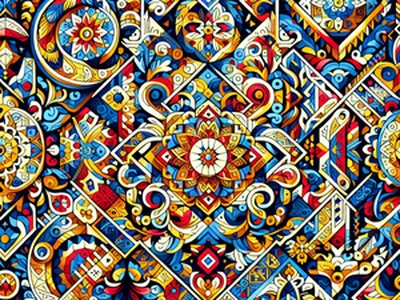
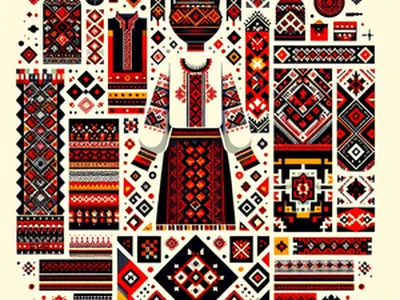
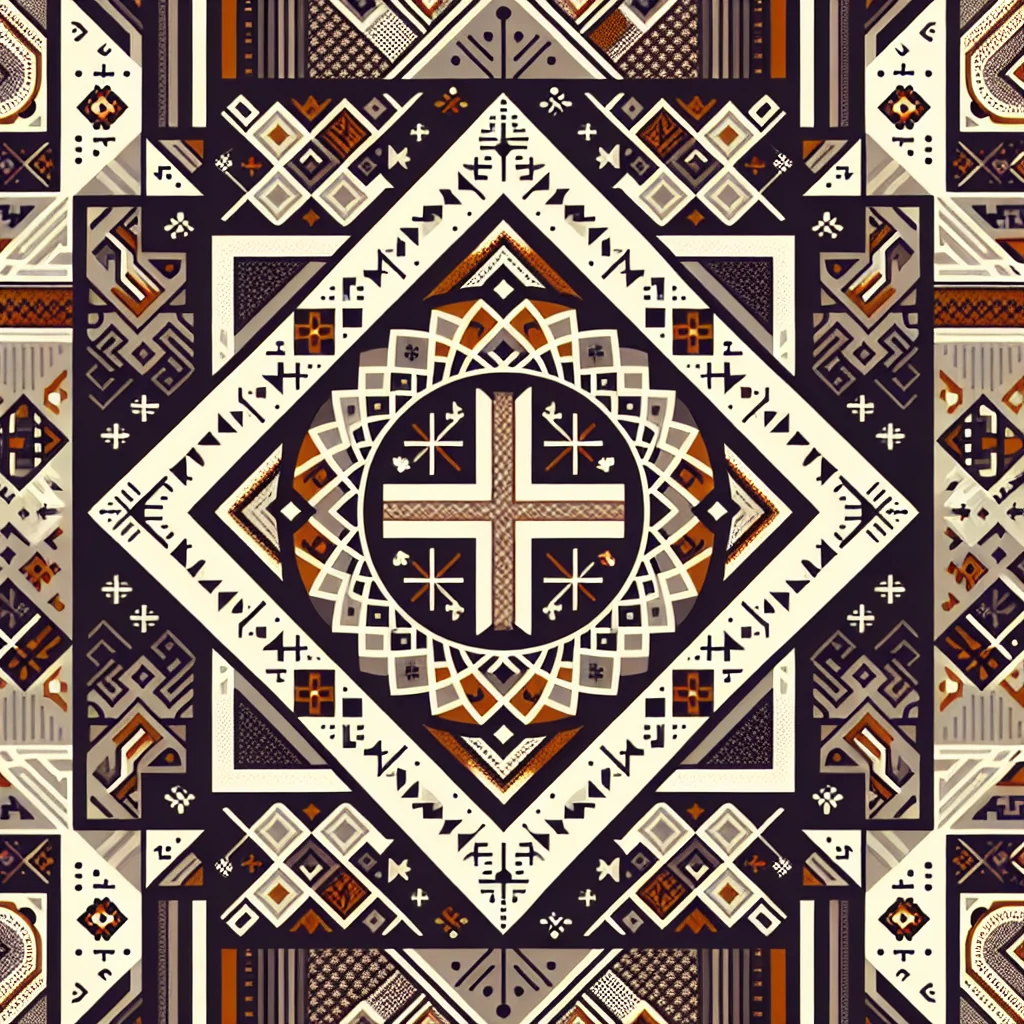
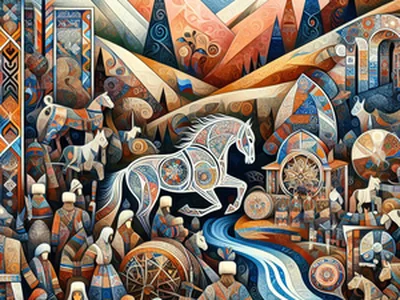
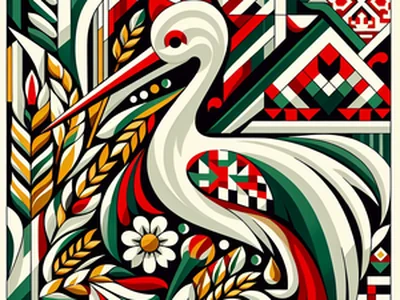
Common symbols include the bison, a national emblem, and traditional embroidery patterns.
What Brings Joy
Belarusians find joy in nature, family gatherings, and cultural festivals.
Celebrations Joyful Traditions
Festivals such as Kupala Night and Maslenitsa are celebrated with music, dance, and traditional foods.
Cultural Calendar And Holidays
Major holidays include Independence Day, Christmas, and Easter, celebrated with both religious and secular traditions.
Additional Notes
Belarusian culture is marked by a blend of tradition and modernity, with a strong emphasis on preserving cultural heritage.
Economic Context And Occupations
The economy is diverse, with key sectors including manufacturing, agriculture, and IT.
Housing And Living Arrangements
Housing varies from urban apartments to rural homes, with a trend towards urbanization.
Nutrition And Dietary Norms
Traditional Belarusian cuisine includes dishes like draniki (potato pancakes) and borscht, with a focus on locally sourced ingredients.
Interpretation Needs
Interpretation services are needed for Belarusian and Russian speakers in international contexts.
Interpreter Notes
Interpreters should be aware of regional dialects and cultural nuances.
Documentation Traditions
Official documents are often bilingual, in Belarusian and Russian.
Interactions With Other Cultures
Belarus has strong cultural ties with neighboring Slavic countries and participates in regional cultural exchanges.
Conflict Resolution Mechanisms
Traditional conflict resolution often involves community elders and mediation.
Cultural Exchange Programs
There are various cultural exchange programs with Russia, Poland, and Lithuania.
Trade Relations
Belarus has trade relations with the EU, Russia, and China, impacting cultural exchanges.
Shared Artistic Projects
Collaborations in music and art are common with neighboring countries.
Intercultural Marriages
Intercultural marriages are increasingly common, reflecting broader social integration.
Shared Educational Initiatives
Joint educational programs exist with Russian and European institutions.
Youth Perspectives
Belarusian youth are increasingly global in outlook, valuing education and technology.
Education Initiatives
There are initiatives to modernize education, focusing on STEM and digital skills.
Future Challenges
Challenges include economic opportunities and political freedoms.
Youth Employment Trends
Youth employment is growing in IT and service sectors.
Future Visions
Young Belarusians envision a modern, open society with strong cultural roots.
Youth Leadership Roles
Youth are taking on leadership roles in social movements and entrepreneurship.
Innovation And Startups
The startup scene is growing, particularly in tech and creative industries.
Festivals And Celebrations
Traditional festivals like Kupala Night celebrate nature and community.
Traditional Medicine Practices
Herbal remedies and traditional healers are part of rural healthcare.
Environmental Practices
There is a growing focus on sustainable agriculture and conservation.
Rituals
Rituals often involve nature, such as spring and harvest celebrations.
Rites Of Passage
Rites of passage include weddings and coming-of-age ceremonies, often with traditional music and dance.
Culinary Traditions
Cuisine features hearty dishes like borscht and rye bread, with a focus on seasonal ingredients.
Climate Adaptation Strategies
Efforts are being made to adapt agriculture to changing climate conditions.
Biodiversity Conservation
Conservation efforts focus on protecting forests and wetlands.
Sustainable Tourism Practices
Eco-tourism is promoted in national parks and rural areas.
Renewable Energy Use
There is an increasing investment in renewable energy sources like wind and solar.
Community Involvement In Practices
Communities are actively involved in environmental conservation and cultural preservation.
Environmental Education Programs
Programs in schools emphasize the importance of environmental stewardship.
Notable Figures
Figures like writer Vasil Bykaŭ and artist Marc Chagall are internationally recognized.
Cultural Innovations
Belarus has contributed to literature, music, and visual arts, with a unique blend of traditional and modern styles.
Literary Works
Belarusian literature includes works by authors like Yanka Kupala and Yakub Kolas.
Architectural Styles
Architecture ranges from medieval castles to Soviet-era buildings and modern designs.
Scientific Contributions
Belarus has made advances in fields like IT and engineering.
Culinary Innovations
Modern Belarusian cuisine incorporates traditional flavors with contemporary techniques.
Global Influence
Belarusian culture influences neighboring countries through shared history and cultural exchanges.
Awards And Recognition
Belarusian artists and writers have received international awards, highlighting their cultural impact.
Modern Influences
Western cultural influences are evident in fashion, music, and media.
Digital Presence
Belarus has a growing digital presence, with active participation in global online communities.
Globalization Effects
Globalization has brought both opportunities and challenges, influencing cultural identity.
Urbanization Effects
Urbanization is leading to cultural shifts, with younger generations embracing modern lifestyles.
Technology Adoption
Technology is widely adopted, with a strong IT sector and digital innovation.
Hybrid Cultural Forms
Hybrid cultural forms emerge as traditional and modern elements blend in art and music.
Social Media Presence
Social media is a key platform for cultural expression and exchange among Belarusians.
Challenges
Challenges include preserving cultural identity amidst globalization and political pressures.
Preservation Efforts
Efforts are underway to preserve the Belarusian language and traditional arts.
Cultural Artwork
Community Discussion
Further Reading
Explore credible external sources to deepen your understanding of Belarus culture.