

Kanaks
New Caledonia, South Pacific FrenchDrehuNengonePaicî
The Kanaks are the indigenous Melanesian inhabitants of New Caledonia, known for their rich cultural heritage and strong connection to the land.
Historical Context
The Kanaks have inhabited New Caledonia for thousands of years, developing a distinct culture characterized by clan-based social structures and a deep spiritual connection to their land. Their history has been marked by colonial encounters, particularly with the French, leading to significant cultural and political changes.
Migration Patterns
Historically, the Kanaks have not been a migratory people, with their cultural identity strongly tied to specific lands and territories in New Caledonia. However, modern economic and educational opportunities have led to some migration to urban areas within the region.
Conflict And Resilience History
The Kanaks have faced significant challenges due to colonization by France, leading to cultural suppression and land dispossession. The struggle for independence and recognition of their rights has been a central theme in their history.
Diaspora Perspectives
Kanak diaspora communities often maintain strong ties to their homeland, advocating for cultural preservation and political autonomy.
Regional Variations
There are distinct regional variations among the Kanak tribes, each with unique dialects and customs.
Bridging Notes
Efforts to bridge cultural gaps have included initiatives for cultural education and increased political representation.
Spiritual And Religious Practices
Kanak spirituality is deeply rooted in animism, with a strong belief in the spiritual connection between people and the land. Ancestor worship and respect for nature are central to their practices.
Beliefs And Worldview
The Kanaks view the world as an interconnected system where humans, nature, and spirits coexist. Community and kinship are highly valued.
Cultural Proverbs Sayings
Kanak proverbs often emphasize the importance of community, respect, and harmony with nature.
Naming Conventions And Terms Of Address
Names are often given based on significant events or characteristics, and terms of address reflect respect for elders and community leaders.
Health And Mental Health
Traditional Kanak health practices involve natural remedies and spiritual healing. Modern healthcare is also utilized, but access can be limited in rural areas.
Mental Health Views
Mental health among the Kanaks is often approached through community support and traditional practices, with an emphasis on spiritual well-being and harmony with nature.
Traditional Healers
Traditional healers, known as 'docteurs de la terre', play a significant role in Kanak society, using herbal remedies and spiritual practices to address health issues.
Gender Roles In Healthcare
Gender roles in healthcare are traditionally defined, with women often taking on caregiving roles within the family.
Healthcare Barriers
Barriers to healthcare for the Kanaks include geographical isolation, language differences, and cultural misunderstandings within the Western medical system.
Education And Learning Styles
Education among the Kanaks often incorporates both formal schooling and traditional knowledge passed down through generations.
Learning Styles
Kanak learning styles often emphasize oral traditions, storytelling, and practical, hands-on experiences, reflecting their cultural emphasis on community and environmental knowledge.
Parental Engagement
Parents and elders play a crucial role in the education of children, emphasizing cultural values and traditions.
Family And Social Structure
Kanak society is organized around extended family units and clans, with a strong emphasis on communal living and shared responsibilities.
Discipline And Behavior
Discipline is often community-based, with elders playing a significant role in guiding and correcting behavior.
Authority Attitudes
Respect for elders and traditional leaders is a cornerstone of Kanak society, with authority often derived from lineage and wisdom.
Etiquette And Customs
Customary practices include ceremonial exchanges and rituals that reinforce social bonds and respect.
Community Strengths Resilience
The Kanak community is known for its resilience, maintaining cultural identity and unity despite external pressures.
Art Music And Expression
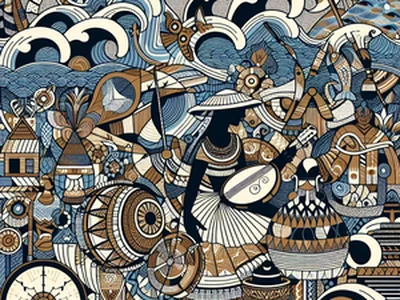
Kanak art is vibrant and diverse, including wood carving, weaving, and traditional music and dance, which are integral to cultural expression.
Cultural Symbols Motifs
Common symbols include the totem, representing clan identity, and the yam, symbolizing sustenance and prosperity.
What Brings Joy
Community gatherings, traditional dances, and storytelling are sources of joy and cultural pride.
Celebrations Joyful Traditions
Key celebrations include the Yam Festival, which marks the harvest and is a time of communal feasting and dancing.
Cultural Calendar And Holidays
Kanak cultural events are often tied to the agricultural calendar, with significant celebrations including yam festivals and clan gatherings that reinforce social bonds and cultural identity.
Additional Notes
Kanak culture is rich in oral traditions, with storytelling, dance, and music playing central roles in cultural expression and the transmission of knowledge.
Economic Context And Occupations
The Kanak economy traditionally revolves around agriculture, fishing, and artisanal crafts, with increasing participation in modern sectors.
Housing And Living Arrangements
Housing often reflects traditional styles, with communal living spaces that accommodate extended families.
Nutrition And Dietary Norms
Dietary practices are based on locally sourced foods, including yams, taro, and seafood, with a focus on communal meals.
Interpretation Needs
Interpretation services are often required for Kanak languages in formal settings, as French is the official language of New Caledonia.
Interpreter Notes
Interpreters familiar with both French and Kanak languages are essential for effective communication in healthcare and legal settings.
Documentation Traditions
Kanak cultures traditionally rely on oral documentation, with stories and histories passed down through generations verbally rather than in written form.
Interactions With Other Cultures
The Kanaks have a history of interaction with other Pacific cultures and European settlers, leading to a blend of influences.
Conflict Resolution Mechanisms
Traditional conflict resolution involves community dialogue and the mediation of elders.
Cultural Exchange Programs
Cultural exchange programs with other Pacific nations promote mutual understanding and cultural preservation.
Trade Relations
Trade historically involved the exchange of goods like yams and crafts, with modern trade expanding to include tourism and services.
Shared Artistic Projects
Collaborative artistic projects often focus on themes of cultural identity and environmental stewardship.
Intercultural Marriages
Intercultural marriages are common, reflecting the diverse cultural landscape of New Caledonia.
Shared Educational Initiatives
Educational initiatives often emphasize bilingual education and the inclusion of Kanak history and culture in curricula.
Youth Perspectives
Kanak youth are increasingly engaged in cultural preservation and political activism, seeking to balance tradition with modernity.
Education Initiatives
Programs aimed at improving educational access and outcomes for Kanak youth are a priority, focusing on both academic and cultural education.
Future Challenges
Challenges include economic disparities, cultural preservation, and political autonomy within the broader context of New Caledonia.
Youth Employment Trends
Youth employment is concentrated in agriculture, tourism, and emerging sectors like technology and services.
Future Visions
Future visions for the Kanak community often include greater political autonomy and cultural revitalization.
Youth Leadership Roles
Youth are increasingly taking on leadership roles in cultural and political organizations, advocating for their community's rights and future.
Innovation And Startups
There is a growing interest in entrepreneurship and innovation among Kanak youth, particularly in sustainable practices and cultural enterprises.
Festivals And Celebrations
Festivals play a crucial role in Kanak culture, with events like the Yam Festival celebrating agricultural cycles and community unity.
Traditional Medicine Practices
Traditional medicine involves the use of local plants and spiritual practices, often integrated with modern healthcare.
Environmental Practices
Environmental stewardship is a key aspect of Kanak culture, with practices aimed at sustainable land and resource management.
Rituals
Rituals often mark significant life events and seasonal changes, reinforcing community bonds and cultural continuity.
Rites Of Passage
Rites of passage, such as initiation ceremonies, are important cultural milestones that signify the transition to adulthood.
Culinary Traditions
Culinary traditions emphasize the use of local ingredients and communal meals, with dishes like bougna being central to cultural gatherings.
Climate Adaptation Strategies
Adaptation strategies include traditional knowledge of weather patterns and sustainable agricultural practices.
Biodiversity Conservation
Conservation efforts focus on protecting native species and ecosystems, often involving community-led initiatives.
Sustainable Tourism Practices
Sustainable tourism is promoted to preserve cultural heritage and natural resources while providing economic benefits.
Renewable Energy Use
There is an increasing interest in renewable energy sources, such as solar power, to reduce environmental impact.
Community Involvement In Practices
Community involvement is crucial in environmental and cultural practices, ensuring that initiatives are culturally appropriate and sustainable.
Environmental Education Programs
Programs aim to educate both locals and visitors about the importance of environmental conservation and cultural heritage.
Notable Figures
Notable Kanak figures include Jean-Marie Tjibaou, a leader in the independence movement and advocate for cultural preservation.
Cultural Innovations
Kanak cultural innovations include the revitalization of traditional arts and the integration of modern and traditional practices.
Literary Works
Kanak literature often explores themes of identity, colonization, and cultural resilience, with works by authors like Déwé Gorodé.
Architectural Styles
Traditional Kanak architecture features round huts with thatched roofs, reflecting a harmonious relationship with the environment.
Scientific Contributions
Scientific contributions are emerging in areas like environmental science and sustainable agriculture, often incorporating traditional knowledge.
Culinary Innovations
Culinary innovations involve the fusion of traditional Kanak ingredients with modern culinary techniques.
Global Influence
The Kanak culture has influenced global discussions on indigenous rights and cultural preservation, particularly in the Pacific region.
Awards And Recognition
Kanak cultural achievements have been recognized through various awards in arts, literature, and activism.
Modern Influences
Modern influences include the integration of technology and global cultural trends, balanced with efforts to preserve traditional practices.
Digital Presence
The Kanak community is increasingly utilizing digital platforms to promote cultural heritage and engage with global audiences.
Globalization Effects
Globalization has brought both opportunities and challenges, influencing cultural practices and economic activities.
Urbanization Effects
Urbanization has led to shifts in traditional lifestyles, with more Kanaks moving to urban areas for education and employment.
Technology Adoption
Technology adoption is growing, with a focus on using digital tools for education, communication, and cultural preservation.
Hybrid Cultural Forms
Hybrid cultural forms are emerging, blending traditional Kanak elements with contemporary influences.
Social Media Presence
Social media is a powerful tool for Kanak youth to express cultural identity and advocate for social and political issues.
Challenges
Challenges include cultural erosion due to globalization, economic disparities, and political struggles for autonomy.
Preservation Efforts
Preservation efforts focus on revitalizing language, arts, and traditional practices, often supported by both local and international organizations.
Cultural Artwork
Community Discussion
Further Reading
Explore credible external sources to deepen your understanding of Kanaks culture.