
Ukrainian
Eastern Europe UkrainianRussian
The Ukrainian culture is a Slavic culture with a rich history and heritage.
Historical Context
Ukraine has a complex history, with various periods of independence and foreign rule.
Migration Patterns
Historically, Ukraine was a major migration route between Europe and Asia.
Conflict And Resilience History
Ukraine has experienced numerous conflicts throughout its history, including the Mongol invasions and World War II.
Diaspora Perspectives
The Ukrainian diaspora is significant, with many Ukrainians living abroad, particularly in Canada and the United States.
Regional Variations
Regional variations exist within Ukraine, with different regions having distinct cultural practices and traditions.
Bridging Notes
Ukraine's history has been shaped by its geographic location, which has facilitated trade and cultural exchange between Europe and Asia.
Spiritual And Religious Practices
Orthodox Christianity is the dominant religion in Ukraine, with a significant minority of Ukrainians identifying as non-religious.
Beliefs And Worldview
Ukrainian culture values community, family, and tradition, with a strong emphasis on social hierarchy and respect for authority.
Cultural Proverbs Sayings
Some common Ukrainian proverbs include 'Zhyvot' (live) and 'Dobrobyt' (good fortune).
Naming Conventions And Terms Of Address
In Ukrainian culture, names are often given based on family or cultural traditions, with respect for elders and authority figures emphasized.
Health And Mental Health
Mental health is a growing concern in Ukraine, with increasing rates of depression and anxiety.
Mental Health Views
Traditional Ukrainian views on mental health emphasize the importance of community support and spiritual practices.
Traditional Healers
Traditional healers in Ukraine often use herbal remedies and folk medicine to treat various ailments.
Gender Roles In Healthcare
In Ukrainian culture, men are often expected to take a more active role in healthcare decisions for their families.
Healthcare Barriers
Access to quality healthcare is limited in rural areas of Ukraine, with many communities lacking basic medical facilities.
Education And Learning Styles
Ukrainian education emphasizes rote memorization and respect for authority, with a focus on traditional subjects like mathematics and literature.
Learning Styles
Students in Ukrainian schools often learn through a combination of lectures, readings, and practical exercises.
Parental Engagement
Parents in Ukraine are often involved in their children's education, particularly in rural areas where community support is strong.
Family And Social Structure
Ukrainian culture places a strong emphasis on family and social hierarchy, with respect for elders and authority figures emphasized.
Discipline And Behavior
Discipline and behavior are highly valued in Ukrainian culture, with children expected to show deference to their elders.
Authority Attitudes
Authority is respected in Ukrainian culture, with a strong emphasis on obedience and loyalty.
Etiquette And Customs
Ukrainian etiquette emphasizes respect for tradition, community, and authority figures.
Community Strengths Resilience
Community strength and resilience are highly valued in Ukrainian culture, with a focus on mutual support and cooperation.
Art Music And Expression
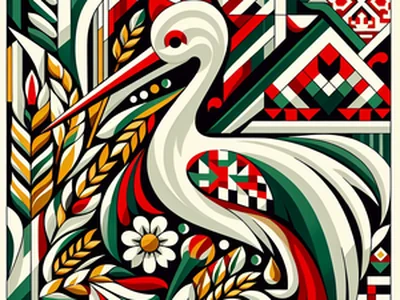
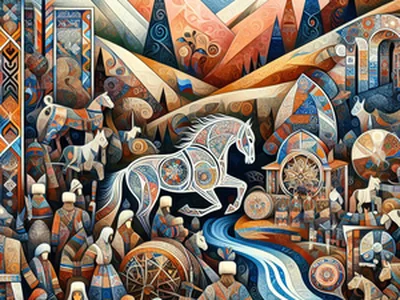
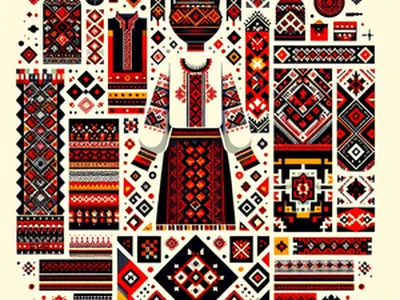
Traditional Ukrainian art forms include folk music, dance, and handicrafts, often featuring intricate patterns and symbolism.
Cultural Symbols Motifs
Common cultural symbols in Ukraine include the trident (tryzub), which represents power and unity.
What Brings Joy
Ukrainians often find joy in traditional celebrations like Easter and Christmas, as well as in community gatherings and folk festivals.
Celebrations Joyful Traditions
Some notable Ukrainian celebrations include the Ivan Kupala Day (St. John's Eve) and the Ukrainian Independence Day.
Cultural Calendar And Holidays
Ukraine has a rich cultural calendar, with many traditional holidays and celebrations throughout the year.
Additional Notes
Traditional Ukrainian art often features folk motifs and symbolism, reflecting the country's rich cultural heritage.
Economic Context And Occupations
The economy in Ukraine is primarily driven by agriculture, industry, and services, with a growing focus on IT and technology.
Housing And Living Arrangements
Housing options in Ukraine vary from urban apartments to rural villages, with many communities lacking access to basic amenities.
Nutrition And Dietary Norms
Traditional Ukrainian cuisine emphasizes hearty meat dishes, bread, and vegetables, often served at family gatherings and celebrations.
Interpretation Needs
Interpretation services may be necessary for Ukrainians who speak minority languages or dialects.
Interpreter Notes
Interpreter training programs are available in Ukraine to support language access needs.
Documentation Traditions
Documentation traditions in Ukraine often involve handwritten records and oral storytelling, reflecting the country's rich cultural heritage.
Interactions With Other Cultures
Ukraine has a long history of interactions with neighboring cultures, including the Polish, Belarusian, and Russian.
Conflict Resolution Mechanisms
Traditional Ukrainian conflict resolution mechanisms often involve mediation and community-based dispute resolution.
Cultural Exchange Programs
Cultural exchange programs between Ukraine and other countries are increasing, promoting cross-cultural understanding and cooperation.
Trade Relations
Ukraine has trade agreements with several countries, including the European Union and Russia.
Shared Artistic Projects
Ukrainian artists often collaborate with international partners on joint artistic projects.
Intercultural Marriages
Intercultural marriages between Ukrainians and people from other cultures are becoming more common.
Shared Educational Initiatives
Ukraine participates in several international educational initiatives, promoting cultural exchange and cooperation.
Youth Perspectives
Young Ukrainians often express a desire for greater autonomy and self-expression, while also valuing traditional Ukrainian culture.
Education Initiatives
Education initiatives in Ukraine focus on promoting critical thinking, creativity, and cultural awareness.
Future Challenges
Ukraine faces several challenges in the future, including economic development, environmental sustainability, and social cohesion.
Youth Employment Trends
Youth employment trends in Ukraine are shifting towards service-oriented industries and entrepreneurship.
Future Visions
Young Ukrainians often envision a more prosperous, democratic, and culturally rich society for their country.
Youth Leadership Roles
Youth leadership roles in Ukraine are increasingly important, with young people taking on greater responsibilities in community development and social activism.
Innovation And Startups
Innovation and startup culture is growing in Ukraine, with a focus on technology, entrepreneurship, and creative industries.
Festivals And Celebrations
Traditional Ukrainian festivals include the Ivan Kupala Day (St. John's Eve) and the Ukrainian Independence Day.
Traditional Medicine Practices
Traditional Ukrainian medicine often involves herbal remedies, folk practices, and spiritual healing.
Environmental Practices
Ukrainian environmental practices emphasize sustainability, conservation, and community-based initiatives.
Rituals
Rituals in Ukraine often involve traditional ceremonies, prayers, and offerings to ancestors and spirits.
Rites Of Passage
Traditional Ukrainian rites of passage include initiation rituals for young adults and funerary rites for the deceased.
Culinary Traditions
Ukrainian cuisine emphasizes hearty meat dishes, bread, and vegetables, often served at family gatherings and celebrations.
Climate Adaptation Strategies
Climate adaptation strategies in Ukraine focus on sustainable agriculture, renewable energy, and community-based initiatives.
Biodiversity Conservation
Biodiversity conservation efforts in Ukraine prioritize the protection of natural habitats, wildlife, and ecosystems.
Sustainable Tourism Practices
Sustainable tourism practices in Ukraine promote eco-friendly travel, cultural exchange, and community development.
Renewable Energy Use
Renewable energy use is increasing in Ukraine, with a focus on solar, wind, and hydroelectric power.
Community Involvement In Practices
Community involvement in environmental practices is strong in Ukraine, with many initiatives led by local communities and organizations.
Environmental Education Programs
Environmental education programs in Ukraine promote awareness, conservation, and sustainability among students and community members.
Notable Figures
Notable Ukrainians include writers like Taras Shevchenko and Ivan Franko, as well as artists like Mykhailo Hrushevsky.
Cultural Innovations
Ukrainian cultural innovations include the development of Ukrainian language and literature, as well as traditional folk music and dance.
Literary Works
Notable literary works from Ukraine include Shevchenko's 'Kobzar' and Franko's 'Zapovit'.
Architectural Styles
Traditional Ukrainian architecture features wooden churches, fortresses, and folk houses, often decorated with intricate carvings and patterns.
Scientific Contributions
Ukrainian scientists have made significant contributions to fields like mathematics, physics, and chemistry.
Culinary Innovations
Ukrainian cuisine has influenced international culinary traditions, particularly in Eastern European and Slavic cultures.
Global Influence
Ukraine's cultural influence extends beyond its borders, with many countries adopting Ukrainian customs, traditions, and artistic practices.
Awards And Recognition
Ukrainians have received numerous awards for their contributions to culture, science, and the arts.
Modern Influences
Modern influences on Ukrainian culture include globalization, urbanization, and technological advancements.
Digital Presence
Ukraine has a growing digital presence, with many online platforms promoting cultural exchange, education, and community development.
Globalization Effects
Globalization has had both positive and negative effects on Ukrainian culture, leading to increased economic opportunities but also cultural homogenization.
Urbanization Effects
Urbanization has led to changes in Ukrainian culture, including increased migration to cities and the growth of urban industries.
Technology Adoption
Technology adoption in Ukraine is growing, with many initiatives focused on digital literacy, innovation, and entrepreneurship.
Hybrid Cultural Forms
Hybrid cultural forms in Ukraine often combine traditional practices with modern influences, resulting in innovative artistic expressions.
Social Media Presence
Ukrainians are increasingly active on social media platforms, using them to promote cultural exchange, education, and community development.
Challenges
Ukraine faces several cultural challenges, including the preservation of traditional practices, the promotion of cultural diversity, and the adaptation to globalization.
Preservation Efforts
Efforts to preserve Ukrainian culture include initiatives focused on language documentation, cultural heritage conservation, and community-based development.
Cultural Artwork
Community Discussion
Further Reading
Explore credible external sources to deepen your understanding of Ukrainian culture.