
Tulu
Tulu Nadu, India TuluKannadaKonkani
The Tulu culture is indigenous to the Tulu Nadu region of India, primarily in the coastal districts of Karnataka and northern Kerala. It is known for its rich traditions, language, and vibrant festivals.
Historical Context
Tulu Nadu has a rich history dating back to ancient times, with references in the Puranas and inscriptions from the Alupa dynasty. The region has been influenced by various dynasties, including the Vijayanagara Empire and the Portuguese.
Migration Patterns
Historically, Tulu people have migrated to other parts of India and abroad, particularly to the Gulf countries, for economic opportunities.
Conflict And Resilience History
The region has faced conflicts during colonial times and has shown resilience through its strong community bonds and cultural practices.
Diaspora Perspectives
The Tulu diaspora maintains strong connections with their homeland through cultural associations and festivals celebrated abroad.
Regional Variations
There are slight variations in dialect and customs between the northern and southern parts of Tulu Nadu.
Bridging Notes
Tulu culture acts as a bridge between the cultures of Karnataka and Kerala, sharing elements from both.
Spiritual And Religious Practices
Tulu culture is rich in spiritual practices, including the worship of spirits known as 'Bhootas'. Temples and annual festivals play a significant role in community life.
Beliefs And Worldview
The Tulu people have a worldview that emphasizes harmony with nature and respect for ancestral traditions.
Cultural Proverbs Sayings
Proverbs in Tulu often reflect wisdom related to agriculture, community living, and respect for elders.
Naming Conventions And Terms Of Address
Naming conventions often include ancestral names, and terms of address are respectful, reflecting social hierarchy and familial relationships.
Health And Mental Health
Traditional health practices coexist with modern medicine, with a focus on natural remedies and Ayurveda.
Mental Health Views
Mental health is often approached through community support and traditional healing practices.
Traditional Healers
Traditional healers, known as 'Vaidyas', play a role in providing herbal remedies and spiritual healing.
Gender Roles In Healthcare
Women often play a central role in family health care, while men may handle interactions with external healthcare providers.
Healthcare Barriers
Access to healthcare can be limited in rural areas, with language barriers sometimes affecting communication with non-Tulu speaking providers.
Education And Learning Styles
Education is highly valued, with a focus on both traditional knowledge and modern education systems.
Learning Styles
Learning often involves oral traditions, storytelling, and practical experiences, alongside formal education.
Parental Engagement
Parents are actively involved in their children's education, often encouraging higher studies and professional careers.
Family And Social Structure
The Tulu community is organized around extended families, with strong kinship ties and a patriarchal structure.
Discipline And Behavior
Discipline is maintained through community norms and respect for elders, with a focus on collective well-being.
Authority Attitudes
Respect for authority figures, such as community leaders and elders, is deeply ingrained.
Etiquette And Customs
Customs include respectful greetings, hospitality, and participation in community events and rituals.
Community Strengths Resilience
The community's resilience is rooted in its strong social networks, cultural traditions, and adaptability to change.
Art Music And Expression
Tulu culture is rich in artistic expressions, including Yakshagana, folk music, and traditional crafts.
Cultural Symbols Motifs
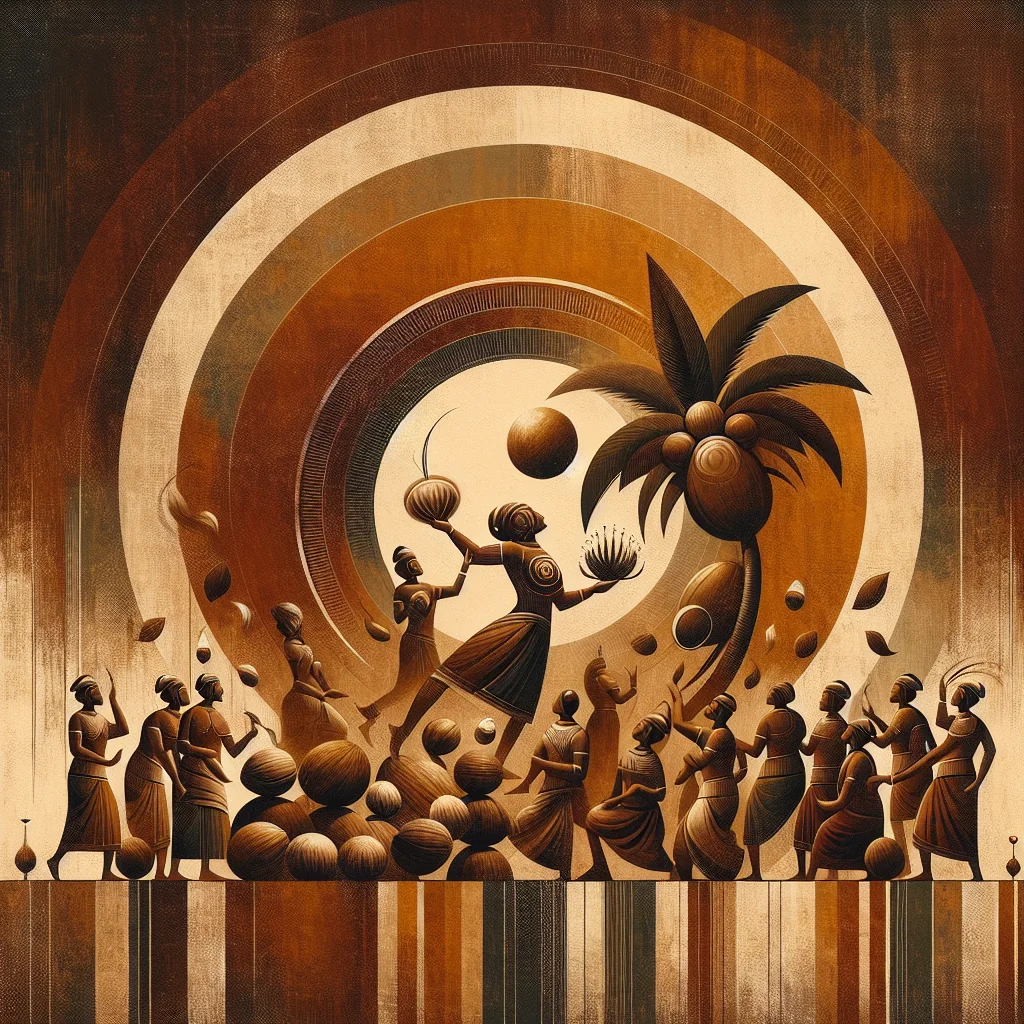
Symbols such as the areca nut and coconut are significant in rituals and art.
What Brings Joy
Community gatherings, festivals, and traditional performances bring joy and strengthen social bonds.
Celebrations Joyful Traditions
Festivals like Kambala (buffalo race) and Bhoota Kola are celebrated with enthusiasm and community participation.
Cultural Calendar And Holidays
The cultural calendar includes various religious and agricultural festivals, marking important seasonal and spiritual events.
Additional Notes
Tulu culture places a strong emphasis on oral traditions and storytelling, preserving history and values through generations.
Economic Context And Occupations
The economy is primarily based on agriculture, fishing, and small-scale industries, with increasing diversification into services and technology.
Housing And Living Arrangements
Traditional homes are often joint family setups, with modern nuclear families becoming more common in urban areas.
Nutrition And Dietary Norms
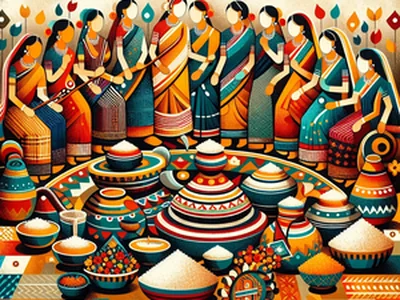
The diet is predominantly rice-based, with a variety of seafood and coconut-infused dishes reflecting the coastal geography.
Interpretation Needs
Interpretation services may be needed for Tulu speakers in regions where Tulu is not widely spoken.
Interpreter Notes
Interpreters should be aware of cultural nuances and the importance of respectful communication.
Documentation Traditions
Documentation is traditionally oral, with increasing efforts to preserve language and culture through written records and digital media.
Interactions With Other Cultures
Tulu culture interacts with neighboring Kannada and Konkani cultures, sharing and exchanging cultural practices.
Conflict Resolution Mechanisms
Conflicts are often resolved through community mediation and the involvement of elders.
Cultural Exchange Programs
Cultural exchange programs with other South Indian cultures help promote mutual understanding and appreciation.
Trade Relations
Historically, Tulu Nadu engaged in trade with other coastal regions, exchanging goods like spices and textiles.
Shared Artistic Projects
Collaborations in art and performance, such as joint Yakshagana performances, are common.
Intercultural Marriages
Intercultural marriages occur, often strengthening ties with neighboring communities.
Shared Educational Initiatives
Educational initiatives often involve collaboration with institutions in Karnataka and Kerala.
Youth Perspectives
Tulu youth are increasingly global in outlook, balancing traditional values with modern aspirations.
Education Initiatives
There are initiatives to promote higher education and skill development among Tulu youth.
Future Challenges
Challenges include preserving language and culture amidst globalization and urbanization.
Youth Employment Trends
Employment trends show a shift towards technology and service sectors, with many seeking opportunities abroad.
Future Visions
The future vision includes sustainable development, cultural preservation, and economic growth.
Youth Leadership Roles
Youth are taking on leadership roles in cultural organizations and community development projects.
Innovation And Startups
There is a growing interest in startups and innovation, particularly in technology and agriculture.
Festivals And Celebrations
Festivals are integral, with events like Kambala and Bhoota Kola reflecting agricultural cycles and spiritual beliefs.
Traditional Medicine Practices
Traditional medicine, including Ayurveda and herbal remedies, is widely practiced.
Environmental Practices
Environmental practices include sustainable agriculture and conservation of local biodiversity.
Rituals
Rituals often involve offerings to deities and spirits, seeking blessings for prosperity and health.
Rites Of Passage
Rites of passage, such as weddings and naming ceremonies, are celebrated with elaborate rituals and community involvement.
Culinary Traditions
Culinary traditions feature rice, coconut, and seafood, with unique dishes like neer dosa and kori rotti.
Climate Adaptation Strategies
Adaptation strategies include traditional knowledge of weather patterns and sustainable farming practices.
Biodiversity Conservation
Efforts are made to conserve local flora and fauna, recognizing their cultural and ecological importance.
Sustainable Tourism Practices
Sustainable tourism is promoted, highlighting cultural heritage and natural beauty.
Renewable Energy Use
There is a growing interest in renewable energy, particularly solar and wind, to meet energy needs sustainably.
Community Involvement In Practices
Community involvement is crucial in environmental and cultural preservation efforts.
Environmental Education Programs
Programs are in place to educate the community about environmental conservation and sustainable practices.
Notable Figures
Notable figures include poets, artists, and leaders who have contributed to Tulu literature and culture.
Cultural Innovations
Innovations include unique art forms like Yakshagana and traditional crafts.
Literary Works
Tulu literature includes a rich collection of folk tales, poetry, and modern writings.
Architectural Styles
Traditional architecture features sloping roofs and intricate woodwork, adapted to the coastal climate.
Scientific Contributions
Contributions in agriculture and traditional medicine reflect the community's knowledge and innovation.
Culinary Innovations
Culinary innovations include unique dishes that blend traditional ingredients with modern tastes.
Global Influence
Tulu culture has influenced neighboring regions and the diaspora, contributing to a diverse cultural tapestry.
Awards And Recognition
Tulu artists and writers have received recognition for their contributions to Indian culture and arts.
Modern Influences
Modern influences include technology, global media, and urban lifestyles, impacting traditional practices.
Digital Presence
There is a growing digital presence, with Tulu content available online and through social media.
Globalization Effects
Globalization has brought both opportunities and challenges, affecting cultural preservation and economic practices.
Urbanization Effects
Urbanization has led to changes in living arrangements and social structures, with a shift towards nuclear families.
Technology Adoption
Technology adoption is widespread, with increasing use of digital tools in education and communication.
Hybrid Cultural Forms
Hybrid cultural forms are emerging, blending traditional and contemporary elements in art and lifestyle.
Social Media Presence
Social media is used to connect with the diaspora and promote Tulu culture globally.
Challenges
Challenges include language preservation, cultural homogenization, and environmental sustainability.
Preservation Efforts
Efforts are underway to document and promote Tulu language and culture through educational programs and cultural festivals.
Cultural Artwork
Community Discussion
Further Reading
Explore credible external sources to deepen your understanding of Tulu culture.