

Trinidad And Tobago
Caribbean EnglishTrinidadian Creole EnglishTobagonian Creole English
Trinidad and Tobago is a vibrant Caribbean nation known for its diverse cultural heritage, influenced by African, Indian, European, Chinese, and Middle Eastern cultures.
Historical Context
Trinidad and Tobago has a complex history of colonization by the Spanish, French, and British, with significant African and Indian influences due to the transatlantic slave trade and indentured labor.
Migration Patterns
The islands have seen waves of migration from Africa, India, China, and the Middle East, contributing to its multicultural society.
Conflict And Resilience History
The nation has a history of overcoming colonial oppression and social unrest, leading to a strong sense of national identity and resilience.
Diaspora Perspectives
The Trinidadian and Tobagonian diaspora is widespread, particularly in the United States, Canada, and the United Kingdom, maintaining strong cultural ties to the islands.
Regional Variations
Trinidad is more urban and industrialized, while Tobago retains a more rural and traditional lifestyle.
Bridging Notes
Efforts to bridge cultural differences focus on celebrating diversity and promoting unity through national festivals and public policies.
Spiritual And Religious Practices
The islands are religiously diverse, with Christianity, Hinduism, and Islam being the major religions. Spiritual practices often blend African, Indian, and indigenous elements.
Beliefs And Worldview
Trinidadians and Tobagonians value community, family, and cultural heritage, with a worldview that embraces diversity and inclusivity.
Cultural Proverbs Sayings
Common sayings reflect the islands' multicultural heritage, emphasizing resilience, community, and the importance of enjoying life.
Naming Conventions And Terms Of Address
Naming conventions vary, with influences from African, Indian, and European traditions. Respectful terms of address are important in social interactions.
Health And Mental Health
Healthcare is a mix of public and private services, with traditional medicine playing a role in some communities.
Mental Health Views
Mental health awareness is growing, but stigma still exists. Community support is often sought before professional help.
Traditional Healers
Traditional healers, known as 'bush doctors,' use herbal remedies and spiritual practices, particularly in rural areas.
Gender Roles In Healthcare
Women often take on caregiving roles, but gender roles in healthcare are evolving with increased female participation in the medical field.
Healthcare Barriers
Barriers include access to services in rural areas, financial constraints, and cultural beliefs about illness and treatment.
Education And Learning Styles
Education is highly valued, with a system based on the British model. Emphasis is placed on academic achievement and extracurricular activities.
Learning Styles
Learning styles are diverse, with a focus on both rote learning and critical thinking, influenced by cultural and familial expectations.
Parental Engagement
Parents are actively involved in their children's education, often participating in school activities and supporting academic pursuits.
Family And Social Structure
Family is central to social life, with extended families often living close together and providing mutual support.
Discipline And Behavior
Discipline is typically strict, with respect for elders and authority figures emphasized.
Authority Attitudes
Respect for authority is ingrained, but there is also a strong tradition of questioning and challenging unjust systems.
Etiquette And Customs
Etiquette is important, with customs reflecting a blend of African, Indian, and European influences. Hospitality and politeness are highly valued.
Community Strengths Resilience
Communities are resilient, with strong networks of support and a tradition of coming together in times of need.
Art Music And Expression
The islands are renowned for their vibrant music scene, including calypso, soca, and steelpan music, as well as a rich tradition of visual and performing arts.
Cultural Symbols Motifs
Symbols like the steelpan and the hummingbird are iconic, representing the islands' cultural identity and natural beauty.
What Brings Joy
Music, dance, food, and festivals bring joy, with Carnival being the pinnacle of cultural expression and celebration.
Celebrations Joyful Traditions
Carnival is the most famous celebration, featuring elaborate costumes, music, and parades. Other festivals include Divali and Eid.
Cultural Calendar And Holidays
The cultural calendar includes religious and national holidays, with events celebrating the islands' diverse heritage.
Additional Notes
The creative arts are a vital part of life, with many Trinidadians and Tobagonians participating in or supporting artistic endeavors.
Economic Context And Occupations
The economy is diverse, with energy, manufacturing, and tourism as key sectors. There is also a strong tradition of entrepreneurship.
Housing And Living Arrangements
Housing varies from urban apartments to rural homes, with extended families often living together or nearby.
Nutrition And Dietary Norms
The diet is diverse, reflecting the multicultural population, with staples like rice, beans, and a variety of meats and vegetables.
Interpretation Needs
While English is the official language, interpretation services may be needed for Creole speakers and non-English speaking immigrants.
Interpreter Notes
Interpreters should be aware of cultural nuances and the informal nature of Creole languages.
Documentation Traditions
Documentation is typically in English, but oral traditions remain important, especially in storytelling and cultural transmission.
Interactions With Other Cultures
Trinidad and Tobago has a history of cultural exchange, particularly with other Caribbean nations and former colonial powers.
Conflict Resolution Mechanisms
Community-based approaches and dialogue are often used to resolve conflicts, reflecting the islands' emphasis on harmony and cooperation.
Cultural Exchange Programs
There are numerous cultural exchange programs, particularly in music and the arts, fostering international collaboration.
Trade Relations
The nation has strong trade ties within the Caribbean and with global partners, particularly in the energy sector.
Shared Artistic Projects
Collaborative artistic projects are common, especially in music and dance, highlighting the islands' creative spirit.
Intercultural Marriages
Intercultural marriages are common, reflecting the islands' diverse population and acceptance of different cultural backgrounds.
Shared Educational Initiatives
Educational initiatives often focus on regional collaboration, with exchanges and partnerships enhancing learning opportunities.
Youth Perspectives
Youth in Trinidad and Tobago are increasingly focused on education, technology, and social change, balancing tradition with modernity.
Education Initiatives
There are numerous initiatives aimed at improving educational access and quality, particularly in STEM fields.
Future Challenges
Challenges include economic diversification, climate change, and maintaining cultural identity in a globalized world.
Youth Employment Trends
Youth employment is concentrated in emerging sectors like technology and creative industries, with entrepreneurship on the rise.
Future Visions
The future vision includes sustainable development, cultural preservation, and increased global engagement.
Youth Leadership Roles
Youth are taking on leadership roles in social movements, environmental advocacy, and cultural preservation.
Innovation And Startups
Innovation is encouraged, with a growing startup ecosystem supported by government and private sector initiatives.
Festivals And Celebrations
Festivals like Carnival, Divali, and Eid are central to cultural life, showcasing the islands' diversity and creativity.
Traditional Medicine Practices
Traditional medicine, including herbal remedies and spiritual healing, is practiced alongside modern healthcare.
Environmental Practices
Environmental conservation is gaining importance, with initiatives focused on protecting biodiversity and promoting sustainability.
Rituals
Rituals often blend religious and cultural elements, reflecting the islands' syncretic traditions.
Rites Of Passage
Rites of passage, such as weddings and coming-of-age ceremonies, are celebrated with cultural and religious significance.
Culinary Traditions
Culinary traditions are diverse, with influences from African, Indian, and European cuisines, featuring dishes like roti, doubles, and pelau.
Climate Adaptation Strategies
Strategies include coastal protection, sustainable agriculture, and community-based adaptation projects.
Biodiversity Conservation
Efforts focus on protecting unique ecosystems and species, with community involvement in conservation projects.
Sustainable Tourism Practices
Sustainable tourism is promoted, balancing economic benefits with environmental protection.
Renewable Energy Use
There is a growing emphasis on renewable energy, particularly solar and wind, to reduce reliance on fossil fuels.
Community Involvement In Practices
Communities are actively involved in environmental and cultural preservation efforts, emphasizing local knowledge and participation.
Environmental Education Programs
Programs aim to raise awareness about environmental issues and promote sustainable practices among youth and adults.
Notable Figures
Notable figures include Nobel Prize-winning author V.S. Naipaul, calypso icon Lord Kitchener, and cricket legend Brian Lara.
Cultural Innovations
Innovations include the development of the steelpan, the only acoustic musical instrument invented in the 20th century.
Literary Works
Trinidad and Tobago has a rich literary tradition, with works exploring themes of identity, colonialism, and cultural diversity.
Architectural Styles
Architecture reflects colonial influences, with a blend of Victorian, Georgian, and Caribbean styles.
Scientific Contributions
Contributions include advances in tropical medicine and environmental science, with a focus on local challenges.
Culinary Innovations
Culinary innovations include fusion dishes that blend African, Indian, and European flavors, creating unique and popular foods.
Global Influence
The islands' cultural influence extends globally, particularly in music, literature, and sports.
Awards And Recognition
Trinidad and Tobago has received international recognition for its cultural and artistic achievements, including awards in music and literature.
Modern Influences
Modern influences include globalization, digital media, and increased connectivity, impacting cultural expression and lifestyle.
Digital Presence
The digital presence is strong, with widespread use of social media and online platforms for cultural promotion and communication.
Globalization Effects
Globalization has brought both opportunities and challenges, influencing cultural identity and economic development.
Urbanization Effects
Urbanization has led to changes in lifestyle and social dynamics, with increased focus on infrastructure and housing.
Technology Adoption
Technology adoption is high, with a focus on improving education, business, and communication.
Hybrid Cultural Forms
Hybrid cultural forms are emerging, blending traditional and modern elements in music, art, and fashion.
Social Media Presence
Social media is widely used for cultural expression, activism, and community building, connecting the diaspora and local communities.
Challenges
Challenges include preserving cultural heritage in the face of modernization, addressing social inequalities, and managing environmental threats.
Preservation Efforts
Preservation efforts focus on documenting cultural practices, supporting traditional arts, and promoting cultural education.
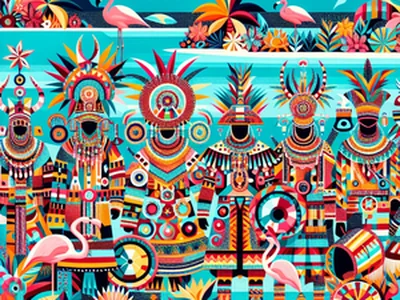
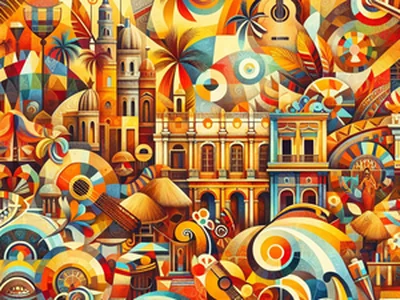
Cultural Artwork
Community Discussion
Further Reading
Explore credible external sources to deepen your understanding of Trinidad And Tobago culture.