
Native Hawaiian Diaspora
Primarily in the United States, with significant populations in California, Nevada, and Utah, as well as smaller communities in other countries. EnglishHawaiian
The native-Hawaiian-diaspora culture encompasses the traditions, beliefs, and practices of Native Hawaiians living outside the Hawaiian Islands, maintaining cultural connections while adapting to new environments.
Historical Context
The Native Hawaiian diaspora began in the 19th century, driven by economic opportunities, educational pursuits, and military service. Over time, communities formed in various parts of the United States and beyond.
Migration Patterns
Significant migration waves occurred during the plantation era, post-World War II, and in recent decades due to economic factors and educational opportunities.
Conflict And Resilience History
Diaspora communities have faced challenges such as cultural assimilation pressures and discrimination, but have shown resilience through cultural preservation efforts.
Diaspora Perspectives
Members of the diaspora often express a strong desire to maintain cultural ties and identity, balancing integration with cultural preservation.
Regional Variations
Cultural practices may vary based on the region, influenced by local cultures and the size of the Hawaiian community.
Bridging Notes
Efforts to connect with the homeland include cultural exchanges, visits, and participation in Hawaiian cultural events.
Spiritual And Religious Practices
Many in the diaspora maintain traditional Hawaiian spiritual practices, often integrating them with Christianity or other religions.
Beliefs And Worldview
The concept of 'Aloha' and respect for nature and community are central values, influencing interactions and community life.
Cultural Proverbs Sayings
Proverbs such as 'Aloha kekahi i kekahi' (Love one another) are commonly shared to reinforce community bonds.
Naming Conventions And Terms Of Address
Traditional Hawaiian names are often used, and terms of respect such as 'Auntie' and 'Uncle' are common in addressing elders.
Health And Mental Health
Health practices often blend traditional Hawaiian healing methods with Western medicine, emphasizing holistic well-being.
Mental Health Views
Mental health is viewed through a community and familial lens, with a focus on balance and harmony.
Traditional Healers
Kahuna (traditional healers) may be consulted for spiritual and physical ailments, alongside modern healthcare providers.
Gender Roles In Healthcare
Women often play key roles in family health decisions, though gender roles can vary.
Healthcare Barriers
Barriers include access to culturally competent care and economic challenges.
Education And Learning Styles
Education is highly valued, with a focus on both academic achievement and cultural education.
Learning Styles
Learning often incorporates storytelling, hands-on activities, and community involvement.
Parental Engagement
Parents are actively involved in their children's education, often emphasizing the importance of cultural knowledge.
Family And Social Structure
Family is central, often extending beyond the nuclear family to include a wide network of relatives and community members.
Discipline And Behavior
Discipline is often community-based, with an emphasis on teaching and guiding rather than punishment.
Authority Attitudes
Respect for elders and community leaders is a key aspect of social interactions.
Etiquette And Customs
Customs such as sharing food and hospitality are important, reflecting the value of 'Aloha'.
Community Strengths Resilience
Strong community networks provide support and resilience in the face of challenges.
Art Music And Expression
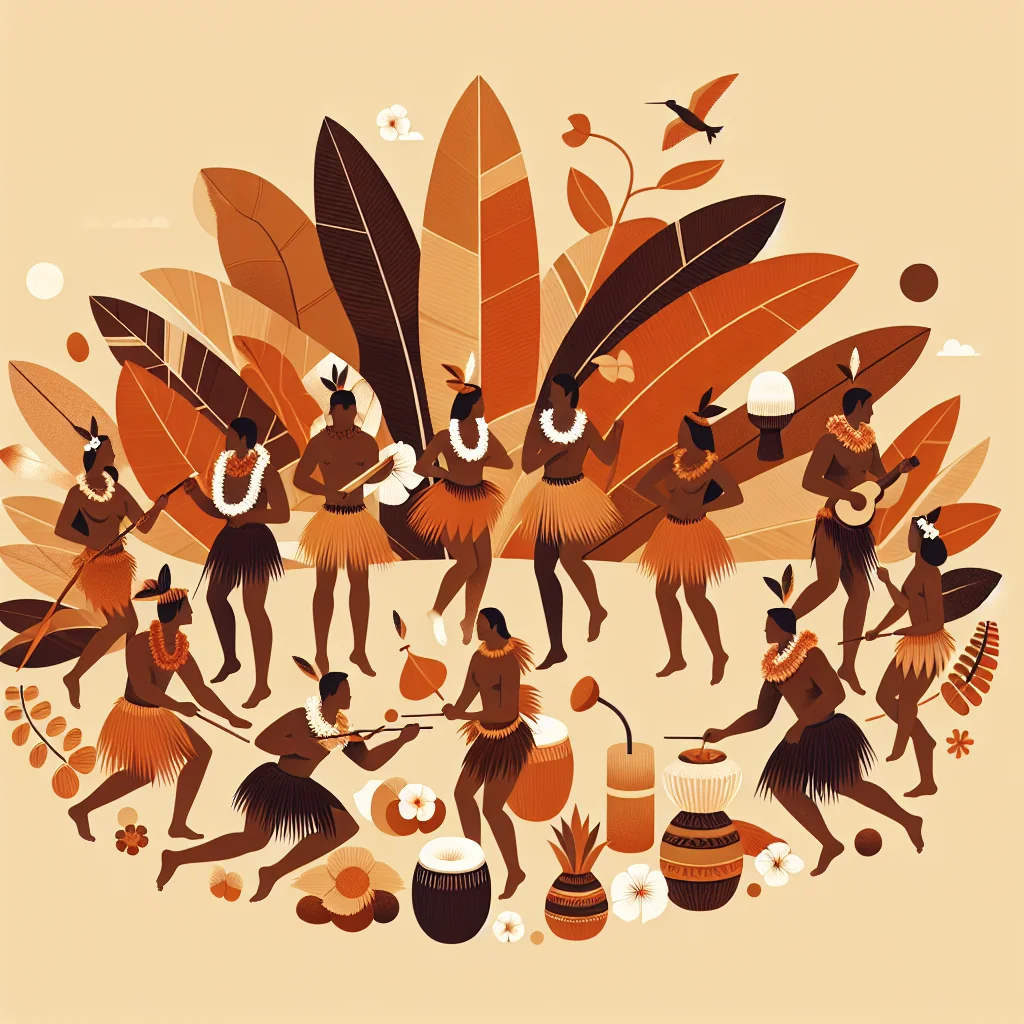
Artistic expression includes traditional hula, music, and crafts, often adapted to new cultural contexts.
Cultural Symbols Motifs
Symbols such as the lei and taro plant hold cultural significance and are used in various forms of expression.
What Brings Joy
Community gatherings, music, dance, and storytelling are sources of joy and cultural connection.
Celebrations Joyful Traditions
Events like 'Aloha Festivals' and 'Hula Competitions' are celebrated to maintain cultural ties.
Cultural Calendar And Holidays
Key holidays include King Kamehameha Day and Hawaiian Independence Day, celebrated with cultural events.
Additional Notes
Diaspora communities often create new traditions that blend Hawaiian and local customs.
Economic Context And Occupations
Economic opportunities vary, with many working in education, healthcare, and service industries.
Housing And Living Arrangements
Housing can range from multigenerational homes to individual households, often influenced by economic factors.
Nutrition And Dietary Norms
Dietary practices blend traditional Hawaiian foods with local cuisines, emphasizing fresh and natural ingredients.
Interpretation Needs
While English is commonly spoken, there is a growing interest in learning and preserving the Hawaiian language.
Interpreter Notes
Cultural sensitivity is important when providing interpretation services, especially in healthcare settings.
Documentation Traditions
Oral traditions are strong, with storytelling and chants used to pass down knowledge and history.
Interactions With Other Cultures
Diaspora communities often engage with diverse cultures, fostering mutual understanding and exchange.
Conflict Resolution Mechanisms
Conflict resolution often involves community elders and emphasizes reconciliation and harmony.
Cultural Exchange Programs
Programs exist to promote cultural exchange between the diaspora and other communities, including those in Hawaii.
Trade Relations
Trade is not a primary focus, but cultural products such as crafts and music are shared.
Shared Artistic Projects
Collaborations in art and music are common, reflecting a blend of Hawaiian and local influences.
Intercultural Marriages
Intercultural marriages are common, leading to blended cultural practices and traditions.
Shared Educational Initiatives
Educational programs often include cultural components, promoting understanding and respect for Hawaiian culture.
Youth Perspectives
Youth in the diaspora often navigate dual identities, balancing cultural heritage with contemporary influences.
Education Initiatives
Initiatives focus on cultural education and leadership development, preparing youth for future challenges.
Future Challenges
Challenges include cultural preservation, economic opportunities, and maintaining community ties.
Youth Employment Trends
Youth are increasingly pursuing careers in technology, education, and creative industries.
Future Visions
There is a strong vision for maintaining cultural identity while embracing modern opportunities.
Youth Leadership Roles
Youth are encouraged to take on leadership roles in cultural and community organizations.
Innovation And Startups
There is growing interest in entrepreneurship, with youth leading innovative projects and startups.
Festivals And Celebrations
Festivals celebrate Hawaiian culture through music, dance, and food, often involving the broader community.
Traditional Medicine Practices
Traditional practices include the use of native plants and holistic approaches to health.
Environmental Practices
Sustainability and respect for nature are emphasized, reflecting traditional Hawaiian values.
Rituals
Rituals such as 'Ho'oponopono' are practiced for conflict resolution and healing.
Rites Of Passage
Rites of passage, such as coming-of-age ceremonies, are celebrated to mark important life transitions.
Culinary Traditions
Culinary traditions include dishes like poi and laulau, often adapted to local ingredients.
Climate Adaptation Strategies
Communities are involved in climate adaptation efforts, drawing on traditional knowledge.
Biodiversity Conservation
Efforts are made to conserve native plants and animals, often in collaboration with environmental organizations.
Sustainable Tourism Practices
Tourism initiatives focus on cultural education and environmental sustainability.
Renewable Energy Use
There is interest in renewable energy, reflecting a commitment to environmental stewardship.
Community Involvement In Practices
Community involvement is key in environmental and cultural practices, ensuring collective responsibility.
Environmental Education Programs
Programs educate about the importance of environmental conservation and sustainable living.
Notable Figures
Notable figures include activists, artists, and leaders who have contributed to cultural preservation and advocacy.
Cultural Innovations
Innovations include the adaptation of traditional arts to modern forms, such as digital media.
Literary Works
Literature by diaspora authors often explores themes of identity, migration, and cultural heritage.
Architectural Styles
Architecture may blend Hawaiian motifs with local styles, reflecting cultural adaptation.
Scientific Contributions
Contributions in fields like marine biology and environmental science draw on traditional knowledge.
Culinary Innovations
Culinary innovations include fusion dishes that blend Hawaiian and local flavors.
Global Influence
The diaspora has a global influence through cultural exchanges, arts, and advocacy for indigenous rights.
Awards And Recognition
Members of the diaspora have received recognition for contributions to arts, culture, and community service.
Modern Influences
Modern influences include technology, global media, and multicultural interactions.
Digital Presence
A strong digital presence exists, with social media and online platforms used for cultural exchange.
Globalization Effects
Globalization has led to increased cultural exchange but also challenges in cultural preservation.
Urbanization Effects
Urbanization affects community structures, with efforts to maintain cultural practices in urban settings.
Technology Adoption
Technology is widely adopted, facilitating communication and cultural preservation.
Hybrid Cultural Forms
Hybrid forms of art and expression emerge, blending traditional and contemporary elements.
Social Media Presence
Social media is used to connect diaspora members, share cultural content, and organize events.
Challenges
Challenges include cultural assimilation, economic disparities, and maintaining cultural identity.
Preservation Efforts
Efforts focus on language revitalization, cultural education, and community engagement to preserve heritage.
Cultural Artwork
Community Discussion
Further Reading
Explore credible external sources to deepen your understanding of Native Hawaiian Diaspora culture.