
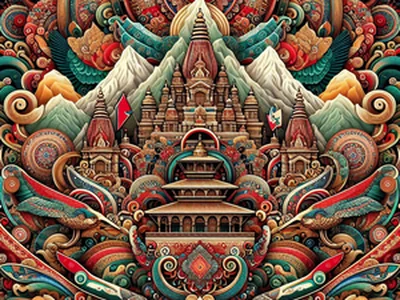
Nepalese
South Asia NepaliMaithiliBhojpuri
The Nepalese culture is a rich and diverse blend of indigenous, Hindu, Buddhist, and other influences.
Historical Context
Nepal has a long and complex history, with various empires and dynasties rising and falling over the centuries.
Migration Patterns
The country has been influenced by various migrations, including the Indo-Aryan migration from India and the Tibetan migration from Tibet.
Conflict And Resilience History
Nepal has experienced numerous conflicts throughout its history, but has also shown remarkable resilience in the face of adversity.
Diaspora Perspectives
The Nepalese diaspora is a significant aspect of the country's cultural heritage, with many Nepalis living and working abroad.
Regional Variations
Nepal has several regional variations, including the Himalayan region, the Terai region, and the Hill region.
Beliefs And Worldview
Nepalese people believe in a complex cosmology that includes multiple deities, spirits, and supernatural beings.
Cultural Proverbs Sayings
Some common Nepali proverbs include "Mitini miti" (friendship is the best gift) and "Kasto cha?" (how are you?).
Naming Conventions And Terms Of Address
In Nepal, people often use honorifics such as "ji" or "dai" to address older individuals or those in positions of authority.
Health And Mental Health
Mental health is a growing concern in Nepal, with many people struggling with anxiety and depression.
Mental Health Views
Traditional healers often play an important role in addressing mental health issues in rural areas.
Traditional Healers
Ayurvedic medicine and traditional herbal remedies are widely used in Nepal to treat various ailments.
Gender Roles In Healthcare
Women often take on a caregiving role, but men also participate in healthcare decisions.
Healthcare Barriers
Limited access to healthcare services, particularly in rural areas, is a significant challenge.
Education And Learning Styles
Nepalese education system emphasizes rote memorization and repetition over critical thinking and creativity.
Learning Styles
Children often learn through hands-on activities and storytelling.
Parental Engagement
Parents are highly involved in their children's education, particularly in rural areas.
Family And Social Structure
The extended family is a central unit of Nepalese society, with multiple generations living together.
Discipline And Behavior
Children are often disciplined through physical punishment or verbal reprimand.
Authority Attitudes
Respect for authority and tradition is deeply ingrained in Nepalese culture.
Etiquette And Customs
Nepalis place great emphasis on hospitality, respect, and politeness.
Community Strengths Resilience
Community cohesion and solidarity are essential to Nepalese resilience in the face of adversity.
Art Music And Expression
Traditional Nepali music and dance include instruments like the sarangi and the dholak.
Cultural Symbols Motifs
The conch shell, the lotus flower, and the snow leopard are all important cultural symbols in Nepal.
What Brings Joy
Nepalis find joy in simple pleasures like nature walks, family gatherings, and traditional festivals.
Celebrations Joyful Traditions
Dashain, Tihar, and Bisket Jatra are some of the most significant celebrations in Nepalese culture.
Cultural Calendar And Holidays
Nepal has a rich cultural calendar with numerous festivals and holidays throughout the year.
Economic Context And Occupations
Agriculture, tourism, and remittances are significant contributors to Nepal's economy.
Housing And Living Arrangements
Many Nepalis live in rural areas, with limited access to modern amenities like electricity and sanitation.
Nutrition And Dietary Norms
Rice, dal (lentils), and vegetables are staple foods in the Nepalese diet.
Interpretation Needs
Interpreters may be needed for communication between Nepali speakers and those who speak other languages.
Interpreter Notes
Interpreters should be aware of cultural nuances and idiomatic expressions specific to Nepal.
Documentation Traditions
Written documents, such as the Muluki Ain (Nepal's national code), are important in Nepalese culture.
Interactions With Other Cultures
Nepalis have interacted with various cultures throughout history, including the Tibetans, Indians, and British.
Conflict Resolution Mechanisms
Traditional mechanisms like mediation and arbitration are used to resolve conflicts in Nepal.
Cultural Exchange Programs
Cultural exchange programs between Nepal and other countries aim to promote mutual understanding and respect.
Trade Relations
Nepal has trade agreements with several countries, including India and China.
Shared Artistic Projects
Nepali artists collaborate with international artists on various projects, showcasing Nepalese culture globally.
Intercultural Marriages
Intermarriage between Nepalis and people from other cultures is becoming increasingly common.
Shared Educational Initiatives
International organizations like UNESCO support educational initiatives in Nepal to promote literacy and education.
Youth Perspectives
Young Nepalis are eager to contribute to their country's development, but face challenges like limited job opportunities.
Education Initiatives
Government programs aim to increase access to quality education for all Nepali children.
Future Challenges
Climate change, poverty, and inequality remain significant challenges for Nepal in the future.
Youth Employment Trends
Youth unemployment is a growing concern in Nepal, with many young people seeking employment abroad.
Future Visions
Nepalis envision a prosperous, inclusive, and sustainable future for their country.
Youth Leadership Roles
Young Nepalis are taking on leadership roles in various fields, including politics, business, and social activism.
Innovation And Startups
Nepal is witnessing an increase in innovation and entrepreneurship, with many startups emerging in the tech sector.
Festivals And Celebrations
Dashain, Tihar, and Bisket Jatra are significant festivals in Nepalese culture.
Traditional Medicine Practices
Ayurvedic medicine is widely practiced in Nepal to treat various ailments.
Environmental Practices
Nepalis have a deep connection with nature, but face challenges like deforestation and pollution.
Rituals
Various rituals are performed throughout the year to honor deities and ancestors.
Rites Of Passage
Important life events like birth, marriage, and death are marked by specific rituals and ceremonies.
Culinary Traditions
Nepali cuisine is known for its use of spices, herbs, and local ingredients.
Climate Adaptation Strategies
Nepalis have developed various strategies to adapt to climate change, including sustainable agriculture practices.
Biodiversity Conservation
Efforts are being made to conserve Nepal's rich biodiversity, including the establishment of national parks and wildlife reserves.
Sustainable Tourism Practices
Tourism is becoming increasingly important for Nepal's economy, with a focus on sustainable tourism practices.
Renewable Energy Use
Nepal aims to increase its use of renewable energy sources like solar and hydroelectric power.
Community Involvement In Practices
Community involvement is essential in maintaining cultural and environmental practices in Nepal.
Environmental Education Programs
Environmental education programs are being implemented in schools to promote awareness about conservation and sustainability.
Notable Figures
Nepalis have made significant contributions to various fields, including literature (e.g., Bhanubhakta Acharya), art (e.g., Thangka artist), and science (e.g., Dr. Govinda Bahadur Basnet).
Cultural Innovations
Nepal has a rich cultural heritage of innovations in music, dance, and theater.
Literary Works
Nepali literature includes works like 'Gorkhapatra' by Bhanubhakta Acharya and 'The Snow Leopard' by Peter Matthiessen.
Architectural Styles
Nepal's architecture reflects a blend of indigenous, Hindu, and Buddhist influences.
Scientific Contributions
Nepalis have made significant contributions to fields like medicine (e.g., Ayurveda), astronomy, and mathematics.
Culinary Innovations
Nepali cuisine has been influenced by various cultures, resulting in unique fusion dishes like momos and thukpa.
Global Influence
Nepalese culture has a significant global influence, with many Nepalis living and working abroad.
Awards And Recognition
Nepal has received international recognition for its cultural achievements, including UNESCO's designation of the Lumbini Sacred Garden as a World Heritage Site.
Modern Influences
Globalization and modernization have had a significant impact on Nepalese culture, with influences from Western and Asian cultures.
Digital Presence
Nepalis are increasingly using digital platforms to connect with each other and the world.
Globalization Effects
Globalization has brought both opportunities and challenges for Nepal, including increased economic growth but also cultural homogenization.
Urbanization Effects
Urbanization is transforming Nepalese society, with many people moving from rural areas to cities in search of better opportunities.
Technology Adoption
Nepalis are rapidly adopting new technologies like mobile phones and the internet.
Hybrid Cultural Forms
New cultural forms are emerging in Nepal, blending traditional and modern influences.
Social Media Presence
Social media platforms have become increasingly popular in Nepal, with many people using them to connect with others and share their experiences.
Challenges
Nepal faces numerous cultural challenges, including the erosion of traditional practices, cultural homogenization, and the impact of globalization.
Preservation Efforts
Efforts are being made to preserve Nepal's rich cultural heritage, including the establishment of museums, cultural centers, and conservation programs.
Cultural Artwork
Community Discussion
Further Reading
Explore credible external sources to deepen your understanding of Nepalese culture.