
Namibian
Southern Africa EnglishOshiwamboAfrikaansHerero
Namibian culture is a rich tapestry of traditions and influences from various ethnic groups, including the Ovambo, Herero, Himba, and San peoples, among others. It is characterized by a blend of indigenous customs and colonial influences.
Historical Context
Namibia's history is marked by the presence of indigenous groups, German colonization, and South African rule before gaining independence in 1990. The struggle for independence has significantly shaped its national identity.
Migration Patterns
Historically, various ethnic groups migrated into Namibia, including the Bantu-speaking Ovambo and Herero. Post-independence, there has been urban migration for economic opportunities.
Conflict And Resilience History
Namibia experienced significant conflict during the struggle for independence, particularly against South African rule. The country has shown resilience through reconciliation and nation-building efforts.
Diaspora Perspectives
The Namibian diaspora is relatively small but remains connected to the homeland through cultural events and remittances.
Regional Variations
Cultural practices vary significantly across regions, with the north being predominantly Ovambo, while the central and southern regions have more Herero and Nama influences.
Bridging Notes
Efforts to bridge cultural differences include national festivals and policies promoting multiculturalism.
Spiritual And Religious Practices
Christianity is the dominant religion, with a significant number of indigenous beliefs and practices still observed, especially among rural communities.
Beliefs And Worldview
Namibians value community, respect for elders, and harmony with nature. Traditional beliefs often emphasize the interconnectedness of life.
Cultural Proverbs Sayings
Proverbs play a significant role in conveying wisdom and cultural values, such as 'A tree is known by its fruit.'
Naming Conventions And Terms Of Address
Naming conventions often reflect ancestral lineage and cultural heritage, with respect shown through titles and honorifics.
Health And Mental Health
Traditional medicine coexists with modern healthcare systems. Mental health awareness is growing, though stigmas remain.
Mental Health Views
Mental health is often viewed through a traditional lens, with spiritual explanations for certain conditions.
Traditional Healers
Traditional healers, known as 'sangomas' or 'herbalists,' play a crucial role in community health, especially in rural areas.
Gender Roles In Healthcare
Women are primary caregivers, but there is increasing male involvement in healthcare decisions.
Healthcare Barriers
Barriers include geographic distance to facilities, cost, and cultural beliefs about illness.
Education And Learning Styles
Education is valued, with a focus on both formal schooling and traditional knowledge. Learning often involves storytelling and practical experiences.
Learning Styles
Interactive and communal learning styles are common, with emphasis on oral traditions.
Parental Engagement
Parents are actively involved in their children's education, often participating in school activities and decision-making.
Family And Social Structure
Extended families are common, with strong kinship ties and community support systems.
Discipline And Behavior
Discipline is often communal, with elders playing a significant role in guiding youth.
Authority Attitudes
Respect for authority is deeply ingrained, with elders and community leaders holding significant influence.
Etiquette And Customs
Greetings are important, often involving handshakes and inquiries about family well-being.
Community Strengths Resilience
Communities are resilient, with strong support networks and a tradition of mutual aid.
Art Music And Expression
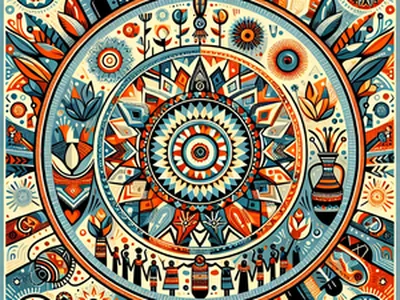
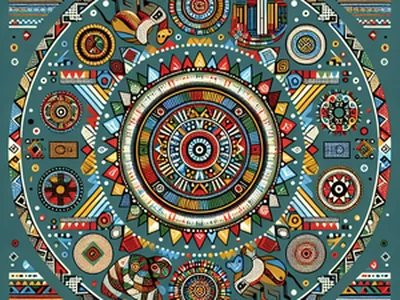
Namibian art includes rock paintings, crafts, and contemporary works. Music and dance are vital, with genres like kwaito and traditional drumming.
Cultural Symbols Motifs
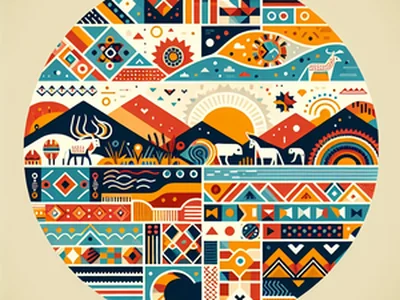
Symbols such as the oryx and welwitschia plant are significant, representing resilience and national pride.
What Brings Joy
Community gatherings, music, and storytelling are sources of joy and cultural expression.
Celebrations Joyful Traditions
Festivals like the Windhoek Carnival and traditional ceremonies celebrate cultural heritage and community spirit.
Cultural Calendar And Holidays
Important holidays include Independence Day, Heroes' Day, and various regional festivals.
Additional Notes
Namibian culture is a vibrant blend of tradition and modernity, with a strong emphasis on community and heritage.
Economic Context And Occupations
The economy is diverse, with agriculture, mining, and tourism as key sectors. Unemployment remains a challenge.
Housing And Living Arrangements
Housing varies from urban apartments to rural homesteads, often reflecting economic disparities.
Nutrition And Dietary Norms
Staple foods include millet, maize, and meat, with a growing emphasis on nutrition and food security.
Interpretation Needs
Multilingualism is common, with interpretation services needed in healthcare and legal settings.
Interpreter Notes
Interpreters often bridge cultural as well as linguistic gaps, requiring cultural sensitivity.
Documentation Traditions
Oral traditions are strong, with increasing documentation efforts for preservation.
Interactions With Other Cultures
Namibia has strong ties with neighboring countries and engages in cultural exchanges and regional cooperation.
Conflict Resolution Mechanisms
Traditional conflict resolution involves community elders and consensus-building.
Cultural Exchange Programs
Programs exist to promote cultural understanding and exchange, particularly with Germany and South Africa.
Trade Relations
Namibia engages in trade with regional and international partners, focusing on minerals and agricultural products.
Shared Artistic Projects
Collaborations in art and music are common, fostering regional and international connections.
Intercultural Marriages
Intercultural marriages are increasingly common, reflecting a blending of traditions.
Shared Educational Initiatives
Educational partnerships with other countries enhance learning opportunities and cultural exchange.
Youth Perspectives
Namibian youth are optimistic yet face challenges like unemployment and access to education.
Education Initiatives
Government and NGOs focus on improving education access and quality, particularly in rural areas.
Future Challenges
Challenges include economic inequality, climate change, and maintaining cultural heritage.
Youth Employment Trends
Youth employment is concentrated in service industries, with a push towards entrepreneurship.
Future Visions
There is a strong vision for a prosperous, inclusive Namibia with sustainable development.
Youth Leadership Roles
Youth are increasingly involved in leadership roles, advocating for change and innovation.
Innovation And Startups
The startup scene is growing, with youth driving innovation in technology and sustainable practices.
Festivals And Celebrations
Festivals celebrate cultural diversity, such as the Marula Festival and the Küska Carnival.
Traditional Medicine Practices
Herbal remedies and spiritual healing are integral to traditional medicine practices.
Environmental Practices
Conservation is vital, with community-based initiatives to protect wildlife and natural resources.
Rituals
Rituals mark life events such as births, marriages, and funerals, often involving community participation.
Rites Of Passage
Rites of passage, particularly for youth, are important cultural milestones.
Culinary Traditions
Cuisine includes traditional dishes like kapana (grilled meat) and oshifima (maize porridge).
Climate Adaptation Strategies
Strategies include sustainable agriculture and water conservation to combat climate change impacts.
Biodiversity Conservation
Efforts focus on protecting unique ecosystems and species, such as the Namib Desert and its wildlife.
Sustainable Tourism Practices
Eco-tourism is promoted to balance economic benefits with environmental protection.
Renewable Energy Use
There is a growing emphasis on solar and wind energy to reduce reliance on fossil fuels.
Community Involvement In Practices
Communities actively participate in environmental and cultural preservation efforts.
Environmental Education Programs
Programs aim to raise awareness about environmental issues and sustainable practices.
Notable Figures
Figures like Sam Nujoma and Toivo ya Toivo are celebrated for their roles in Namibia's independence.
Cultural Innovations
Innovations include blending traditional crafts with modern design, particularly in fashion and art.
Literary Works
Namibian literature often explores themes of identity and history, with authors like Neshani Andreas gaining recognition.
Architectural Styles
Architecture reflects colonial influences and traditional designs, with modern adaptations.
Scientific Contributions
Contributions in geology and environmental science are notable, given Namibia's rich natural resources.
Culinary Innovations
Culinary innovations include fusion cuisine that combines traditional and modern flavors.
Global Influence
Namibia's cultural influence is seen in its art, music, and commitment to conservation.
Awards And Recognition
Namibian artists and leaders have received international recognition for their contributions to culture and society.
Modern Influences
Globalization has brought new cultural influences, seen in urban lifestyles and media consumption.
Digital Presence
Digital media is increasingly used for cultural expression and communication, especially among youth.
Globalization Effects
While globalization offers opportunities, it also poses challenges to cultural preservation.
Urbanization Effects
Urbanization is changing social dynamics, with more people moving to cities for opportunities.
Technology Adoption
Technology is widely adopted, with mobile phones and internet access transforming communication.
Hybrid Cultural Forms
Hybrid cultural forms emerge as traditional and modern elements blend, particularly in music and fashion.
Social Media Presence
Social media platforms are popular for sharing cultural content and connecting with the diaspora.
Challenges
Challenges include cultural preservation amid modernization, economic disparities, and environmental threats.
Preservation Efforts
Efforts focus on documenting traditions, promoting indigenous languages, and supporting cultural institutions.
Cultural Artwork
Community Discussion
Further Reading
Explore credible external sources to deepen your understanding of Namibian culture.