

Jordanian
Middle East Arabic
The Jordanian culture is a rich tapestry of traditions, influenced by its historical roots and diverse population. It is characterized by a strong sense of hospitality, family values, and a blend of modern and traditional practices.
Historical Context
Jordan has a rich history influenced by various civilizations, including the Nabataeans, Romans, and Ottomans. It gained independence in 1946 and has since developed a unique national identity.
Migration Patterns
Jordan has experienced significant migration, particularly from Palestine, Iraq, and Syria, shaping its demographic and cultural landscape.
Conflict And Resilience History
The region has faced conflicts, including the Arab-Israeli wars and the Syrian crisis, but has shown resilience through strong community bonds and international support.
Diaspora Perspectives
The Jordanian diaspora maintains strong ties to their homeland, contributing to cultural exchange and economic support through remittances.
Regional Variations
Cultural practices can vary between urban and rural areas, with Bedouin traditions more prevalent in the south and urban influences stronger in cities like Amman.
Bridging Notes
Jordan serves as a cultural bridge in the Middle East, balancing traditional values with modern influences and fostering dialogue among diverse communities.
Spiritual And Religious Practices
Islam is the predominant religion, with daily prayers, fasting during Ramadan, and the celebration of Eid being central practices.
Beliefs And Worldview
Jordanians value family, hospitality, and respect for elders. There is a strong sense of community and a belief in helping those in need.
Cultural Proverbs Sayings
Common proverbs emphasize wisdom, patience, and the importance of family, such as 'Patience is the key to relief.'
Naming Conventions And Terms Of Address
Names often reflect Islamic heritage, with common use of titles like 'Abu' (father of) and 'Umm' (mother of) followed by the eldest son's name.
Health And Mental Health
Healthcare in Jordan is a mix of public and private services, with increasing awareness of mental health issues and efforts to reduce stigma.
Mental Health Views
Mental health is gaining recognition, though stigma remains. Efforts are underway to improve mental health services and public understanding.
Traditional Healers
Traditional medicine, including herbal remedies and spiritual healing, is still practiced, especially in rural areas.
Gender Roles In Healthcare
Healthcare access is generally equitable, but cultural norms may influence women's health decisions and access to services.
Healthcare Barriers
Barriers include economic constraints, geographic access in rural areas, and cultural stigma around mental health.
Education And Learning Styles
Education is highly valued, with a strong emphasis on academic achievement and rote learning. There is a growing focus on critical thinking and innovation.
Learning Styles
Traditional learning styles emphasize memorization and respect for authority, though modern approaches are being integrated.
Parental Engagement
Parents are highly involved in their children's education, often prioritizing academic success and supporting extracurricular activities.
Family And Social Structure
Family is the cornerstone of Jordanian society, with extended families often living close together and playing a significant role in social life.
Discipline And Behavior
Discipline is generally strict, with an emphasis on respect for elders and adherence to social norms.
Authority Attitudes
There is a strong respect for authority figures, including elders, teachers, and government officials.
Etiquette And Customs
Hospitality is a key custom, with guests often offered food and drink. Greetings are important, typically involving handshakes and inquiries about family.
Community Strengths Resilience
Communities are tight-knit, with strong support networks that provide resilience in times of hardship.
Art Music And Expression
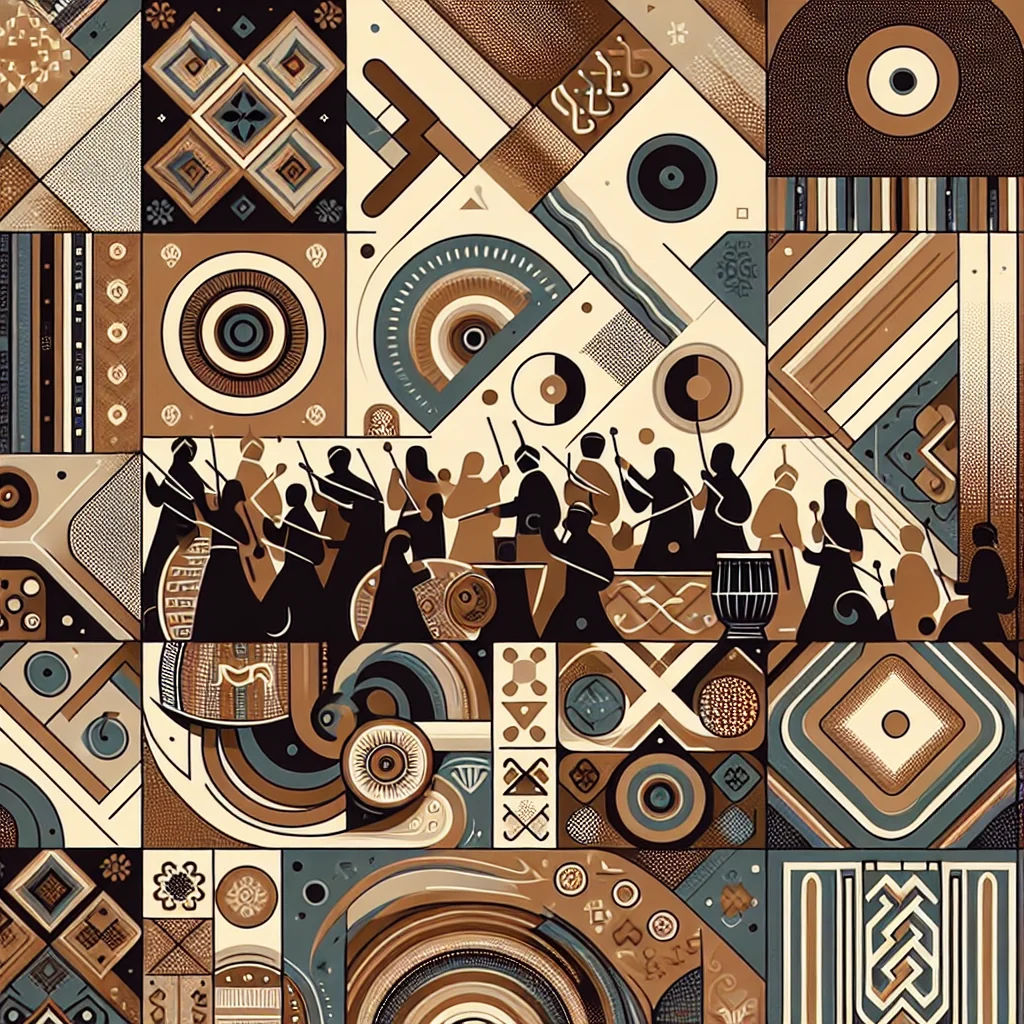
Jordanian art and music reflect a blend of traditional and contemporary influences, with popular forms including dabke dance and oud music.
Cultural Symbols Motifs
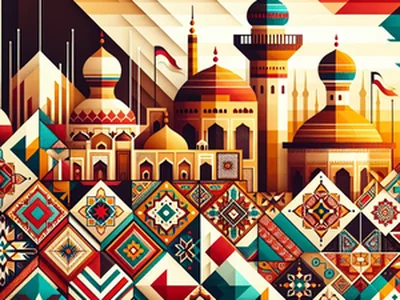
Common symbols include the keffiyeh (traditional headscarf) and motifs from Islamic art, such as geometric patterns.
What Brings Joy
Family gatherings, traditional music and dance, and celebrating cultural festivals bring joy to Jordanians.
Celebrations Joyful Traditions
Eid al-Fitr and Eid al-Adha are major celebrations, marked by communal prayers, feasting, and charity.
Cultural Calendar And Holidays
The cultural calendar includes Islamic holidays, Independence Day, and cultural festivals like Jerash Festival for Culture and Arts.
Additional Notes
Jordanian culture is characterized by a vibrant arts scene, with increasing support for contemporary artists and cultural initiatives.
Economic Context And Occupations
Jordan's economy is diverse, with key sectors including tourism, services, and agriculture. Unemployment remains a challenge, especially among youth.
Housing And Living Arrangements
Urban areas have modern housing, while rural areas may have traditional homes. Family living arrangements are common.
Nutrition And Dietary Norms
The diet is Mediterranean, with staples like bread, rice, and lamb. Meals are often communal, reflecting the importance of hospitality.
Interpretation Needs
Arabic is the official language, but English is widely spoken, especially in business and education. Interpretation services may be needed for non-Arabic speakers.
Interpreter Notes
Interpreters should be aware of cultural nuances and respectful communication styles.
Documentation Traditions
Documentation is typically formal, with a preference for written agreements and official records.
Interactions With Other Cultures
Jordan maintains diplomatic and cultural relations with many countries, promoting cultural exchange and understanding.
Conflict Resolution Mechanisms
Jordan is known for its role in mediating regional conflicts and promoting peace initiatives.
Cultural Exchange Programs
There are numerous cultural exchange programs with countries worldwide, fostering mutual understanding.
Trade Relations
Jordan has trade agreements with various countries, enhancing economic and cultural ties.
Shared Artistic Projects
Collaborative art projects with neighboring countries and international artists are common.
Intercultural Marriages
Intercultural marriages are accepted, though they may face social challenges depending on family attitudes.
Shared Educational Initiatives
Jordan participates in educational initiatives with international partners, promoting knowledge exchange.
Youth Perspectives
Jordanian youth are increasingly focused on education, technology, and social change, seeking opportunities for innovation.
Education Initiatives
Programs aimed at improving education quality and access, particularly in STEM fields, are a priority.
Future Challenges
Challenges include high youth unemployment, economic diversification, and balancing tradition with modernization.
Youth Employment Trends
There is a growing interest in entrepreneurship and technology sectors among Jordanian youth.
Future Visions
The vision for Jordan's future includes sustainable development, technological advancement, and cultural preservation.
Youth Leadership Roles
Youth are encouraged to take on leadership roles in community and national initiatives.
Innovation And Startups
The startup ecosystem is growing, with support for innovation in technology and creative industries.
Festivals And Celebrations
Cultural festivals like the Jerash Festival celebrate Jordanian arts, music, and heritage.
Traditional Medicine Practices
Herbal remedies and traditional healing practices are still used, especially in rural areas.
Environmental Practices
Efforts are being made to promote sustainable practices, including water conservation and waste management.
Rituals
Rituals often revolve around religious practices, such as prayer and fasting during Ramadan.
Rites Of Passage
Rites of passage include ceremonies for births, marriages, and coming of age, often marked by family gatherings.
Culinary Traditions
Jordanian cuisine includes dishes like mansaf, a traditional lamb and rice dish, and mezze, a variety of small dishes.
Climate Adaptation Strategies
Strategies focus on water conservation and sustainable agriculture to address climate challenges.
Biodiversity Conservation
Conservation efforts aim to protect Jordan's unique biodiversity, including nature reserves and wildlife protection.
Sustainable Tourism Practices
Sustainable tourism initiatives promote eco-friendly travel and cultural heritage preservation.
Renewable Energy Use
Jordan is investing in renewable energy sources, such as solar and wind, to reduce reliance on fossil fuels.
Community Involvement In Practices
Communities are actively involved in environmental and cultural preservation efforts.
Environmental Education Programs
Programs aim to raise awareness about environmental issues and promote sustainable practices.
Notable Figures
Notable figures include King Abdullah II, Queen Rania, and poet Mustafa Wahbi Tal.
Cultural Innovations
Jordan has contributed to cultural innovations in film, literature, and music, with a growing creative industry.
Literary Works
Jordanian literature includes works by authors like Fadia Faqir and Ibrahim Nasrallah, exploring themes of identity and social change.
Architectural Styles
Jordanian architecture blends traditional Islamic styles with modern influences, seen in landmarks like the King Abdullah I Mosque.
Scientific Contributions
Jordan has made strides in scientific research, particularly in water management and renewable energy.
Culinary Innovations
Jordanian cuisine is known for its fusion of traditional and modern flavors, with innovative takes on classic dishes.
Global Influence
Jordan's cultural diplomacy and peace efforts have enhanced its global influence, promoting dialogue and cooperation.
Awards And Recognition
Jordanian artists and filmmakers have received international recognition, including awards at film festivals.
Modern Influences
Modern influences include Western media, technology, and fashion, which are integrated with traditional Jordanian culture.
Digital Presence
Jordan has a growing digital presence, with widespread internet access and active participation in social media.
Globalization Effects
Globalization has brought economic opportunities and cultural exchange, but also challenges in preserving traditional values.
Urbanization Effects
Urbanization has led to increased infrastructure development and changes in lifestyle, particularly in cities like Amman.
Technology Adoption
Technology adoption is high, with a focus on innovation and entrepreneurship in the tech sector.
Hybrid Cultural Forms
Hybrid cultural forms are emerging, blending traditional Jordanian elements with global influences in art, music, and fashion.
Social Media Presence
Social media is widely used for communication, cultural expression, and social activism, particularly among youth.
Challenges
Challenges include balancing modernization with cultural preservation, addressing economic disparities, and managing resource scarcity.
Preservation Efforts
Efforts are underway to preserve cultural heritage through education, tourism, and community initiatives.
Cultural Artwork
Community Discussion
Further Reading
Explore credible external sources to deepen your understanding of Jordanian culture.