
Iraqi
Middle East ArabicKurdishTurkmenAssyrian
Iraqi culture is a rich tapestry of ancient traditions and modern influences, shaped by its diverse ethnic groups and historical significance as part of Mesopotamia.
Historical Context
Iraq is often referred to as the cradle of civilization, home to ancient Mesopotamian cultures such as the Sumerians, Akkadians, Babylonians, and Assyrians.
Migration Patterns
Throughout history, Iraq has seen significant migration due to trade, conquests, and more recently, conflicts leading to a large diaspora.
Conflict And Resilience History
Iraq has experienced numerous conflicts, including the Iran-Iraq War, Gulf War, and the Iraq War, showcasing the resilience of its people.
Diaspora Perspectives
The Iraqi diaspora maintains strong cultural ties, often forming communities that preserve language, traditions, and cuisine.
Regional Variations
Cultural practices vary significantly between regions, with distinct differences between the north (Kurdish) and the south (Arab).
Bridging Notes
Efforts to bridge cultural differences focus on promoting unity and understanding among Iraq's diverse ethnic and religious groups.
Spiritual And Religious Practices
Islam is the predominant religion, with significant Sunni and Shia populations. Other religious communities include Christians, Yazidis, and Mandaeans.
Beliefs And Worldview
Iraqi worldview is deeply influenced by religious beliefs, family values, and a strong sense of community.
Cultural Proverbs Sayings
Proverbs such as 'Patience is the key to relief' reflect the cultural emphasis on patience and perseverance.
Naming Conventions And Terms Of Address
Names often reflect religious significance, with common use of titles like 'Sheikh' or 'Hajji' to denote respect.
Health And Mental Health
Healthcare access varies, with urban areas having better facilities. Mental health is often stigmatized, though awareness is growing.
Mental Health Views
Mental health issues are often seen as private matters, with traditional beliefs sometimes attributing them to spiritual causes.
Traditional Healers
Traditional medicine, including herbal remedies and spiritual healing, is still practiced alongside modern medicine.
Gender Roles In Healthcare
Gender roles can influence healthcare access, with women sometimes facing barriers to receiving care.
Healthcare Barriers
Barriers include economic constraints, political instability, and cultural stigmas around certain health issues.
Education And Learning Styles
Education is highly valued, with a strong emphasis on rote learning and memorization in schools.
Learning Styles
Learning often involves a mix of traditional lectures and modern interactive methods, especially in urban areas.
Parental Engagement
Parents are highly involved in their children's education, often prioritizing academic success and moral upbringing.
Family And Social Structure
Family is the cornerstone of Iraqi society, with extended families often living together or nearby.
Discipline And Behavior
Discipline is typically strict, with respect for elders and authority figures emphasized.
Authority Attitudes
Respect for authority is deeply ingrained, with elders and community leaders holding significant influence.
Etiquette And Customs
Hospitality is a key custom, with guests often offered tea or coffee as a sign of welcome.
Community Strengths Resilience
Strong community bonds and a shared sense of identity contribute to resilience in the face of adversity.
Art Music And Expression
Iraqi art and music are vibrant, with traditional forms like maqam music and modern expressions in literature and visual arts.
Cultural Symbols Motifs
Symbols such as the palm tree and the Tigris and Euphrates rivers hold cultural significance.
What Brings Joy
Family gatherings, music, and traditional celebrations bring joy to many Iraqis.
Celebrations Joyful Traditions
Festivals like Eid al-Fitr and Nowruz are celebrated with communal feasts and cultural performances.
Cultural Calendar And Holidays
The cultural calendar includes Islamic holidays, national celebrations, and regional festivals.
Additional Notes
Iraqi culture is a blend of ancient traditions and modern influences, reflecting its rich history and diverse population.
Economic Context And Occupations
The economy is heavily reliant on oil, with agriculture and trade also playing significant roles.
Housing And Living Arrangements
Urbanization has led to a mix of traditional and modern housing, with many families living in extended family units.
Nutrition And Dietary Norms
Diet is influenced by Middle Eastern cuisine, with staples like rice, bread, and lamb, and a focus on fresh vegetables and spices.
Interpretation Needs
Interpretation services are often needed for Arabic and Kurdish speakers, especially in healthcare and legal settings.
Interpreter Notes
Interpreters should be aware of regional dialects and cultural nuances to effectively communicate.
Documentation Traditions
Documentation often includes both Arabic and Kurdish, with official documents sometimes requiring translation for minority languages.
Interactions With Other Cultures
Iraq has a history of cultural exchange due to its strategic location, fostering interactions with Persian, Turkish, and Arab cultures.
Conflict Resolution Mechanisms
Traditional conflict resolution often involves community elders and religious leaders mediating disputes.
Cultural Exchange Programs
Programs exist to promote cultural understanding, often involving educational exchanges and artistic collaborations.
Trade Relations
Iraq engages in trade with neighboring countries, with oil being a major export.
Shared Artistic Projects
Collaborations in music and film with neighboring countries are common, reflecting shared cultural themes.
Intercultural Marriages
Intercultural marriages occur, particularly among the diaspora, blending traditions from different backgrounds.
Shared Educational Initiatives
Educational initiatives often focus on language exchange and cultural studies, promoting mutual understanding.
Youth Perspectives
Iraqi youth are increasingly engaged in social change, using technology and social media to voice their perspectives.
Education Initiatives
Initiatives focus on improving access to education, particularly for girls and rural communities.
Future Challenges
Challenges include economic instability, political unrest, and the need for educational reform.
Youth Employment Trends
Youth employment is a critical issue, with many seeking opportunities in technology and entrepreneurship.
Future Visions
There is a strong desire among the youth for a stable, prosperous Iraq with opportunities for all.
Youth Leadership Roles
Youth are taking on leadership roles in community organizations and social movements.
Innovation And Startups
Innovation is growing, with startups in technology and renewable energy gaining traction.
Festivals And Celebrations
Festivals such as Eid and Nowruz are celebrated with traditional music, dance, and feasting.
Traditional Medicine Practices
Herbal remedies and spiritual healing are common, often used alongside modern medicine.
Environmental Practices
Efforts are being made to address environmental challenges, including water scarcity and pollution.
Rituals
Rituals often involve religious practices, such as prayer and fasting during Ramadan.
Rites Of Passage
Rites of passage include ceremonies for births, weddings, and funerals, often involving community gatherings.
Culinary Traditions
Iraqi cuisine is rich and diverse, featuring dishes like kebabs, dolma, and biryani, with a focus on spices and fresh ingredients.
Climate Adaptation Strategies
Strategies include water conservation and the use of traditional building techniques to cope with extreme temperatures.
Biodiversity Conservation
Conservation efforts focus on protecting the unique flora and fauna of the Mesopotamian marshlands.
Sustainable Tourism Practices
Sustainable tourism is being promoted to preserve cultural heritage sites and natural landscapes.
Renewable Energy Use
There is growing interest in renewable energy, particularly solar power, to address energy needs.
Community Involvement In Practices
Communities are actively involved in environmental and cultural preservation efforts.
Environmental Education Programs
Programs aim to raise awareness about environmental issues and promote sustainable practices.
Notable Figures
Notable figures include poets like Al-Mutanabbi and modern writers such as Sinan Antoon.
Cultural Innovations
Iraq has contributed to the development of writing, mathematics, and astronomy in ancient times.
Literary Works
Iraqi literature is rich, with works ranging from ancient epics to contemporary novels.
Architectural Styles
Iraqi architecture features elements like the ziggurat and traditional mudbrick buildings.
Scientific Contributions
Iraq has a history of scientific achievements, particularly in mathematics and astronomy during the Islamic Golden Age.
Culinary Innovations
Iraqi cuisine has influenced Middle Eastern cooking, with dishes like masgouf and kubba gaining international recognition.
Global Influence
Iraqi culture has influenced art, literature, and science globally, particularly during the Abbasid Caliphate.
Awards And Recognition
Iraqi artists and writers have received international recognition, including awards at film festivals and literary competitions.
Modern Influences
Modern influences include Western music, fashion, and technology, particularly among the youth.
Digital Presence
Iraqis are increasingly active online, using social media to connect and share cultural content.
Globalization Effects
Globalization has brought both opportunities and challenges, influencing cultural practices and economic conditions.
Urbanization Effects
Urbanization has led to changes in lifestyle, with more people living in cities and adopting modern conveniences.
Technology Adoption
Technology adoption is growing, with increased use of smartphones and internet access.
Hybrid Cultural Forms
Hybrid cultural forms are emerging, blending traditional Iraqi elements with global influences.
Social Media Presence
Social media is widely used for communication, cultural exchange, and activism.
Challenges
Challenges include preserving cultural heritage amidst conflict and modernization pressures.
Preservation Efforts
Efforts are underway to preserve historical sites and promote cultural education to maintain Iraqi heritage.
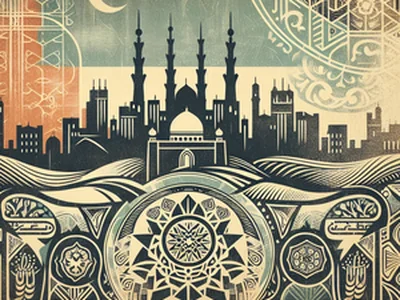
Cultural Artwork
Community Discussion
Further Reading
Explore credible external sources to deepen your understanding of Iraqi culture.