
Kuwait
Middle East ArabicEnglish
The Kuwaiti culture is a rich and diverse blend of traditional and modern influences, shaped by the country's strategic location at the crossroads of Asia and Europe.
Historical Context
Kuwait has a long history dating back to the 18th century, with various empires and dynasties vying for control.
Migration Patterns
The country has experienced significant migration patterns, particularly from neighboring countries such as Saudi Arabia and Iraq.
Conflict And Resilience History
Kuwait has faced several conflicts, including the Gulf War in 1990-1991, but has shown remarkable resilience and adaptability.
Diaspora Perspectives
The Kuwaiti diaspora is significant, with many expatriates contributing to the country's economic growth and cultural diversity.
Regional Variations
Regional variations within Kuwait include differences in dialects, customs, and traditions between urban and rural areas.
Spiritual And Religious Practices
Islam is the official religion of Kuwait, with approximately 70% of the population identifying as Muslim. Other significant religious groups include Christians and Hindus.
Beliefs And Worldview
Kuwaiti culture places a strong emphasis on family, respect for elders, and community cohesion.
Cultural Proverbs Sayings
Examples of Kuwaiti proverbs and sayings include 'Alhamdulillah' (Praise be to God) and 'Mashallah' (God's will).
Naming Conventions And Terms Of Address
In Kuwait, it is customary to use honorific titles such as 'Haji' or 'Sheikh' when addressing older individuals or those of higher social status.
Health And Mental Health
Mental health is a growing concern in Kuwait, with increasing rates of depression and anxiety.
Mental Health Views
Traditional views on mental health emphasize the importance of spiritual well-being and community support.
Traditional Healers
Traditional healers in Kuwait often combine Islamic principles with modern medical practices to address physical and mental health issues.
Gender Roles In Healthcare
Women play a significant role in healthcare, particularly in rural areas where they often serve as primary caregivers.
Healthcare Barriers
Barriers to healthcare access include limited resources, cultural stigma surrounding mental illness, and inadequate healthcare infrastructure.
Education And Learning Styles
Kuwaiti education system emphasizes rote memorization and respect for authority.
Learning Styles
Students are encouraged to adopt a holistic approach to learning, incorporating physical activity, music, and art into their studies.
Parental Engagement
Parents play an active role in their children's education, often attending parent-teacher conferences and participating in school events.
Family And Social Structure
Kuwaiti society is characterized by strong family ties and a sense of community cohesion.
Discipline And Behavior
Discipline and respect for authority are highly valued in Kuwaiti culture, with children expected to obey their parents and elders without question.
Authority Attitudes
Authority figures such as teachers, imams, and government officials are highly respected and often consulted on matters of importance.
Etiquette And Customs
Etiquette and customs in Kuwait emphasize respect for others' space, modest dress, and avoidance of public displays of affection.
Community Strengths Resilience
Kuwaiti communities have shown remarkable resilience in the face of conflict and economic challenges.
Art Music And Expression
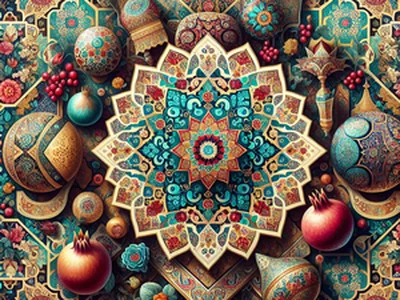
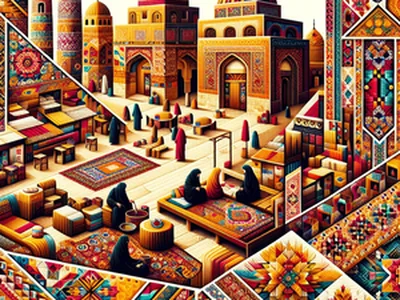
Traditional Kuwaiti art forms include calligraphy, pottery, and textiles, while modern influences have introduced new styles such as graffiti and street art.
Cultural Symbols Motifs
Examples of Kuwaiti cultural symbols include the falcon, the dhow (traditional sailing vessel), and the Islamic crescent moon.
What Brings Joy
Kuwaitis often find joy in social gatherings, family celebrations, and traditional sports such as camel racing.
Celebrations Joyful Traditions
Significant celebrations include Eid al-Fitr (end of Ramadan) and Eid al-Adha (Festival of Sacrifice).
Cultural Calendar And Holidays
Kuwaiti calendar includes Islamic holidays, national days, and traditional festivals such as the Kuwait Festival.
Economic Context And Occupations
The Kuwaiti economy is primarily driven by oil exports, with significant employment in sectors such as finance, healthcare, and education.
Housing And Living Arrangements
Housing options range from modern high-rise apartments to traditional mud-brick houses, often with shared living spaces.
Nutrition And Dietary Norms
Traditional Kuwaiti cuisine emphasizes dates, rice, and fish, while modern influences have introduced new flavors such as spices and herbs.
Interpretation Needs
Interpretation services are available for Arabic, English, and other languages spoken by the expatriate community.
Interpreter Notes
Interpreter notes emphasize the importance of cultural sensitivity when communicating across language barriers.
Documentation Traditions
Documentation traditions in Kuwait include handwritten contracts, Islamic wills, and traditional marriage certificates.
Interactions With Other Cultures
Kuwaitis often interact with other cultures through trade, tourism, and international events such as the Gulf Cooperation Council.
Conflict Resolution Mechanisms
Dispute resolution mechanisms in Kuwait emphasize mediation, arbitration, and Islamic law.
Cultural Exchange Programs
Cultural exchange programs between Kuwait and other countries focus on promoting mutual understanding and respect for cultural differences.
Trade Relations
Kuwait's trade relations with neighboring countries are significant, with a strong emphasis on oil exports and imports of goods such as food and machinery.
Shared Artistic Projects
Examples of shared artistic projects include the Kuwaiti-Qatari joint venture to develop a new art museum in Doha.
Intercultural Marriages
Intercultural marriages between Kuwaitis and individuals from other countries are becoming increasingly common, particularly among the expatriate community.
Shared Educational Initiatives
Kuwait and neighboring countries have collaborated on educational initiatives such as the Gulf Cooperation Council's Education Initiative.
Youth Perspectives
Youth in Kuwait often express a desire for greater freedom, creativity, and opportunities for self-expression.
Education Initiatives
Education initiatives in Kuwait focus on promoting STEM education, vocational training, and entrepreneurship among young people.
Future Challenges
Challenges facing Kuwait's future include managing the country's oil reserves, addressing climate change, and promoting economic diversification.
Youth Employment Trends
Youth employment trends in Kuwait show a growing interest in sectors such as technology, healthcare, and renewable energy.
Future Visions
Kuwaitis often envision a future where their country becomes a hub for innovation, entrepreneurship, and cultural exchange.
Youth Leadership Roles
Young people in Kuwait are increasingly taking on leadership roles in areas such as politics, business, and civil society.
Innovation And Startups
Innovation and startup culture is growing in Kuwait, with initiatives such as the Kuwait Innovation Hub and the Startup Kuwait program.
Festivals And Celebrations
Significant festivals and celebrations include Eid al-Fitr (end of Ramadan), Eid al-Adha (Festival of Sacrifice), and the Kuwait Festival.
Traditional Medicine Practices
Traditional medicine practices in Kuwait often combine Islamic principles with modern medical practices to address physical and mental health issues.
Environmental Practices
Kuwaiti environmental practices emphasize conservation, recycling, and sustainable use of natural resources.
Rituals
Examples of rituals in Kuwait include the daily prayer ritual (Salah) and the Friday congregational prayer (Jumu'ah).
Rites Of Passage
Rites of passage in Kuwait include traditional ceremonies marking significant life events such as birth, marriage, and death.
Culinary Traditions
Culinary traditions in Kuwait emphasize dates, rice, fish, and other local ingredients, often served at social gatherings and family celebrations.
Climate Adaptation Strategies
Climate adaptation strategies in Kuwait focus on mitigating the effects of climate change through initiatives such as renewable energy development and green infrastructure projects.
Biodiversity Conservation
Biodiversity conservation efforts in Kuwait prioritize protecting endangered species, preserving habitats, and promoting sustainable land use practices.
Sustainable Tourism Practices
Sustainable tourism practices in Kuwait emphasize responsible travel, cultural sensitivity, and support for local communities.
Renewable Energy Use
Renewable energy use is becoming increasingly important in Kuwait, with initiatives such as solar power development and wind farm construction.
Community Involvement In Practices
Community involvement in environmental practices is significant, with initiatives such as beach cleanups and tree planting events.
Environmental Education Programs
Environmental education programs in Kuwait focus on promoting awareness about climate change, conservation, and sustainable development among students and the general public.
Notable Figures
Notable figures from Kuwait include Sheikh Jaber Al-Ahmad Al-Jaber Al-Sabah (former Emir of Kuwait), Dr. Younes Mahmoud (physician and scientist), and Fatima Al-Qadiri (artist and musician).
Cultural Innovations
Cultural innovations in Kuwait include the development of traditional music instruments such as the oud and qraqeb, as well as modern art forms like graffiti and street art.
Literary Works
Examples of literary works from Kuwait include poetry collections by poets such as Ahmed Al-Khatib and novels by authors like Dr. Younes Mahmoud.
Architectural Styles
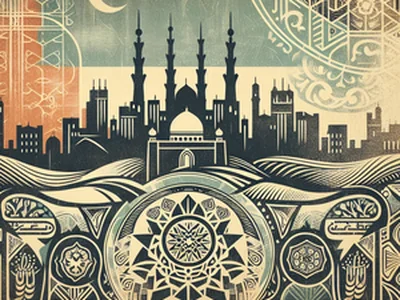
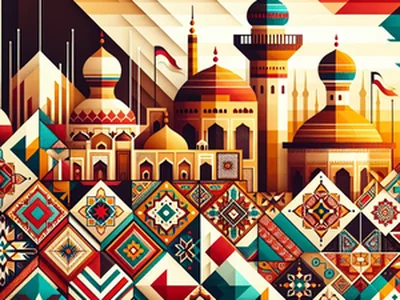
Architectural styles in Kuwait blend traditional Islamic designs with modern influences, resulting in unique buildings such as the Kuwait Towers and the Grand Mosque.
Scientific Contributions
Kuwaiti scientists have made significant contributions to fields such as medicine (Dr. Younes Mahmoud), physics (Dr. Faisal Al-Sulaiman), and environmental science (Dr. Fatima Al-Qadiri).
Culinary Innovations
Culinary innovations in Kuwait include the development of traditional dishes like machboos (a rice-based dish) and gormeh sabzi (a herb stew), as well as modern fusion cuisine.
Global Influence
Kuwait's global influence is significant, with its culture and traditions being celebrated around the world through events such as the Kuwait Festival and the Gulf Cooperation Council's cultural exchange programs.
Awards And Recognition
Awards and recognition for Kuwaiti individuals and organizations include the Kuwait Prize (awarded by the Kuwaiti government) and the Arab League's Cultural Award.
Digital Presence
Kuwait has a growing digital presence, with initiatives such as e-government services, online education platforms, and social media campaigns.
Globalization Effects
Globalization has had significant effects on Kuwait, including increased trade, cultural exchange, and economic growth.
Urbanization Effects
Urbanization in Kuwait has led to the development of modern cities like Kuwait City, with its high-rise buildings, shopping malls, and international restaurants.
Technology Adoption
Technology adoption in Kuwait is rapid, with a growing number of startups and entrepreneurs developing innovative solutions for sectors such as healthcare, finance, and education.
Hybrid Cultural Forms
Hybrid cultural forms in Kuwait blend traditional practices with modern influences, resulting in unique art forms like graffiti and street art.
Social Media Presence
Kuwaitis are increasingly active on social media platforms, using them to connect with others, share their experiences, and promote their culture.
Challenges
Challenges facing Kuwait's cultural heritage include preserving traditional practices, promoting cultural exchange, and addressing the impact of globalization on local customs.
Preservation Efforts
Preservation efforts in Kuwait focus on protecting historical sites, promoting cultural festivals, and supporting initiatives that promote traditional practices.
Cultural Artwork
Community Discussion
Further Reading
Explore credible external sources to deepen your understanding of Kuwait culture.