

Hungarian
Central Europe Hungarian
The Hungarian culture is rich with traditions, history, and a unique language, deeply rooted in Central Europe.
Historical Context
Hungary has a rich history dating back to the Magyar tribes' settlement in the Carpathian Basin in the 9th century. It has been influenced by various empires, including the Ottoman and Austro-Hungarian Empires.
Migration Patterns
Historically, Hungarians have migrated due to political upheavals, economic opportunities, and during the world wars, leading to significant diaspora communities in the United States and Western Europe.
Conflict And Resilience History
Hungary has faced numerous conflicts, including invasions and occupations, but has shown resilience through cultural preservation and adaptation.
Diaspora Perspectives
The Hungarian diaspora maintains strong cultural ties through community organizations, cultural festivals, and language schools.
Regional Variations
Cultural variations exist between regions such as Transdanubia, the Great Plain, and Northern Hungary, each with distinct traditions and dialects.
Bridging Notes
Hungarian culture acts as a bridge between Eastern and Western Europe, incorporating diverse influences while maintaining a distinct identity.
Spiritual And Religious Practices
Predominantly Roman Catholic, with significant Protestant and Jewish communities. Folk beliefs and traditions also play a role in spiritual life.
Beliefs And Worldview
Hungarians value family, tradition, and a strong sense of national identity. They have a pragmatic worldview influenced by historical resilience.
Cultural Proverbs Sayings
Common proverbs include 'Aki mer, az nyer' (He who dares, wins) and 'Jobb későn, mint soha' (Better late than never).
Naming Conventions And Terms Of Address
Hungarians traditionally use family names first, followed by given names. Formal titles are important in addressing elders and professionals.
Health And Mental Health
Healthcare is universal, with a focus on preventive care. Mental health is gaining more attention, though stigma remains.
Mental Health Views
Mental health issues are increasingly recognized, but traditional views may still lead to underreporting and stigma.
Traditional Healers
Folk remedies and herbal medicine are part of traditional healing practices, especially in rural areas.
Gender Roles In Healthcare
Women are often primary caregivers, but both genders are increasingly involved in healthcare decisions.
Healthcare Barriers
Rural areas may face access issues, and there can be disparities in healthcare quality between urban and rural regions.
Education And Learning Styles
Education is highly valued, with a strong emphasis on academic achievement and critical thinking.
Learning Styles
Hungarian students are encouraged to engage in analytical thinking and problem-solving, with a focus on mathematics and sciences.
Parental Engagement
Parents are actively involved in their children's education, often participating in school activities and supporting academic pursuits.
Family And Social Structure
Family is central to Hungarian life, with extended families often living close together and providing mutual support.
Discipline And Behavior
Discipline is typically firm but fair, with an emphasis on respect for elders and authority.
Authority Attitudes
Respect for authority is ingrained, though younger generations are increasingly questioning traditional hierarchies.
Etiquette And Customs
Politeness and hospitality are important, with customs such as removing shoes indoors and bringing gifts when visiting.
Community Strengths Resilience
Strong community bonds and a rich cultural heritage contribute to resilience and social cohesion.
Art Music And Expression
Hungarian culture is renowned for its contributions to music, including classical composers like Liszt and Bartók, as well as vibrant folk music and dance traditions.
Cultural Symbols Motifs
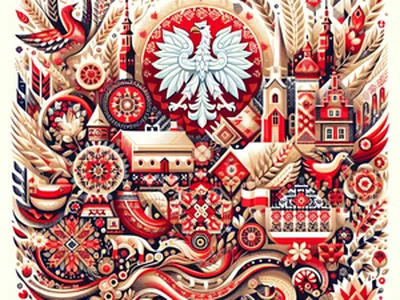
The Turul bird, the Hungarian crown, and motifs from folk art are significant cultural symbols.
What Brings Joy
Music, dance, and communal gatherings bring joy, as do traditional festivals and family celebrations.
Celebrations Joyful Traditions
Celebrations such as Easter, Christmas, and national holidays like St. Stephen's Day are marked with traditional foods, music, and dance.
Cultural Calendar And Holidays
Key holidays include March 15th (Revolution Day), August 20th (St. Stephen's Day), and October 23rd (1956 Revolution Memorial Day).
Additional Notes
Hungarian culture is characterized by a deep appreciation for the arts and a strong sense of national pride.
Economic Context And Occupations
Hungary has a diverse economy with strengths in agriculture, manufacturing, and increasingly, technology and services.
Housing And Living Arrangements
Urbanization is increasing, but many Hungarians still live in family-owned homes, often passed down through generations.
Nutrition And Dietary Norms
Traditional Hungarian cuisine is hearty, with staples like goulash, paprika, and bread. Meals are often communal and celebratory.
Interpretation Needs
Interpretation services may be needed for non-Hungarian speakers, especially in healthcare and legal settings.
Interpreter Notes
Interpreters should be aware of cultural nuances and the importance of formal address in Hungarian communication.
Documentation Traditions
Hungarians value thorough documentation, with official documents often requiring formal language and structure.
Interactions With Other Cultures
Hungarians have historically interacted with neighboring cultures, leading to a blend of influences in language, cuisine, and traditions.
Conflict Resolution Mechanisms
Traditional conflict resolution often involves mediation by community elders or respected figures.
Cultural Exchange Programs
Hungary participates in numerous cultural exchange programs, particularly within the European Union.
Trade Relations
Hungary has strong trade relations within the EU and with countries like Germany and China.
Shared Artistic Projects
Collaborations in music and the arts are common, reflecting Hungary's rich cultural heritage.
Intercultural Marriages
Intercultural marriages are increasingly common, reflecting a more globalized society.
Shared Educational Initiatives
Hungary is involved in educational initiatives like Erasmus, promoting student exchanges and academic collaboration.
Youth Perspectives
Hungarian youth are increasingly global in outlook, valuing education and technological advancement.
Education Initiatives
Programs focus on STEM education and language skills to prepare youth for a globalized world.
Future Challenges
Challenges include economic stability, brain drain, and maintaining cultural identity in a globalized world.
Youth Employment Trends
Youth employment is focused on technology, services, and creative industries.
Future Visions
Hungarian youth envision a future that balances tradition with innovation and global engagement.
Youth Leadership Roles
Youth are taking on leadership roles in technology startups and cultural organizations.
Innovation And Startups
Budapest is a growing hub for startups, particularly in technology and creative industries.
Festivals And Celebrations
Festivals like the Budapest Spring Festival and Sziget Festival celebrate music, arts, and cultural diversity.
Traditional Medicine Practices
Herbal remedies and traditional healing practices are still used, especially in rural areas.
Environmental Practices
Hungary is committed to environmental conservation, with initiatives to protect natural landscapes and biodiversity.
Rituals
Rituals such as Easter sprinkling and Christmas traditions are integral to cultural life.
Rites Of Passage
Rites of passage include christenings, weddings, and coming-of-age ceremonies, often marked by community celebrations.
Culinary Traditions
Hungarian cuisine is known for dishes like goulash, paprikash, and chimney cake, reflecting a blend of regional flavors.
Climate Adaptation Strategies
Efforts are underway to address climate change impacts, focusing on sustainable agriculture and water management.
Biodiversity Conservation
Hungary is home to diverse ecosystems, with conservation efforts aimed at protecting species and habitats.
Sustainable Tourism Practices
Sustainable tourism is promoted to preserve cultural heritage and natural beauty.
Renewable Energy Use
The country is investing in renewable energy sources like solar and wind to reduce reliance on fossil fuels.
Community Involvement In Practices
Community involvement is encouraged in environmental initiatives and cultural preservation efforts.
Environmental Education Programs
Programs aim to educate the public about environmental issues and promote sustainable practices.
Notable Figures
Notable figures include composer Franz Liszt, inventor László Bíró, and Nobel laureate Albert Szent-Györgyi.
Cultural Innovations
Hungary has contributed to innovations in music, literature, and science, with a strong tradition of artistic and intellectual achievement.
Literary Works
Hungarian literature includes works by authors like Sándor Márai and Imre Kertész, reflecting the country's complex history.
Architectural Styles
Architectural styles range from Gothic and Baroque to Art Nouveau, with Budapest known for its stunning architecture.
Scientific Contributions
Hungarians have made significant contributions to fields like mathematics, physics, and medicine.
Culinary Innovations
Hungarian cuisine is known for its use of paprika and unique dishes that have influenced Central European cooking.
Global Influence
Hungarian culture has a global influence through its music, cuisine, and scientific achievements.
Awards And Recognition
Hungarians have received numerous international awards, including Nobel Prizes and recognition in the arts and sciences.
Modern Influences
Modern influences include globalization and digital technology, impacting cultural expression and communication.
Digital Presence
Hungary has a strong digital presence, with widespread internet use and active participation in social media.
Globalization Effects
Globalization has led to increased cultural exchange and economic integration, while also posing challenges to cultural preservation.
Urbanization Effects
Urbanization has transformed cities like Budapest into vibrant cultural and economic centers.
Technology Adoption
Hungary is embracing technology in education, business, and daily life, with a growing tech industry.
Hybrid Cultural Forms
Hybrid cultural forms are emerging, blending traditional Hungarian elements with global influences.
Social Media Presence
Social media is widely used for personal communication, cultural promotion, and business.
Challenges
Challenges include preserving cultural identity amidst globalization, addressing economic disparities, and managing environmental sustainability.
Preservation Efforts
Efforts are underway to preserve the Hungarian language, traditional arts, and historical sites through education and cultural programs.
Cultural Artwork
Community Discussion
Further Reading
Explore credible external sources to deepen your understanding of Hungarian culture.