
Slovenia
Central Europe SlovenianHungarianItalian
Slovenia is a small country in Central Europe with a rich cultural heritage.
Historical Context
Slovenia has a complex history, with various empires and rulers throughout the centuries.
Migration Patterns
The country has experienced significant migration patterns, particularly during World War II.
Conflict And Resilience History
Slovenia has faced numerous conflicts, including the Slovenian Partisans' fight for independence.
Diaspora Perspectives
Many Slovenians have emigrated to other countries, contributing to the country's cultural diversity.
Regional Variations
Regional variations in culture and language are significant, particularly in the north and south of the country.
Spiritual And Religious Practices
The majority of Slovenians practice Catholicism, with a strong emphasis on family and community values.
Beliefs And Worldview
Slovenian culture is deeply rooted in Christianity, with a focus on social justice and compassion.
Cultural Proverbs Sayings
Some common proverbs include 'Kdo ne dela, ne jedi' (He who does not work, shall not eat) and 'Ljubezen je največja boginja' (Love is the greatest goddess).
Naming Conventions And Terms Of Address
Slovenian names often reflect family ties and cultural heritage.
Health And Mental Health
The country has a well-developed healthcare system, with a focus on preventative care.
Mental Health Views
Mental health is increasingly recognized as an important aspect of overall health in Slovenian culture.
Traditional Healers
Traditional healers and folk medicine are still practiced in some areas, particularly among the elderly.
Gender Roles In Healthcare
Gender roles in healthcare are generally traditional, with women often taking on caregiving responsibilities.
Healthcare Barriers
Access to healthcare can be limited for marginalized communities and those living in rural areas.
Education And Learning Styles
Slovenian education system emphasizes critical thinking, creativity, and social responsibility.
Learning Styles
Learning styles vary depending on the region and individual, with a focus on hands-on learning and project-based work.
Parental Engagement
Parental engagement is highly valued in Slovenian education, with parents often participating in school activities.
Family And Social Structure
Family ties are strong in Slovenian culture, with extended family members often living together or nearby.
Discipline And Behavior
Discipline and behavior are emphasized from a young age, with a focus on respect for authority and tradition.
Authority Attitudes
Authority is generally respected, particularly among the elderly and those in positions of power.
Etiquette And Customs
Etiquette and customs vary depending on the region and occasion, but often involve formal greetings and respect for elders.
Community Strengths Resilience
Slovenian communities are known for their resilience and ability to come together in times of need.
Art Music And Expression
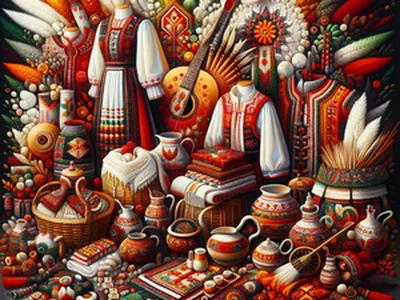
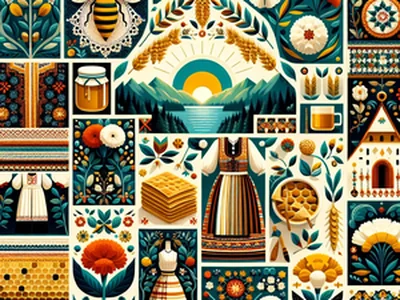
Slovenia has a rich cultural heritage in music, dance, and visual arts, with a focus on folk traditions.
Cultural Symbols Motifs
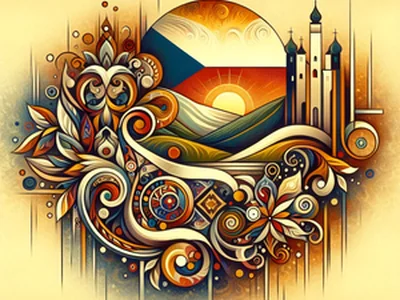
Common symbols include the Slovenian coat of arms, the Triglav mountain, and the national flower, the Carniolan Spring Beauty.
What Brings Joy
Joy is often found in traditional festivals, music, and dance, as well as in nature and family gatherings.
Celebrations Joyful Traditions
Some notable celebrations include the Feast of St. Nicholas (December 6th), the Slovenian Independence Day (December 26th), and the Spring Festival (March-April).
Cultural Calendar And Holidays
The country has a rich calendar of holidays and festivals, often tied to agricultural cycles and Christian traditions.
Economic Context And Occupations
Slovenia has a diverse economy, with a focus on services, manufacturing, and agriculture.
Housing And Living Arrangements
Housing varies depending on the region and income level, but often involves small apartments or family homes.
Nutrition And Dietary Norms
Traditional Slovenian cuisine emphasizes local ingredients, such as meat, bread, and cheese, with a focus on hearty meals.
Interpretation Needs
Interpretation services are available for minority languages, particularly in the north of the country.
Interpreter Notes
Interpreter notes emphasize the importance of cultural sensitivity and accuracy in interpretation services.
Documentation Traditions
Documentation traditions vary depending on the region and occasion, but often involve formal written agreements.
Interactions With Other Cultures
Slovenia has a long history of interactions with neighboring cultures, particularly in the Austro-Hungarian Empire.
Conflict Resolution Mechanisms
The country has developed various conflict resolution mechanisms, including mediation and arbitration.
Cultural Exchange Programs
Cultural exchange programs are popular, particularly between Slovenia and other European countries.
Trade Relations
Slovenia has established trade relations with numerous countries, emphasizing exports of goods such as machinery and electronics.
Shared Artistic Projects
The country has collaborated on various artistic projects, including music festivals and exhibitions.
Intercultural Marriages
Intercultural marriages are becoming increasingly common, particularly between Slovenians and other Europeans.
Shared Educational Initiatives
Slovenia participates in shared educational initiatives, such as the European Higher Education Area (EHEA).
Youth Perspectives
Youth in Slovenia often prioritize education, career development, and social responsibility.
Education Initiatives
The country has implemented various education initiatives, including vocational training and apprenticeships.
Future Challenges
Slovenia faces challenges such as demographic decline, economic instability, and climate change.
Youth Employment Trends
Youth employment trends in Slovenia emphasize entrepreneurship, innovation, and digital skills.
Future Visions
Future visions for Slovenia include sustainable development, environmental protection, and social cohesion.
Youth Leadership Roles
Youth leadership roles are increasingly recognized as essential for community development and social change.
Innovation And Startups
Innovation and startups are encouraged in Slovenia, particularly in the tech and renewable energy sectors.
Festivals And Celebrations
Slovenia has a rich calendar of festivals and celebrations, often tied to agricultural cycles and Christian traditions.
Traditional Medicine Practices
Traditional medicine practices vary depending on the region and occasion, but often involve herbal remedies and folk treatments.
Environmental Practices
Environmental practices in Slovenia emphasize sustainability, conservation, and eco-tourism.
Rituals
Rituals in Slovenian culture often involve traditional music, dance, and storytelling.
Rites Of Passage
Rites of passage in Slovenia include baptism, confirmation, and marriage ceremonies.
Culinary Traditions
Traditional Slovenian cuisine emphasizes local ingredients, such as meat, bread, and cheese, with a focus on hearty meals.
Climate Adaptation Strategies
The country has implemented various climate adaptation strategies, including renewable energy projects and sustainable agriculture initiatives.
Biodiversity Conservation
Biodiversity conservation is a priority in Slovenia, particularly in protected areas such as the Triglav National Park.
Sustainable Tourism Practices
Sustainable tourism practices are encouraged in Slovenia, emphasizing eco-tourism and cultural heritage preservation.
Renewable Energy Use
Renewable energy use is increasing in Slovenia, particularly in the form of solar and wind power.
Community Involvement In Practices
Community involvement in environmental practices is essential for sustainability and conservation efforts.
Environmental Education Programs
Environmental education programs are popular in Slovenian schools, emphasizing eco-literacy and sustainable development.
Notable Figures
Notable figures from Slovenia include writers like Prešeren and Koderman, as well as scientists like Jansa and Žagar.
Cultural Innovations
Slovenia has contributed to various cultural innovations, including the development of folk music and traditional crafts.
Literary Works
Literary works from Slovenia include poetry collections by Prešeren and Koderman, as well as novels by Žagar and Jansa.
Architectural Styles
Architectural styles in Slovenia reflect a mix of Gothic, Renaissance, and Baroque influences.
Scientific Contributions
Slovenian scientists have made significant contributions to fields such as physics, mathematics, and biology.
Culinary Innovations
Culinary innovations from Slovenia include the development of traditional dishes like goulash and potica.
Global Influence
Slovenia has had a global influence in various cultural spheres, particularly in music, literature, and art.
Awards And Recognition
Slovenian artists, writers, and scientists have received numerous awards and recognition for their contributions.
Modern Influences
Modern influences on Slovenian culture include globalization, urbanization, and technological advancements.
Digital Presence
Slovenia has a strong digital presence, with a focus on e-government services, online education, and digital entrepreneurship.
Globalization Effects
Globalization has had significant effects on Slovenian culture, including increased cultural exchange and economic integration.
Urbanization Effects
Urbanization has had significant effects on Slovenian culture, including changes in lifestyle, values, and social norms.
Technology Adoption
Technology adoption is increasing in Slovenia, particularly in the areas of e-government services, education, and healthcare.
Hybrid Cultural Forms
Hybrid cultural forms are emerging in Slovenia, particularly in the areas of music, dance, and visual arts.
Social Media Presence
Slovenia has a significant social media presence, with many users participating in online discussions and sharing cultural content.
Challenges
Slovenia faces various cultural challenges, including demographic decline, economic instability, and climate change.
Preservation Efforts
Preservation efforts are underway to protect Slovenian cultural heritage, particularly in the areas of language, music, and traditional crafts.
Cultural Artwork
Community Discussion
Further Reading
Explore credible external sources to deepen your understanding of Slovenia culture.