
Slovakia
Central Europe SlovakHungarianCzech
Slovak culture is a blend of Slavic and European influences, with a strong emphasis on family, community, and tradition.
Historical Context
Slovakia has a complex history, with various empires and powers vying for control over the region. The Slovaks have been influenced by the Roman Empire, the Magyars, the Austro-Hungarian Empire, and the Soviet Union.
Migration Patterns
The Slovaks have migrated to various parts of Europe, particularly during World War II and the subsequent communist era.
Conflict And Resilience History
Slovakia has experienced several conflicts throughout its history, including the Slovak National Uprising against Nazi Germany. The country has also faced economic challenges and environmental degradation.
Diaspora Perspectives
The Slovak diaspora is scattered across Europe and beyond, with significant communities in the Czech Republic, Hungary, Austria, and the United States.
Regional Variations
Slovak culture varies across different regions, with distinct traditions and customs in the High Tatras, Low Tatras, and Danube River valleys.
Spiritual And Religious Practices
The majority of Slovaks are Catholic, with a significant minority practicing Protestantism or Eastern Orthodoxy. Traditional folk practices include the veneration of saints and the celebration of festivals like St. Martin's Day.
Beliefs And Worldview
Slovaks value family, community, and tradition, with a strong emphasis on social cohesion and mutual support.
Cultural Proverbs Sayings
Some common Slovak proverbs include 'Kto sa nevarí, ten se nenaučí' (He who does not take risks will not learn) and 'Dobrý den, dobrý večer' (Good day, good evening).
Naming Conventions And Terms Of Address
Slovak names typically consist of a given name followed by the father's surname. Terms of address include 'pan' (Mr.) or 'pánka' (Mrs.).
Health And Mental Health
The Slovak healthcare system is generally well-developed, with access to quality medical care and mental health services.
Mental Health Views
Mental health is increasingly recognized as an important aspect of overall well-being in Slovakia, with efforts to reduce stigma and promote awareness.
Traditional Healers
Traditional healers, such as herbalists and folk medicine practitioners, continue to play a role in Slovak healthcare, particularly in rural areas.
Gender Roles In Healthcare
Slovak society has traditionally been patriarchal, but there is an increasing recognition of the importance of women's health and reproductive rights.
Healthcare Barriers
Barriers to healthcare access include socioeconomic status, geographic location, and lack of awareness about available services.
Education And Learning Styles
Slovak education emphasizes theoretical knowledge, with a focus on science, mathematics, and language skills. There is also an increasing emphasis on vocational training and apprenticeships.
Learning Styles
Slovaks tend to be visual learners, with a preference for hands-on activities and interactive teaching methods.
Parental Engagement
Parental involvement in education is generally high in Slovakia, with parents often participating in school events and supporting their children's learning.
Family And Social Structure
Slovak society places a strong emphasis on family and community ties. Extended families often live together or near one another.
Discipline And Behavior
Discipline is valued in Slovak culture, with an emphasis on respect for authority figures and adherence to social norms.
Authority Attitudes
Authority figures are generally respected in Slovak society, particularly in traditional contexts such as family and community settings.
Etiquette And Customs
Etiquette is important in Slovak culture, with an emphasis on politeness, respect, and courtesy towards others.
Community Strengths Resilience
Slovak communities tend to be close-knit and supportive, with a strong sense of solidarity and mutual aid.
Art Music And Expression
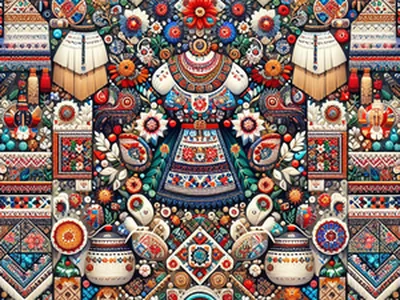
Traditional Slovak art forms include folk music, dance, and handicrafts. Modern art and architecture are also prominent in the country.
Cultural Symbols Motifs
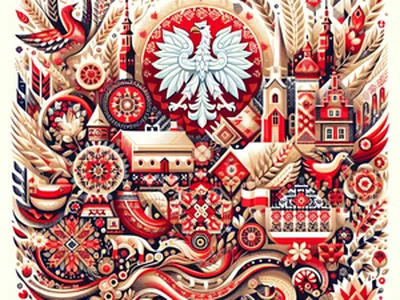
Slovak cultural symbols include the double cross (dvojkříž), the crown of St. Stephen, and the image of the Virgin Mary.
What Brings Joy
Slovaks find joy in traditional folk activities such as singing, dancing, and playing musical instruments, as well as modern pursuits like hiking and skiing.
Celebrations Joyful Traditions
Traditional Slovak celebrations include St. Martin's Day (Martinovské slávnosti), Easter (Velikonoce), and Christmas (Vianoce).
Cultural Calendar And Holidays
Slovak holidays include New Year's Day (Nový rok), Easter Monday (Dúhová pondelok), and Statehood Day (Deň štátneho zjavenia).
Economic Context And Occupations
The Slovak economy is primarily service-based, with a strong focus on manufacturing, IT, and tourism.
Housing And Living Arrangements
Housing in Slovakia varies from urban apartments to rural cottages. Many Slovaks live in multi-generational households.
Nutrition And Dietary Norms
Traditional Slovak cuisine emphasizes hearty meat dishes, bread, and dairy products. Modern diets often incorporate international influences.
Interpretation Needs
Interpretation services are available for Slovak Sign Language (Národný signálny jazyk) and other minority languages.
Interpreter Notes
Interpreter training programs exist in Slovakia, with a focus on developing skills in interpretation and translation.
Documentation Traditions
Documentation traditions include handwritten records, printed books, and digital archives.
Interactions With Other Cultures
Slovaks have interacted with various cultures throughout their history, including the Czechs, Hungarians, and Austrians.
Conflict Resolution Mechanisms
Traditional conflict resolution mechanisms include mediation, negotiation, and arbitration.
Cultural Exchange Programs
Cultural exchange programs exist between Slovakia and other European countries, promoting mutual understanding and cooperation.
Trade Relations
Slovakia has trade agreements with the EU, NATO, and other international organizations.
Shared Artistic Projects
Slovaks have collaborated on artistic projects with other European cultures, including music, dance, and visual arts.
Intercultural Marriages
Intercultural marriages are becoming increasingly common in Slovakia, reflecting the country's growing diversity.
Shared Educational Initiatives
Educational initiatives exist between Slovakia and other countries, focusing on language instruction, cultural exchange, and academic collaboration.
Youth Perspectives
Slovak youth are increasingly interested in environmental issues, social justice, and cultural preservation.
Education Initiatives
Education initiatives focus on promoting STEM education, vocational training, and language instruction.
Future Challenges
Challenges facing Slovakia include economic development, environmental degradation, and demographic changes.
Youth Employment Trends
Youth employment trends in Slovakia reflect a shift towards service-oriented industries and entrepreneurship.
Future Visions
Slovak youth envision a future with sustainable development, social cohesion, and cultural diversity.
Youth Leadership Roles
Youth leadership roles are increasingly recognized in Slovak society, with opportunities for young people to participate in decision-making processes.
Innovation And Startups
Innovation and startup initiatives exist in Slovakia, focusing on technology, entrepreneurship, and social impact.
Festivals And Celebrations
Traditional Slovak festivals include St. Martin's Day (Martinovské slávnosti), Easter (Velikonoce), and Christmas (Vianoce).
Traditional Medicine Practices
Traditional medicine practices in Slovakia include herbalism, folk remedies, and spiritual healing.
Environmental Practices
Slovak environmental practices emphasize sustainable development, renewable energy, and eco-tourism.
Rituals
Rituals in Slovak culture include the veneration of saints, the celebration of festivals, and the observance of traditional customs.
Rites Of Passage
Traditional rites of passage in Slovakia include birth, coming-of-age, marriage, and death ceremonies.
Culinary Traditions
Slovak culinary traditions emphasize hearty meat dishes, bread, and dairy products. Modern diets often incorporate international influences.
Climate Adaptation Strategies
Climate adaptation strategies in Slovakia focus on reducing greenhouse gas emissions, promoting renewable energy, and enhancing climate resilience.
Biodiversity Conservation
Biodiversity conservation efforts in Slovakia prioritize the protection of natural habitats, species preservation, and sustainable land use.
Sustainable Tourism Practices
Sustainable tourism practices in Slovakia emphasize eco-tourism, cultural heritage preservation, and community-based tourism.
Renewable Energy Use
Renewable energy use is increasingly prevalent in Slovakia, with a focus on solar power, wind energy, and biomass generation.
Community Involvement In Practices
Community involvement in environmental practices is encouraged through education, outreach programs, and participatory decision-making processes.
Environmental Education Programs
Environmental education programs in Slovakia focus on promoting sustainable development, climate literacy, and eco-awareness among citizens.
Notable Figures
Notable Slovaks include Saint Cyril and Methodius, Ján Kollár, and Ľudovít Štúr.
Cultural Innovations
Cultural innovations in Slovakia include the development of folk architecture, traditional crafts, and musical instruments.
Literary Works
Literary works from Slovakia include Ľudovít Štúr's 'Dějiny Slovanů' (History of the Slavs) and Ján Kollár's 'Slovenské národné piesne' (Slovak National Songs).
Architectural Styles
Traditional Slovak architectural styles include wooden churches, folk houses, and castle ruins.
Scientific Contributions
Scientific contributions from Slovakia include the work of Ľudovít Štúr on linguistics and Ján Kollár on Slavic studies.
Culinary Innovations
Culinary innovations in Slovakia include the development of traditional dishes like goulash, halušky, and bryndzové halušky.
Global Influence
Slovak culture has influenced other European cultures through trade, migration, and cultural exchange.
Awards And Recognition
Awards and recognition for Slovak culture include the UNESCO Intangible Cultural Heritage designation for traditional folk music and dance.
Modern Influences
Modern influences on Slovak culture include globalization, urbanization, and technological advancements.
Digital Presence
Digital presence in Slovakia is increasing, with a focus on e-government services, online education, and social media platforms.
Globalization Effects
Globalization has had both positive and negative effects on Slovak culture, including the loss of traditional industries and the adoption of international influences.
Urbanization Effects
Urbanization has had significant effects on Slovak culture, including the growth of cities, changes in lifestyle, and shifts in traditional industries.
Technology Adoption
Technology adoption in Slovakia has been rapid, with a focus on digital infrastructure development, e-commerce, and innovation hubs.
Hybrid Cultural Forms
Hybrid cultural forms in Slovakia reflect the blending of traditional and modern elements, such as folk music with electronic beats or traditional crafts with digital tools.
Social Media Presence
Social media presence is increasingly important for Slovaks, with a focus on online communication, networking, and community building.
Challenges
Challenges facing Slovak culture include cultural preservation, language maintenance, and adaptation to globalization.
Preservation Efforts
Preservation efforts in Slovakia focus on protecting intangible cultural heritage, promoting linguistic diversity, and supporting community-based initiatives.
Cultural Artwork
Community Discussion
Further Reading
Explore credible external sources to deepen your understanding of Slovakia culture.