

Gagauz
Gagauzia, Moldova GagauzRussianRomanian
The Gagauz are a Turkic ethnic group primarily living in the autonomous region of Gagauzia in Moldova. They are known for their unique blend of Turkic and Eastern European cultural elements.
Historical Context
The Gagauz people are believed to have descended from the Seljuk Turks who migrated to the Balkans in the Middle Ages. Over time, they settled in the region that is now Moldova, developing a distinct identity.
Migration Patterns
Historically, the Gagauz migrated from the Balkans to the Bessarabian region in the 19th century, influenced by the Ottoman Empire's decline and Russian expansion.
Conflict And Resilience History
The Gagauz have faced challenges related to cultural preservation and autonomy, especially during Soviet rule. They have shown resilience by maintaining their language and traditions.
Diaspora Perspectives
The Gagauz diaspora is present in countries like Ukraine, Russia, and Turkey, where they maintain cultural ties and contribute to their host societies.
Regional Variations
Within Gagauzia, there are slight variations in dialect and customs, influenced by neighboring cultures and historical interactions.
Bridging Notes
The Gagauz culture serves as a bridge between Turkic and Eastern European traditions, offering a unique perspective on cultural integration.
Spiritual And Religious Practices
The Gagauz are predominantly Orthodox Christians, celebrating religious festivals such as Easter and Christmas with traditional rituals.
Beliefs And Worldview
Their worldview is shaped by a blend of Christian and Turkic traditions, emphasizing community, hospitality, and respect for elders.
Cultural Proverbs Sayings
Proverbs often reflect values of hard work, family, and wisdom, such as 'A good name is better than riches.'
Naming Conventions And Terms Of Address
Names often reflect Christian saints, and terms of address show respect for age and social status.
Health And Mental Health
Health practices are influenced by both modern medicine and traditional remedies. Mental health is often addressed within the family or community.
Mental Health Views
Mental health issues may be stigmatized, with a preference for handling them privately or through community support.
Traditional Healers
Traditional healers, known as 'babas,' play a role in providing herbal remedies and spiritual healing.
Gender Roles In Healthcare
Women are typically caregivers, while men may be less involved in health-related decisions.
Healthcare Barriers
Access to healthcare can be limited by economic factors and geographic isolation in rural areas.
Education And Learning Styles
Education is valued, with a focus on both academic achievement and practical skills. Schools teach in Gagauz, Russian, and Romanian.
Learning Styles
Learning often involves memorization and respect for teachers, with an emphasis on community involvement.
Parental Engagement
Parents are actively involved in their children's education, often participating in school events and decision-making.
Family And Social Structure
The Gagauz community is family-oriented, with extended families living close together and supporting each other.
Discipline And Behavior
Discipline is often strict, with an emphasis on respect for elders and adherence to cultural norms.
Authority Attitudes
There is respect for authority figures, including community leaders and elders, who play a significant role in decision-making.
Etiquette And Customs
Customs include greeting with a handshake and offering hospitality to guests. Respect and politeness are highly valued.
Community Strengths Resilience
The Gagauz community is resilient, with strong social networks and a commitment to preserving their cultural identity.
Art Music And Expression
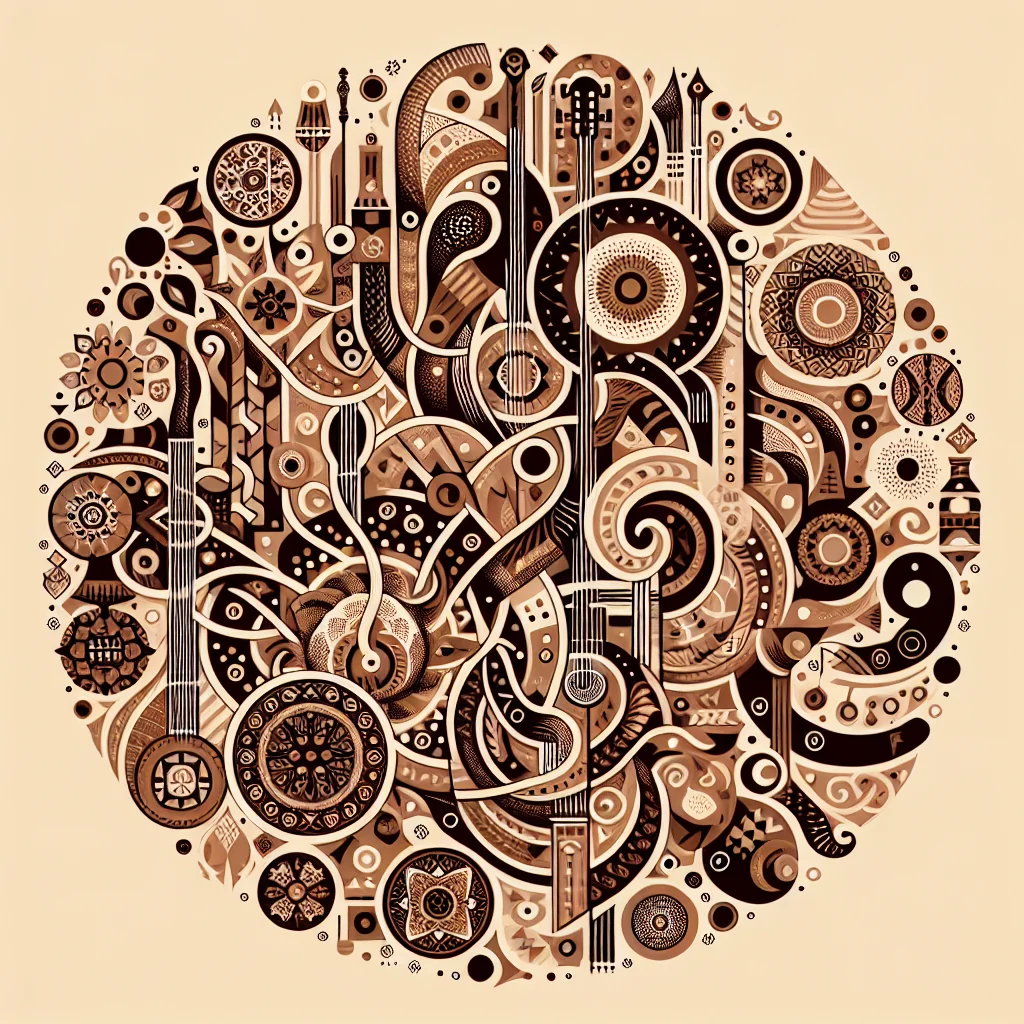
Gagauz music features traditional instruments like the 'cobza' and 'kaval,' with folk dances and songs playing a central role in cultural expression.
Cultural Symbols Motifs
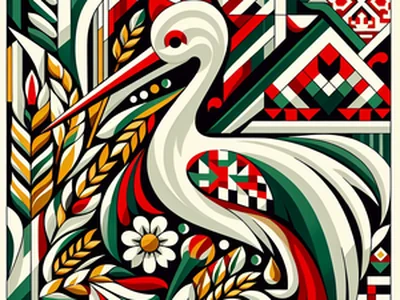
Symbols such as the sun and wheat are common in Gagauz art, representing life and prosperity.
What Brings Joy
Community gatherings, music, and dance are sources of joy, along with celebrating cultural festivals.
Celebrations Joyful Traditions
Festivals like 'Hederlez' and 'Kurban Bayram' are celebrated with feasting, music, and dance.
Cultural Calendar And Holidays
The Gagauz calendar includes both Christian holidays and traditional Turkic celebrations.
Additional Notes
Cultural expression is a vital part of Gagauz identity, helping to maintain their heritage and community bonds.
Economic Context And Occupations
The economy is primarily agricultural, with many Gagauz engaged in farming, viticulture, and animal husbandry.
Housing And Living Arrangements
Housing often consists of family compounds with multiple generations living together.
Nutrition And Dietary Norms
The diet is rich in grains, dairy, and meat, with traditional dishes like 'placinta' and 'kavurma' being popular.
Interpretation Needs
Interpretation services may be needed for Gagauz speakers in healthcare and legal settings, especially for older generations.
Interpreter Notes
Interpreters should be aware of cultural nuances and respect for elders in communication.
Documentation Traditions
Oral traditions are strong, with storytelling and folk songs being important means of cultural transmission.
Interactions With Other Cultures
The Gagauz have historically interacted with neighboring cultures, including Moldovans, Ukrainians, and Bulgarians, leading to cultural exchange.
Conflict Resolution Mechanisms
Conflicts are often resolved through community mediation and the involvement of elders.
Cultural Exchange Programs
There are initiatives to promote cultural exchange with other Turkic and Eastern European communities.
Trade Relations
Trade is primarily local, with agricultural products being exchanged within the region.
Shared Artistic Projects
Collaborations in music and dance with neighboring cultures are common, showcasing shared heritage.
Intercultural Marriages
Intercultural marriages occur, often with neighboring ethnic groups, contributing to cultural diversity.
Shared Educational Initiatives
Educational programs sometimes involve partnerships with other ethnic groups to promote mutual understanding.
Youth Perspectives
Gagauz youth are increasingly looking towards higher education and opportunities abroad, while maintaining cultural ties.
Education Initiatives
There are efforts to improve educational access and quality, with a focus on bilingual education.
Future Challenges
Challenges include economic opportunities, cultural preservation, and political representation.
Youth Employment Trends
Many young Gagauz seek employment in urban areas or abroad, often in sectors like IT and services.
Future Visions
The Gagauz envision a future where they can balance modernity with cultural preservation.
Youth Leadership Roles
Youth are encouraged to take on leadership roles in community organizations and cultural initiatives.
Innovation And Startups
There is a growing interest in entrepreneurship and startups, particularly in technology and agriculture.
Festivals And Celebrations
Festivals are integral to Gagauz culture, with events like 'Hederlez' marking the arrival of spring.
Traditional Medicine Practices
Herbal remedies and traditional healing practices are still used alongside modern medicine.
Environmental Practices
Sustainable farming practices are common, reflecting a deep connection to the land.
Rituals
Rituals often involve music and dance, with a focus on community participation.
Rites Of Passage
Rites of passage, such as weddings and baptisms, are celebrated with elaborate ceremonies.
Culinary Traditions
Cuisine is a blend of Turkic and Eastern European influences, with dishes like 'borsch' and 'mamaliga' being popular.
Climate Adaptation Strategies
Adaptation strategies include crop diversification and water conservation techniques.
Biodiversity Conservation
Efforts are made to preserve local flora and fauna, often through community-led initiatives.
Sustainable Tourism Practices
Tourism focuses on cultural heritage and eco-friendly practices, promoting local traditions.
Renewable Energy Use
There is a growing interest in renewable energy, particularly solar and wind, to support sustainable development.
Community Involvement In Practices
Community involvement is key in environmental and cultural preservation efforts.
Environmental Education Programs
Programs aim to educate the youth about environmental conservation and sustainable practices.
Notable Figures
Notable Gagauz figures include writers, musicians, and political leaders who have contributed to both local and national culture.
Cultural Innovations
Innovations include unique musical styles and culinary techniques that blend Turkic and Eastern European elements.
Literary Works
Gagauz literature often explores themes of identity, history, and cultural preservation.
Architectural Styles
Architecture reflects a mix of traditional Gagauz and Eastern European styles, with influences from the Ottoman period.
Scientific Contributions
Contributions in agriculture and environmental science are notable, particularly in sustainable practices.
Culinary Innovations
Culinary innovations include fusion dishes that incorporate local ingredients with traditional recipes.
Global Influence
The Gagauz have influenced global Turkic culture through their unique blend of traditions and customs.
Awards And Recognition
Gagauz artists and cultural figures have received recognition for their contributions to music, literature, and cultural preservation.
Modern Influences
Modern influences include Western media, technology, and fashion, which are integrated with traditional practices.
Digital Presence
The Gagauz have a growing digital presence, with social media and online platforms used for cultural promotion.
Globalization Effects
Globalization has brought both opportunities and challenges, impacting cultural identity and economic development.
Urbanization Effects
Urbanization has led to changes in lifestyle and social structures, with more Gagauz moving to cities.
Technology Adoption
Technology is increasingly adopted in education, agriculture, and communication, enhancing connectivity.
Hybrid Cultural Forms
Hybrid cultural forms emerge as traditional and modern elements blend, particularly in music and art.
Social Media Presence
Social media is used to connect with the diaspora and promote Gagauz culture globally.
Challenges
Challenges include cultural preservation, economic development, and political representation within Moldova.
Preservation Efforts
Efforts focus on language preservation, cultural education, and promoting traditional practices among the youth.
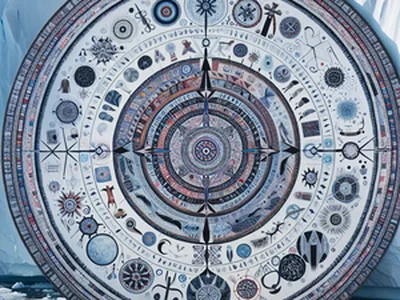
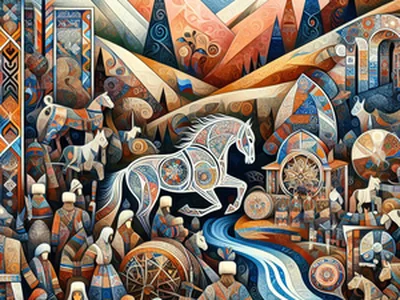
Cultural Artwork
Community Discussion
Further Reading
Explore credible external sources to deepen your understanding of Gagauz culture.