
Filipino
Southeast Asia FilipinoEnglishCebuanoIlocano
The Filipino culture is a rich blend of indigenous, Spanish, American, and Asian influences, characterized by strong family ties, hospitality, and a vibrant community spirit.
Historical Context
The Philippines has a complex history of colonization, first by Spain for over 300 years, followed by a period of American rule. This history has significantly shaped its cultural and social structures.
Migration Patterns
Filipinos have a long history of migration, both within the archipelago and internationally, often for economic opportunities. This has led to a significant diaspora, particularly in the United States, the Middle East, and Europe.
Conflict And Resilience History
The Filipino people have shown resilience through various conflicts, including the Philippine Revolution against Spain, the Philippine-American War, and the struggle against Martial Law in the 1970s.
Diaspora Perspectives
The Filipino diaspora maintains strong ties to their homeland through remittances, cultural practices, and community organizations, contributing to both the economy and cultural exchange.
Regional Variations
Cultural practices and languages vary widely across the Philippines' regions, with distinct traditions in Luzon, Visayas, and Mindanao.
Bridging Notes
Understanding the historical context of colonization and migration is crucial for appreciating the diverse influences in Filipino culture.
Spiritual And Religious Practices
Predominantly Roman Catholic, with significant Muslim and indigenous spiritual communities. Religious festivals and rituals are integral to community life.
Beliefs And Worldview
Filipinos value family, community, and faith. Concepts like 'bayanihan' (community spirit) and 'utang na loob' (debt of gratitude) are central to their worldview.
Cultural Proverbs Sayings
Proverbs like 'Bahala na' (come what may) reflect a resilient and adaptable mindset.
Naming Conventions And Terms Of Address
Filipinos often use both first and last names, with titles like 'Kuya' (older brother) or 'Ate' (older sister) as terms of respect.
Health And Mental Health
Health practices blend modern medicine with traditional healing. Mental health is gaining attention, though stigma remains.
Mental Health Views
Mental health issues are often underreported due to stigma, but awareness is increasing with more advocacy and education.
Traditional Healers
Albularyos (herbalists) and faith healers play a role in rural health care, often consulted alongside modern medical practitioners.
Gender Roles In Healthcare
Women often serve as primary caregivers, influencing health decisions within families.
Healthcare Barriers
Economic constraints, geographic isolation, and cultural beliefs can limit access to healthcare services.
Education And Learning Styles
Education is highly valued, with a focus on rote learning and respect for authority. English is a primary medium of instruction.
Learning Styles
Filipino students often excel in collaborative and participatory learning environments.
Parental Engagement
Parents are actively involved in their children's education, often prioritizing it despite financial challenges.
Family And Social Structure
The family is the cornerstone of Filipino society, often extending beyond the nuclear unit to include a wide network of relatives.
Discipline And Behavior
Discipline is often guided by respect for elders and community norms, with a focus on maintaining harmony.
Authority Attitudes
Respect for authority figures, such as elders and community leaders, is deeply ingrained.
Etiquette And Customs
Hospitality is a hallmark, with customs like 'mano po' (a gesture of respect) and offering food to guests.
Community Strengths Resilience
Strong community networks provide support during crises, exemplified by the bayanihan spirit of collective effort.
Art Music And Expression
Filipino art and music are vibrant, with influences from indigenous, Spanish, and American cultures. Traditional dances like Tinikling and music genres like Kundiman are celebrated.
Cultural Symbols Motifs
Symbols like the jeepney, bahay kubo (nipa hut), and the Philippine eagle are iconic representations of Filipino identity.
What Brings Joy
Family gatherings, festivals, and music bring joy to Filipinos, reflecting their love for celebration and community.
Celebrations Joyful Traditions
Festivals such as Sinulog, Ati-Atihan, and Pahiyas are colorful celebrations of culture and faith.
Cultural Calendar And Holidays
Major holidays include Christmas, Holy Week, and Independence Day, each celebrated with unique traditions.
Additional Notes
Filipino culture is dynamic, with a youthful population that embraces both tradition and modernity.
Economic Context And Occupations
The economy is diverse, with significant contributions from agriculture, services, and overseas remittances.
Housing And Living Arrangements
Housing varies from urban high-rises to rural nipa huts, with many families living in multigenerational homes.
Nutrition And Dietary Norms
Rice is a staple, often accompanied by fish, meat, and vegetables. Meals are social events, emphasizing communal dining.
Interpretation Needs
While many Filipinos are bilingual, interpretation services are essential in healthcare and legal settings for non-English speakers.
Interpreter Notes
Interpreters should be culturally sensitive and aware of regional dialects and nuances.
Documentation Traditions
Oral traditions are strong, but written documentation is increasingly common, especially in urban areas.
Interactions With Other Cultures
Filipinos are known for their adaptability and openness, often engaging positively with various cultures.
Conflict Resolution Mechanisms
Community mediation and dialogue are preferred methods for resolving conflicts.
Cultural Exchange Programs
Numerous exchange programs exist, fostering cultural understanding and cooperation.
Trade Relations
The Philippines engages in trade with many countries, benefiting from its strategic location in Southeast Asia.
Shared Artistic Projects
Collaborations in music, film, and art are common, reflecting a blend of traditional and modern influences.
Intercultural Marriages
Intercultural marriages are increasingly common, reflecting the global mobility of Filipinos.
Shared Educational Initiatives
Educational partnerships with countries like the United States and Japan enhance learning opportunities.
Youth Perspectives
Filipino youth are optimistic, valuing education and technology as tools for progress.
Education Initiatives
Programs focus on STEM education and digital literacy to prepare youth for a globalized world.
Future Challenges
Challenges include economic inequality, climate change, and political instability.
Youth Employment Trends
Many young Filipinos seek opportunities in the tech and service industries, both locally and abroad.
Future Visions
A future where Filipino culture thrives globally, balancing tradition with innovation.
Youth Leadership Roles
Youth are increasingly taking leadership roles in social movements and community development.
Innovation And Startups
A growing startup ecosystem is emerging, particularly in tech and creative industries.
Festivals And Celebrations
Festivals like Sinulog and Ati-Atihan celebrate cultural heritage and religious devotion.
Traditional Medicine Practices
Herbal medicine and spiritual healing are practiced alongside modern healthcare.
Environmental Practices
Community-based conservation efforts are common, focusing on preserving natural resources.
Rituals
Rituals often blend indigenous and Catholic practices, such as the Simbang Gabi during Christmas.
Rites Of Passage
Rites such as baptism, confirmation, and weddings are significant cultural events.
Culinary Traditions
Dishes like adobo, sinigang, and lechon are staples, reflecting a fusion of flavors and influences.
Climate Adaptation Strategies
Efforts include disaster preparedness and sustainable agriculture to combat climate change impacts.
Biodiversity Conservation
The Philippines is a biodiversity hotspot, with initiatives to protect its unique flora and fauna.
Sustainable Tourism Practices
Eco-tourism is promoted to preserve natural sites while benefiting local communities.
Renewable Energy Use
There is a growing focus on solar and wind energy to reduce reliance on fossil fuels.
Community Involvement In Practices
Local communities actively participate in environmental conservation and cultural preservation.
Environmental Education Programs
Programs aim to raise awareness about environmental issues and promote sustainable practices.
Notable Figures
Figures like José Rizal, Manny Pacquiao, and Lea Salonga have made significant cultural impacts.
Cultural Innovations
Innovations in music, dance, and fashion reflect a blend of traditional and contemporary styles.
Literary Works
Works by authors like José Rizal and Nick Joaquin are celebrated for their cultural and historical insights.
Architectural Styles
Spanish colonial architecture, such as churches and ancestral houses, is a prominent feature.
Scientific Contributions
Filipino scientists have made advances in fields like medicine and environmental science.
Culinary Innovations
Fusion cuisine, blending Filipino flavors with international influences, is gaining popularity.
Global Influence
Filipino culture has a global presence, particularly in music, cuisine, and diaspora communities.
Awards And Recognition
Filipinos have received international recognition in fields like cinema, music, and sports.
Modern Influences
Globalization and technology have introduced new cultural dynamics, blending traditional and modern elements.
Digital Presence
Filipinos are highly active on social media, using platforms for communication and cultural expression.
Globalization Effects
Globalization has led to cultural exchanges and the adoption of international trends in fashion, food, and entertainment.
Urbanization Effects
Rapid urbanization has transformed cities, influencing lifestyle and cultural practices.
Technology Adoption
High technology adoption rates, particularly in mobile and internet usage, are shaping modern Filipino life.
Hybrid Cultural Forms
Hybrid forms in music, art, and cuisine reflect the blending of local and global influences.
Social Media Presence
Social media is a powerful tool for cultural expression and community building among Filipinos.
Challenges
Challenges include preserving cultural heritage amidst modernization and addressing social inequalities.
Preservation Efforts
Efforts are underway to preserve traditional arts, languages, and historical sites through education and advocacy.
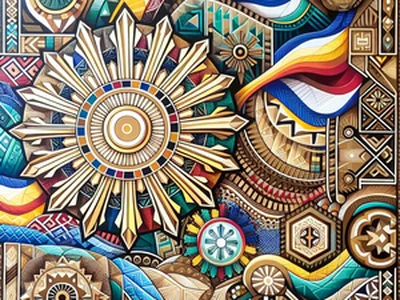
Cultural Artwork
Community Discussion
Further Reading
Explore credible external sources to deepen your understanding of Filipino culture.