
Malaysian
Southeast Asia MalayEnglishChinese dialectsTamil
The Malaysian culture is a diverse and multicultural society with influences from Malay, Chinese, Indian, and indigenous cultures.
Historical Context
Malaysia has a rich history dating back to the ancient kingdoms of Srivijaya and Majapahit. The country was colonized by Britain in the late 19th century and gained independence in 1957.
Migration Patterns
The Malaysian population is composed of various ethnic groups, including Malay, Chinese, Indian, and indigenous peoples, who have migrated to the region over centuries.
Conflict And Resilience History
Malaysia has experienced periods of conflict, particularly during the communist insurgency in the 1950s and 1960s. However, the country has also demonstrated resilience through its ability to adapt to changing circumstances.
Diaspora Perspectives
The Malaysian diaspora is significant, with many Malaysians living abroad in countries such as Singapore, Indonesia, and Australia.
Regional Variations
Malaysia has regional variations in culture, language, and customs, particularly between the Malay states of Peninsular Malaysia and East Malaysia (Sabah and Sarawak).
Bridging Notes
The Malaysian government has implemented policies to promote national unity and integration among its diverse population.
Spiritual And Religious Practices
Islam is the official religion of Malaysia, but there are also significant numbers of Buddhists, Hindus, Christians, and animists. The country observes a range of festivals and holidays, including Hari Raya Aidilfitri (Eid al-Fitr) and Deepavali.
Beliefs And Worldview
Malaysians generally believe in the importance of family, community, and respect for authority. They also place a strong emphasis on education and personal development.
Cultural Proverbs Sayings
Some common Malaysian proverbs include 'Berani atau tak berani' (Courageous or not courageous) and 'Tidak boleh tahan' (Cannot bear it).
Naming Conventions And Terms Of Address
In Malaysia, names are often given based on their meaning or significance. For example, the name 'Mohammad' is common among Muslims, while 'Ahmad' is a popular name among Malays.
Health And Mental Health
Malaysians generally have good physical health, but mental health issues are becoming increasingly prevalent due to factors such as stress and urbanization.
Mental Health Views
There is still stigma surrounding mental illness in Malaysia, but efforts are being made to promote awareness and understanding.
Traditional Healers
Traditional healers, known as 'bomoh', are still practiced in some parts of Malaysia, particularly among indigenous communities.
Gender Roles In Healthcare
Women generally play a significant role in healthcare in Malaysian families, while men often take on more formal roles in healthcare provision.
Healthcare Barriers
Barriers to healthcare access include cost, geographical location, and cultural beliefs about health and illness.
Education And Learning Styles
Malaysians generally value education highly and place a strong emphasis on academic achievement. Learning styles tend to be formal and structured.
Learning Styles
Students in Malaysia often learn through rote memorization, but there is also an increasing focus on critical thinking and problem-solving skills.
Parental Engagement
Parents in Malaysia are generally involved in their children's education, particularly in terms of providing support and encouragement.
Family And Social Structure
The family is highly valued in Malaysian culture, with extended families often living together. Social relationships are also important, with a strong emphasis on community and social cohesion.
Discipline And Behavior
Discipline and behavior are highly valued in Malaysian culture, particularly among children. Children are expected to respect their elders and follow traditional norms of behavior.
Authority Attitudes
Authority is generally respected in Malaysian culture, particularly among older generations. However, there is also an increasing emphasis on individual rights and freedoms.
Etiquette And Customs
Etiquette and customs vary across different ethnic groups in Malaysia, but generally include respect for elders, use of formal titles, and avoidance of public displays of affection.
Community Strengths Resilience
Malaysian communities are known for their resilience and ability to adapt to changing circumstances. They also place a strong emphasis on community cohesion and social support.
Art Music And Expression
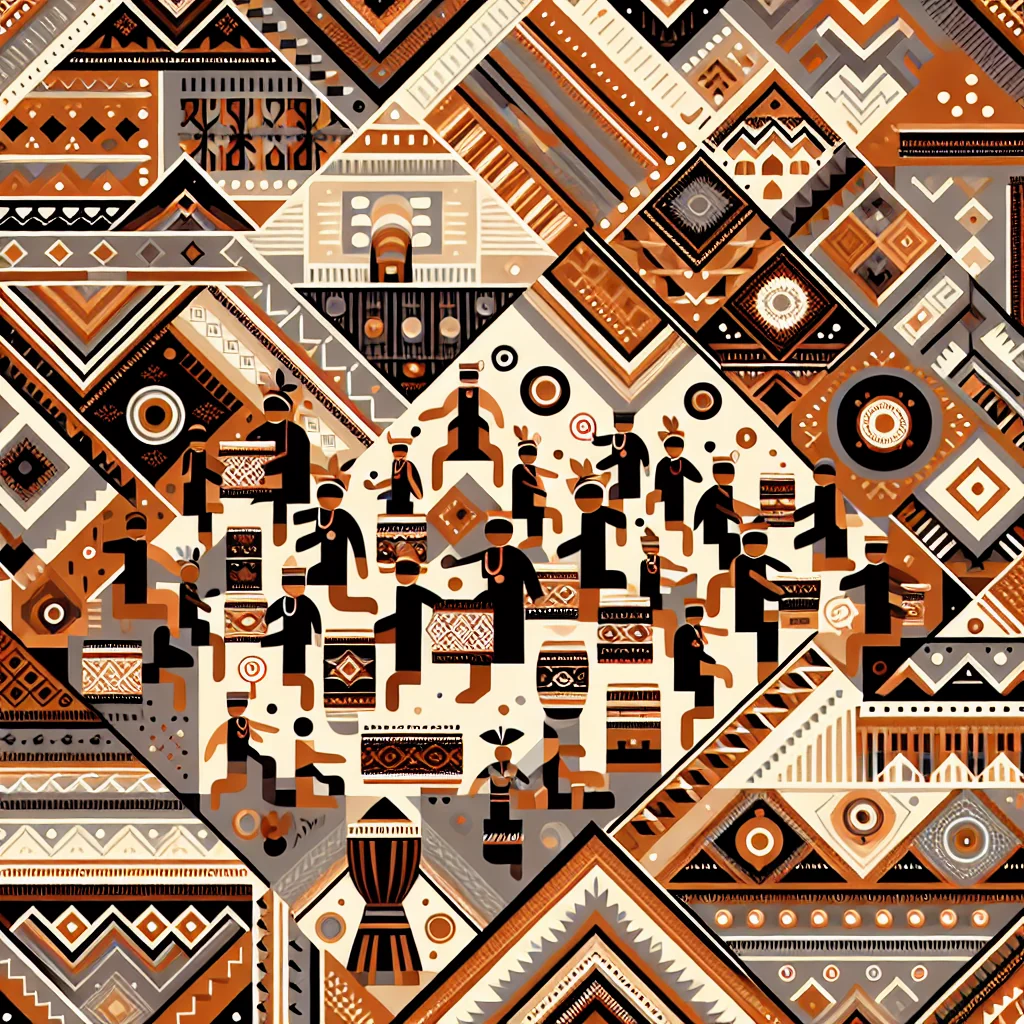
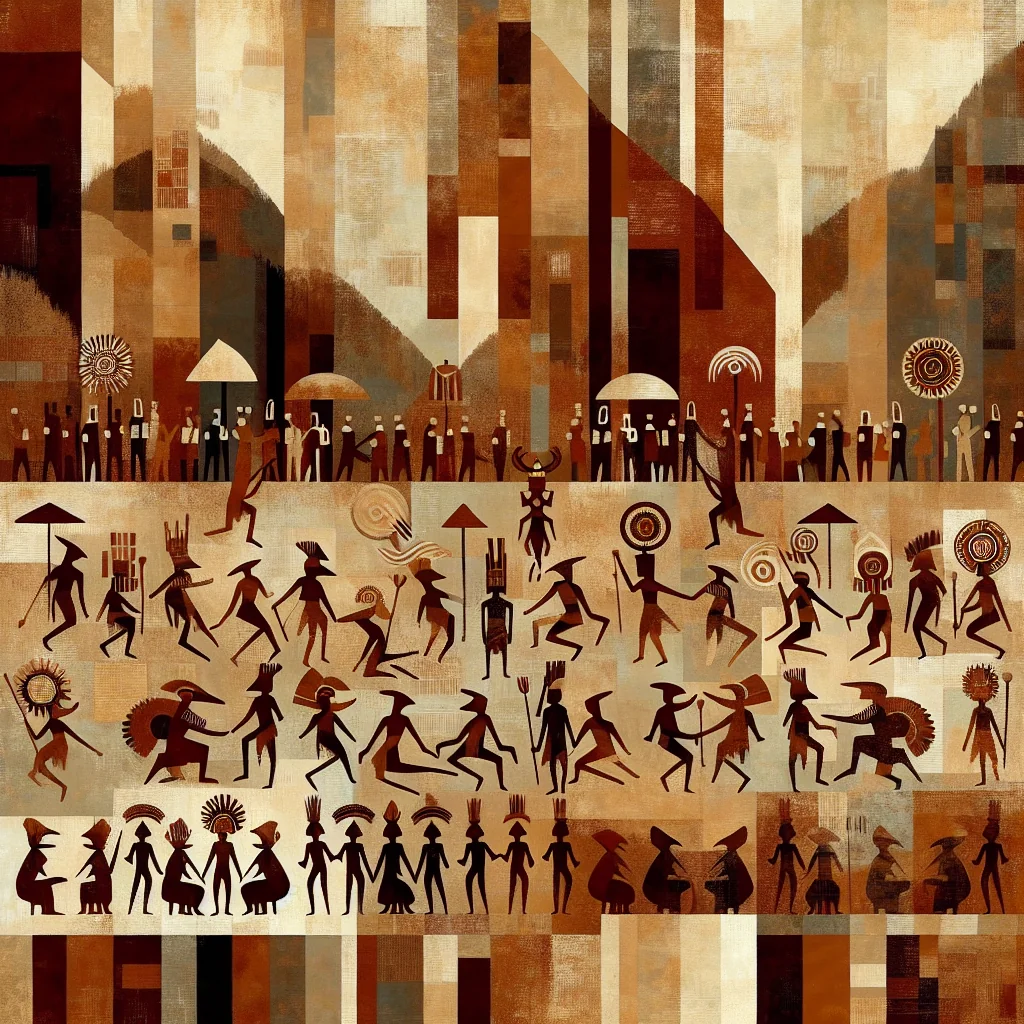
Traditional Malaysian art forms include batik, songket, and woodcarving, while music and dance styles vary across different ethnic groups.
Cultural Symbols Motifs
Common cultural symbols in Malaysia include the keris (dagger), the parang (machete), and the bunga raya (hibiscus flower).
What Brings Joy
Malaysians generally find joy in family, community, and personal achievements. They also place a strong emphasis on celebration and festivity.
Celebrations Joyful Traditions
Malaysia celebrates a range of festivals and holidays, including Hari Raya Aidilfitri (Eid al-Fitr), Deepavali, and Chinese New Year.
Cultural Calendar And Holidays
The Malaysian calendar includes both Islamic and secular holidays, with the former being more widely observed.
Additional Notes
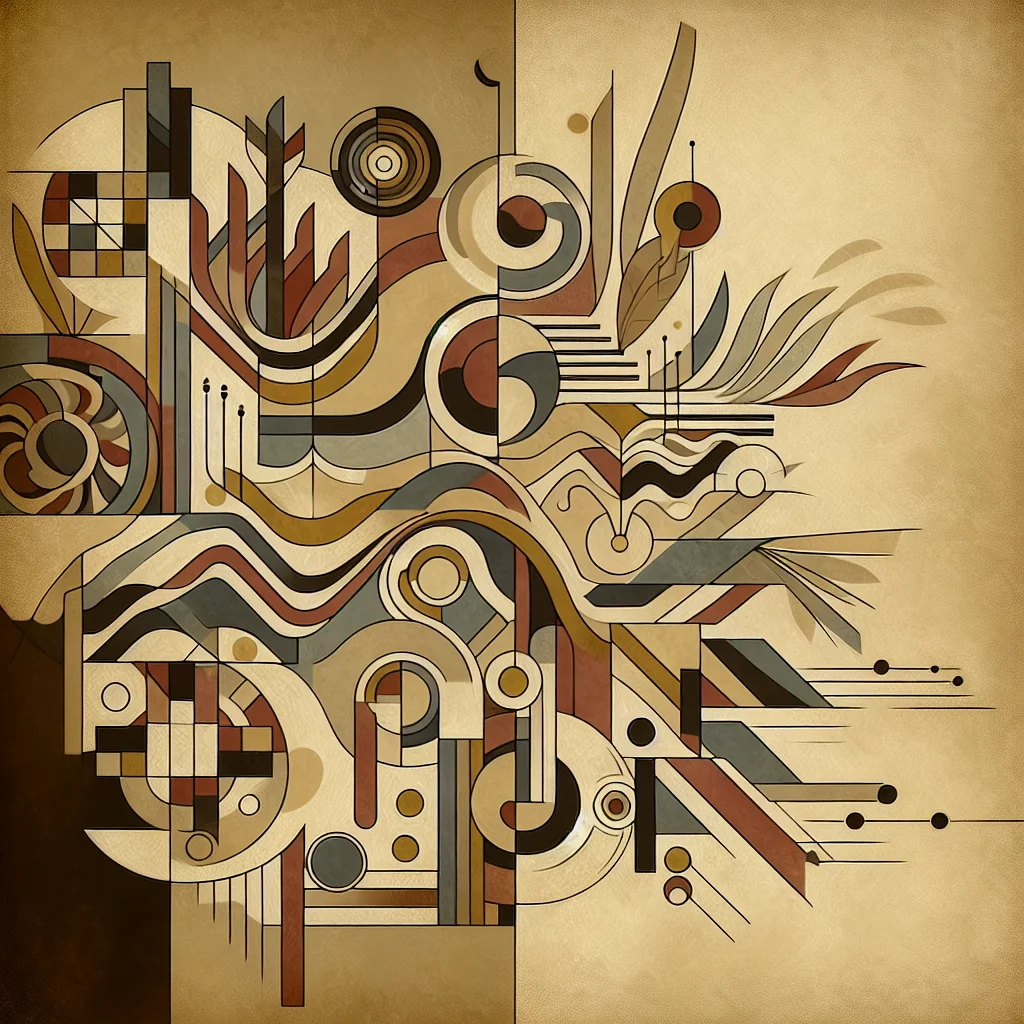
Malaysian culture is known for its vibrant colors, intricate patterns, and rich textures. Traditional clothing includes the baju kurung (long-sleeved tunic) and the sarong (wraparound skirt).
Economic Context And Occupations
The Malaysian economy is driven by industries such as manufacturing, services, and agriculture. Common occupations include professionals, entrepreneurs, and small business owners.
Housing And Living Arrangements
Malaysians generally live in urban areas, with a range of housing options available including apartments, houses, and condominiums.
Nutrition And Dietary Norms
Traditional Malaysian cuisine includes dishes such as nasi lemak (coconut milk rice), char kway teow (stir-fried noodles), and roti canai (flatbread).
Interpretation Needs
Interpretation services are often required for languages such as Malay, Chinese dialects, and Tamil.
Interpreter Notes
Interpreter notes should be aware of cultural nuances and differences in language use across different ethnic groups.
Documentation Traditions
Documentation traditions vary across different ethnic groups in Malaysia, but generally include written records and oral histories.
Interactions With Other Cultures
Malaysians generally interact positively with other cultures, particularly in the context of trade and tourism.
Conflict Resolution Mechanisms
Conflicts are often resolved through negotiation and compromise, with a strong emphasis on maintaining social harmony.
Cultural Exchange Programs
Cultural exchange programs are common between Malaysia and other countries, including Singapore, Indonesia, and Australia.
Trade Relations
Malaysia has trade relations with many countries, particularly in the context of manufacturing and services.
Shared Artistic Projects
Malaysians often collaborate on artistic projects with other cultures, particularly in the context of music and dance.
Intercultural Marriages
Intercultural marriages are becoming increasingly common in Malaysia, particularly between Malaysians and foreigners.
Shared Educational Initiatives
Malaysia has educational initiatives with other countries, including Singapore, Indonesia, and Australia.
Youth Perspectives
Youth in Malaysia generally value education, family, and community. They also place a strong emphasis on personal development and achievement.
Education Initiatives
Malaysia has education initiatives aimed at promoting literacy and numeracy among youth, as well as providing vocational training and skills development programs.
Future Challenges
Challenges facing Malaysia in the future include addressing issues such as poverty, inequality, and climate change.
Youth Employment Trends
Youth employment trends in Malaysia are influenced by factors such as economic growth, technological advancements, and demographic changes.
Future Visions
Malaysians generally have a positive outlook for the future, with many believing that their country will continue to grow and prosper.
Youth Leadership Roles
Youth in Malaysia often take on leadership roles in community organizations, social movements, and cultural initiatives.
Innovation And Startups
Innovation and entrepreneurship are becoming increasingly important in Malaysia, particularly among youth who are starting their own businesses and developing new products and services.
Festivals And Celebrations
Malaysia celebrates a range of festivals and holidays, including Hari Raya Aidilfitri (Eid al-Fitr), Deepavali, and Chinese New Year.
Traditional Medicine Practices
Traditional medicine practices in Malaysia include the use of herbal remedies, acupuncture, and massage therapy.
Environmental Practices
Malaysians generally place a strong emphasis on environmental conservation and sustainability, particularly in the context of protecting natural resources and promoting eco-tourism.
Rituals
Rituals in Malaysian culture often involve prayer, meditation, and other spiritual practices aimed at maintaining balance and harmony with nature.
Rites Of Passage
Rites of passage in Malaysia include ceremonies marking important life events such as birth, marriage, and death.
Culinary Traditions
Traditional Malaysian cuisine includes dishes such as nasi lemak (coconut milk rice), char kway teow (stir-fried noodles), and roti canai (flatbread).
Climate Adaptation Strategies
Malaysia has implemented climate adaptation strategies aimed at mitigating the impacts of climate change, including sea-level rise and extreme weather events.
Biodiversity Conservation
Biodiversity conservation efforts in Malaysia focus on protecting natural habitats, promoting sustainable forest management, and conserving endangered species.
Sustainable Tourism Practices
Sustainable tourism practices in Malaysia include eco-tourism initiatives aimed at promoting responsible travel and supporting local communities.
Renewable Energy Use
Malaysia has implemented policies to promote the use of renewable energy sources such as solar, wind, and hydroelectric power.
Community Involvement In Practices
Community involvement is essential in many environmental practices in Malaysia, including conservation efforts and sustainable tourism initiatives.
Environmental Education Programs
Environmental education programs in Malaysia aim to promote awareness and understanding of environmental issues among the general public.
Notable Figures
Notable figures from Malaysian culture include Mahathir Mohamad, Lee Kuan Yew, and Tunku Abdul Rahman.
Cultural Innovations
Malaysia has made significant cultural innovations in areas such as music, dance, and visual arts.
Literary Works
Literary works from Malaysia include novels by authors such as Tan Twan Eng and Shahnon Ahmad.
Architectural Styles
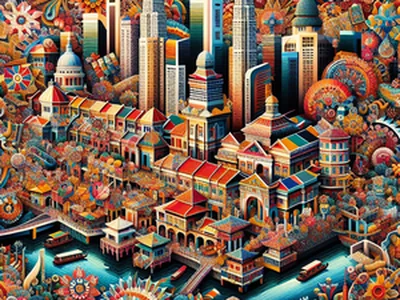
Traditional Malaysian architecture includes styles such as Malay, Chinese, and Indian, which are reflected in buildings and monuments throughout the country.
Scientific Contributions
Malaysia has made significant scientific contributions in areas such as medicine, technology, and environmental science.
Culinary Innovations
Malaysian cuisine has been influenced by various cultural traditions, resulting in unique fusion dishes such as nasi lemak (coconut milk rice) and char kway teow (stir-fried noodles).
Global Influence
Malaysia has a significant global influence in areas such as trade, tourism, and culture.
Awards And Recognition
Malaysia has received numerous awards and recognition for its cultural achievements, including UNESCO World Heritage Site designations.
Modern Influences
Modern influences on Malaysian culture include globalization, urbanization, and technological advancements.
Digital Presence
Malaysians are increasingly active online, with many using social media platforms to connect with others and access information.
Globalization Effects
Globalization has had a significant impact on Malaysian culture, leading to increased trade, tourism, and cultural exchange.
Urbanization Effects
Urbanization in Malaysia has led to changes in lifestyle, diet, and cultural practices among urban dwellers.
Technology Adoption
Technology adoption is becoming increasingly important in Malaysia, particularly among youth who are using digital tools for education, communication, and entrepreneurship.
Hybrid Cultural Forms
Hybrid cultural forms are emerging in Malaysia, reflecting the blending of traditional and modern influences.
Social Media Presence
Social media presence is significant in Malaysia, with many individuals and organizations using platforms to promote their work and connect with others.
Challenges
Challenges facing Malaysian culture include addressing issues such as poverty, inequality, and climate change.
Preservation Efforts
Efforts are being made to preserve traditional Malaysian culture, including language, music, dance, and visual arts.
Cultural Artwork
Community Discussion
Further Reading
Explore credible external sources to deepen your understanding of Malaysian culture.