
Fijian
Pacific Islands FijianHindiEnglish
Fijian culture is a rich tapestry of indigenous traditions, influenced by Polynesian, Melanesian, and Indian cultures, reflecting its diverse population and history.
Historical Context
Fijian history is marked by the arrival of the Lapita people around 3,500 years ago, followed by European exploration in the 17th century and British colonization in the 19th century.
Migration Patterns
Fiji has seen waves of migration, including the arrival of indentured Indian laborers in the late 19th century, which has significantly influenced its cultural landscape.
Conflict And Resilience History
Fiji has experienced internal conflicts, including coups in the late 20th century, but has shown resilience through community cohesion and traditional conflict resolution methods.
Diaspora Perspectives
The Fijian diaspora maintains strong cultural ties through community organizations and cultural events, particularly in countries like Australia, New Zealand, and the United States.
Regional Variations
Cultural practices can vary significantly between the two main islands, Viti Levu and Vanua Levu, and among the smaller islands, reflecting diverse traditions and languages.
Bridging Notes
Efforts to bridge cultural differences focus on promoting unity through shared national identity and respect for multiculturalism.
Spiritual And Religious Practices
Fijian spirituality is deeply rooted in Christianity, with Methodist being the predominant denomination, alongside traditional beliefs and practices.
Beliefs And Worldview
Fijians value community, respect for elders, and a harmonious relationship with nature, often viewing the land and sea as integral to their identity.
Cultural Proverbs Sayings
Proverbs such as 'Kua ni rere, ni yalo malua' (Do not fear, be calm) reflect the Fijian emphasis on patience and resilience.
Naming Conventions And Terms Of Address
Fijians often use titles such as 'Ratu' for men and 'Adi' for women of chiefly status, reflecting the importance of social hierarchy.
Health And Mental Health
Health practices in Fiji blend traditional healing with modern medicine, with a focus on community health initiatives.
Mental Health Views
Mental health is often approached through community support and traditional practices, though modern awareness is increasing.
Traditional Healers
Traditional healers, known as 'bete', play a significant role in Fijian healthcare, using herbal remedies and spiritual healing.
Gender Roles In Healthcare
Women often serve as primary caregivers, while men may hold more formal healthcare roles, though this is evolving.
Healthcare Barriers
Barriers include geographic isolation, limited access to healthcare facilities, and cultural stigmas around certain health issues.
Education And Learning Styles
Education in Fiji emphasizes communal learning and respect for teachers, with a curriculum that includes both academic and cultural education.
Learning Styles
Fijian students often learn through storytelling, observation, and practical application, reflecting traditional knowledge transmission methods.
Parental Engagement
Parents are actively involved in their children's education, often participating in school events and supporting learning at home.
Family And Social Structure
Fijian society is organized around extended family units, with a strong emphasis on communal living and support.
Discipline And Behavior
Discipline is often community-based, with elders playing a key role in guiding and correcting behavior.
Authority Attitudes
Respect for authority is deeply ingrained, with chiefs and elders holding significant influence in community decisions.
Etiquette And Customs
Customs include the traditional 'sevusevu' ceremony to welcome guests, and the sharing of 'kava' as a sign of hospitality.
Community Strengths Resilience
Fijian communities are known for their resilience, often coming together to support each other in times of need through traditional practices and communal activities.
Art Music And Expression
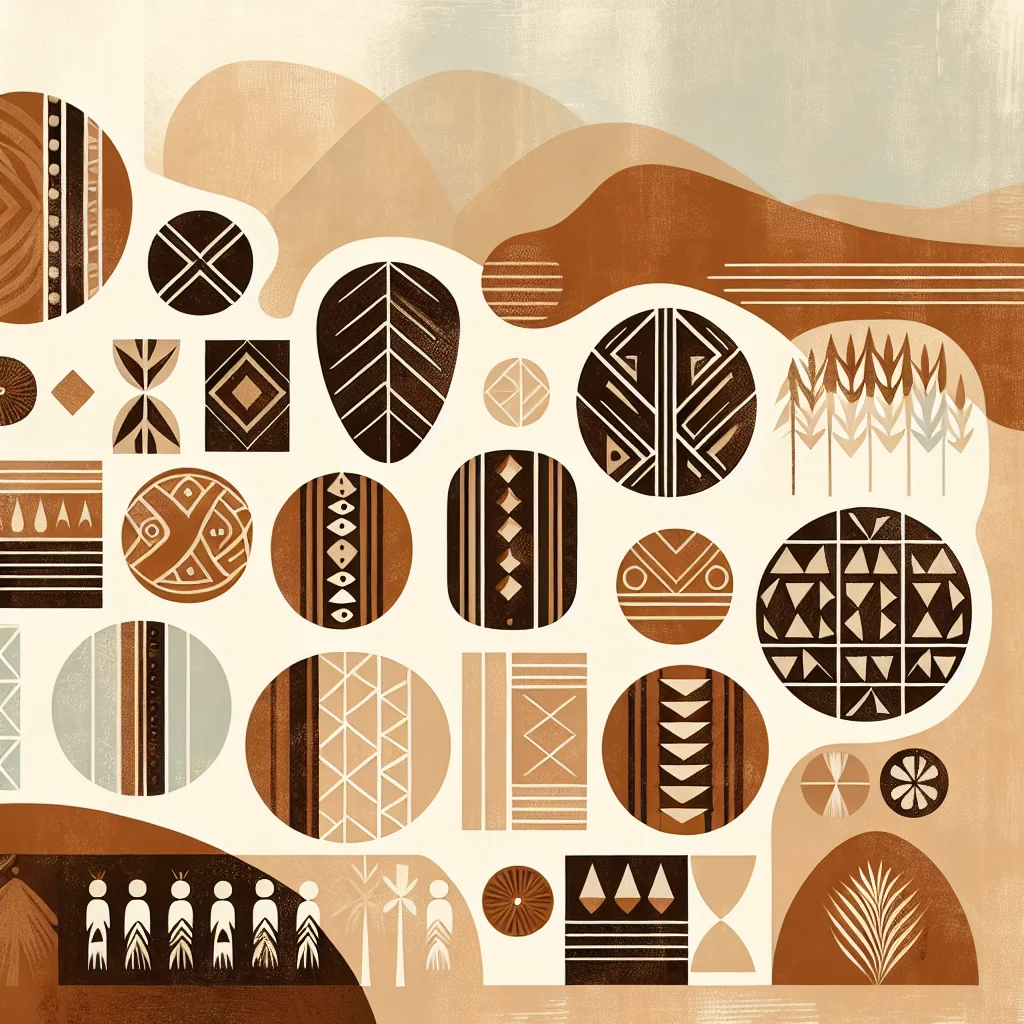
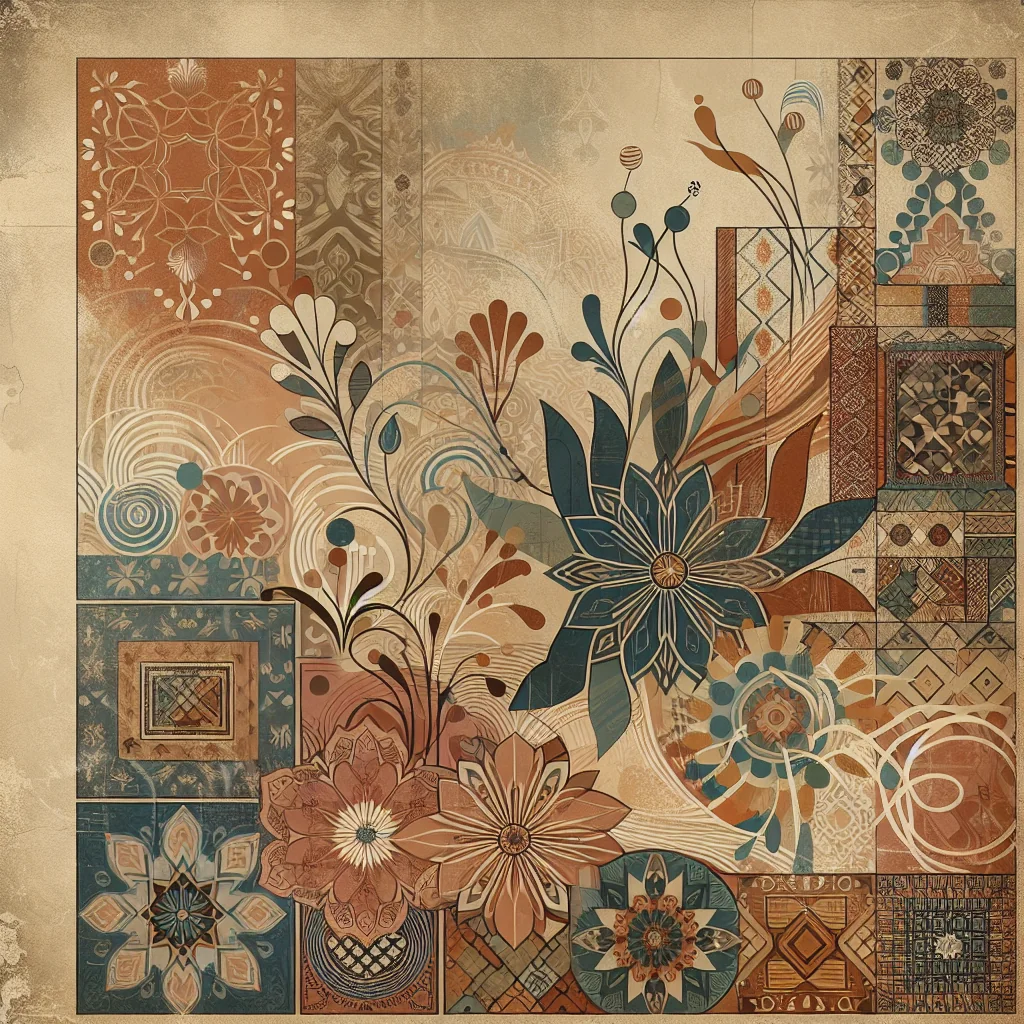
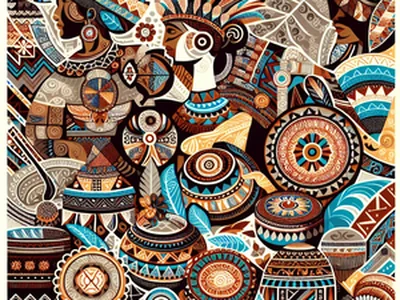
Fijian art is vibrant, with traditional crafts like mat weaving and tapa cloth making, while music and dance, such as the 'meke', are integral to cultural expression.
Cultural Symbols Motifs
Common motifs include the 'tanoa' (kava bowl) and 'tabua' (whale's tooth), symbolizing unity and respect.
What Brings Joy
Community gatherings, storytelling, and traditional dances bring joy and strengthen social bonds.
Celebrations Joyful Traditions
Celebrations like 'Fiji Day' and 'Hibiscus Festival' are joyful occasions that showcase Fijian culture and unity.
Cultural Calendar And Holidays
Key holidays include 'Fiji Day' on October 10th, celebrating independence, and 'Diwali', reflecting the multicultural fabric of the nation.
Additional Notes
Fijian culture is a dynamic blend of tradition and modernity, with a strong emphasis on community and environmental stewardship.
Economic Context And Occupations
Fiji's economy is based on tourism, agriculture, and fishing, with many Fijians engaged in these sectors.
Housing And Living Arrangements
Traditional Fijian homes, known as 'bures', are often communal, reflecting the importance of family and community.
Nutrition And Dietary Norms
Dietary staples include root crops like taro and cassava, with seafood and coconut being important components of the diet.
Interpretation Needs
Interpretation services are often needed for Fijian and Hindi speakers in healthcare and legal settings.
Interpreter Notes
Interpreters should be culturally sensitive and aware of the nuances in Fijian and Hindi languages.
Documentation Traditions
Oral traditions are strong, with storytelling being a key method of preserving history and culture.
Interactions With Other Cultures
Fijians are known for their hospitality and openness, often engaging in cultural exchanges with neighboring Pacific nations.
Conflict Resolution Mechanisms
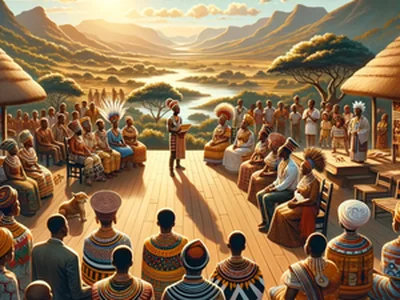
Traditional conflict resolution involves community discussions and the involvement of chiefs to mediate disputes.
Cultural Exchange Programs
Programs with Australia and New Zealand promote cultural understanding and exchange.
Trade Relations
Fiji engages in trade with regional partners, focusing on agricultural products and tourism.
Shared Artistic Projects
Collaborative art projects with other Pacific nations highlight shared heritage and creativity.
Intercultural Marriages
Intercultural marriages are common, reflecting Fiji's multicultural society.
Shared Educational Initiatives
Educational partnerships with international institutions enhance learning opportunities and cultural exchange.
Youth Perspectives
Fijian youth are increasingly focused on education and employment opportunities, balancing traditional values with modern aspirations.
Education Initiatives
Government and NGOs support initiatives to improve access to education, particularly in rural areas.
Future Challenges
Challenges include climate change, economic diversification, and maintaining cultural heritage amidst globalization.
Youth Employment Trends
Youth employment is concentrated in tourism, agriculture, and emerging tech sectors.
Future Visions
Fijian youth envision a future that balances economic growth with environmental sustainability and cultural preservation.
Youth Leadership Roles
Youth are taking on leadership roles in community development and environmental advocacy.
Innovation And Startups
A growing startup culture is emerging, focusing on sustainable practices and technology.
Festivals And Celebrations
Festivals like 'Bula Festival' celebrate Fijian culture through music, dance, and traditional food.
Traditional Medicine Practices
Traditional medicine involves herbal remedies and spiritual healing, often used alongside modern healthcare.
Environmental Practices
Fijians practice sustainable fishing and agriculture, respecting traditional ecological knowledge.
Rituals
Rituals such as the 'kava' ceremony are central to social and cultural life, symbolizing unity and respect.
Rites Of Passage
Rites of passage, such as coming-of-age ceremonies, are important cultural milestones.
Culinary Traditions
Fijian cuisine is known for its use of fresh, local ingredients, with dishes like 'kokoda' (marinated fish) being popular.
Climate Adaptation Strategies
Communities are adopting climate-resilient practices, such as mangrove restoration and sustainable agriculture.
Biodiversity Conservation
Efforts focus on protecting marine and terrestrial biodiversity, involving community participation.
Sustainable Tourism Practices
Tourism initiatives emphasize eco-friendly practices and cultural preservation.
Renewable Energy Use
Fiji is investing in renewable energy sources, such as solar and wind, to reduce reliance on fossil fuels.
Community Involvement In Practices
Community involvement is key in environmental conservation and cultural preservation efforts.
Environmental Education Programs
Programs aim to educate youth about environmental stewardship and sustainable practices.
Notable Figures
Figures like Ratu Sir Kamisese Mara, a founding father of modern Fiji, are celebrated for their contributions to the nation.
Cultural Innovations
Fijian artists and musicians are gaining international recognition, blending traditional and contemporary styles.
Literary Works
Fijian literature often explores themes of identity, colonialism, and cultural heritage.
Architectural Styles
Traditional Fijian architecture, such as 'bures', reflects sustainable building practices using local materials.
Scientific Contributions
Fijian scientists are involved in marine biology and climate research, contributing to global understanding of these fields.
Culinary Innovations
Fijian chefs are innovating by incorporating traditional ingredients into modern cuisine, gaining international acclaim.
Global Influence
Fijian culture influences global perceptions of Pacific Islander identity and hospitality.
Awards And Recognition
Fijian athletes and artists have received international awards, showcasing the nation's talent and cultural richness.
Modern Influences
Fijian culture is influenced by global trends, particularly in fashion, music, and technology.
Digital Presence
Fijians are increasingly active on digital platforms, using social media to share cultural content and connect with the diaspora.
Globalization Effects
Globalization has brought both opportunities and challenges, impacting traditional lifestyles and economic structures.
Urbanization Effects
Urbanization is leading to shifts in traditional living arrangements and cultural practices, particularly in Suva, the capital.
Technology Adoption
Technology is widely adopted, with mobile phones and internet access playing key roles in communication and education.
Hybrid Cultural Forms
Hybrid cultural forms are emerging, blending traditional Fijian elements with global influences in art and music.
Social Media Presence
Social media is a powerful tool for cultural expression and community building among Fijians, both locally and abroad.
Challenges
Challenges include preserving cultural heritage in the face of modernization and addressing socio-economic disparities.
Preservation Efforts
Efforts are underway to document and preserve traditional knowledge and practices, involving both government and community initiatives.
Cultural Artwork
Community Discussion
Further Reading
Explore credible external sources to deepen your understanding of Fijian culture.