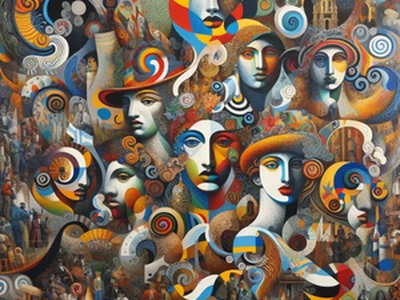


Ecuadorian
South America SpanishKichwaShuar
Ecuadorian culture is a vibrant blend of indigenous, Spanish, and African influences, reflecting the country's diverse history and geography.
Historical Context
Ecuador's history is marked by the rise and fall of indigenous civilizations, Spanish colonization, and the struggle for independence in the 19th century.
Migration Patterns
Ecuador has experienced significant internal migration from rural to urban areas, as well as emigration to countries like the United States and Spain.
Conflict And Resilience History
Ecuador has faced political instability and economic challenges, but its people have shown resilience through strong community ties and cultural preservation.
Diaspora Perspectives
The Ecuadorian diaspora maintains strong connections to their homeland through cultural festivals and remittances, playing a vital role in the country's economy.
Regional Variations
Cultural practices vary significantly between the coastal, Andean, and Amazonian regions, each with distinct traditions and languages.
Bridging Notes
Efforts to bridge cultural differences focus on promoting national unity while respecting regional identities.
Spiritual And Religious Practices
Predominantly Roman Catholic, with a growing presence of Protestantism and indigenous spiritual practices.
Beliefs And Worldview
Ecuadorians value family, community, and a deep connection to nature, often reflected in their worldview and daily life.
Cultural Proverbs Sayings
Common proverbs emphasize the importance of family, hard work, and living in harmony with nature.
Naming Conventions And Terms Of Address
Ecuadorians often use both paternal and maternal surnames, and terms of address vary by region and social context.
Health And Mental Health
Access to healthcare varies, with traditional medicine playing a significant role in rural areas.
Mental Health Views
Mental health is often stigmatized, but awareness is growing, with increased access to services.
Traditional Healers
Curanderos and shamans are respected figures in many communities, offering traditional healing practices.
Gender Roles In Healthcare
Women often serve as primary caregivers, but gender roles in healthcare are evolving.
Healthcare Barriers
Barriers include geographic isolation, economic constraints, and cultural differences in health beliefs.
Education And Learning Styles
Education is valued, with a focus on rote learning and respect for teachers, though educational quality varies.
Learning Styles
Learning often emphasizes memorization and respect for authority, with a growing emphasis on critical thinking.
Parental Engagement
Parents are highly involved in their children's education, often prioritizing it despite economic challenges.
Family And Social Structure
Family is central to Ecuadorian life, with extended families often living together or nearby.
Discipline And Behavior
Discipline is generally strict, with respect for elders and authority emphasized.
Authority Attitudes
Respect for authority is deeply ingrained, though younger generations are increasingly questioning traditional norms.
Etiquette And Customs
Politeness and hospitality are important, with customs varying by region and social context.
Community Strengths Resilience
Strong community bonds and mutual support systems contribute to resilience in the face of challenges.
Art Music And Expression
Ecuadorian art and music reflect its diverse cultural heritage, with influences from indigenous, African, and Spanish traditions.
Cultural Symbols Motifs
Symbols like the Andean condor and traditional patterns are prevalent in art and textiles.
What Brings Joy
Festivals, family gatherings, and music are central to Ecuadorian joy and celebration.
Celebrations Joyful Traditions
Carnival, Inti Raymi, and other festivals are celebrated with music, dance, and traditional foods.
Cultural Calendar And Holidays
Major holidays include Independence Day, Christmas, and regional festivals.
Additional Notes
Ecuadorians take pride in their cultural heritage, often expressing it through vibrant celebrations and artistic endeavors.
Economic Context And Occupations
The economy is diverse, with agriculture, oil, and tourism as key sectors, though economic disparities exist.
Housing And Living Arrangements
Housing varies from urban apartments to rural homes, with extended families often living together.
Nutrition And Dietary Norms
Diet is diverse, with staples like rice, potatoes, and plantains, and regional specialties like ceviche and guinea pig.
Interpretation Needs
Interpretation services are important for indigenous language speakers, particularly in healthcare and legal settings.
Interpreter Notes
Interpreters should be culturally sensitive and aware of regional dialects and customs.
Documentation Traditions
Oral traditions are strong, but written documentation is increasingly important in education and governance.
Interactions With Other Cultures
Ecuadorians have a history of cultural exchange with neighboring countries and global communities.
Conflict Resolution Mechanisms
Traditional community gatherings and modern legal systems are used to resolve conflicts.
Cultural Exchange Programs
Programs exist to promote cultural understanding and exchange, particularly with indigenous communities.
Trade Relations
Ecuador engages in trade with countries worldwide, exporting products like bananas, oil, and flowers.
Shared Artistic Projects
Collaborations in music and art with other Latin American countries are common.
Intercultural Marriages
Intercultural marriages are increasingly common, reflecting Ecuador's diverse society.
Shared Educational Initiatives
Educational exchanges and collaborations with international institutions are growing.
Youth Perspectives
Ecuadorian youth are increasingly global-minded, valuing education and technology.
Education Initiatives
Government and NGOs are working to improve educational access and quality.
Future Challenges
Challenges include economic inequality, environmental issues, and political instability.
Youth Employment Trends
Youth employment is focused on technology, tourism, and service industries.
Future Visions
Ecuadorian youth envision a future with greater opportunities and environmental sustainability.
Youth Leadership Roles
Youth are taking on leadership roles in social movements and community initiatives.
Innovation And Startups
A growing startup culture is emerging, particularly in technology and sustainable development.
Festivals And Celebrations
Festivals like Inti Raymi and Carnival are celebrated with music, dance, and traditional foods.
Traditional Medicine Practices
Herbal remedies and spiritual healing are integral to traditional medicine.
Environmental Practices
Ecuador is committed to environmental conservation, with initiatives to protect the Amazon and Galápagos Islands.
Rituals
Rituals often involve offerings to Pachamama (Mother Earth) and other deities.
Rites Of Passage
Rites of passage include quinceañeras and other ceremonies marking life transitions.
Culinary Traditions
Ecuadorian cuisine features diverse ingredients and flavors, with regional specialties like ceviche and hornado.
Climate Adaptation Strategies
Communities are adopting sustainable practices to adapt to climate change.
Biodiversity Conservation
Efforts focus on preserving unique ecosystems and species, particularly in the Amazon and Galápagos.
Sustainable Tourism Practices
Eco-tourism is promoted to protect natural resources while supporting local economies.
Renewable Energy Use
Ecuador is investing in renewable energy sources like hydropower and solar energy.
Community Involvement In Practices
Community involvement is key in environmental and cultural preservation efforts.
Environmental Education Programs
Programs aim to educate the public about conservation and sustainable practices.
Notable Figures
Figures like Oswaldo Guayasamín and Eugenio Espejo have made significant cultural contributions.
Cultural Innovations
Innovations include unique musical styles and artistic expressions blending indigenous and modern influences.
Literary Works
Ecuadorian literature includes works by authors like Jorge Icaza and Alicia Yánez Cossío.
Architectural Styles
Colonial architecture is prominent, with influences from indigenous and modern styles.
Scientific Contributions
Contributions in biodiversity research and environmental science are notable.
Culinary Innovations
Ecuadorian chefs are gaining recognition for innovative dishes that highlight local ingredients.
Global Influence
Ecuador's cultural and environmental initiatives have a growing global impact.
Awards And Recognition
Ecuadorians have received international awards in literature, art, and environmental conservation.
Modern Influences
Globalization and technology are influencing Ecuadorian culture, leading to new cultural forms.
Digital Presence
Ecuadorians are increasingly active on digital platforms, sharing cultural content globally.
Globalization Effects
Globalization has brought both opportunities and challenges, impacting traditional practices.
Urbanization Effects
Urbanization is changing social dynamics, with more people moving to cities for opportunities.
Technology Adoption
Technology is widely adopted, with growing access to the internet and digital tools.
Hybrid Cultural Forms
Hybrid cultural forms are emerging, blending traditional and modern elements.
Social Media Presence
Social media is a key platform for cultural expression and connection among Ecuadorians.
Challenges
Challenges include preserving cultural heritage amid modernization and addressing social inequalities.
Preservation Efforts
Efforts focus on documenting traditions, supporting indigenous communities, and promoting cultural education.
Cultural Artwork
Community Discussion
Further Reading
Explore credible external sources to deepen your understanding of Ecuadorian culture.