
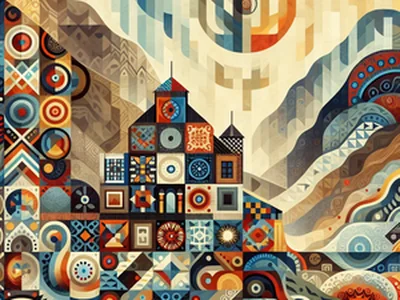
Chilean
South America SpanishMapudungunAymara
Chilean culture is a rich tapestry woven from indigenous, European, and African influences, characterized by its vibrant traditions, diverse geography, and strong sense of community.
Historical Context
Chilean history is marked by the influence of indigenous peoples, Spanish colonization, and the struggle for independence. The country has experienced periods of political turmoil and economic reform.
Migration Patterns
Chilean migration patterns include European settlers during the colonial period, internal migration from rural to urban areas, and recent immigration from neighboring countries.
Conflict And Resilience History
Chile has faced conflicts such as the War of the Pacific and internal political struggles, including the Pinochet dictatorship. The resilience of its people is evident in their recovery and democratic transition.
Diaspora Perspectives
The Chilean diaspora is spread across the globe, particularly in the United States, Canada, and Australia, maintaining cultural ties through community organizations and cultural events.
Regional Variations
Cultural variations exist between the northern desert regions, the central valleys, and the southern Patagonia, each with distinct traditions and lifestyles.
Bridging Notes
Understanding Chilean culture requires recognizing the blend of indigenous and European influences and the impact of historical events on its development.
Spiritual And Religious Practices
Predominantly Roman Catholic, with growing Protestant and indigenous spiritual practices. Religious festivals and rituals play a significant role in community life.
Beliefs And Worldview
Chilean worldview is influenced by Catholic values, emphasizing family, community, and respect for tradition, alongside a growing appreciation for individualism and modernity.
Cultural Proverbs Sayings
Common sayings include 'Más vale tarde que nunca' (Better late than never) and 'A caballo regalado no se le mira el diente' (Don't look a gift horse in the mouth), reflecting practical wisdom.
Naming Conventions And Terms Of Address
Chilean naming conventions follow the Spanish tradition of using both paternal and maternal surnames. Formal address often uses titles like 'Señor' or 'Señora'.
Health And Mental Health
Chilean healthcare combines public and private systems. Mental health awareness is growing, with efforts to reduce stigma and improve access to services.
Mental Health Views
Mental health is increasingly recognized as important, though stigma persists. Traditional views often prioritize physical health over mental well-being.
Traditional Healers
In rural areas, traditional healers known as 'machis' in Mapuche communities play a role in health practices, using herbal remedies and spiritual healing.
Gender Roles In Healthcare
Gender roles in healthcare are evolving, with increasing female participation in medical professions, though traditional gender expectations can still influence healthcare decisions.
Healthcare Barriers
Barriers include economic disparities, geographic access in rural areas, and cultural differences affecting indigenous populations.
Education And Learning Styles
Chilean education emphasizes memorization and standardized testing, with recent reforms focusing on critical thinking and inclusivity.
Learning Styles
Learning styles in Chile are diverse, with a mix of traditional lecture-based methods and interactive, student-centered approaches gaining popularity.
Parental Engagement
Parental involvement in education is encouraged, with schools often hosting events and meetings to engage families in their children's learning.
Family And Social Structure
Family is central to Chilean society, often extending beyond the nuclear family to include close ties with extended relatives.
Discipline And Behavior
Discipline is typically guided by respect for elders and authority, with an emphasis on manners and social etiquette.
Authority Attitudes
Respect for authority is ingrained, though younger generations are increasingly questioning traditional hierarchies and advocating for social change.
Etiquette And Customs
Chilean customs include greeting with a kiss on the cheek, punctuality in professional settings, and sharing meals as a social activity.
Community Strengths Resilience
Community resilience is evident in strong social networks, mutual support during crises, and a collective spirit in overcoming challenges.
Art Music And Expression
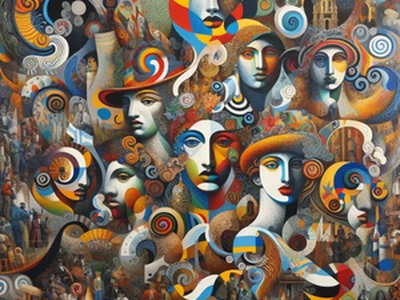
Chilean art and music reflect its diverse cultural heritage, with influences from indigenous traditions, folk music like cueca, and contemporary expressions in literature and visual arts.
Cultural Symbols Motifs
Symbols such as the huemul (a native deer) and the condor represent Chilean identity, alongside motifs from Mapuche art and colonial architecture.
What Brings Joy
Joy in Chilean culture is often found in communal gatherings, celebrations, and the appreciation of natural beauty, such as the Andes and the Pacific coast.
Celebrations Joyful Traditions
National holidays like Fiestas Patrias and cultural festivals such as Carnaval Andino are celebrated with music, dance, and traditional foods.
Cultural Calendar And Holidays
Key holidays include Independence Day (September 18), Christmas, and New Year's, with regional festivals highlighting local traditions.
Additional Notes
Chilean culture is dynamic, with a growing emphasis on preserving indigenous traditions while embracing modern influences.
Economic Context And Occupations
Chile's economy is diverse, with key sectors including mining, agriculture, and services. Economic disparities exist, impacting access to services.
Housing And Living Arrangements
Housing varies from urban apartments to rural homes, with government programs aimed at improving living conditions for low-income families.
Nutrition And Dietary Norms
Chilean cuisine features staples like bread, seafood, and meat, with regional variations and a growing trend towards healthy eating and organic foods.
Interpretation Needs
Spanish is the primary language, but interpretation services are needed for indigenous languages like Mapudungun and for immigrant communities.
Interpreter Notes
Interpreters should be aware of regional dialects and cultural nuances, particularly when working with indigenous or rural populations.
Documentation Traditions
Documentation in Chile follows formal Spanish conventions, with increasing use of digital formats for official and educational purposes.
Interactions With Other Cultures
Chile has a history of cultural exchange with neighboring countries and global partners, fostering mutual understanding and collaboration.
Conflict Resolution Mechanisms
Traditional conflict resolution includes community dialogue and legal frameworks, with indigenous practices emphasizing consensus and reconciliation.
Cultural Exchange Programs
Chile participates in cultural exchange programs with countries worldwide, promoting arts, education, and mutual cultural appreciation.
Trade Relations
Chile maintains strong trade relations globally, particularly in mining, agriculture, and wine exports, contributing to cultural and economic exchanges.
Shared Artistic Projects
Collaborative artistic projects often involve regional partners, highlighting shared cultural themes and fostering creative innovation.
Intercultural Marriages
Intercultural marriages are increasingly common, reflecting Chile's diverse society and openness to global influences.
Shared Educational Initiatives
Educational initiatives with international partners focus on language exchange, research collaboration, and cultural studies.
Youth Perspectives
Chilean youth are increasingly engaged in social and political issues, advocating for education reform, environmental protection, and social justice.
Education Initiatives
Initiatives focus on improving access to quality education, integrating technology, and promoting bilingual education in indigenous areas.
Future Challenges
Challenges include addressing economic inequality, environmental sustainability, and ensuring equitable access to education and healthcare.
Youth Employment Trends
Youth employment trends show a shift towards technology and service sectors, with entrepreneurship gaining popularity among young Chileans.
Future Visions
Future visions for Chile include sustainable development, technological innovation, and preserving cultural heritage while embracing modernity.
Youth Leadership Roles
Youth are taking on leadership roles in social movements, political organizations, and community projects, driving change and innovation.
Innovation And Startups
Chile's startup ecosystem is growing, supported by government initiatives and a vibrant community of young entrepreneurs.
Festivals And Celebrations
Festivals such as the Tapati Rapa Nui on Easter Island and the Fiesta de la Tirana showcase Chile's cultural diversity and heritage.
Traditional Medicine Practices
Traditional medicine, particularly among indigenous communities, includes herbal remedies and spiritual healing practices.
Environmental Practices
Chile is committed to environmental conservation, with initiatives to protect its diverse ecosystems and promote sustainable practices.
Rituals
Rituals in Chile often involve a blend of Catholic and indigenous traditions, marking life events and seasonal changes.
Rites Of Passage
Rites of passage, such as quinceañeras and Mapuche coming-of-age ceremonies, play a significant role in cultural identity.
Culinary Traditions
Chilean cuisine features dishes like empanadas, cazuela, and asado, with regional specialties reflecting local ingredients and traditions.
Climate Adaptation Strategies
Chile is developing strategies to adapt to climate change, focusing on water management, renewable energy, and sustainable agriculture.
Biodiversity Conservation
Efforts to conserve biodiversity include protecting national parks, marine reserves, and endangered species.
Sustainable Tourism Practices
Sustainable tourism is promoted through eco-friendly accommodations and community-based tourism initiatives.
Renewable Energy Use
Chile is a leader in renewable energy, particularly solar and wind power, aiming to reduce its carbon footprint and promote sustainability.
Community Involvement In Practices
Communities are actively involved in environmental conservation and cultural preservation, fostering a sense of stewardship and pride.
Environmental Education Programs
Environmental education programs in schools and communities emphasize the importance of conservation and sustainable living.
Notable Figures
Notable Chileans include poet Pablo Neruda, writer Isabel Allende, and Nobel laureate Gabriela Mistral.
Cultural Innovations
Chile has contributed to cultural innovations in literature, music, and visual arts, with a growing influence in global cultural dialogues.
Literary Works
Chilean literature is renowned for its depth and diversity, with works by authors like Roberto Bolaño and José Donoso gaining international acclaim.
Architectural Styles
Chilean architecture blends colonial influences with modern design, seen in structures like the Palacio de La Moneda and contemporary urban developments.
Scientific Contributions
Chile is recognized for its contributions to astronomy, with world-class observatories in the Atacama Desert and advancements in seismology.
Culinary Innovations
Chilean chefs are gaining recognition for innovative cuisine that highlights local ingredients and traditional flavors with modern techniques.
Global Influence
Chile's global influence is evident in its cultural exports, diplomatic relations, and participation in international organizations.
Awards And Recognition
Chilean artists and scientists have received numerous awards, including Nobel Prizes and international accolades for their contributions to culture and science.
Modern Influences
Modern influences in Chile include global pop culture, digital media, and technological advancements, impacting lifestyle and cultural expressions.
Digital Presence
Chile has a strong digital presence, with widespread internet access and active participation in social media platforms.
Globalization Effects
Globalization has brought diverse cultural influences to Chile, enriching its cultural landscape while posing challenges to traditional practices.
Urbanization Effects
Urbanization has transformed Chilean cities, leading to modern infrastructure development and changes in social dynamics.
Technology Adoption
Chile is a leader in technology adoption in Latin America, with initiatives to promote digital literacy and innovation.
Hybrid Cultural Forms
Hybrid cultural forms are emerging, blending traditional Chilean elements with global trends in music, fashion, and art.
Social Media Presence
Social media is a significant platform for cultural expression and social activism in Chile, connecting people and ideas across the country and beyond.
Challenges
Challenges include preserving indigenous cultures, addressing social inequalities, and balancing modernization with cultural heritage.
Preservation Efforts
Efforts to preserve Chilean culture focus on supporting indigenous communities, promoting cultural education, and safeguarding historical sites.
Cultural Artwork
Community Discussion
Further Reading
Explore credible external sources to deepen your understanding of Chilean culture.