
Edo
Southern Nigeria EdoEnglish
The Edo culture is rich in history, art, and tradition, originating from the Benin Kingdom in present-day Nigeria.
Historical Context
The Edo people established the Benin Kingdom around the 11th century, which became a major power in West Africa.
Migration Patterns
Historically, the Edo people have migrated within Nigeria and to other parts of the world, particularly during the colonial period.
Conflict And Resilience History
The Edo have faced conflicts, including colonial invasions, but have shown resilience through cultural preservation.
Diaspora Perspectives
The Edo diaspora maintains strong cultural ties through festivals and community organizations.
Regional Variations
There are slight variations in dialects and customs among Edo subgroups.
Bridging Notes
The Edo culture has influenced and been influenced by neighboring cultures through trade and intermarriage.
Spiritual And Religious Practices
Traditional Edo religion involves worship of deities and ancestors, with rituals conducted by priests.
Beliefs And Worldview
Edo beliefs emphasize the importance of community, respect for elders, and the spiritual world.
Cultural Proverbs Sayings
Proverbs are used to convey wisdom, such as 'A tree does not make a forest.'
Naming Conventions And Terms Of Address
Names often reflect circumstances of birth or ancestral lineage, with respect shown through titles.
Health And Mental Health
Traditional medicine is still practiced alongside modern healthcare, with an emphasis on herbal remedies.
Mental Health Views
Mental health is often viewed through a spiritual lens, with traditional healers playing a role in treatment.
Traditional Healers
Healers, known as 'Ohen,' use herbs and spiritual practices to treat ailments.
Gender Roles In Healthcare
Women often serve as caregivers, while men may hold roles as traditional healers.
Healthcare Barriers
Access to modern healthcare can be limited by economic factors and geographical location.
Education And Learning Styles
Education is valued, with a focus on both formal schooling and traditional knowledge.
Learning Styles
Learning often involves storytelling and practical demonstrations.
Parental Engagement
Parents are actively involved in their children's education, emphasizing discipline and respect.
Family And Social Structure
The Edo society is organized around extended families and clans, with elders holding significant authority.
Discipline And Behavior
Discipline is enforced through community norms and respect for elders.
Authority Attitudes
Elders and community leaders are highly respected, and their decisions are often final.
Etiquette And Customs
Etiquette involves greeting elders with respect and participating in communal activities.
Community Strengths Resilience
The Edo community is known for its resilience, maintaining cultural practices despite external pressures.
Art Music And Expression
Edo art is renowned for its bronze sculptures and vibrant music, often used in ceremonies.
Cultural Symbols Motifs
Symbols such as the leopard and coral beads represent power and royalty.
What Brings Joy
Community gatherings, music, and festivals bring joy to the Edo people.
Celebrations Joyful Traditions
Festivals like the Igue Festival celebrate the king and the community's prosperity.
Cultural Calendar And Holidays
The Edo cultural calendar includes various festivals tied to the agricultural cycle.
Additional Notes
Edo culture is dynamic, blending traditional practices with modern influences.
Economic Context And Occupations
Economy is based on agriculture, trade, and increasingly, urban professions.
Housing And Living Arrangements
Traditional compounds house extended families, while urban areas see nuclear family setups.
Nutrition And Dietary Norms
Diet includes yams, plantains, and soups, with communal meals being common.
Interpretation Needs
Interpretation may be needed for non-Edo speakers, especially in rural areas.
Interpreter Notes
Interpreters should be familiar with cultural nuances and dialects.
Documentation Traditions
Oral traditions are strong, with stories and history passed down verbally.
Interactions With Other Cultures
The Edo have historically interacted with neighboring cultures through trade and diplomacy.
Conflict Resolution Mechanisms
Conflicts are traditionally resolved through community elders and dialogue.
Cultural Exchange Programs
There are initiatives to promote cultural exchange with other Nigerian and African cultures.
Trade Relations
Historically, the Edo engaged in trade with European and African partners.
Shared Artistic Projects
Collaborations in art and music with other cultures are common.
Intercultural Marriages
Intermarriages with neighboring ethnic groups are accepted and common.
Shared Educational Initiatives
Educational programs often include cultural studies to promote understanding.
Youth Perspectives
Edo youth are increasingly blending traditional values with modern aspirations.
Education Initiatives
Programs focus on improving access to education and integrating cultural studies.
Future Challenges
Challenges include balancing modernization with cultural preservation.
Youth Employment Trends
Youth are moving towards urban centers for employment in diverse sectors.
Future Visions
There is a vision for a culturally rich yet modern Edo society.
Youth Leadership Roles
Youth are encouraged to take leadership roles in community development.
Innovation And Startups
There is a growing trend of startups in technology and creative industries.
Festivals And Celebrations
Festivals like Igue and Ugie celebrate cultural heritage and community.
Traditional Medicine Practices
Herbal medicine and spiritual healing are integral to health practices.
Environmental Practices
Traditional practices include sustainable farming and respect for natural resources.
Rituals
Rituals are performed to honor deities and ancestors, often involving music and dance.
Rites Of Passage
Rites such as marriage and initiation ceremonies mark important life stages.
Culinary Traditions
Cuisine features staple foods like yams and plantains, often prepared communally.
Climate Adaptation Strategies
Adaptation includes traditional farming techniques and community planning.
Biodiversity Conservation
Efforts are made to preserve local flora and fauna through traditional practices.
Sustainable Tourism Practices
Tourism initiatives focus on cultural heritage and environmental sustainability.
Renewable Energy Use
There is growing interest in renewable energy to support sustainable development.
Community Involvement In Practices
Community involvement is key in maintaining cultural and environmental practices.
Environmental Education Programs
Programs aim to educate about sustainable practices and environmental conservation.
Notable Figures
Figures like Oba Ewuare and artists like Chief Ovia Idah are celebrated.
Cultural Innovations
Innovations include bronze casting techniques and artistic styles.
Literary Works
Oral literature and modern writings reflect Edo history and values.
Architectural Styles
Traditional architecture includes palaces and shrines with intricate carvings.
Scientific Contributions
Contributions in metallurgy and art are notable.
Culinary Innovations
Innovations include unique spice blends and cooking techniques.
Global Influence
Edo art and culture have influenced global perceptions of African art.
Awards And Recognition
Edo artists and cultural figures have received international recognition.
Modern Influences
Modern influences include urbanization and global cultural exchanges.
Digital Presence
Edo culture is increasingly represented online through social media and digital archives.
Globalization Effects
Globalization has brought both opportunities and challenges for cultural preservation.
Urbanization Effects
Urbanization has led to changes in family structure and lifestyle.
Technology Adoption
Technology is being adopted in education and cultural preservation efforts.
Hybrid Cultural Forms
Hybrid forms blend traditional and modern elements in music, art, and fashion.
Social Media Presence
Social media is used to promote Edo culture and connect with the diaspora.
Challenges
Challenges include cultural erosion due to globalization and urbanization.
Preservation Efforts
Efforts include cultural festivals, educational programs, and heritage sites.
Cultural Artwork
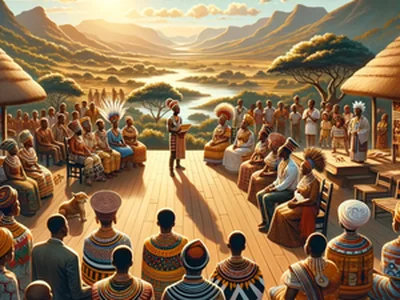
Community Discussion
Further Reading
Explore credible external sources to deepen your understanding of Edo culture.