
Dutch
Western Europe Dutch
The Dutch culture is known for its rich history, artistic heritage, and progressive social policies. It is characterized by a strong sense of community, openness, and pragmatism.
Historical Context
The Netherlands has a rich history of maritime trade and exploration, which has significantly influenced its culture. The Dutch Golden Age in the 17th century was a period of great wealth and cultural achievement.
Migration Patterns
The Netherlands has experienced various waves of migration, including post-colonial migration from Indonesia and Suriname, and more recent immigration from Turkey and Morocco.
Conflict And Resilience History
The Dutch have a history of resilience, having overcome challenges such as the Eighty Years' War for independence from Spain and the North Sea floods.
Diaspora Perspectives
The Dutch diaspora is spread across the world, particularly in countries like the United States, Canada, and Australia, maintaining cultural ties through language and traditions.
Regional Variations
There are notable regional differences within the Netherlands, such as linguistic variations between the north and south, and distinct cultural practices in Friesland and Limburg.
Bridging Notes
Dutch culture often serves as a bridge between different European cultures due to its historical role in trade and diplomacy.
Spiritual And Religious Practices
The Netherlands is known for its religious diversity and secularism. While historically Protestant, it now has a significant Catholic population and a growing number of non-religious individuals.
Beliefs And Worldview
Dutch society values egalitarianism, individual freedom, and social welfare. There is a strong emphasis on consensus and cooperation.
Cultural Proverbs Sayings
Common Dutch sayings include 'Doe maar gewoon, dan doe je al gek genoeg' (Just act normal, that's crazy enough) and 'Met de deur in huis vallen' (To fall with the door into the house, meaning to get straight to the point).
Naming Conventions And Terms Of Address
Dutch naming conventions typically include a given name followed by a family name. It is common to address people by their first name, even in professional settings, reflecting the culture's informality.
Health And Mental Health
The Dutch healthcare system is known for its accessibility and quality. Mental health is increasingly recognized, with a focus on prevention and community-based care.
Mental Health Views
Mental health is generally viewed with openness, and there is a strong emphasis on destigmatization and support through public health initiatives.
Traditional Healers
While traditional healers are not common, there is a growing interest in alternative medicine, including homeopathy and acupuncture.
Gender Roles In Healthcare
Gender roles in healthcare are relatively egalitarian, with both men and women actively participating in healthcare professions.
Healthcare Barriers
Language can be a barrier for non-Dutch speakers, and there are ongoing efforts to improve healthcare access for immigrant communities.
Education And Learning Styles
The Dutch education system emphasizes critical thinking, creativity, and student-centered learning. It is known for its high quality and accessibility.
Learning Styles
Dutch students are encouraged to be independent learners, with a focus on group work and interactive learning environments.
Parental Engagement
Parents are actively involved in their children's education, often participating in school activities and decision-making processes.
Family And Social Structure
Dutch families tend to be small and nuclear, with a strong emphasis on work-life balance and shared responsibilities.
Discipline And Behavior
Discipline is generally approached with a focus on dialogue and understanding rather than strict punishment.
Authority Attitudes
There is a general respect for authority, but Dutch culture values open dialogue and questioning of norms.
Etiquette And Customs
Dutch etiquette emphasizes punctuality, directness, and politeness. It is customary to greet with a handshake and maintain eye contact.
Community Strengths Resilience
Dutch communities are known for their strong social networks and resilience, often coming together to support each other in times of need.
Art Music And Expression
The Netherlands has a rich artistic heritage, with contributions to painting, music, and design. Famous artists include Rembrandt and Van Gogh.
Cultural Symbols Motifs
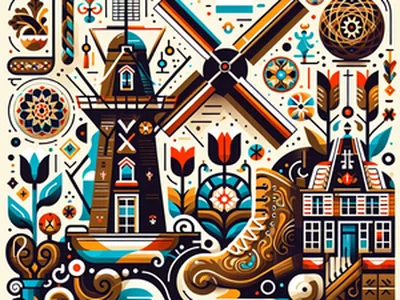
Common symbols include the tulip, windmills, and clogs, which are often associated with Dutch identity.
What Brings Joy
The Dutch find joy in simple pleasures such as cycling, spending time with family, and enjoying nature.
Celebrations Joyful Traditions
King's Day and Sinterklaas are major celebrations, marked by parades, music, and traditional foods.
Cultural Calendar And Holidays
Important holidays include King's Day, Liberation Day, and Christmas, each celebrated with unique customs.
Additional Notes
The Dutch have a strong tradition of community festivals and events that celebrate local culture and history.
Economic Context And Occupations
The Dutch economy is diverse, with strong sectors in agriculture, technology, and finance. The country is known for its high standard of living.
Housing And Living Arrangements
Housing in the Netherlands ranges from urban apartments to rural homes, with a focus on sustainable living and community planning.
Nutrition And Dietary Norms
The Dutch diet is varied, with staples like bread, cheese, and potatoes. There is a growing trend towards organic and locally sourced foods.
Interpretation Needs
While most Dutch people speak English, interpretation services are available for non-Dutch speakers in healthcare and legal settings.
Interpreter Notes
Interpreters are often used in official settings to ensure clear communication, particularly for immigrant communities.
Documentation Traditions
The Dutch have a strong tradition of documentation and record-keeping, reflected in their meticulous archival practices.
Interactions With Other Cultures
The Dutch are known for their openness and engagement with other cultures, often serving as mediators in international contexts.
Conflict Resolution Mechanisms
The Netherlands emphasizes dialogue and negotiation in conflict resolution, both domestically and internationally.
Cultural Exchange Programs
There are numerous cultural exchange programs that promote understanding and collaboration between the Netherlands and other countries.
Trade Relations
The Netherlands has strong trade relations globally, being one of the largest exporters in Europe.
Shared Artistic Projects
Dutch artists frequently collaborate with international peers, contributing to global art movements.
Intercultural Marriages
Intercultural marriages are common, reflecting the country's diverse population and open attitudes.
Shared Educational Initiatives
The Netherlands participates in various international educational initiatives, promoting cross-cultural learning and exchange.
Youth Perspectives
Dutch youth are generally optimistic about the future, valuing education, sustainability, and social equality.
Education Initiatives
There are numerous initiatives aimed at improving education access and quality, particularly in STEM fields.
Future Challenges
Challenges include addressing climate change, maintaining social cohesion, and adapting to technological advancements.
Youth Employment Trends
Youth employment is focused on technology, creative industries, and sustainable development.
Future Visions
The Dutch envision a future that balances economic growth with environmental sustainability and social welfare.
Youth Leadership Roles
Young people are increasingly taking on leadership roles in politics, business, and social movements.
Innovation And Startups
The Netherlands is a hub for innovation and startups, particularly in technology and green energy sectors.
Festivals And Celebrations
Festivals such as King's Day and Carnival are celebrated with parades, music, and traditional foods.
Traditional Medicine Practices
While modern medicine is predominant, there is interest in alternative practices like herbal remedies and acupuncture.
Environmental Practices
The Netherlands is a leader in environmental practices, focusing on sustainability and renewable energy.
Rituals
Rituals often revolve around life events such as births, weddings, and funerals, with a mix of traditional and modern elements.
Rites Of Passage
Common rites of passage include graduation ceremonies and coming-of-age celebrations.
Culinary Traditions
Dutch cuisine includes dishes like stamppot, herring, and stroopwafels, reflecting a mix of traditional and modern influences.
Climate Adaptation Strategies
The Netherlands has advanced strategies for dealing with climate change, including flood management and sustainable urban planning.
Biodiversity Conservation
Efforts are made to conserve biodiversity through protected areas and sustainable agriculture practices.
Sustainable Tourism Practices
Tourism in the Netherlands emphasizes sustainability, with initiatives to reduce environmental impact.
Renewable Energy Use
The Netherlands is investing heavily in renewable energy sources, such as wind and solar power.
Community Involvement In Practices
Communities are actively involved in environmental initiatives, often participating in local conservation efforts.
Environmental Education Programs
There are numerous programs aimed at educating the public about environmental issues and sustainability.
Notable Figures
Notable Dutch figures include Vincent van Gogh, Anne Frank, and Rembrandt van Rijn.
Cultural Innovations
The Netherlands has contributed to innovations in art, architecture, and design, including the De Stijl movement.
Literary Works
Dutch literature includes works by authors like Harry Mulisch and Cees Nooteboom, known for their exploration of identity and history.
Architectural Styles
Dutch architecture is known for its modernist and functionalist styles, with iconic structures like the Rietveld Schröder House.
Scientific Contributions
The Netherlands has made significant contributions to science, particularly in fields like physics and microbiology.
Culinary Innovations
Dutch cuisine is known for its innovative use of local ingredients and sustainable practices.
Global Influence
Dutch culture has a global influence, particularly in art, design, and social policy.
Awards And Recognition
The Netherlands has received numerous international awards for its cultural and scientific contributions.
Modern Influences
Dutch culture is influenced by global trends in technology, fashion, and media, while maintaining its unique identity.
Digital Presence
The Netherlands has a strong digital presence, with widespread internet access and a thriving tech industry.
Globalization Effects
Globalization has led to increased cultural exchange and diversity within Dutch society.
Urbanization Effects
Urbanization has transformed Dutch cities, leading to innovative approaches in architecture and public transport.
Technology Adoption
The Dutch are early adopters of technology, with a focus on smart cities and digital innovation.
Hybrid Cultural Forms
There is a growing trend of hybrid cultural forms, blending traditional Dutch elements with global influences.
Social Media Presence
Social media is widely used in the Netherlands, influencing cultural trends and social movements.
Challenges
Challenges include balancing cultural preservation with modernization, and addressing social issues like immigration and integration.
Preservation Efforts
Efforts are made to preserve Dutch cultural heritage through museums, education, and community initiatives.
Cultural Artwork
Community Discussion
Further Reading
Explore credible external sources to deepen your understanding of Dutch culture.