
Boeroes
Suriname DutchSranan Tongo
The Boeroes are a cultural group primarily found in Suriname, with roots tracing back to Dutch settlers. They have a unique blend of European and local traditions.
Historical Context
The Boeroes originated from Dutch settlers who arrived in Suriname in the 19th century, primarily as farmers. They played a significant role in the agricultural development of the region.
Migration Patterns
Initial migration from the Netherlands to Suriname in the 19th century, with some later movements within Suriname.
Conflict And Resilience History
The Boeroes have faced challenges related to land ownership and cultural preservation but have shown resilience by maintaining their traditions.
Diaspora Perspectives
While most Boeroes remain in Suriname, some have migrated to the Netherlands, maintaining cultural ties through community networks.
Regional Variations
There are slight variations in cultural practices among Boeroes based on their proximity to urban centers versus rural areas.
Bridging Notes
The Boeroes serve as a cultural bridge between European and Surinamese traditions, contributing to the multicultural fabric of the region.
Spiritual And Religious Practices
Predominantly Christian, with practices influenced by Protestant traditions.
Beliefs And Worldview
The Boeroes value community, hard work, and maintaining their cultural heritage. They have a pragmatic worldview influenced by their agricultural background.
Cultural Proverbs Sayings
Common sayings emphasize the importance of land, family, and perseverance.
Naming Conventions And Terms Of Address
Names often reflect Dutch origins, with formal terms of address used in social settings.
Health And Mental Health
Health practices are influenced by both Western medicine and local traditions. Mental health is often addressed within the family or community context.
Mental Health Views
Mental health is considered important, but there may be stigma associated with seeking formal mental health services.
Traditional Healers
While Western medicine is prevalent, some Boeroes may consult traditional healers for certain ailments.
Gender Roles In Healthcare
Healthcare roles are traditionally gendered, with women often serving as primary caregivers.
Healthcare Barriers
Access to healthcare can be limited in rural areas, and there may be language barriers for those not fluent in Dutch.
Education And Learning Styles
Education is highly valued, with a focus on both formal schooling and practical skills.
Learning Styles
Learning is often hands-on, reflecting the agricultural roots of the community.
Parental Engagement
Parents are actively involved in their children's education, emphasizing discipline and academic achievement.
Family And Social Structure
The Boeroes have a strong family-oriented culture, with extended family networks playing a crucial role.
Discipline And Behavior
Discipline is often strict, reflecting traditional values and the importance of respect for elders.
Authority Attitudes
Respect for authority is ingrained, with community leaders and elders holding significant influence.
Etiquette And Customs
Customs are a blend of Dutch and local traditions, with an emphasis on hospitality and respect.
Community Strengths Resilience
The Boeroes are known for their resilience, community solidarity, and ability to adapt to changing circumstances.
Art Music And Expression
Artistic expression includes traditional Dutch crafts and music, as well as local Surinamese influences.
Cultural Symbols Motifs
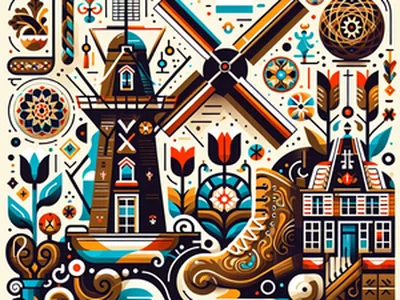
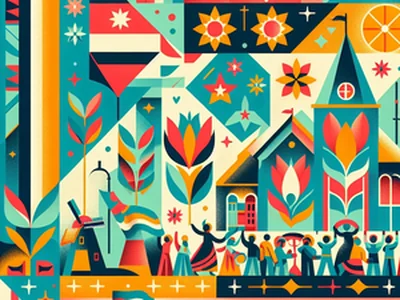
Symbols often include elements from Dutch heritage, such as windmills and tulips, blended with local motifs.
What Brings Joy
Community gatherings, music, and traditional celebrations are sources of joy.
Celebrations Joyful Traditions
Key celebrations include traditional Dutch holidays and local festivals.
Cultural Calendar And Holidays
The Boeroes celebrate a mix of Dutch and Surinamese holidays, including Christmas and Independence Day.
Additional Notes
The Boeroes' cultural expressions are a testament to their rich heritage and adaptability.
Economic Context And Occupations
Traditionally involved in agriculture, with increasing participation in diverse sectors such as education and business.
Housing And Living Arrangements
Housing varies from rural farmsteads to urban residences, reflecting economic diversity.
Nutrition And Dietary Norms
Diet includes a mix of Dutch and local foods, with an emphasis on fresh produce and traditional dishes.
Interpretation Needs
Interpretation may be needed for those not fluent in Dutch, especially in healthcare and legal settings.
Interpreter Notes
Interpreters should be familiar with both Dutch and Sranan Tongo to effectively communicate with the Boeroes.
Documentation Traditions
Documentation is primarily in Dutch, with some use of local languages for informal communication.
Interactions With Other Cultures
The Boeroes interact with various cultural groups in Suriname, fostering mutual respect and exchange.
Conflict Resolution Mechanisms
Conflicts are typically resolved through community dialogue and traditional mediation practices.
Cultural Exchange Programs
Participate in cultural exchange programs with Dutch communities to maintain heritage ties.
Trade Relations
Historically involved in agricultural trade, with modern diversification into other sectors.
Shared Artistic Projects
Collaborate on artistic projects that blend Dutch and Surinamese influences.
Intercultural Marriages
Intercultural marriages are common, reflecting the diverse social fabric of Suriname.
Shared Educational Initiatives
Engage in educational initiatives that promote cultural understanding and heritage preservation.
Youth Perspectives
Youth are increasingly embracing a blend of traditional and modern values, seeking education and opportunities.
Education Initiatives
Programs focus on preserving cultural heritage while providing modern educational opportunities.
Future Challenges
Challenges include balancing cultural preservation with modernization and economic development.
Youth Employment Trends
Youth are moving towards diverse employment sectors, including technology and services.
Future Visions
The Boeroes envision a future where their cultural heritage is preserved while embracing modern advancements.
Youth Leadership Roles
Youth are encouraged to take on leadership roles within the community to drive cultural and economic initiatives.
Innovation And Startups
There is a growing interest in entrepreneurship and startups among Boeroes youth, particularly in sustainable agriculture and technology.
Festivals And Celebrations
Celebrate a mix of traditional Dutch and local festivals, emphasizing community and heritage.
Traditional Medicine Practices
Use of herbal remedies and traditional healing practices alongside modern medicine.
Environmental Practices
Emphasize sustainable farming and conservation of natural resources.
Rituals
Rituals often blend Christian practices with local traditions, marking important life events.
Rites Of Passage
Rites of passage include traditional ceremonies for births, marriages, and coming of age.
Culinary Traditions
Culinary practices reflect a blend of Dutch and Surinamese influences, with an emphasis on local ingredients.
Climate Adaptation Strategies
Adopt agricultural practices that are resilient to climate change, focusing on sustainability.
Biodiversity Conservation
Engage in efforts to preserve local biodiversity, recognizing its importance to cultural and environmental health.
Sustainable Tourism Practices
Promote tourism that respects cultural heritage and environmental sustainability.
Renewable Energy Use
Increasing interest in renewable energy sources to reduce environmental impact.
Community Involvement In Practices
Community plays a key role in environmental and cultural preservation efforts.
Environmental Education Programs
Programs aim to educate the community about environmental conservation and sustainable practices.
Notable Figures
Include influential community leaders and cultural advocates who have promoted Boeroes heritage.
Cultural Innovations
Innovations in sustainable agriculture and community-based cultural preservation.
Literary Works
Literature often reflects themes of cultural identity and heritage preservation.
Architectural Styles
Architecture blends Dutch colonial styles with local adaptations.
Scientific Contributions
Contributions in agricultural science and environmental conservation.
Culinary Innovations
Fusion of Dutch and Surinamese cuisines, creating unique culinary experiences.
Global Influence
The Boeroes have influenced cultural and agricultural practices in Suriname and beyond.
Awards And Recognition
Recognition for contributions to cultural preservation and sustainable practices.
Modern Influences
Influenced by global trends while maintaining cultural roots.
Digital Presence
Growing digital presence through social media and online cultural platforms.
Globalization Effects
Globalization has brought both opportunities and challenges in cultural preservation.
Urbanization Effects
Urbanization has led to changes in lifestyle and cultural practices, particularly among youth.
Technology Adoption
Adoption of technology in education and agriculture, enhancing productivity and connectivity.
Hybrid Cultural Forms
Emergence of hybrid cultural forms that blend traditional and modern elements.
Social Media Presence
Active on social media platforms to promote cultural heritage and community events.
Challenges
Challenges include cultural assimilation, economic pressures, and environmental changes.
Preservation Efforts
Efforts focus on documenting cultural practices and promoting education to ensure cultural continuity.
Cultural Artwork
Community Discussion
Further Reading
Explore credible external sources to deepen your understanding of Boeroes culture.