
Chicano
Southwestern United States, particularly in states like California, Texas, Arizona, and New Mexico. EnglishSpanishSpanglish
Chicano culture represents the identity and experiences of Mexican Americans, particularly those who have embraced a distinct cultural identity in the United States.
Historical Context
The Chicano identity emerged in the mid-20th century as Mexican Americans sought to assert their cultural heritage and fight against discrimination. The Chicano Movement was pivotal in advocating for civil rights, educational reform, and political representation.
Migration Patterns
Chicanos are primarily descendants of Mexican immigrants who moved to the United States during various waves of migration, particularly during the 20th century.
Conflict And Resilience History
Chicanos have faced systemic discrimination and marginalization but have shown resilience through activism, cultural expression, and community solidarity.
Diaspora Perspectives
Chicano culture is deeply rooted in the Mexican American experience, with a focus on maintaining cultural heritage while navigating life in the United States.
Regional Variations
Chicano culture varies across regions, with influences from local Mexican American communities and differing historical experiences.
Bridging Notes
Chicano culture serves as a bridge between Mexican and American identities, fostering a unique cultural expression that celebrates both heritages.
Spiritual And Religious Practices
Many Chicanos practice Catholicism, often blended with indigenous beliefs and traditions. Spirituality is a significant aspect of cultural identity.
Beliefs And Worldview
Chicanos often emphasize family, community, and social justice. There is a strong sense of pride in cultural heritage and a commitment to activism.
Cultural Proverbs Sayings
Common sayings reflect values of hard work, resilience, and the importance of family, such as 'La familia es todo' (Family is everything).
Naming Conventions And Terms Of Address
Naming conventions often reflect both Mexican and American influences, with a mix of traditional Spanish names and Americanized versions.
Health And Mental Health
Chicanos may face health disparities due to socioeconomic factors. There is a growing focus on culturally competent healthcare to address these issues.
Mental Health Views
Mental health is sometimes stigmatized, but there is increasing awareness and advocacy for mental health resources within the community.
Traditional Healers
Curanderismo, a traditional form of healing, is practiced by some Chicanos, incorporating herbal remedies and spiritual healing.
Gender Roles In Healthcare
Traditional gender roles may influence healthcare decisions, with women often taking primary responsibility for family health.
Healthcare Barriers
Barriers include language differences, lack of access to affordable care, and cultural misunderstandings in healthcare settings.
Education And Learning Styles
Education is highly valued, with a focus on bilingual education and culturally relevant curricula to support Chicano students.
Learning Styles
Chicano students may benefit from collaborative and community-based learning approaches that reflect cultural values.
Parental Engagement
Family involvement in education is crucial, with parents often advocating for better educational opportunities and resources.
Family And Social Structure
Family is central to Chicano culture, often extending beyond the nuclear family to include a wide network of relatives and close friends.
Discipline And Behavior
Discipline is typically guided by respect for elders and the importance of maintaining family honor.
Authority Attitudes
There is respect for authority figures, but also a strong tradition of questioning and challenging unjust systems.
Etiquette And Customs
Customs include greeting with a handshake or hug, and showing hospitality and respect to guests.
Community Strengths Resilience
Chicano communities are known for their resilience, mutual support, and activism in the face of adversity.
Art Music And Expression
Chicano art and music are vibrant and diverse, often reflecting themes of identity, resistance, and cultural pride. Murals, lowrider culture, and Chicano rap are notable expressions.
Cultural Symbols Motifs
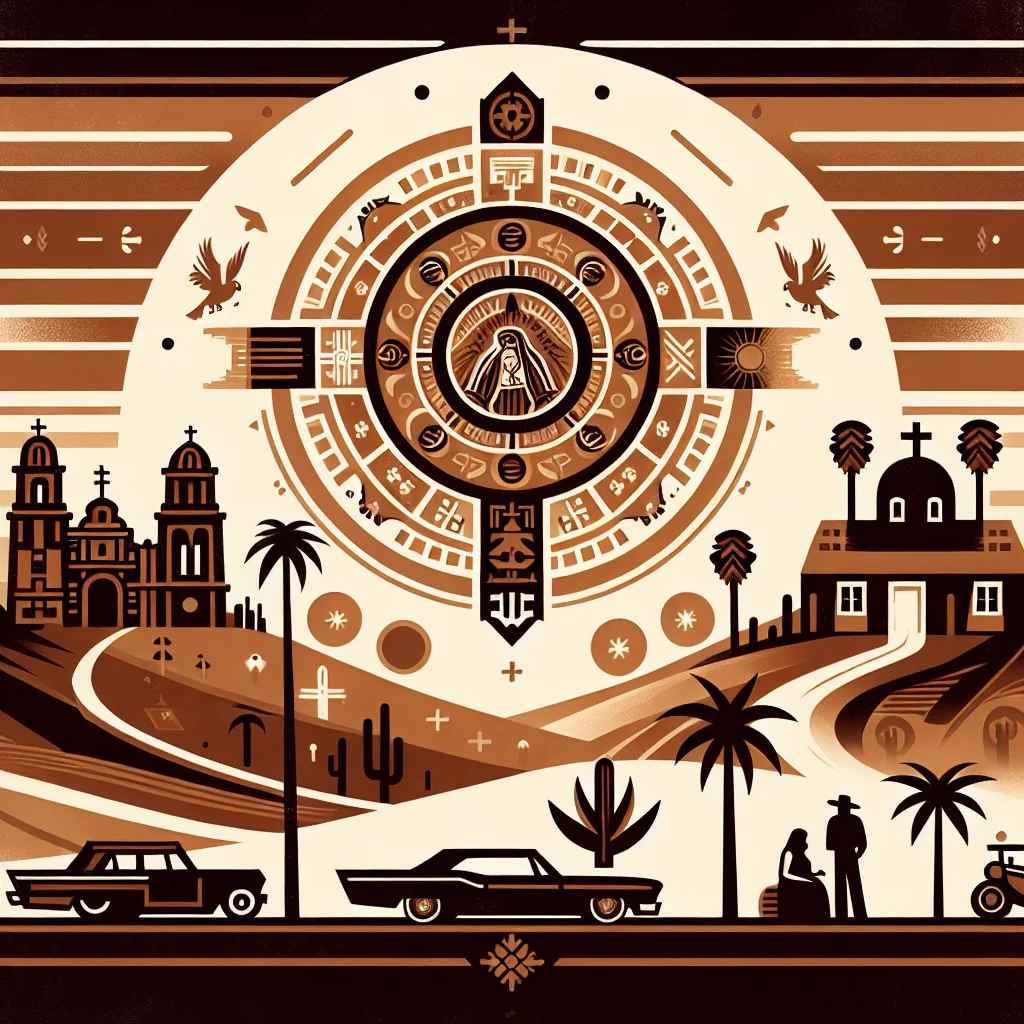
Symbols such as the Aztec calendar, La Virgen de Guadalupe, and the lowrider car are significant in Chicano culture.
What Brings Joy
Family gatherings, cultural celebrations, and artistic expression bring joy and a sense of community.
Celebrations Joyful Traditions
Celebrations like Día de los Muertos and Cinco de Mayo are important cultural events, often involving music, dance, and traditional foods.
Cultural Calendar And Holidays
In addition to mainstream American holidays, Chicanos celebrate Mexican holidays and cultural events that honor their heritage.
Additional Notes
Chicano culture is dynamic and continually evolving, incorporating new influences while maintaining a strong connection to its roots.
Economic Context And Occupations
Chicanos work in a variety of fields, with significant representation in agriculture, education, and the arts. Economic challenges persist due to systemic inequalities.
Housing And Living Arrangements
Chicano families often live in multigenerational households, reflecting cultural values of family support and cohesion.
Nutrition And Dietary Norms
Traditional Mexican foods are central to Chicano cuisine, often adapted to incorporate American influences.
Interpretation Needs
Bilingual services are often necessary, as many Chicanos speak both English and Spanish, with varying levels of proficiency.
Interpreter Notes
Interpreters should be culturally competent and sensitive to the nuances of Chicano identity and language use.
Documentation Traditions
Oral traditions are important, with storytelling and spoken word being key methods of cultural transmission.
Interactions With Other Cultures
Chicanos engage with a variety of cultures, often finding common ground with other Latino and minority communities in the U.S.
Conflict Resolution Mechanisms
Community dialogue and activism are common methods for addressing conflicts and advocating for social change.
Cultural Exchange Programs
Programs that promote cultural exchange and understanding between Chicanos and other groups are valued for fostering mutual respect.
Trade Relations
Chicano businesses often engage in trade within local and regional markets, emphasizing community support and economic empowerment.
Shared Artistic Projects
Collaborations in art and music with other cultural groups highlight shared experiences and diverse perspectives.
Intercultural Marriages
Intercultural marriages are common, reflecting the blending of Chicano culture with other cultural traditions.
Shared Educational Initiatives
Educational initiatives often focus on bilingual education and cultural competency, benefiting both Chicano and broader communities.
Youth Perspectives
Chicano youth are increasingly vocal about issues of identity, social justice, and cultural pride, often leading movements for change.
Education Initiatives
Programs aimed at increasing educational attainment and access to higher education for Chicano youth are crucial.
Future Challenges
Challenges include addressing systemic inequalities, preserving cultural identity, and navigating a rapidly changing social landscape.
Youth Employment Trends
Chicano youth are entering diverse fields, with a growing presence in technology, education, and the arts.
Future Visions
There is a strong vision for a future where Chicanos are fully represented and empowered in all aspects of society.
Youth Leadership Roles
Youth leadership is encouraged, with young Chicanos taking active roles in community organizations and advocacy groups.
Innovation And Startups
Chicano entrepreneurs are increasingly involved in startups, bringing innovative ideas and cultural perspectives to various industries.
Festivals And Celebrations
Festivals such as Día de los Muertos and Chicano Park Day celebrate cultural heritage and community spirit.
Traditional Medicine Practices
Traditional healing practices, including herbal remedies and spiritual healing, are part of the cultural landscape.
Environmental Practices
Community gardens and sustainable agriculture practices are embraced, reflecting a connection to the land and environmental stewardship.
Rituals
Rituals often blend Catholic and indigenous traditions, marking life events and cultural celebrations.
Rites Of Passage
Quinceañeras and other coming-of-age ceremonies are significant cultural rites of passage.
Culinary Traditions
Chicano cuisine is a fusion of Mexican and American flavors, with dishes like tacos, enchiladas, and tamales being staples.
Climate Adaptation Strategies
Community initiatives focus on adapting to climate change through sustainable practices and education.
Biodiversity Conservation
Efforts to conserve local biodiversity are supported through community education and sustainable practices.
Sustainable Tourism Practices
Promoting cultural tourism that respects and preserves Chicano heritage is a growing focus.
Renewable Energy Use
There is increasing interest in renewable energy solutions within Chicano communities, aligning with broader environmental goals.
Community Involvement In Practices
Community involvement is key in environmental and cultural practices, fostering a sense of ownership and responsibility.
Environmental Education Programs
Programs aimed at educating youth about environmental issues and sustainable practices are valued.
Notable Figures
Figures such as Cesar Chavez, Dolores Huerta, and Sandra Cisneros have made significant contributions to Chicano culture and advocacy.
Cultural Innovations
Chicano culture has influenced art, music, and literature, with innovations in muralism, lowrider culture, and Chicano literature.
Literary Works
Chicano literature explores themes of identity, resistance, and cultural heritage, with authors like Rudolfo Anaya and Gloria Anzaldúa being prominent.
Architectural Styles
Chicano architecture often incorporates elements of Mexican design, with vibrant colors and community-focused spaces.
Scientific Contributions
Chicanos have contributed to various scientific fields, though representation in STEM is an ongoing focus for improvement.
Culinary Innovations
Chicano cuisine has introduced unique flavors and dishes to the American culinary landscape, blending traditional Mexican ingredients with local influences.
Global Influence
Chicano culture has a global influence, particularly in the arts and social justice movements, inspiring similar movements worldwide.
Awards And Recognition
Chicano artists, writers, and activists have received numerous awards and recognition for their contributions to culture and society.
Modern Influences
Chicano culture continues to evolve, incorporating modern influences while maintaining a strong connection to its roots.
Digital Presence
Chicanos are active on digital platforms, using social media to share cultural content and advocate for social justice.
Globalization Effects
Globalization has brought both challenges and opportunities, influencing cultural practices and economic opportunities.
Urbanization Effects
Urbanization has impacted Chicano communities, leading to both cultural blending and challenges in preserving traditional practices.
Technology Adoption
Chicanos are increasingly adopting technology, using it to connect with broader communities and promote cultural initiatives.
Hybrid Cultural Forms
Hybrid cultural forms, such as Spanglish and fusion cuisine, reflect the blending of Mexican and American influences.
Social Media Presence
Social media is a powerful tool for Chicanos to express cultural identity, share stories, and mobilize for causes.
Challenges
Chicanos face challenges such as systemic discrimination, cultural assimilation pressures, and economic disparities.
Preservation Efforts
Efforts to preserve Chicano culture include educational programs, cultural festivals, and advocacy for representation in media and politics.
Cultural Artwork
Community Discussion
Further Reading
Explore credible external sources to deepen your understanding of Chicano culture.