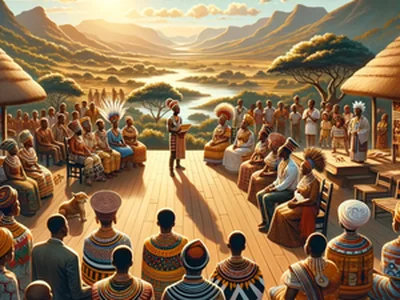

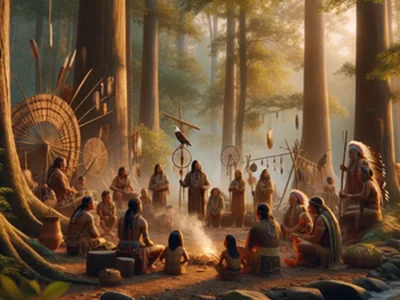
Cherokee
Southeastern United States, primarily Oklahoma CherokeeEnglish
The Cherokee are a Native American people originally from the southeastern United States, known for their rich cultural heritage, resilience, and adaptability.
Historical Context
The Cherokee have a long history that includes early settlement in the southeastern United States, forced removal during the Trail of Tears in the 1830s, and subsequent rebuilding in Oklahoma. They have maintained a strong cultural identity despite numerous challenges.
Migration Patterns
Originally from the southeastern United States, the Cherokee were forcibly relocated to Oklahoma during the Trail of Tears. This migration was a result of the Indian Removal Act of 1830, which led to significant loss of life and hardship.
Conflict And Resilience History
The Cherokee have faced numerous conflicts, including wars with European settlers and the U.S. government. Despite these challenges, they have shown resilience by preserving their culture, language, and governance systems.
Diaspora Perspectives
The Cherokee diaspora includes communities primarily in Oklahoma, North Carolina, and other parts of the United States, maintaining cultural ties through organizations and events.
Regional Variations
The Eastern Band of Cherokee Indians in North Carolina and the Cherokee Nation and United Keetoowah Band in Oklahoma represent regional variations with distinct governance and cultural practices.
Bridging Notes
Efforts to bridge historical divides include cultural exchanges and educational programs between different Cherokee communities.
Spiritual And Religious Practices
Cherokee spiritual practices are deeply connected to nature and include ceremonies such as the Green Corn Ceremony. They traditionally believe in a balance between the physical and spiritual worlds.
Beliefs And Worldview
The Cherokee worldview emphasizes harmony with nature, community, and the importance of maintaining balance in life. They believe in a spiritual connection to the land and all living things.
Cultural Proverbs Sayings
Cherokee proverbs often reflect their values, such as the importance of community, respect for nature, and the wisdom of elders. An example is 'Don't let yesterday use up too much of today.'
Naming Conventions And Terms Of Address
Cherokee naming conventions often include a given name and a clan name, with terms of address reflecting respect for elders and community leaders.
Health And Mental Health
Health practices among the Cherokee traditionally include a holistic approach, considering physical, mental, and spiritual well-being. Modern healthcare challenges include access to services and addressing historical trauma.
Mental Health Views
Mental health is traditionally viewed through a holistic lens, emphasizing balance and harmony between mind, body, and spirit.
Traditional Healers
Traditional Cherokee healers, known as medicine men or women, play a crucial role in community health, using herbal remedies and spiritual practices to treat ailments.
Gender Roles In Healthcare
Traditionally, women often serve as caregivers and healers, while men may engage in roles that involve physical protection and provision.
Healthcare Barriers
Barriers include access to culturally competent healthcare providers and facilities, as well as historical mistrust of external healthcare systems.
Education And Learning Styles
Cherokee education traditionally emphasizes oral history, storytelling, and practical skills. Modern education initiatives focus on preserving the Cherokee language and integrating cultural teachings.
Learning Styles
Cherokee learning styles often include experiential learning, storytelling, and community involvement, reflecting their cultural emphasis on oral traditions and practical knowledge.
Parental Engagement
Parental engagement is highly valued, with elders playing a significant role in the transmission of cultural knowledge and language.
Family And Social Structure
Cherokee social structure is traditionally matrilineal, with clans playing a significant role in identity and community organization. Family and community are central to Cherokee life.
Discipline And Behavior
Discipline is often community-based, focusing on teaching and guiding rather than punishment, with an emphasis on maintaining harmony.
Authority Attitudes
Respect for elders and community leaders is paramount, with decisions often made through consensus in council meetings.
Etiquette And Customs
Cherokee customs emphasize respect, hospitality, and community. Traditional etiquette includes showing respect to elders and participating in community events and ceremonies.
Community Strengths Resilience
The Cherokee community is known for its resilience, maintaining cultural practices and language despite historical challenges, and fostering strong communal bonds.
Art Music And Expression
Cherokee art includes basket weaving, pottery, and beadwork, often featuring traditional symbols and motifs. Music and dance are integral, with the stomp dance being a significant cultural expression.
Cultural Symbols Motifs
Cherokee symbols often include the seven-pointed star, representing the seven clans, and the sacred fire, symbolizing life and renewal.
What Brings Joy
Community gatherings, storytelling, and traditional dances bring joy and reinforce cultural identity.
Celebrations Joyful Traditions
Cherokee celebrations include the Green Corn Ceremony, which marks the harvest and renewal, and the Cherokee National Holiday, celebrating their cultural heritage and resilience.
Cultural Calendar And Holidays
Important cultural events include the Green Corn Ceremony and Cherokee National Holiday, celebrating heritage and community.
Additional Notes
Cherokee expression is rich with symbolism, often reflecting the natural world and spiritual beliefs.
Economic Context And Occupations
Historically, the Cherokee engaged in agriculture, hunting, and trade. Today, they are involved in various sectors, including education, healthcare, and government services.
Housing And Living Arrangements
Traditional Cherokee housing included log cabins and wattle-and-daub structures. Modern living arrangements vary, with many residing in urban and rural areas in Oklahoma.
Nutrition And Dietary Norms
Traditional Cherokee diet includes corn, beans, squash, and game, with modern adaptations incorporating these staples into contemporary cuisine.
Interpretation Needs
Interpretation services may be needed for Cherokee speakers, particularly elders, in healthcare and legal settings.
Interpreter Notes
Interpreters should be familiar with Cherokee cultural nuances and language dialects.
Documentation Traditions
Oral traditions are vital, with storytelling and oral history playing key roles in cultural preservation.
Interactions With Other Cultures
Cherokee people have historically interacted with European settlers and other Native American tribes, leading to cultural exchanges and conflicts.
Conflict Resolution Mechanisms
Traditional conflict resolution involves community discussions and consensus-building, often led by elders.
Cultural Exchange Programs
Programs exist to promote cultural exchange and understanding between Cherokee and other communities, including educational initiatives.
Trade Relations
Historically, the Cherokee engaged in trade with neighboring tribes and European settlers, exchanging goods such as furs and crafts.
Shared Artistic Projects
Collaborations in art and music with other Indigenous and non-Indigenous artists help promote cultural understanding.
Intercultural Marriages
Intercultural marriages have historically occurred, contributing to cultural blending and exchange.
Shared Educational Initiatives
Educational initiatives often focus on language preservation and cultural education, involving partnerships with schools and universities.
Youth Perspectives
Cherokee youth are increasingly involved in cultural preservation efforts, balancing traditional values with modern influences.
Education Initiatives
Initiatives focus on language revitalization and cultural education, often supported by tribal governments and educational institutions.
Future Challenges
Challenges include maintaining cultural identity in the face of globalization and ensuring economic opportunities for youth.
Youth Employment Trends
Trends show a growing interest in technology and entrepreneurship, alongside traditional crafts and trades.
Future Visions
Future visions include a thriving Cherokee Nation that preserves its cultural heritage while embracing modern advancements.
Youth Leadership Roles
Youth are encouraged to take on leadership roles within the community, fostering a new generation of cultural stewards.
Innovation And Startups
There is a growing interest in startups and innovation, particularly in areas like sustainable agriculture and technology.
Festivals And Celebrations
Festivals such as the Green Corn Ceremony celebrate the harvest and community, featuring traditional dances and rituals.
Traditional Medicine Practices
Traditional medicine includes herbal remedies and spiritual healing practices, often guided by elders and healers.
Environmental Practices
Cherokee environmental practices emphasize sustainability and respect for the land, with traditional ecological knowledge guiding resource management.
Rituals
Rituals often involve prayer, song, and dance, connecting participants with the spiritual world and natural environment.
Rites Of Passage
Rites of passage mark significant life transitions, such as coming of age, often involving community ceremonies and teachings.
Culinary Traditions
Culinary traditions include dishes like bean bread and hominy, reflecting a deep connection to the land and seasonal cycles.
Climate Adaptation Strategies
Adaptation strategies involve traditional ecological knowledge, focusing on sustainable agriculture and resource management.
Biodiversity Conservation
Conservation efforts focus on preserving native species and habitats, often in collaboration with environmental organizations.
Sustainable Tourism Practices
Sustainable tourism initiatives aim to educate visitors about Cherokee culture while minimizing environmental impact.
Renewable Energy Use
There is growing interest in renewable energy projects, such as solar and wind, to promote sustainability within Cherokee communities.
Community Involvement In Practices
Community involvement is crucial, with collective efforts to maintain cultural and environmental practices through education and participation.
Environmental Education Programs
Programs aim to educate both Cherokee youth and the broader public about traditional ecological knowledge and sustainable practices.
Notable Figures
Notable figures include Sequoyah, who developed the Cherokee syllabary, and Wilma Mankiller, the first female Principal Chief of the Cherokee Nation.
Cultural Innovations
The creation of the Cherokee syllabary by Sequoyah is a significant cultural innovation, facilitating literacy and cultural preservation.
Literary Works
Cherokee literature includes oral traditions, contemporary poetry, and writings that reflect cultural narratives and history.
Architectural Styles
Traditional Cherokee architecture includes log cabins and council houses, reflecting adaptation to various environments.
Scientific Contributions
Contributions include traditional ecological knowledge, which informs modern environmental science and conservation efforts.
Culinary Innovations
Culinary innovations involve blending traditional ingredients with modern techniques, promoting health and cultural continuity.
Global Influence
Cherokee culture influences global Indigenous movements, particularly in areas of language preservation and cultural rights.
Awards And Recognition
Cherokee individuals and organizations have received recognition for contributions to culture, education, and community development.
Modern Influences
Modern influences include technology and media, which are used to promote cultural education and connectivity.
Digital Presence
The Cherokee Nation maintains a strong digital presence, using websites and social media to engage with members and the public.
Globalization Effects
Globalization presents challenges and opportunities, influencing cultural practices and economic development.
Urbanization Effects
Urbanization affects traditional lifestyles, with efforts to maintain cultural practices in urban settings.
Technology Adoption
Technology is widely adopted for education, communication, and cultural preservation, including language apps and online resources.
Hybrid Cultural Forms
Hybrid cultural forms emerge as traditional practices blend with contemporary influences, seen in music, art, and cuisine.
Social Media Presence
Social media is used to share cultural events, promote language learning, and connect with the Cherokee diaspora.
Challenges
Challenges include cultural preservation amid modernization, economic disparities, and maintaining language fluency among youth.
Preservation Efforts
Efforts include language revitalization programs, cultural education initiatives, and legal protections for cultural heritage.
Cultural Artwork
Community Discussion
Further Reading
Explore credible external sources to deepen your understanding of Cherokee culture.