During polar night, Inuit communities live in darkness for months. The Winter Solstice marks the sun's return—a profound moment of hope, renewal, and celebration of light conquering darkness.
Thumbnail image shown on culture cards (recommended: 400x400px, square)
Hero Image
Large banner image for the culture detail page (recommended: 1200x600px,
wide)
📝 Core Information
Essential identifying information about the culture
The official name of the culture being enriched
Max 100 characters 8
A unique alphanumeric code representing the culture
Max 20 characters 3
A concise overview highlighting key attributes
Current Live Content
(329 chars)
Max 500 characters 329
Detailed description of defining characteristics, history, and contributions
Current Live Content
(329 chars)
Slovenia, a small yet culturally rich nation in Central Europe, is known for its picturesque landscapes, diverse traditions, and a blend of Slavic, Germanic, and Romance cultural influences. The country has a strong sense of national identity and pride, with a focus on preserving its cultural heritage while embracing modernity.
Max 5000 characters 329
Empty
Primary geographic area where the culture is located
Languages spoken by the culture
Empty
Cultures with historical, linguistic, or geographic ties
Empty
Alternative names for the culture
Empty
Broader cultural group this culture belongs to
📚 History
Historical context, migration patterns, and regional variations
Long history, roots, and identity development
Current Live Content
(327 chars)
Slovenia's history is marked by its strategic location at the crossroads of Europe, leading to a rich tapestry of cultural influences. It was part of the Roman Empire, the Habsburg Monarchy, and Yugoslavia before gaining independence in 1991. The country's history is characterized by resilience and a strong sense of identity.
Traditional and modern migration movements
Current Live Content
(251 chars)
Historically, Slovenia has experienced waves of emigration, particularly during the late 19th and early 20th centuries, as well as after World War II. Many Slovenians moved to the United States, Canada, and Australia in search of better opportunities.
Challenges faced and resilience demonstrated
Current Live Content
(207 chars)
Slovenia has faced various conflicts, including those during the Yugoslav Wars. However, it has demonstrated resilience, maintaining its cultural identity and achieving a peaceful transition to independence.
Perspectives from diaspora communities
Current Live Content
(171 chars)
The Slovenian diaspora maintains strong ties to their homeland, often participating in cultural events and contributing to the preservation of Slovenian traditions abroad.
Variations in dialects and customs across regions
Current Live Content
(171 chars)
Slovenia's regions, such as Carniola, Styria, and the Littoral, each have distinct cultural practices and dialects, reflecting the country's diverse historical influences.
Efforts to bridge cultural gaps
Current Live Content
(143 chars)
Slovenia serves as a cultural bridge between Western and Eastern Europe, fostering dialogue and cooperation across diverse cultural landscapes.
🙏 Beliefs & Values
Spiritual practices, worldview, and cultural values
Religious practices and their influence on daily life
Current Live Content
(216 chars)
The majority of Slovenians identify as Roman Catholic, with religious practices playing a significant role in cultural traditions and community life. There are also small Protestant, Orthodox, and Muslim communities.
Cultural worldview and core beliefs
Current Live Content
(190 chars)
Slovenians value community, family, and nature, with a strong emphasis on environmental conservation. The worldview is shaped by a blend of traditional values and modern European influences.
Important proverbs and sayings
Current Live Content
(156 chars)
Common Slovenian proverbs emphasize wisdom, patience, and the importance of hard work, reflecting the cultural values of perseverance and community support.
Naming traditions and terms of address
Current Live Content
(211 chars)
Slovenians typically use first names among friends and family, while formal titles and surnames are used in professional and formal settings. Naming conventions often reflect religious and historical influences.
🏥 Health & Wellness
Health practices, mental health views, and healthcare access
Overall health practices and approaches
Current Live Content
(207 chars)
Slovenia has a well-developed healthcare system, with a focus on preventive care and public health. Mental health awareness is growing, with increasing resources dedicated to addressing mental health issues.
Cultural perspectives on mental health
Current Live Content
(192 chars)
Mental health is becoming less stigmatized, with more open discussions and acceptance of mental health challenges. Efforts are being made to integrate mental health services into primary care.
Role of traditional healers in the community
Current Live Content
(136 chars)
While modern medicine is predominant, some Slovenians still turn to traditional remedies and herbal medicine, especially in rural areas.
How gender influences healthcare access and practices
Current Live Content
(206 chars)
Healthcare roles are becoming more gender-balanced, with women increasingly participating in medical professions. However, traditional gender roles may still influence healthcare decisions in some families.
Barriers to accessing healthcare
Current Live Content
(142 chars)
Access to healthcare can be limited in rural areas, and there are ongoing efforts to improve healthcare infrastructure and reduce disparities.
🎓 Education
Learning styles, educational approaches, and parental engagement
Educational approaches and learning styles
Current Live Content
(175 chars)
Slovenia places a high value on education, with a strong public education system that emphasizes critical thinking and creativity. Education is compulsory until the age of 15.
Preferred learning methods and styles
Current Live Content
(133 chars)
Slovenian education encourages interactive and student-centered learning, with a focus on problem-solving and collaborative projects.
How parents engage in children's education
Current Live Content
(138 chars)
Parents are actively involved in their children's education, often participating in school activities and supporting academic achievement.
👥 Community & Family
Social structure, family dynamics, and community values
How families and communities are organized
Current Live Content
(189 chars)
Family is the cornerstone of Slovenian society, with strong intergenerational ties and a focus on mutual support. Social structures are community-oriented, with a strong sense of belonging.
Approaches to discipline and behavioral expectations
Current Live Content
(143 chars)
Discipline in Slovenian families is generally based on respect and communication, with an emphasis on teaching responsibility and independence.
Cultural attitudes toward authority
Current Live Content
(143 chars)
Respect for authority is balanced with a democratic spirit, where open dialogue and consensus are valued in both family and community settings.
Social etiquette and important customs
Current Live Content
(146 chars)
Slovenians value politeness and hospitality, with customs such as greeting with a handshake and bringing small gifts when visiting someone's home.
Community strengths and resilience factors
Current Live Content
(166 chars)
Slovenian communities are known for their resilience and solidarity, often coming together to support each other in times of need and celebrating cultural traditions.
🎨 Art & Expression
Artistic expression, music, celebrations, and cultural symbols
Artistic and musical traditions
Current Live Content
(218 chars)
Slovenia has a vibrant arts scene, with a rich tradition in folk music, dance, and visual arts. The country is known for its choral music and the annual Ljubljana Festival, which showcases diverse artistic expressions.
Important cultural symbols and motifs
Current Live Content
(144 chars)
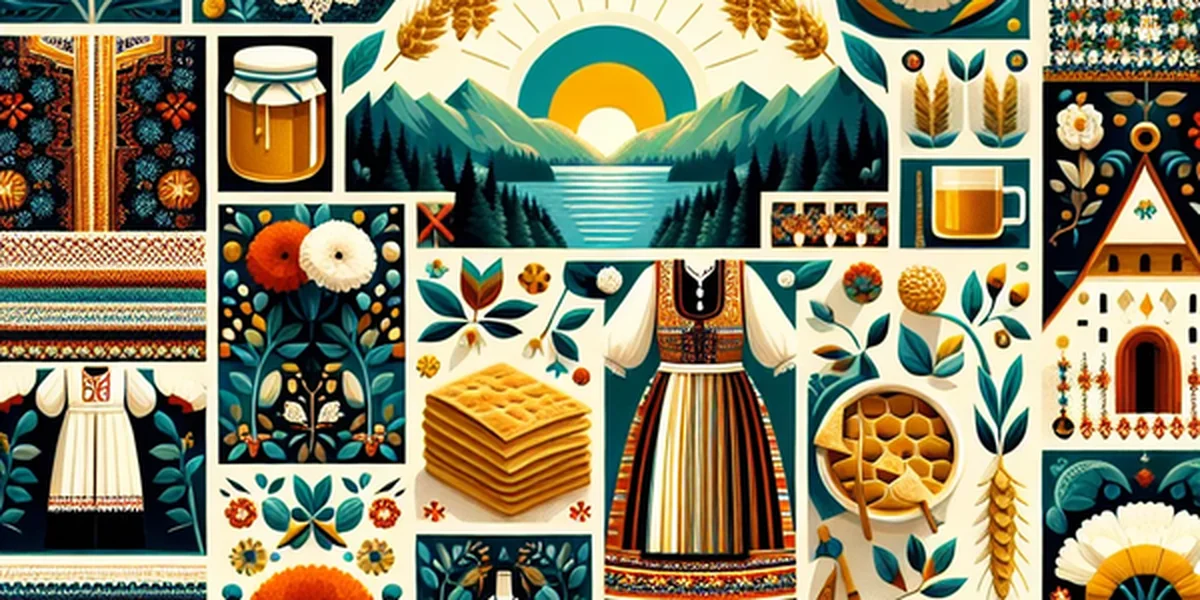
The linden tree, Triglav mountain, and the Carniolan honey bee are significant cultural symbols, representing national pride and natural beauty.
Sources of joy and happiness in the culture
Current Live Content
(152 chars)
Slovenians find joy in nature, outdoor activities, and cultural festivals. Social gatherings and traditional celebrations are central to community life.
Celebratory traditions and joyful events
Current Live Content
(151 chars)
Traditional celebrations include Kurentovanje, a pre-Lenten festival, and St. Martin's Day, marking the end of the harvest and the beginning of winter.
Important holidays and cultural calendar
Current Live Content
(140 chars)
Important holidays include Independence Day, Statehood Day, and cultural festivals like the Ljubljana Festival and Lent Festival in Maribor.
Additional cultural expression notes
Current Live Content
(139 chars)
Slovenia's cultural expression is a blend of traditional and contemporary influences, reflecting its historical and geographical diversity.
🏘️ Service Access
Economic context, housing, and nutrition
Economic activities and common occupations
Current Live Content
(170 chars)
Slovenia has a diverse economy, with key sectors including manufacturing, services, and tourism. The country is known for its high-quality products and skilled workforce.
Housing types and living arrangements
Current Live Content
(161 chars)
Most Slovenians live in urban areas, with a mix of apartment living and single-family homes. Housing is generally affordable, with a focus on sustainable living.
Dietary practices and nutritional norms
Current Live Content
(193 chars)
Slovenian cuisine is diverse, with influences from neighboring countries. Traditional dishes often include meat, potatoes, and seasonal vegetables, with an emphasis on fresh, local ingredients.
🗣️ Language Access
Interpretation needs and documentation traditions
Language interpretation requirements
Current Live Content
(190 chars)
While Slovene is the official language, many Slovenians are multilingual, often speaking English, German, or Italian. Interpretation services are available in public services and healthcare.
Important notes for interpreters
Current Live Content
(128 chars)
Interpreters are commonly used in legal and medical settings to ensure clear communication, especially for non-Slovene speakers.
How the culture documents its history and knowledge
Current Live Content
(151 chars)
Official documents are primarily in Slovene, with translations available for major languages. Documentation is thorough and follows European standards.
🌍 Environmental Practices
Environmental practices, sustainability, and climate adaptation
Cultural festivals and celebrations
Current Live Content
(220 chars)
Major festivals include Kurentovanje, a traditional carnival in Ptuj; Ljubljana Festival, showcasing music and theater; and the Lent Festival in Maribor. These events celebrate Slovenia's cultural diversity and heritage.
Traditional medicine practices
Current Live Content
(196 chars)
Herbal remedies and folk medicine have a long tradition in Slovenia, often involving the use of local plants and natural resources. These practices are sometimes integrated with modern healthcare.
Environmental stewardship and practices
Current Live Content
(218 chars)
Slovenia is committed to environmental sustainability, with practices like waste recycling, organic farming, and conservation programs being widely implemented. The country is known for its 'green' tourism initiatives.
Important cultural rituals
Current Live Content
(200 chars)
Important cultural rituals include St. Gregory's Day, marking the arrival of spring, and various customs related to grape harvests and winemaking, reflecting Slovenia's deep connection to agriculture.
Coming-of-age and life transition rituals
Current Live Content
(172 chars)
Rites of passage often involve religious ceremonies, such as baptisms and confirmations, as well as traditional celebrations for milestones like coming of age and marriage.
Food traditions and culinary practices
Current Live Content
(210 chars)
Slovenian cuisine is diverse, with dishes such as potica (a type of nut roll), kranjska klobasa (Carniolan sausage), and jota (a sauerkraut stew). Cooking methods often emphasize local and seasonal ingredients.
Strategies for adapting to climate
Current Live Content
(170 chars)
Slovenia is proactive in climate adaptation, focusing on flood prevention, sustainable water management, and promoting renewable energy sources like solar and wind power.
Efforts to conserve biodiversity
Current Live Content
(177 chars)
Efforts include protecting natural habitats and species, with numerous protected areas and national parks, such as Triglav National Park, playing a crucial role in conservation.
Sustainable tourism initiatives
Current Live Content
(151 chars)
The Slovenian tourism sector prioritizes sustainability, promoting eco-friendly accommodations, responsible travel, and cultural heritage preservation.
Use of renewable energy sources
Current Live Content
(183 chars)
Slovenia is investing in renewable energy, with hydroelectric power being a significant source. Solar and wind energy projects are also expanding to reduce dependence on fossil fuels.
Community participation in practices
Current Live Content
(187 chars)
Community involvement is evident in initiatives like local environmental cleanups, cultural festivals, and agricultural cooperatives, fostering a strong sense of local identity and pride.
Environmental education initiatives
Current Live Content
(176 chars)
Programs in schools and communities emphasize environmental awareness and sustainability, often involving hands-on projects and collaborations with environmental organizations.
🏆 Cultural Contributions
Notable figures, innovations, and global influence
Important cultural figures and leaders
Current Live Content
(193 chars)
Important figures include poet France Prešeren, architect Jože Plečnik, and physicist Jožef Stefan. Contemporary figures such as philosopher Slavoj Žižek and athlete Tina Maze are also notable.
Cultural innovations and adaptations
Current Live Content
(187 chars)
Slovenia has contributed to the cultural landscape with innovations in literature, music, and architecture, blending traditional and modern elements to create unique cultural expressions.
Important literary works and oral traditions
Current Live Content
(185 chars)
Notable works include 'The Baptism on the Savica' by France Prešeren and 'Alamut' by Vladimir Bartol. Oral traditions and folk stories also play a significant role in Slovenian culture.
Traditional and modern architectural styles
Current Live Content
(199 chars)
Architectural styles reflect a blend of Central European and Mediterranean influences, with notable examples being Ljubljana's unique Plečnik architecture and medieval castles like Bled and Predjama.
Scientific and technological contributions
Current Live Content
(203 chars)
Jožef Stefan's work in physics and the development of the Stefan-Boltzmann law are significant scientific contributions. Slovenia continues to research in fields like nanotechnology and renewable energy.
Innovative culinary practices
Current Live Content
(179 chars)
Slovenian chefs and restaurants, like Hiša Franko, known for its innovative use of local ingredients, have gained international acclaim, contributing to the global culinary scene.
Global cultural influence
Current Live Content
(203 chars)
Slovenia's influence is seen in its promotion of sustainable practices, cultural diplomacy, and contributions to the arts and sciences. Its strategic role in the EU enhances its global cultural presence.
Cultural awards and recognition
Current Live Content
(165 chars)
Slovenian artists, writers, and scientists have received various international awards, such as the Prešeren Award, which honors achievements in culture and the arts.
💻 Modern Adaptations
Modern influences, technology adoption, and globalization
Modern cultural influences and changes
Current Live Content
(211 chars)
Contemporary Slovenian culture is influenced by global trends in fashion, music, and technology, while maintaining its unique cultural identity. Urban areas like Ljubljana are hubs for modern art and innovation.
Digital and online cultural presence
Current Live Content
(183 chars)
Slovenia has a strong digital presence, with widespread internet access and active participation in digital arts and media. E-government services and online platforms are widely used.
Impact of globalization on the culture
Current Live Content
(181 chars)
Globalization has brought increased cultural exchange and economic integration, influencing Slovenian consumer habits and lifestyle while posing challenges to traditional practices.
Impact of urbanization
Current Live Content
(203 chars)
Urbanization has led to the growth of cities like Ljubljana, Maribor, and Celje, fostering economic development and cultural vibrancy but also creating challenges like urban sprawl and housing pressures.
Adoption of modern technology
Current Live Content
(187 chars)
Slovenia is embracing technology, with investments in digital infrastructure, e-commerce, and smart city initiatives. Tech startups and innovation centers are emerging across the country.
Hybrid cultural expressions
Current Live Content
(196 chars)
There is a fusion of traditional and modern elements in arts, music, and festivals, seen in events like the Ljubljana Biennial, which showcases contemporary art alongside traditional performances.
Social media and online engagement
Current Live Content
(164 chars)
Social media is widely used for cultural promotion, activism, and personal expression, with platforms like Facebook, Instagram, and TikTok popular among Slovenians.
🤝 Intercultural Relations
Interactions with other cultures and exchange programs
How the culture interacts with others
Current Live Content
(486 chars)
Slovenia's geographical location has made it a crossroads of various cultures throughout history. It shares borders with Italy, Austria, Hungary, and Croatia, resulting in a blend of Slavic, Germanic, Romance, and Hungarian influences. Historically, Slovenia was part of the Austro-Hungarian Empire, which introduced Central European cultural elements. Post-independence, Slovenia has continued to maintain strong cultural ties with its neighbors, especially through the European Union.
Cultural approaches to resolving conflicts
Current Live Content
(337 chars)
Traditional conflict resolution in Slovenia often involves community-based dialogues and mediation, where respected community elders or leaders play a pivotal role. In rural areas, informal gatherings known as 'zbori' are used to discuss and resolve disputes. Currently, the legal system and formal mediation practices are commonly used.
Cultural exchange initiatives
Current Live Content
(269 chars)
Slovenia participates in various cultural exchange programs, such as Erasmus+ for students and youth and collaborations with neighboring countries under the Alpe-Adria Working Community. The Ljubljana Summer School and cultural festivals also foster cultural exchanges.
Trade relationships with other cultures
Current Live Content
(250 chars)
Slovenia has strong trade relations with European Union countries, particularly Germany, Italy, and Austria. These relationships are reflected in cultural exchanges and collaborations in industries such as automotive, pharmaceuticals, and technology.
Collaborative artistic initiatives
Current Live Content
(289 chars)
Collaborations in the arts are common, with Slovenia participating in joint theater productions, film co-productions, and art exhibitions with neighboring countries. The Maribor Theatre Festival and Ljubljana Biennial of Graphic Arts are platforms for international artistic collaboration.
Cultural perspectives on intercultural marriage
Current Live Content
(208 chars)
Intercultural marriages are increasingly common in Slovenia, especially with citizens from neighboring countries. This trend is generally viewed positively as it enhances cultural diversity and understanding.
Collaborative educational programs
Current Live Content
(240 chars)
Slovenian universities engage in partnerships with institutions across Europe and beyond, often through EU programs like Erasmus. These initiatives include joint research projects, student and faculty exchanges, and collaborative workshops.
🌟 Youth & Future
Youth perspectives, employment trends, and future visions
Perspectives and values of young people
Current Live Content
(229 chars)
Slovenian youth are generally optimistic about the future, valuing education, innovation, and sustainability. They are concerned about job opportunities and environmental issues, and they advocate for progressive social policies.
Youth-focused education programs
Current Live Content
(210 chars)
Education in Slovenia emphasizes quality and accessibility, with a strong focus on STEM fields, languages, and international cooperation. The country invests in digital education and lifelong learning programs.
Anticipated future challenges
Current Live Content
(221 chars)
Slovenia faces challenges such as brain drain, aging population, and environmental sustainability. Addressing economic disparities and integrating technological advancements into traditional sectors are also key concerns.
Employment patterns among youth
Current Live Content
(202 chars)
Youth unemployment rates have been decreasing, though challenges remain in aligning education with labor market needs. Many young Slovenians are employed in technology, service, and creative industries.
Cultural visions for the future
Current Live Content
(200 chars)
Slovenia envisions a future as an innovative, green, and inclusive society. Efforts are directed towards enhancing digital infrastructure, promoting sustainable tourism, and fostering social cohesion.
Youth in leadership positions
Current Live Content
(191 chars)
Young Slovenians are increasingly taking leadership roles in environmental movements, tech startups, and cultural organizations. They are active in advocating for social and political change.
Youth entrepreneurship and innovation
Current Live Content
(207 chars)
Slovenia has a vibrant startup scene, particularly in Ljubljana, with a focus on technology, green energy, and creative industries. Government and EU funds support innovation and entrepreneurial initiatives.
🛡️ Challenges & Preservation
Cultural challenges and preservation efforts
Current cultural challenges
Current Live Content
(187 chars)
Slovenia faces challenges such as preserving its linguistic and cultural heritage in the face of globalization, addressing economic disparities, and managing environmental sustainability.
Efforts to preserve cultural heritage
Current Live Content
(194 chars)
Efforts to preserve cultural heritage include government initiatives, UNESCO recognition for sites like Škocjan Caves, and community-driven projects to maintain traditional crafts and languages.