During polar night, Inuit communities live in darkness for months. The Winter Solstice marks the sun's return—a profound moment of hope, renewal, and celebration of light conquering darkness.
Thumbnail image shown on culture cards (recommended: 400x400px, square)
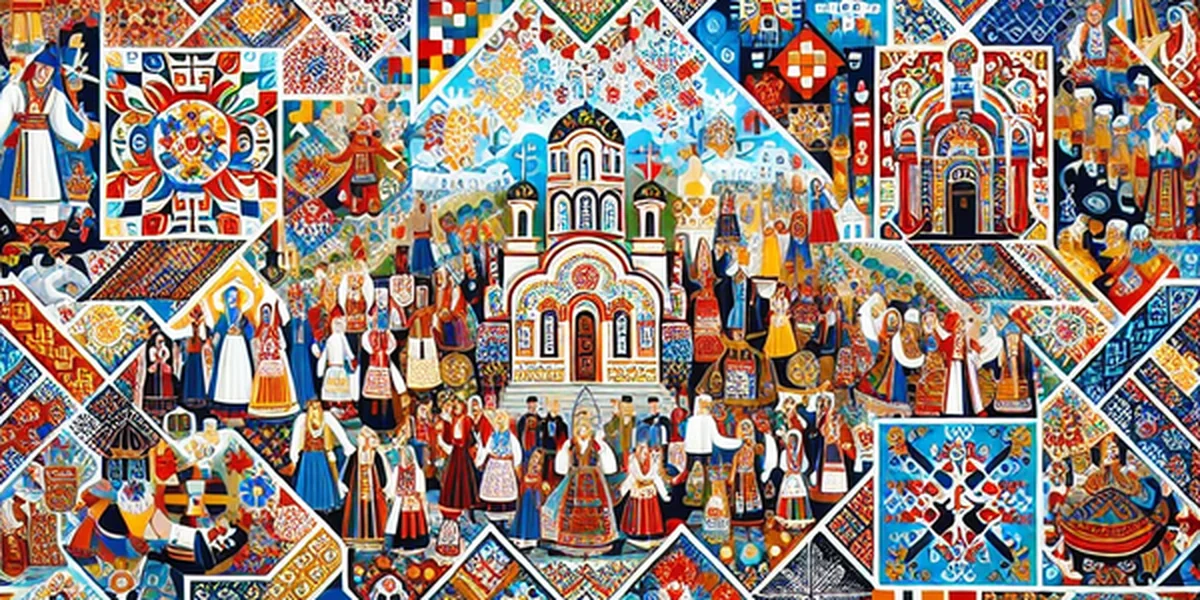
Hero Image
Large banner image for the culture detail page (recommended: 1200x600px,
wide)
📝 Core Information
Essential identifying information about the culture
The official name of the culture being enriched
Max 100 characters 7
A unique alphanumeric code representing the culture
Max 20 characters 3
A concise overview highlighting key attributes
Current Live Content
(246 chars)
Max 500 characters 246
Detailed description of defining characteristics, history, and contributions
Current Live Content
(246 chars)
Serbian culture is characterized by its diverse heritage, influenced by Byzantine, Ottoman, and Austro-Hungarian empires. It is known for its vibrant traditions in music, dance, and cuisine, as well as its strong emphasis on family and community.
Max 5000 characters 246
Primary geographic area where the culture is located
Languages spoken by the culture
Empty
Cultures with historical, linguistic, or geographic ties
Empty
Alternative names for the culture
Empty
Broader cultural group this culture belongs to
📚 History
Historical context, migration patterns, and regional variations
Long history, roots, and identity development
Current Live Content
(356 chars)
Serbian history is marked by its medieval kingdom, the influence of the Byzantine Empire, and later Ottoman rule. The 19th century saw the rise of national consciousness and independence movements, leading to the formation of the Kingdom of Serbia. The 20th century was turbulent, with the formation of Yugoslavia and its eventual dissolution in the 1990s.
Traditional and modern migration movements
Current Live Content
(202 chars)
Serbian migration has been influenced by historical conflicts, economic opportunities, and political changes, leading to significant diaspora communities in Western Europe, North America, and Australia.
Challenges faced and resilience demonstrated
Current Live Content
(237 chars)
Serbia has experienced numerous conflicts, including the Balkan Wars, World Wars, and the Yugoslav Wars. Despite these challenges, the Serbian people have shown resilience, maintaining their cultural identity and rebuilding their nation.
Perspectives from diaspora communities
Current Live Content
(213 chars)
The Serbian diaspora maintains strong ties to their homeland, often participating in cultural events and supporting economic development in Serbia. They play a crucial role in preserving Serbian traditions abroad.
Variations in dialects and customs across regions
Current Live Content
(149 chars)
Cultural variations exist between regions, with differences in dialects, cuisine, and customs, influenced by historical borders and local traditions.
Efforts to bridge cultural gaps
Current Live Content
(160 chars)
Efforts to bridge cultural differences focus on promoting understanding and cooperation among diverse ethnic groups within Serbia and the broader Balkan region.
🙏 Beliefs & Values
Spiritual practices, worldview, and cultural values
Religious practices and their influence on daily life
Current Live Content
(162 chars)
Orthodox Christianity is the predominant religion, with significant cultural events tied to the church calendar, such as Slava, a family patron saint celebration.
Cultural worldview and core beliefs
Current Live Content
(172 chars)
Serbian worldview is shaped by a strong sense of community, respect for tradition, and a deep connection to the land and history. Family and hospitality are central values.
Important proverbs and sayings
Current Live Content
(133 chars)
Proverbs such as 'Bez muke nema nauke' (Without effort, there is no learning) reflect the value placed on hard work and perseverance.
Naming traditions and terms of address
Current Live Content
(196 chars)
Serbian names often reflect religious and historical influences, with common use of patronymics. Formal address includes titles and last names, while first names are used among friends and family.
🏥 Health & Wellness
Health practices, mental health views, and healthcare access
Overall health practices and approaches
Current Live Content
(169 chars)
Healthcare in Serbia is a mix of public and private services, with an emphasis on family medicine. Mental health awareness is growing, though stigma remains a challenge.
Cultural perspectives on mental health
Current Live Content
(158 chars)
Mental health issues are often stigmatized, but there is increasing recognition of their importance, with efforts to improve access to mental health services.
Role of traditional healers in the community
Current Live Content
(148 chars)
Traditional medicine, including herbal remedies and folk practices, is still used, particularly in rural areas, alongside modern medical treatments.
How gender influences healthcare access and practices
Current Live Content
(175 chars)
Women are traditionally seen as primary caregivers, often responsible for family health, though gender roles are evolving with increased female participation in the workforce.
Barriers to accessing healthcare
Current Live Content
(155 chars)
Barriers include economic constraints, rural access issues, and limited mental health resources, though efforts are being made to address these challenges.
🎓 Education
Learning styles, educational approaches, and parental engagement
Educational approaches and learning styles
Current Live Content
(209 chars)
Education in Serbia is highly valued, with a strong emphasis on academic achievement and critical thinking. The system includes compulsory primary education, followed by secondary and higher education options.
Preferred learning methods and styles
Current Live Content
(186 chars)
Serbian students often engage in collaborative learning, with a focus on memorization and analytical skills. Extracurricular activities are encouraged to foster well-rounded development.
How parents engage in children's education
Current Live Content
(139 chars)
Parents are actively involved in their children's education, often participating in school events and supporting academic pursuits at home.
👥 Community & Family
Social structure, family dynamics, and community values
How families and communities are organized
Current Live Content
(165 chars)
Family is the cornerstone of Serbian society, with extended family networks providing support and social cohesion. Respect for elders and communal living are common.
Approaches to discipline and behavioral expectations
Current Live Content
(119 chars)
Discipline is typically firm yet nurturing, with an emphasis on respect, responsibility, and adherence to social norms.
Cultural attitudes toward authority
Current Live Content
(152 chars)
Authority figures, such as teachers and community leaders, are respected, though there is a growing emphasis on democratic values and individual rights.
Social etiquette and important customs
Current Live Content
(174 chars)
Serbian customs include greeting with a handshake or three kisses on the cheek, offering hospitality to guests, and celebrating important life events with family and friends.
Community strengths and resilience factors
Current Live Content
(173 chars)
Serbian communities are known for their resilience, strong social networks, and ability to come together in times of need, fostering a sense of belonging and mutual support.
🎨 Art & Expression
Artistic expression, music, celebrations, and cultural symbols
Artistic and musical traditions
Current Live Content
(187 chars)
Serbian culture boasts a rich tradition in music, from folk to classical and contemporary genres. Art and literature are vibrant, with influences from both Eastern and Western traditions.
Important cultural symbols and motifs
Current Live Content
(130 chars)
Symbols such as the double-headed eagle and the Serbian cross are prominent, reflecting national identity and historical heritage.
Sources of joy and happiness in the culture
Current Live Content
(119 chars)
Joy is found in communal gatherings, music and dance festivals, and the celebration of cultural and religious holidays.
Celebratory traditions and joyful events
Current Live Content
(124 chars)
Traditional celebrations include Slava, Easter, and Christmas, marked by family gatherings, feasting, and religious rituals.
Important holidays and cultural calendar
Current Live Content
(146 chars)
Key holidays include Orthodox Christmas, Easter, and national holidays like Statehood Day, celebrated with various cultural events and traditions.
Additional cultural expression notes
Current Live Content
(141 chars)
Serbian cultural expression is a blend of historical influences and modern creativity, reflecting the nation's dynamic and evolving identity.
🏘️ Service Access
Economic context, housing, and nutrition
Economic activities and common occupations
Current Live Content
(164 chars)
Serbia's economy is diverse, with key sectors including agriculture, manufacturing, and services. Economic challenges include unemployment and regional disparities.
Housing types and living arrangements
Current Live Content
(150 chars)
Housing varies from urban apartments to rural homes, with a trend towards nuclear family living, though multigenerational households are still common.
Dietary practices and nutritional norms
Current Live Content
(168 chars)
Serbian cuisine is hearty, featuring meats, dairy, and bread. Traditional dishes include ćevapi, sarma, and ajvar, with a growing interest in healthy and diverse diets.
🗣️ Language Access
Interpretation needs and documentation traditions
Language interpretation requirements
Current Live Content
(142 chars)
Interpretation services are needed for non-Serbian speakers, particularly in healthcare and legal settings, to ensure effective communication.
Important notes for interpreters
Current Live Content
(126 chars)
Interpreters should be aware of cultural nuances and regional dialects to provide accurate and sensitive translation services.
How the culture documents its history and knowledge
Current Live Content
(128 chars)
Documentation in Serbia is typically formal, with an emphasis on thoroughness and adherence to legal and bureaucratic standards.
🌍 Environmental Practices
Environmental practices, sustainability, and climate adaptation
Cultural festivals and celebrations
Current Live Content
(170 chars)
Major festivals include the Guča Trumpet Festival, EXIT music festival, and traditional Slava celebrations. These events showcase Serbian music, culture, and hospitality.
Traditional medicine practices
Current Live Content
(155 chars)
Traditional herbal medicine is still practiced, with remedies passed down through generations. Herbalists are respected for their knowledge of local flora.
Environmental stewardship and practices
Current Live Content
(136 chars)
Serbia is increasingly focused on environmental sustainability, with initiatives to protect natural landscapes and promote green energy.
Important cultural rituals
Current Live Content
(124 chars)
Important rituals include religious ceremonies, such as Orthodox Christian rites, and cultural traditions like kolo dancing.
Coming-of-age and life transition rituals
Current Live Content
(140 chars)
Rites of passage often include confirmation in the Orthodox Church and significant birthdays, such as the 18th, which marks legal adulthood.
Food traditions and culinary practices
Current Live Content
(180 chars)
Serbian cuisine is known for dishes like ćevapi, sarma, and ajvar. Cooking methods often involve grilling and slow-cooking, reflecting a mix of Balkan and Mediterranean influences.
Strategies for adapting to climate
Current Live Content
(149 chars)
Efforts to adapt to climate change include improving agricultural practices, enhancing water management, and promoting sustainable urban development.
Efforts to conserve biodiversity
Current Live Content
(116 chars)
Conservation efforts focus on protecting Serbia's diverse ecosystems, including national parks like Tara and Đerdap.
Sustainable tourism initiatives
Current Live Content
(155 chars)
Sustainable tourism is promoted through ecotourism initiatives and preservation of cultural heritage sites, attracting environmentally conscious travelers.
Use of renewable energy sources
Current Live Content
(142 chars)
Serbia is investing in renewable energy sources, such as wind and solar power, to reduce reliance on fossil fuels and improve energy security.
Community participation in practices
Current Live Content
(139 chars)
Community involvement is key in cultural practices, with local festivals and events fostering a sense of belonging and cultural continuity.
Environmental education initiatives
Current Live Content
(140 chars)
Environmental education is integrated into school curricula and community programs, raising awareness about sustainability and conservation.
🏆 Cultural Contributions
Notable figures, innovations, and global influence
Important cultural figures and leaders
Current Live Content
(167 chars)
Important figures include Nikola Tesla, a pioneering inventor, and Ivo Andrić, a Nobel Prize-winning author. Contemporary figures include tennis player Novak Djokovic.
Cultural innovations and adaptations
Current Live Content
(131 chars)
Serbia has contributed to music with its unique blend of Balkan folk and modern genres, as well as innovations in film and theater.
Important literary works and oral traditions
Current Live Content
(121 chars)
Serbian literature boasts classics like 'The Bridge on the Drina' by Ivo Andrić and epic poetry from the medieval period.
Traditional and modern architectural styles
Current Live Content
(110 chars)
Distinctive features include medieval monasteries, Ottoman influences, and modernist architecture in Belgrade.
Scientific and technological contributions
Current Live Content
(127 chars)
Serbia has made significant contributions to science, particularly in physics and engineering, with figures like Mihajlo Pupin.
Innovative culinary practices
Current Live Content
(129 chars)
Serbian cuisine is known for its fusion of regional flavors, with dishes like burek and kajmak gaining international recognition.
Global cultural influence
Current Live Content
(118 chars)
Serbian culture has influenced global music, particularly through the popularity of Balkan brass bands and turbo-folk.
Cultural awards and recognition
Current Live Content
(122 chars)
Serbian artists and scientists have received international awards, including Nobel Prizes and accolades in film festivals.
💻 Modern Adaptations
Modern influences, technology adoption, and globalization
Modern cultural influences and changes
Current Live Content
(109 chars)
Contemporary Serbian culture is influenced by Western trends, particularly in fashion, music, and technology.
Digital and online cultural presence
Current Live Content
(106 chars)
Serbians are active online, with a strong presence on social media platforms and digital content creation.
Impact of globalization on the culture
Current Live Content
(114 chars)
Globalization has brought diverse cultural influences to Serbia, impacting consumer habits and cultural practices.
Impact of urbanization
Current Live Content
(132 chars)
Urbanization has led to demographic shifts, with more people moving to cities like Belgrade, impacting traditional rural lifestyles.
Adoption of modern technology
Current Live Content
(109 chars)
Technology is widely adopted, with increasing internet penetration and digital literacy among the population.
Hybrid cultural expressions
Current Live Content
(136 chars)
Serbia has seen the emergence of hybrid cultural forms, blending traditional elements with modern influences in art, music, and fashion.
Social media and online engagement
Current Live Content
(140 chars)
Social media is a significant platform for cultural expression and activism, with many young Serbians using it to engage with global issues.
🤝 Intercultural Relations
Interactions with other cultures and exchange programs
How the culture interacts with others
Current Live Content
(403 chars)
Serbia has a rich history of interactions with its neighboring countries, such as Croatia, Bosnia and Herzegovina, Montenegro, North Macedonia, Albania, Hungary, Romania, and Bulgaria. These interactions have been influenced by historical events such as the Ottoman Empire's rule and the Yugoslav Wars. Today, Serbia is part of various regional initiatives aimed at fostering cooperation in the Balkans.
Cultural approaches to resolving conflicts
Current Live Content
(283 chars)
Traditional Serbian conflict resolution often involves community elders and leaders who mediate disputes. These methods are rooted in dialogue and consensus-building, emphasizing respect and honor. In modern times, legal frameworks and international mediation play significant roles.
Cultural exchange initiatives
Current Live Content
(246 chars)
Serbia participates in numerous cultural exchange programs, particularly within the European Union's Erasmus+ initiative. These programs facilitate student exchanges, professional training, and cultural projects that promote mutual understanding.
Trade relationships with other cultures
Current Live Content
(225 chars)
Serbia maintains robust trade relationships with the European Union, Russia, and China, among others. These relationships are vital for economic growth and cultural exchange, with goods and services being exchanged regularly.
Collaborative artistic initiatives
Current Live Content
(212 chars)
Serbian artists frequently collaborate with international counterparts in music, film, and visual arts. Notable projects include co-productions in the film industry and joint exhibitions in major European cities.
Cultural perspectives on intercultural marriage
Current Live Content
(243 chars)
Intercultural marriages in Serbia are increasingly common, especially in urban areas. These marriages are often seen as symbols of cultural openness and integration, though they can still face social challenges in more traditional communities.
Collaborative educational programs
Current Live Content
(191 chars)
Joint educational programs are prevalent, especially with European universities. These initiatives often focus on research projects, student and faculty exchanges, and collaborative seminars.
🌟 Youth & Future
Youth perspectives, employment trends, and future visions
Perspectives and values of young people
Current Live Content
(188 chars)
Young Serbians are generally optimistic about their future, valuing education and professional development. They are increasingly global-minded, with aspirations to travel and work abroad.
Youth-focused education programs
Current Live Content
(191 chars)
Education reforms in Serbia focus on modernization and alignment with European standards. There is an emphasis on STEM fields and digital literacy to prepare youth for global competitiveness.
Anticipated future challenges
Current Live Content
(147 chars)
Key challenges include economic instability, brain drain, and political reform. Addressing these issues is crucial for Serbia's future development.
Employment patterns among youth
Current Live Content
(210 chars)
Youth employment in Serbia is characterized by a growing presence in technology and service sectors, although unemployment remains a significant issue. Entrepreneurship is encouraged as a means of job creation.
Cultural visions for the future
Current Live Content
(154 chars)
Many young Serbians envision a future where Serbia is fully integrated into the European Union, with increased economic opportunities and social progress.
Youth in leadership positions
Current Live Content
(164 chars)
Youth are increasingly taking on leadership roles in civil society, particularly in NGOs and grassroots movements focused on social change and environmental issues.
Youth entrepreneurship and innovation
Current Live Content
(197 chars)
Serbia's startup scene is vibrant, with young entrepreneurs leading initiatives in tech, agriculture, and creative industries. Government and private sector support is growing to foster innovation.
🛡️ Challenges & Preservation
Cultural challenges and preservation efforts
Current cultural challenges
Current Live Content
(152 chars)
Current challenges include preserving cultural heritage amid modernization, addressing political and economic instability, and managing ethnic tensions.
Efforts to preserve cultural heritage
Current Live Content
(157 chars)
Efforts to preserve cultural heritage include government initiatives, NGO projects, and community involvement in maintaining historical sites and traditions.