During polar night, Inuit communities live in darkness for months. The Winter Solstice marks the sun's return—a profound moment of hope, renewal, and celebration of light conquering darkness.
Thumbnail image shown on culture cards (recommended: 400x400px, square)
Hero Image
Large banner image for the culture detail page (recommended: 1200x600px,
wide)
📝 Core Information
Essential identifying information about the culture
The official name of the culture being enriched
Max 100 characters 10
A unique alphanumeric code representing the culture
Max 20 characters 5
A concise overview highlighting key attributes
Current Live Content
(267 chars)
Max 500 characters 267
Detailed description of defining characteristics, history, and contributions
Current Live Content
(267 chars)
Portuguese culture is characterized by a blend of historical influences, including Roman, Moorish, and Christian elements, which have shaped its language, architecture, and traditions. It is renowned for its contributions to global exploration, literature, and music.
Max 5000 characters 267
Primary geographic area where the culture is located
Languages spoken by the culture
Empty
Cultures with historical, linguistic, or geographic ties
Empty
Alternative names for the culture
Empty
Broader cultural group this culture belongs to
📚 History
Historical context, migration patterns, and regional variations
Long history, roots, and identity development
Current Live Content
(310 chars)
Portuguese history is marked by its role in the Age of Discoveries, where explorers like Vasco da Gama and Ferdinand Magellan expanded the country's influence across the globe. The nation has a rich tapestry of Roman, Visigothic, and Moorish influences, leading to a unique cultural and architectural heritage.
Traditional and modern migration movements
Current Live Content
(218 chars)
Portugal has experienced waves of emigration, particularly to Brazil, the United States, and former colonies in Africa. In recent decades, it has also become a destination for immigrants from Eastern Europe and Africa.
Challenges faced and resilience demonstrated
Current Live Content
(237 chars)
Portugal has faced numerous conflicts, including the Reconquista and colonial wars in Africa. Despite these challenges, it has maintained a strong national identity and resilience, adapting to political and social changes over centuries.
Perspectives from diaspora communities
Current Live Content
(263 chars)
The Portuguese diaspora maintains strong cultural ties to their homeland, often celebrating traditional festivals and maintaining the Portuguese language. They contribute to a global appreciation of Portuguese culture through cuisine, music, and community events.
Variations in dialects and customs across regions
Current Live Content
(197 chars)
Portugal's regions, such as the Algarve, Alentejo, and Azores, each have distinct cultural practices, dialects, and traditions, reflecting the country's diverse landscape and historical influences.
Efforts to bridge cultural gaps
Current Live Content
(192 chars)
Portugal's history of exploration and trade has fostered a culture of openness and exchange, bridging European and global cultures through shared artistic, culinary, and linguistic traditions.
🙏 Beliefs & Values
Spiritual practices, worldview, and cultural values
Religious practices and their influence on daily life
Current Live Content
(211 chars)
Catholicism is the predominant religion in Portugal, deeply influencing its festivals, holidays, and community life. Religious processions and pilgrimages, such as to Fátima, are integral to cultural expression.
Cultural worldview and core beliefs
Current Live Content
(232 chars)
Portuguese culture values family, community, and tradition, with a strong emphasis on hospitality and respect for elders. The concept of 'saudade,' a deep emotional state of nostalgic longing, is central to the Portuguese worldview.
Important proverbs and sayings
Current Live Content
(185 chars)
Common proverbs include 'Mais vale tarde do que nunca' (Better late than never) and 'Água mole em pedra dura, tanto bate até que fura' (Soft water on hard stone, hits until it pierces).
Naming traditions and terms of address
Current Live Content
(218 chars)
Portuguese naming conventions often include multiple given names and surnames, reflecting both maternal and paternal lineages. Formal address typically uses titles such as 'Senhor' or 'Senhora' followed by the surname.
🏥 Health & Wellness
Health practices, mental health views, and healthcare access
Overall health practices and approaches
Current Live Content
(205 chars)
Portugal has a robust public healthcare system, with a focus on preventive care and community health. Mental health awareness is growing, with increasing resources for psychological support and counseling.
Cultural perspectives on mental health
Current Live Content
(187 chars)
Mental health is becoming less stigmatized, with more open discussions and acceptance of therapy and counseling. However, traditional views may still influence perceptions in rural areas.
Role of traditional healers in the community
Current Live Content
(139 chars)
While modern medicine is prevalent, some rural communities may still consult traditional healers or use herbal remedies for minor ailments.
How gender influences healthcare access and practices
Current Live Content
(150 chars)
Healthcare professions in Portugal are increasingly gender-balanced, though women often play a primary role in family health decisions and caregiving.
Barriers to accessing healthcare
Current Live Content
(141 chars)
Barriers include regional disparities in healthcare access, particularly in rural areas, and language challenges for immigrants seeking care.
🎓 Education
Learning styles, educational approaches, and parental engagement
Educational approaches and learning styles
Current Live Content
(189 chars)
Portuguese education emphasizes critical thinking and creativity, with a strong foundation in the humanities and sciences. Schools encourage collaborative learning and active participation.
Preferred learning methods and styles
Current Live Content
(171 chars)
Portuguese students often engage in group projects and discussions, fostering a collaborative learning environment. Visual and auditory learning methods are commonly used.
How parents engage in children's education
Current Live Content
(175 chars)
Parents are actively involved in their children's education, often participating in school activities and maintaining communication with teachers to support academic progress.
👥 Community & Family
Social structure, family dynamics, and community values
How families and communities are organized
Current Live Content
(182 chars)
Family is the cornerstone of Portuguese society, with extended families often living in close proximity. Social gatherings and communal meals are central to maintaining family bonds.
Approaches to discipline and behavioral expectations
Current Live Content
(171 chars)
Discipline in Portuguese families is generally moderate, with an emphasis on respect and communication. Children are taught to value family and community responsibilities.
Cultural attitudes toward authority
Current Live Content
(204 chars)
Respect for authority is ingrained in Portuguese culture, with deference shown to elders, teachers, and public officials. However, younger generations are increasingly questioning traditional hierarchies.
Social etiquette and important customs
Current Live Content
(181 chars)
Portuguese etiquette emphasizes politeness and formality, especially in greetings and dining. It is customary to greet with a handshake or kisses on both cheeks among acquaintances.
Community strengths and resilience factors
Current Live Content
(191 chars)
Portuguese communities are known for their resilience and solidarity, often coming together to support each other in times of need, whether through local initiatives or cultural celebrations.
🎨 Art & Expression
Artistic expression, music, celebrations, and cultural symbols
Artistic and musical traditions
Current Live Content
(211 chars)
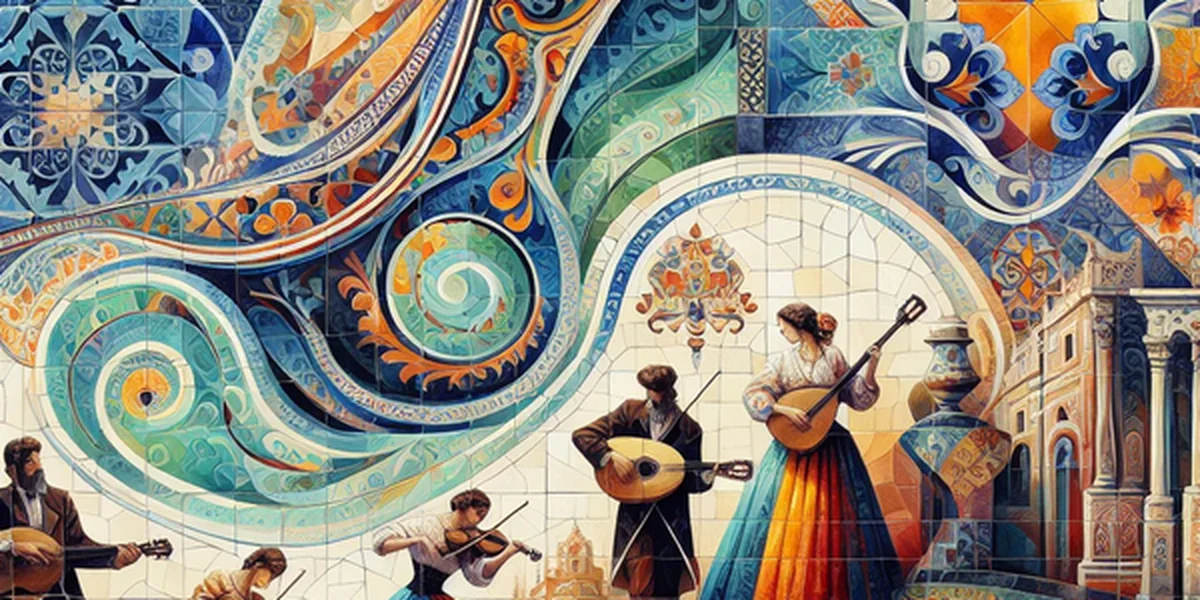
Portugal has a rich artistic heritage, with Fado music being a quintessential expression of its cultural soul. The country is also known for its azulejos (ceramic tiles), literature, and contemporary art scenes.
Important cultural symbols and motifs
Current Live Content
(151 chars)
Common symbols include the rooster of Barcelos, azulejos, and the navigational compass, reflecting Portugal's maritime history and artistic traditions.
Sources of joy and happiness in the culture
Current Live Content
(191 chars)
Portuguese people find joy in communal gatherings, music, and food. Festivals, family celebrations, and enjoying the natural beauty of the countryside and coastlines are cherished activities.
Celebratory traditions and joyful events
Current Live Content
(180 chars)
Festivals such as Carnaval, São João, and the Feast of Saint Anthony are celebrated with parades, music, and traditional foods, reflecting the vibrant spirit of Portuguese culture.
Important holidays and cultural calendar
Current Live Content
(124 chars)
Key holidays include Dia de Portugal, Christmas, and Easter, each celebrated with unique traditions and communal gatherings.
Additional cultural expression notes
Current Live Content
(155 chars)
Portuguese culture is deeply intertwined with its history and geography, with a strong emphasis on preserving traditions while embracing modern influences.
🏘️ Service Access
Economic context, housing, and nutrition
Economic activities and common occupations
Current Live Content
(187 chars)
Portugal's economy is diverse, with key sectors including tourism, agriculture, and technology. The country has a growing startup scene and is known for its wine and olive oil production.
Housing types and living arrangements
Current Live Content
(181 chars)
Housing varies from urban apartments to rural homes, with a trend towards modern, sustainable living spaces. Multi-generational households are common, reflecting strong family ties.
Dietary practices and nutritional norms
Current Live Content
(180 chars)
The Portuguese diet is Mediterranean, rich in seafood, olive oil, and fresh produce. Meals are social events, often shared with family and friends, emphasizing balance and variety.
🗣️ Language Access
Interpretation needs and documentation traditions
Language interpretation requirements
Current Live Content
(149 chars)
Portuguese is the primary language, but there is a growing need for interpretation services for immigrants and tourists, particularly in urban areas.
Important notes for interpreters
Current Live Content
(116 chars)
Interpreters should be aware of regional dialects and cultural nuances, ensuring clear and respectful communication.
How the culture documents its history and knowledge
Current Live Content
(142 chars)
Official documents are typically in Portuguese, with increasing availability of translations in English and other languages for accessibility.
🌍 Environmental Practices
Environmental practices, sustainability, and climate adaptation
Cultural festivals and celebrations
Current Live Content
(201 chars)
Portugal hosts numerous festivals such as the Festa de São João in Porto and the Carnival in Lisbon. The Fado music festival and the Festival of the Trays in Tomar are also significant cultural events.
Traditional medicine practices
Current Live Content
(187 chars)
Traditional medicine is less common but includes herbal remedies and practices influenced by Portuguese folk traditions and, historically, by interactions with African and Asian cultures.
Environmental stewardship and practices
Current Live Content
(200 chars)
Portugal emphasizes renewable energy, notably wind and solar power, contributing to its status as a leader in sustainable energy practices. Community involvement in recycling and conservation is high.
Important cultural rituals
Current Live Content
(182 chars)
Important rituals include religious processions, such as the Holy Week in Braga, and the traditional bullfighting events, which differ from the Spanish style by not killing the bull.
Coming-of-age and life transition rituals
Current Live Content
(209 chars)
Rites of passage include the celebration of first communions and confirmations in the Catholic tradition, as well as the cultural significance of the academic Queima das Fitas ceremony for university students.
Food traditions and culinary practices
Current Live Content
(209 chars)
Culinary traditions are rich, with dishes like bacalhau (codfish), pastéis de nata (custard tarts), and caldo verde (green soup). Portuguese cuisine is renowned for its seafood and use of olive oil and garlic.
Strategies for adapting to climate
Current Live Content
(192 chars)
Adaptation strategies focus on sustainable agriculture, water management, and coastal protection to mitigate the effects of climate change, particularly in vulnerable regions like the Algarve.
Efforts to conserve biodiversity
Current Live Content
(156 chars)
Efforts include the protection of marine biodiversity in the Azores, conservation of the Iberian lynx, and the establishment of national parks and reserves.
Sustainable tourism initiatives
Current Live Content
(177 chars)
Sustainable tourism is promoted through eco-friendly accommodations and initiatives like the Green Key program, aiming to balance tourism growth with environmental preservation.
Use of renewable energy sources
Current Live Content
(166 chars)
Portugal is a leader in renewable energy, with significant investments in wind, solar, and hydroelectric power, contributing to a high percentage of its energy needs.
Community participation in practices
Current Live Content
(168 chars)
Communities actively participate in cultural and environmental practices through local festivals, conservation projects, and cultural heritage preservation initiatives.
Environmental education initiatives
Current Live Content
(174 chars)
Programs focus on raising awareness about environmental issues in schools and communities, with initiatives like 'Eco-Escolas' promoting sustainable practices among students.
🏆 Cultural Contributions
Notable figures, innovations, and global influence
Important cultural figures and leaders
Current Live Content
(164 chars)
Notable figures include Vasco da Gama, the explorer; Amália Rodrigues, the Fado singer; José Saramago, Nobel laureate author; and Cristiano Ronaldo, the footballer.
Cultural innovations and adaptations
Current Live Content
(168 chars)
Portugal is credited with cultural innovations such as Fado music, Manueline architectural style, and the azulejo ceramic tiles, which are emblematic of Portuguese art.
Important literary works and oral traditions
Current Live Content
(181 chars)
Important literature includes 'Os Lusíadas' by Luís de Camões and the works of Fernando Pessoa. Oral traditions, such as folk tales and Fado lyrics, also hold cultural significance.
Traditional and modern architectural styles
Current Live Content
(157 chars)
Distinctive architectural features include the Manueline and Pombaline styles, characterized by ornate detailing and resilience to earthquakes, respectively.
Scientific and technological contributions
Current Live Content
(158 chars)
Contributions include maritime navigation techniques developed during the Age of Discovery and contemporary research in renewable energies and ocean sciences.
Innovative culinary practices
Current Live Content
(182 chars)
Notable culinary contributions include the global spread of Port wine, the introduction of spices such as piri-piri, and the development of traditional pastries like pastéis de nata.
Global cultural influence
Current Live Content
(160 chars)
Portugal's global influence is evident in the spread of its language and culture through its former colonies, as well as in global cuisine, music, and football.
Cultural awards and recognition
Current Live Content
(190 chars)
Notable awards include José Saramago's Nobel Prize in Literature and Portugal's recognition for its renewable energy achievements. The country is also celebrated in the global wine industry.
💻 Modern Adaptations
Modern influences, technology adoption, and globalization
Modern cultural influences and changes
Current Live Content
(156 chars)
Contemporary influences include a strong European identity, American cultural imports, and a growing Asian presence, particularly in technology and cuisine.
Digital and online cultural presence
Current Live Content
(163 chars)
Portugal boasts a robust digital presence with high internet penetration and active participation in online platforms, fostering digital literacy and connectivity.
Impact of globalization on the culture
Current Live Content
(152 chars)
Globalization has led to increased cultural exchange, economic growth, and challenges such as cultural homogenization and economic dependency on the EU.
Impact of urbanization
Current Live Content
(169 chars)
Urbanization has transformed cities like Lisbon and Porto, leading to economic opportunities but also challenges in housing, transportation, and cultural gentrification.
Adoption of modern technology
Current Live Content
(159 chars)
Portugal is known for its rapid technology adoption, with government initiatives supporting digital transformation in public services, education, and business.
Hybrid cultural expressions
Current Live Content
(151 chars)
Hybrid cultural forms are evident in music and art, blending traditional elements with modern influences, seen in contemporary Fado and fusion cuisine.
Social media and online engagement
Current Live Content
(156 chars)
Social media engagement is high, with platforms like Facebook, Instagram, and TikTok used for cultural promotion, social activism, and connecting diasporas.
🤝 Intercultural Relations
Interactions with other cultures and exchange programs
How the culture interacts with others
Current Live Content
(437 chars)
Portugal has a rich history of interactions with various cultures, primarily due to its extensive maritime exploration during the Age of Discovery. It has historical ties with countries in Africa, Asia, and South America, notably Brazil, Angola, Mozambique, India, and Macau. Current interactions are fostered through the European Union, the Community of Portuguese Language Countries (CPLP), and cultural exchanges with former colonies.
Cultural approaches to resolving conflicts
Current Live Content
(259 chars)
Traditionally, conflict resolution in Portuguese culture has relied on mediation by community leaders and elders, with a strong emphasis on dialogue and reconciliation. The Catholic Church has also played a significant role in mediating disputes historically.
Cultural exchange initiatives
Current Live Content
(267 chars)
Portugal is actively involved in cultural exchange programs, notably through the Instituto Camões, which promotes Portuguese language and culture worldwide. The Erasmus+ program also facilitates academic exchanges within Europe, enhancing intercultural understanding.
Trade relationships with other cultures
Current Live Content
(198 chars)
Portugal maintains strong trade ties with EU countries, the US, and Lusophone countries. Its strategic location and membership in the EU facilitate trade in goods like wine, olive oil, and footwear.
Collaborative artistic initiatives
Current Live Content
(241 chars)
Collaborative artistic endeavors include co-productions in cinema and music festivals, such as the Lisbon & Sintra Film Festival, which features international films. The Gulbenkian Foundation supports numerous cross-cultural art initiatives.
Cultural perspectives on intercultural marriage
Current Live Content
(234 chars)
Intercultural marriages are relatively common, especially in urban areas, reflecting Portugal's openness and historical connections with other cultures. Such marriages are generally accepted, contributing to a diverse cultural fabric.
Collaborative educational programs
Current Live Content
(248 chars)
Portugal participates in joint educational initiatives, particularly within the EU and CPLP. Programs focus on language learning, student exchanges, and collaborative research, fostering educational ties with Brazil and African Lusophone countries.
🌟 Youth & Future
Youth perspectives, employment trends, and future visions
Perspectives and values of young people
Current Live Content
(240 chars)
Portuguese youth are known for their aspirations towards higher education, international careers, and involvement in social and environmental issues. Many young people express a desire to travel and work abroad, reflecting a global outlook.
Youth-focused education programs
Current Live Content
(214 chars)
Education is a priority, with emphasis on improving STEM and language skills. Initiatives like 'Programa Qualifica' aim to boost adult education and training, while universities focus on international partnerships.
Anticipated future challenges
Current Live Content
(189 chars)
Challenges include economic instability, brain drain, and youth unemployment. Addressing climate change and integrating technology in education are also significant concerns for the future.
Employment patterns among youth
Current Live Content
(197 chars)
Employment trends show a shift towards technology and service sectors, with many young people employed in startups or seeking opportunities abroad due to high youth unemployment rates domestically.
Cultural visions for the future
Current Live Content
(203 chars)
Community visions for the future include sustainable development, digital transformation, and preserving cultural heritage. Young leaders advocate for inclusive policies and environmental sustainability.
Youth in leadership positions
Current Live Content
(184 chars)
Youth are increasingly taking on leadership roles in social movements, political organizations, and environmental NGOs. Initiatives like 'Jovem Empresário' support young entrepreneurs.
Youth entrepreneurship and innovation
Current Live Content
(208 chars)
Portugal has a vibrant startup scene, particularly in Lisbon and Porto, with a focus on tech innovation. Youth-driven startups are supported by government incentives, incubators, and international investment.
🛡️ Challenges & Preservation
Cultural challenges and preservation efforts
Current cultural challenges
Current Live Content
(145 chars)
Current challenges include economic disparities, preserving cultural heritage amidst modernization, and addressing the impacts of climate change.
Efforts to preserve cultural heritage
Current Live Content
(209 chars)
Efforts to preserve cultural heritage include UNESCO World Heritage site designations, government subsidies for cultural activities, and community-driven initiatives to maintain local traditions and languages.